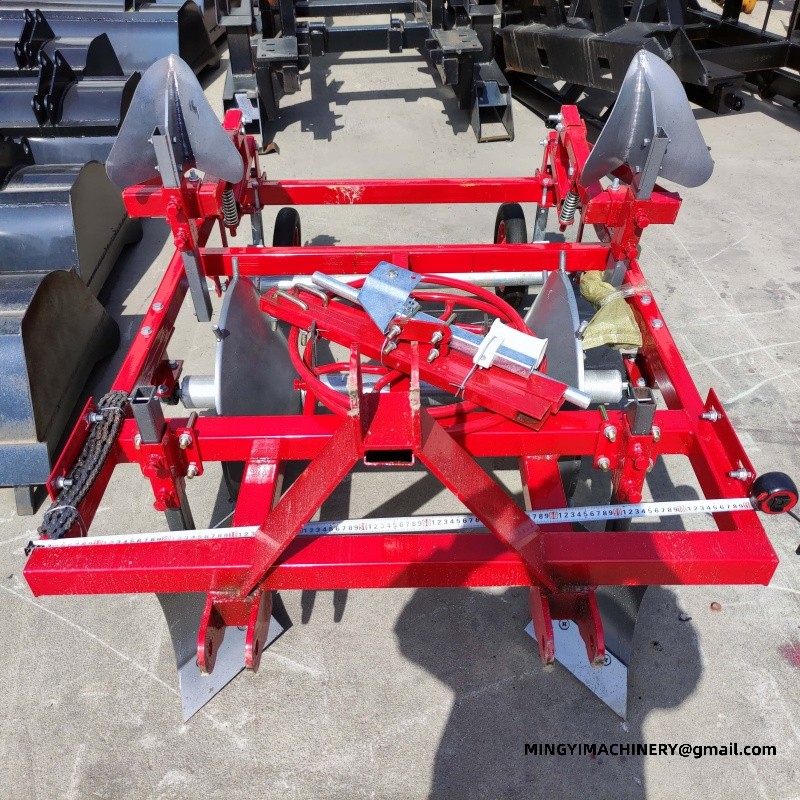
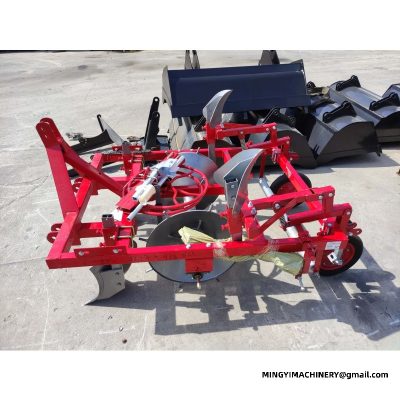
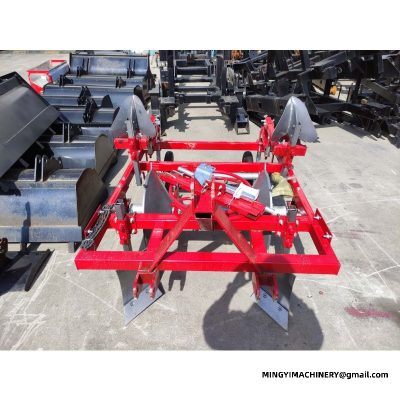
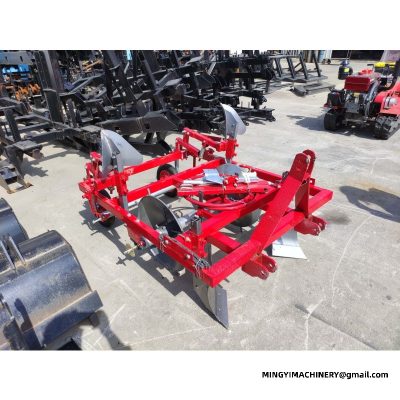
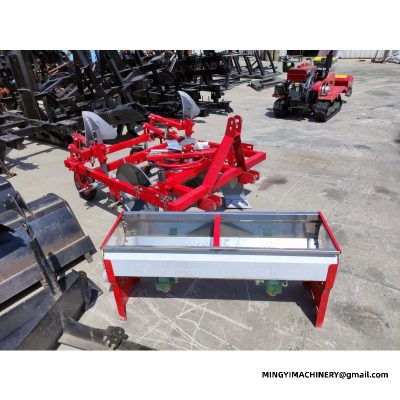
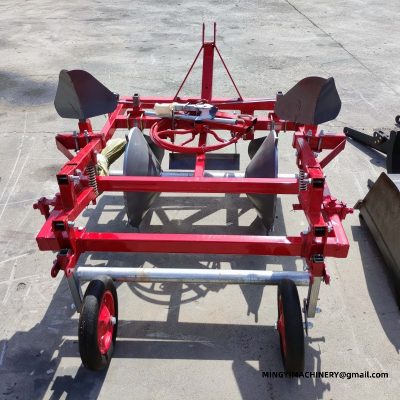
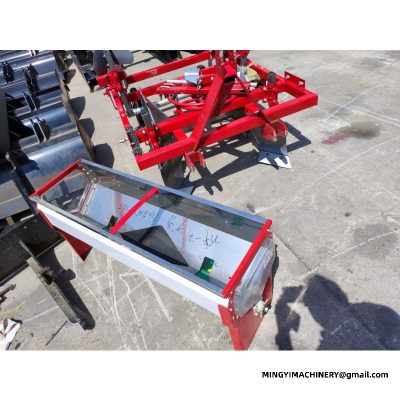
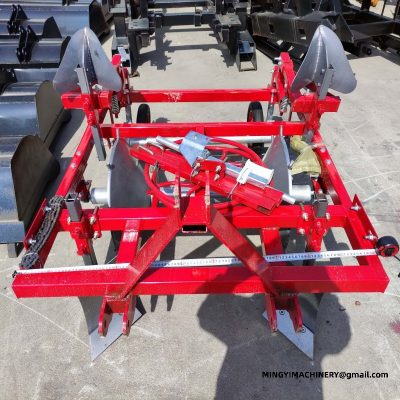
The tiller sits in a class where the difference between models is felt on site rather than read on a plate. What follows covers the practical side, including access, duty cycle, maintenance and delivery, in the order a buyer tends to meet them.
Shipping dimensions matter as much on export orders as they do locally. Confirming the packed size of this class of machine before booking avoids re-booking freight after the machine is built.
Emissions documentation is part of engine selection for some destinations. Confirming which units can be supplied and documented for the destination country is worth doing at enquiry stage rather than after the build sheet is signed.
Blades, wear parts and ground engaging tools on crawler tiller with attachments for forestry and timber haulage
Blades are the consumable that decides the result. The unit in daily use with blunt blades tears the soil rather than cutting it, and the extra load is carried by the gearbox and the engine for no benefit.
Build options are where a standard machine becomes the right machine. Colour, guarding, lighting, seating and hydraulic provisions can usually be set at build time on a machine of this size, and are far simpler then than as a retrofit.
Resale starts at purchase. Specification choices, service records and the condition of wearing parts are what a buyer looks at, and the equipment on site that has been maintained on schedule is worth more than one that merely looks clean. Replacement timing is a planning decision. Knowing the intended working life of the machine itself lets an owner sell while the machine still has value rather than after a major repair becomes due.
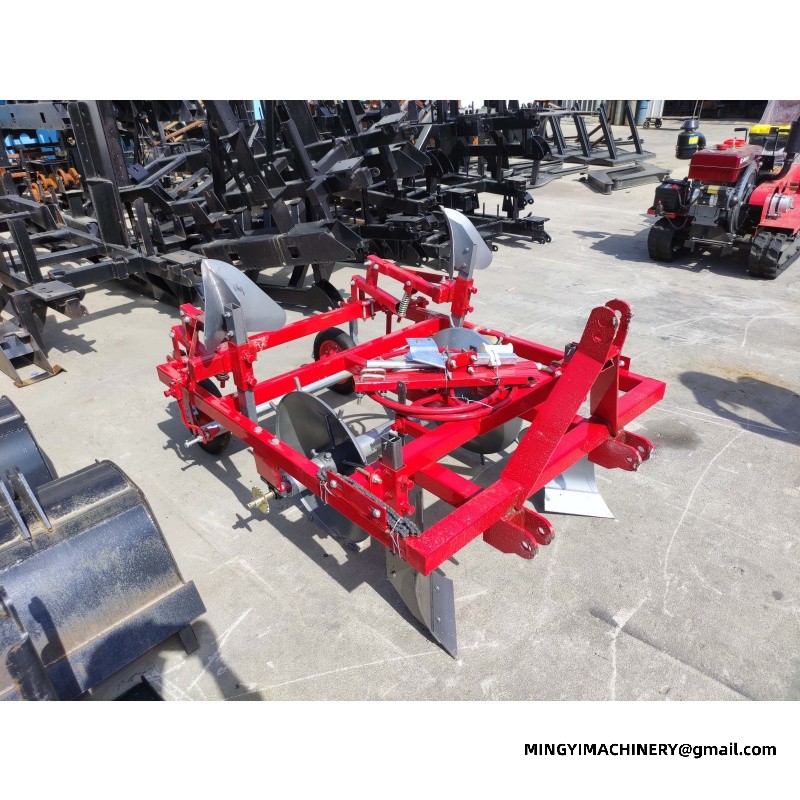
The working surface should be surveyed before the model in question is specified. A machine that is stable on compacted gravel can be unusable on the same site after rain, and the difference shows up as lost days rather than as a fault.
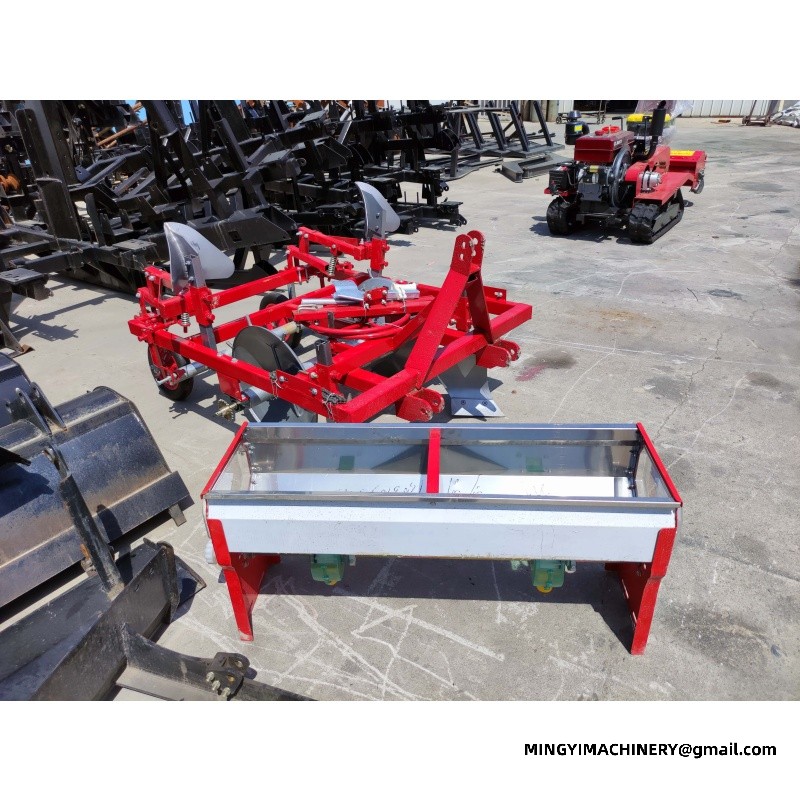
Handover should include the documents as well as the keys. Parts list, service schedule and the operator notes for the machine in that duty are what the workshop needs in month six, and they are much harder to obtain later. Keeping the manuals where they can be reached matters. The unit on the job whose documents stay with the machine gets serviced on schedule; one whose paperwork was filed elsewhere tends to run on memory instead.
The base machine is only as useful as the tool on the end of it. Matching the attachment to the task - rather than to what arrived with the machine - is what lets one the equipment in service cover several jobs across a week. Attachment decisions are best made before delivery. Specifying hydraulics and couplers at build time is simpler than adding them later, and it avoids the downtime of a workshop visit in the first month. Most owners find that the second attachment changes how often the machine is used. A machine built for the work that was bought for one task often becomes the general machine on site once a second tool is available.
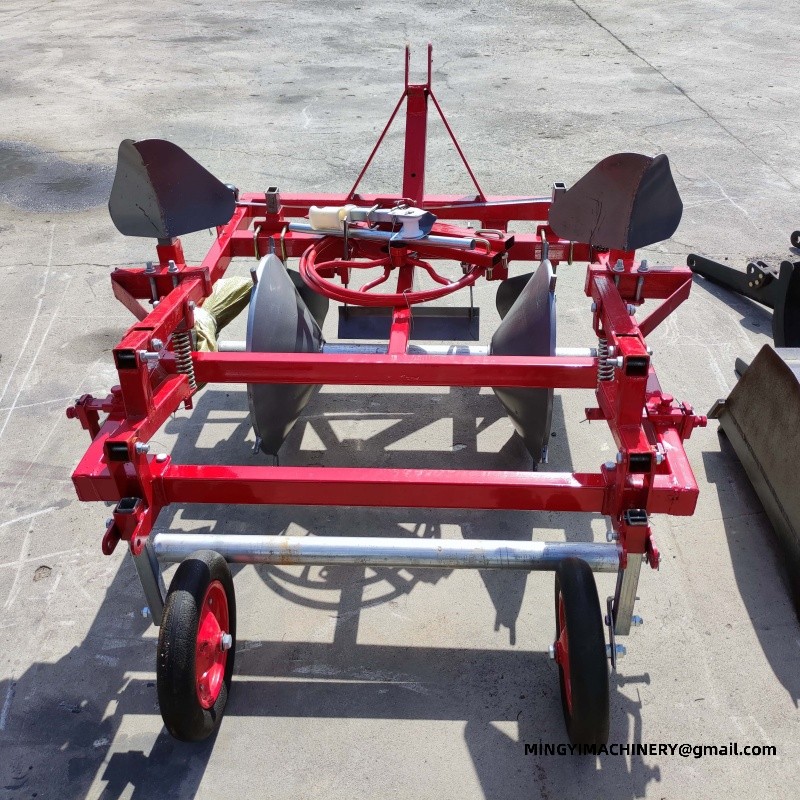
The specification should be written from the job backwards. Listing the loads, the ground and the hours first, then matching this class of machine to that list, avoids buying capacity the work never uses and avoids discovering a shortfall in the first week. Buyers who specify the unit in daily use on paper before enquiring get specifications that can be compared. Without that list, two suppliers will propose two different machines and the simpler one is usually the smaller one, not the better value.
Consumption is best measured over a full week rather than judged per hour. Idle time, repositioning and waiting for other trades are often the largest share of the fuel the equipment on site burns on a site.
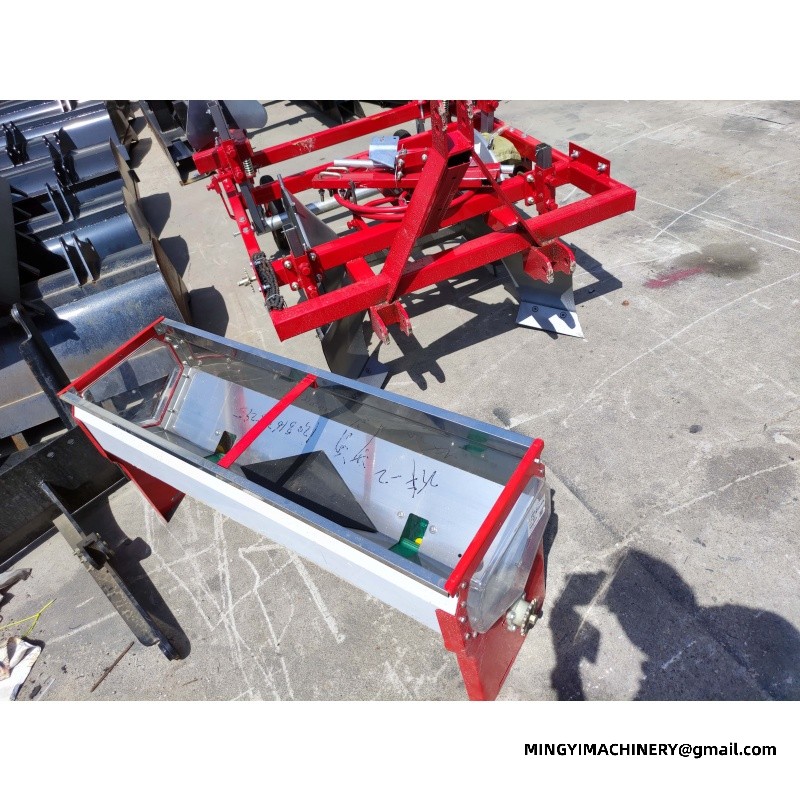
Turning room at the headland matters in short rows. The model in question that turns inside its own length covers more of a small plot per hour than a larger machine that has to reverse out of every row.
Tillage quality starts with the soil, not the machine. Dry, friable ground breaks up in one pass, while the same a machine built for the work on heavy wet clay needs a second pass and a lower gear, so the ground survey belongs before the working width is chosen. Soil moisture decides the outcome more than power does. Working the unit on the job when the ground is too wet smears the furrow and compacts below it, and the damage shows up in the following crop rather than in the same week. The working pass should follow the field. Running Equipment in service along the contour on a slope and across the previous pass on the flat gives a more even tilth than following the same line every season.
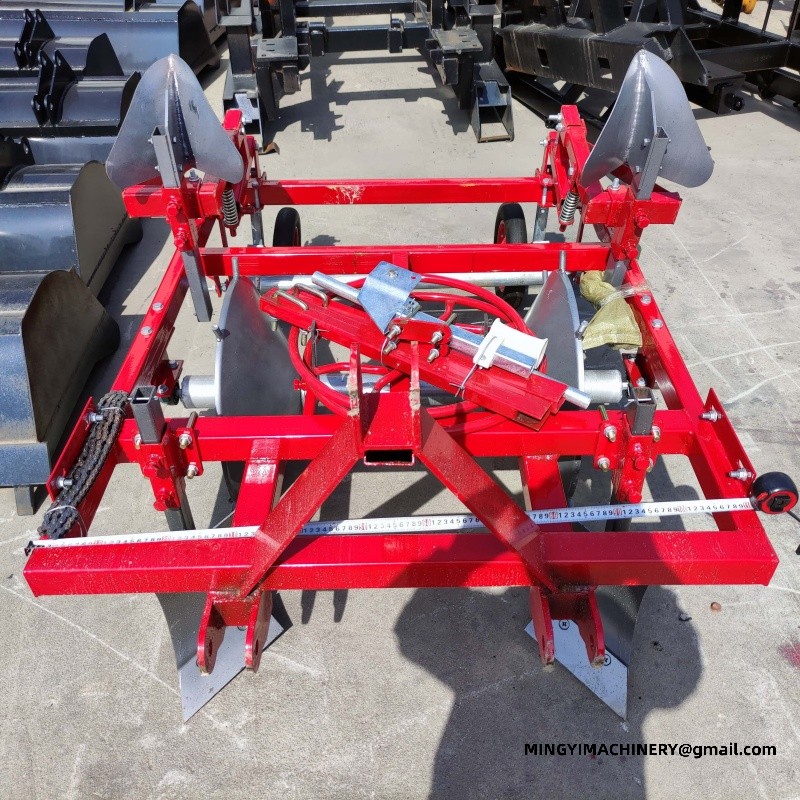
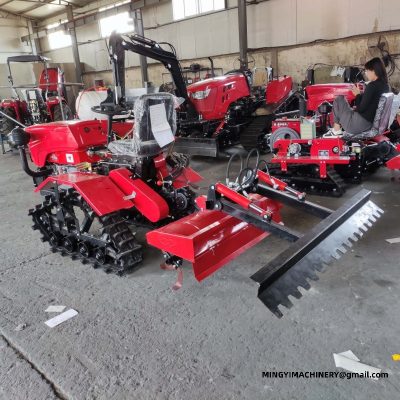
The track is what makes the machine usable on soft ground. A wider track spreads the weight of a machine of this size over more area and lowers ground pressure, which is the difference between working after rain and waiting for the field to dry. Track tension and wear matter more than most owners expect. This class of machine run with slack tracks wears the sprockets and rollers, and the effort of that neglect is a full undercarriage rather than an adjustment. Cleaning the undercarriage is part of the job. Mud and straw packed into the track frame of the unit in daily use increases rolling resistance and accelerates wear, and a few minutes at the end of the day prevents it.
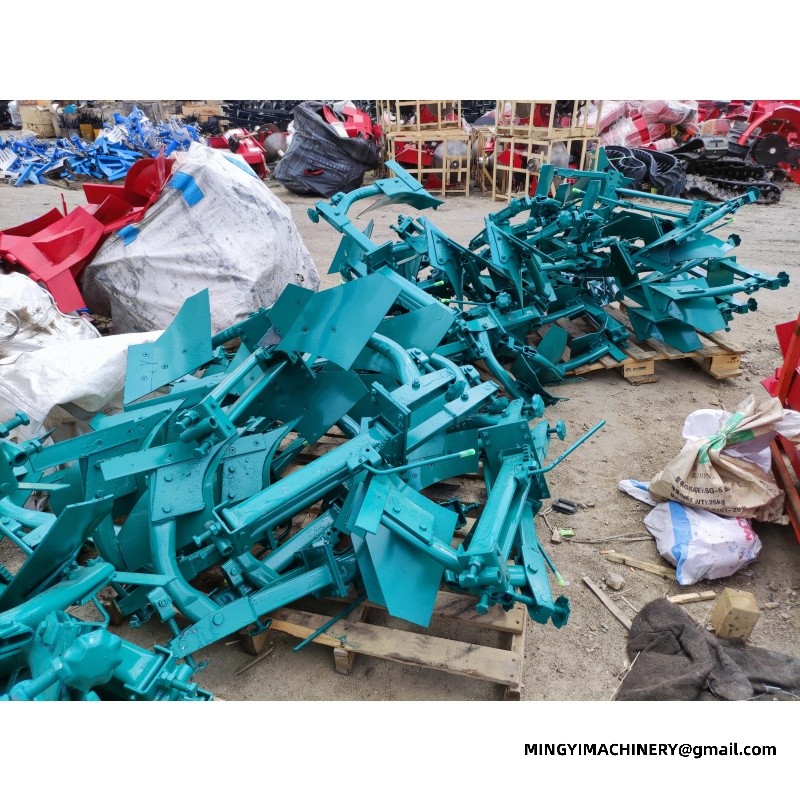
The implement is driven from the rear PTO, so the gearbox rating matters. Matching the gearbox of the model in question to the widest implement the farm will run avoids a machine that is fine on a tiller and short on a trencher. Implement width should follow the power. The machine itself with an implement wider than it can drive will labour, burn more fuel and leave an uneven tilth, and the correct width is the one that holds a steady engine speed.
Abrasive conditions shorten service intervals. Air filters, seals and any exposed sliding surface on the unit on the job need attention more often in dusty or muddy work, and the extra checks prevent far more wear than the time they take. Sealed points and guarded areas deserve a look in these conditions. A machine built for the work working in abrasive dust benefits from checked boots, intact guards and clean breathers, all of which are quick to verify.
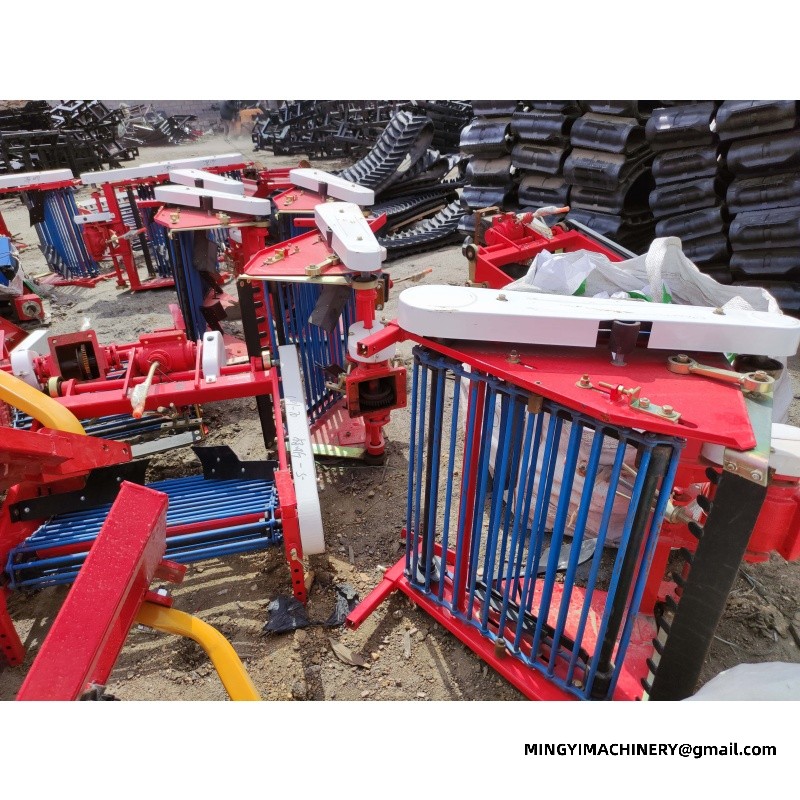
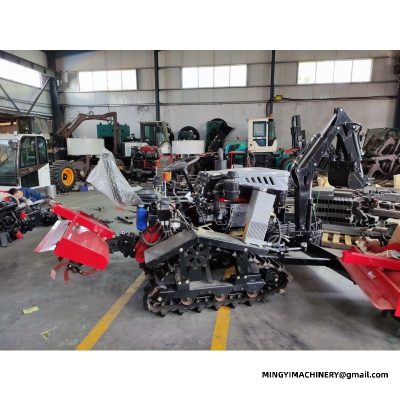
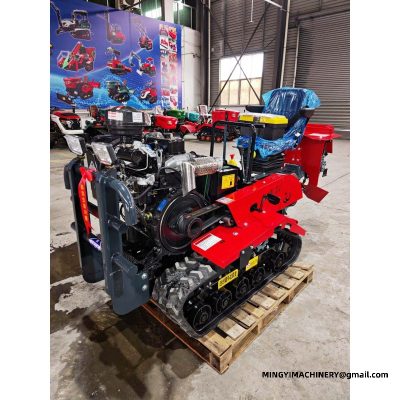
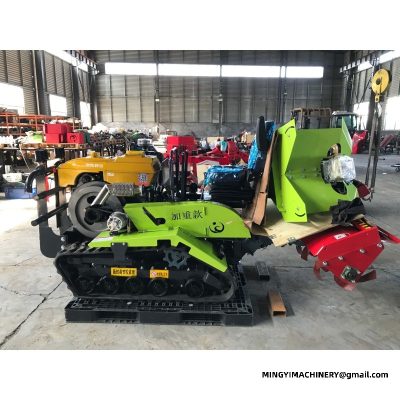
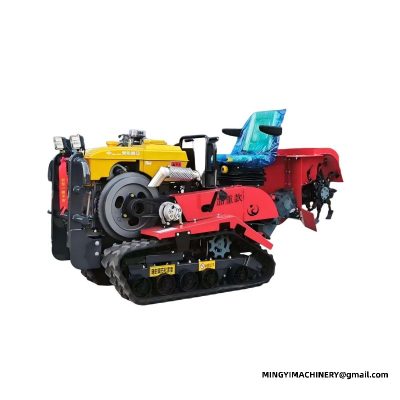
The models below cover the crawler rotary tiller range. Power, working condition, engine series and track width are confirmed together, because the field the machine works in decides the track and the engine before the working width matters.
| Model | Working condition | Engine series | Induction | Track width |
|---|---|---|---|---|
| 70/75 hp dry field crawler rotary tiller | dry field | 490 series | turbocharged | — |
| 130 hp paddy field crawler rotary tiller | paddy field | — | — | 350 mm |
| 50 hp dry field crawler rotary tiller | dry field | 490 series | — | — |
| 120 hp paddy field crawler rotary tiller | paddy field | — | — | 350 mm |
| 50 hp wet and dry field crawler rotary tiller | wet and dry field | 490 series | — | — |
| 60 hp wet and dry field crawler rotary tiller | wet and dry field | 495 series | — | — |
| 80 hp wet and dry field crawler rotary tiller | wet and dry field | 495 series | turbocharged | — |
| 80 hp wet and dry field crawler rotary tiller | wet and dry field | 495 series | turbocharged | — |
| Item | Note |
|---|---|
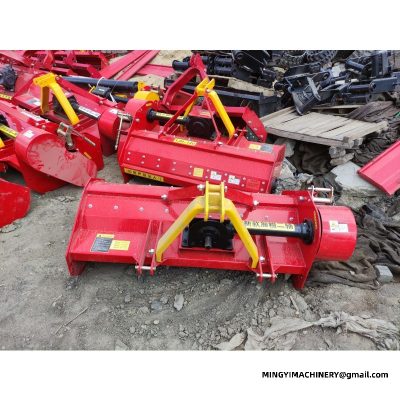
| rotary tiller , 1.7 m working width , 125 gearbox | — |
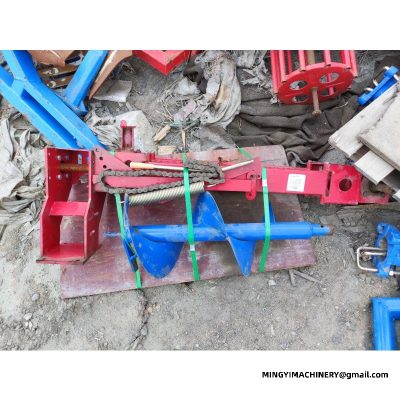
| tree hole digger | — |
| deluxe cab | — |
| simple cab | — |
| sprayer | — |
| rotary tiller , 1.8 m working width , 125 gearbox | — |
| rotary tiller , 1.5 m working width , 125 gearbox | — |
| engineering bucket | — |
An added function should pay for itself quickly. Whether the unit in daily use gains a different bucket, a hydraulic service or a protection package, the test is the number of days a year it is actually used.
The record should follow the machine, not the owner. When the equipment on site changes hands the service history travels with it, and a complete folder is often the difference between a quick sale and a long one.
The symptom is usually not at the fault. A hydraulic function that has become sluggish on the model in question may point to a filter, a relief setting or a pump, and starting with the simple checks avoids the wrong guess.
The first hour on site should be slow. Before the unit on the job is put to work the fluid levels are rechecked after transport, the fasteners are gone over and the machine is run light so that anything loosened in transit shows up early.
The specification for oil is written for a reason. Using the grade and the change interval set for the equipment in service keeps the engine and the hydraulic system inside the range they were designed for.
The machine is only half of what arrives. The parts book, the service schedule and the declarations that come with this class of machine are what let the owner register, insure and maintain it without a second round of emails.
Training is simpler than repair. An hour spent with a new operator on a machine of this size, covering the limits and the awkward cases, is the least lengthy hour in the whole ownership.
Every line above comes from the build sheet for the equipment on site, and the final configuration is confirmed against the working conditions and the destination before production.
E-mail:sales@mingycn.com
LINE(ID):mingyicn