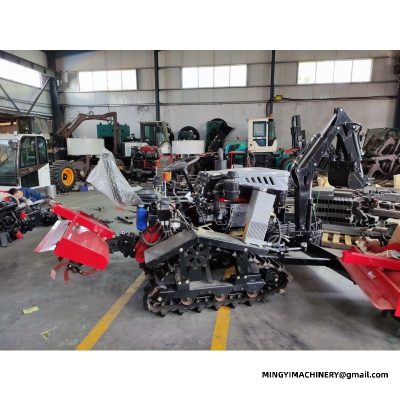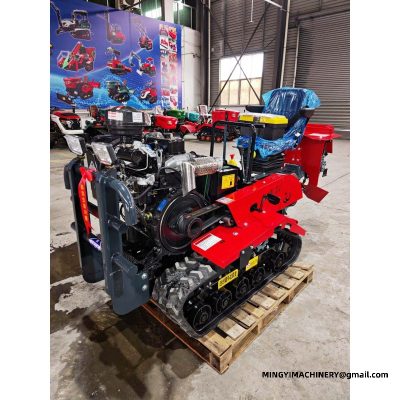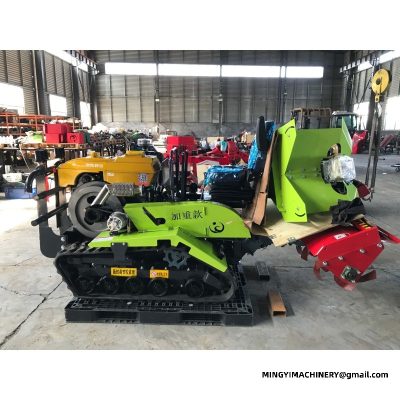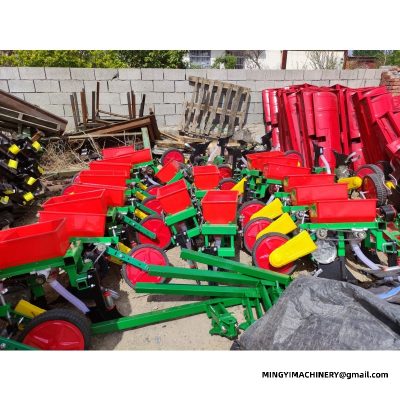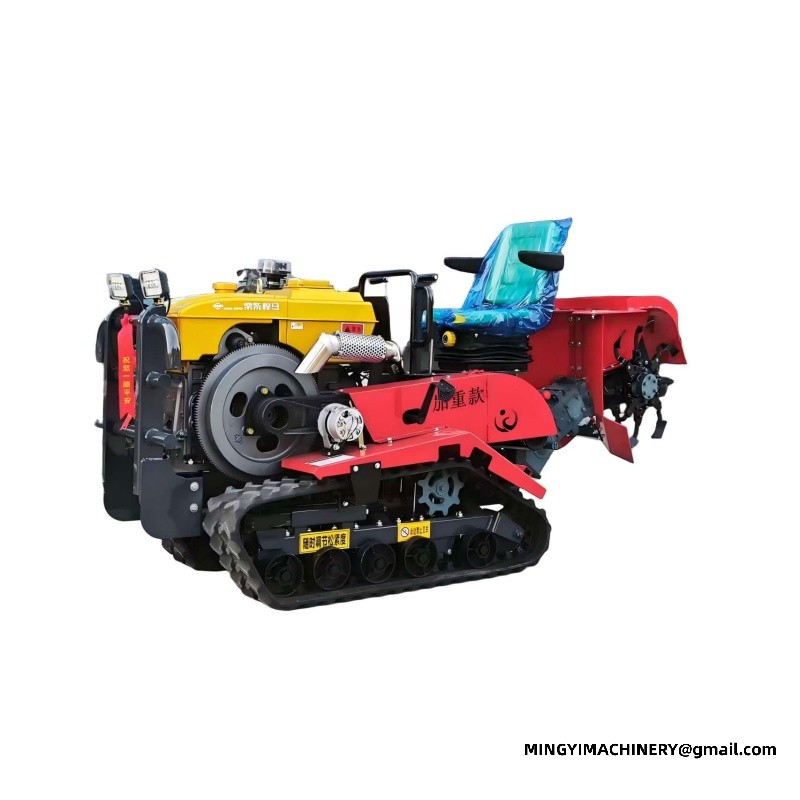
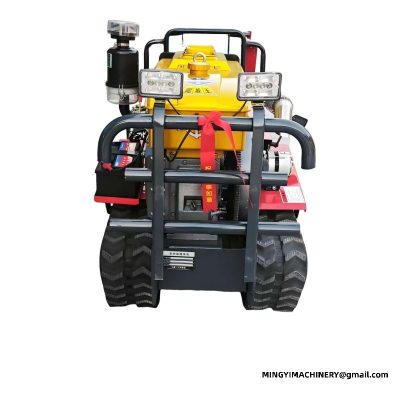
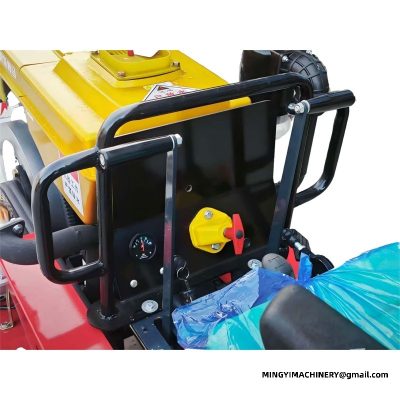
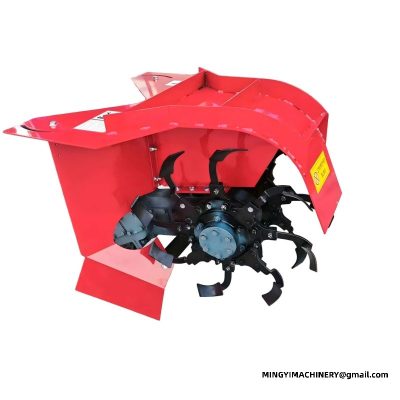
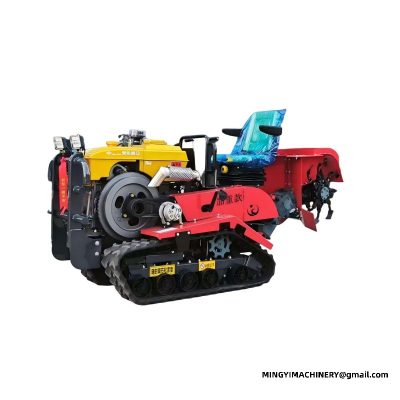
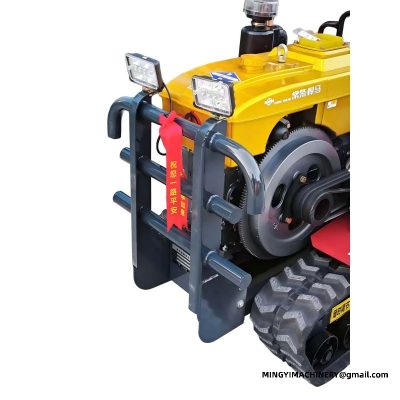
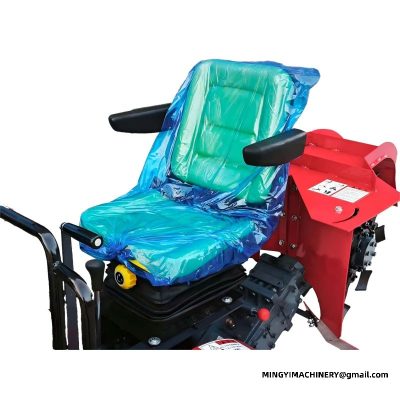
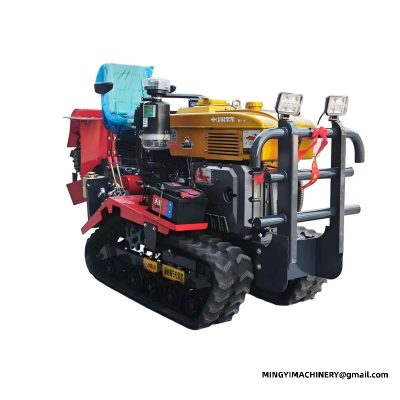
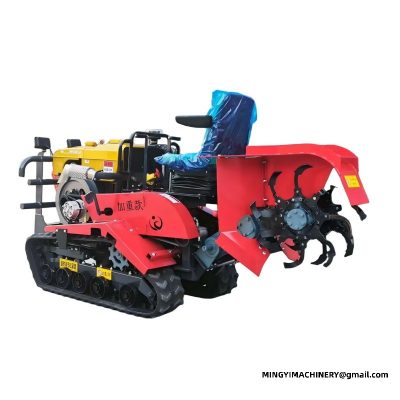
Several forms of the tiller appear in this range, and the right one depends on the ground more than on the brochure. Below, the practical differences are set out alongside the figures so the two can be read together.
Duty cycle is the honest measure of a machine. This class of machine working a few hours a week has different needs from one working two shifts, and the cooling, filtration and service intervals should follow the hours rather than the calendar.
Fleet value comes from interchangeability. Operators who can step between machines without retraining, and a workshop that stocks one set of filters, keep utilisation higher than a fleet of individually optimised units.
Warranty terms are clearer when they are read before purchase. Knowing what is covered, what counts as a wearing item and what documentation is required makes a claim on the unit in daily use straightforward rather than contested.
Planning helps more than extra lamps. Positioning the machine of this size so that the work is lit from the machine side, and keeping the route clear, does more for safety than adding light to a badly planned task.
Certain parts are designed to be consumed. Knowing which items on the equipment on site are wearing parts, and roughly how long they last in the duty the machine sees, turns replacement into a plan rather than a breakdown. Wear rate follows conditions far more than hours. The machine itself working on abrasive ground or in mud will consume undercarriage or tyre life much faster than the same machine on clean ground.
The working pass should follow the field. Running the model in question along the contour on a slope and across the previous pass on the flat gives a more even tilth than following the same line every season.
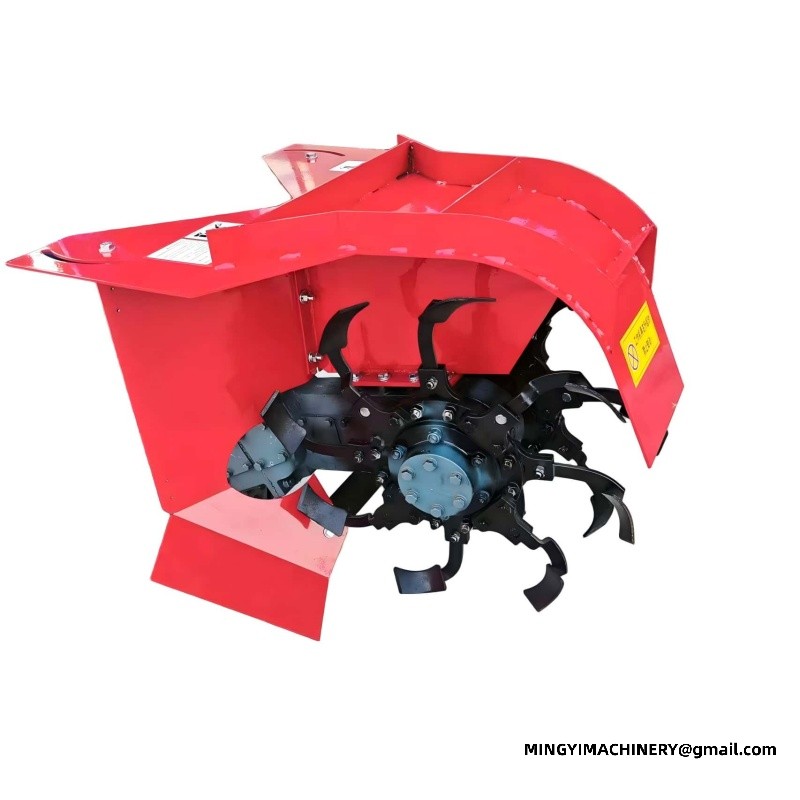
Blade wear is uneven across the width. Rotating and renewing the set on the machine in that duty before the worst blade fails keeps the tilth even and avoids the vibration that damages the rotor bearings. Keeping a spare set is simple insurance. During a short season the difference between working and waiting on the unit on the job is often a set of blades and the half hour needed to fit them.
Standing still is hard on machinery. A machine built for the work left for weeks benefits from a clean, dry, covered space, a charged battery and a fuel system prepared for the layoff, and all three effort very little. Before-storage preparation prevents most return-to-work faults. Draining or treating fuel, protecting exposed rods and relieving pressure where the maker specifies it are the items worth an hour when the equipment in service is parked. A periodic start is better than none. Running the tiller to operating temperature during a long layoff keeps seals and the charging system in better condition than leaving it untouched until the next job.
Lead time is part of the specification. Confirming build time, shipping method and what is included before ordering the unit in daily use prevents the common gap between when the machine is needed and when it can arrive. Delivery planning includes the receiving end. Knowing whether a machine of this size will be craned, driven or forked off, and whether the site can accept it, is settled before dispatch rather than on the day.
Parts availability usually decides the engine and the brand. A machine built around components the local network already carries is serviced from stock, which is the difference between a day lost and a week lost.
Paddy work changes the specification. The model in question intended for flooded ground needs sealed hubs, a higher air intake and flotation that keeps it on the surface, and those are build items rather than things to add later. Standing water hides the ground underneath. Working the machine in that duty in a paddy means accepting slower progress and planning the turns, because the places where the machine sinks are the places where the soil has already been disturbed.
Access and storage are worth settling early. Where a machine built for the work will be parked, refuelled and serviced on site affects the working day more than most specification details, and it takes nothing to plan. Sequencing avoids rework. Doing the work in the order that suits the ground and the following trades keeps the equipment in service productive and prevents finishing a task that then has to be opened up again.
Ballast and attachment weight change the machine. Adding a heavy tool to this class of machine moves the centre of gravity, and the counterweight or configuration should be matched to the tool rather than assumed. Carrying and travelling with a load needs its own plan. Speed, gradient and surface all matter more once the unit in daily use is loaded, and the safe combination is the conservative one.
A short familiarisation session prevents the early faults. Most first-month problems on the equipment on site come from unfamiliarity with controls, limits or checks rather than from the machine itself. Keeping the manuals where they can be reached matters. The machine itself whose documents stay with the machine gets serviced on schedule; one whose paperwork was filed elsewhere tends to run on memory instead.
Customisation should still be limited to what the work needs. Each addition to the machine in that duty is another item to maintain, so the useful question is not what can be added but what the job list actually requires.
Fuel is usually the largest controllable running demand. Operating style, correct tyre or track condition and a clean air supply all move consumption on a machine built for the work by more than most buyers expect.
Traction and flotation are two separate questions. The tiller may have the power for a slope and still not have the grip, so the surface, not the engine rating, is usually what limits the working day.
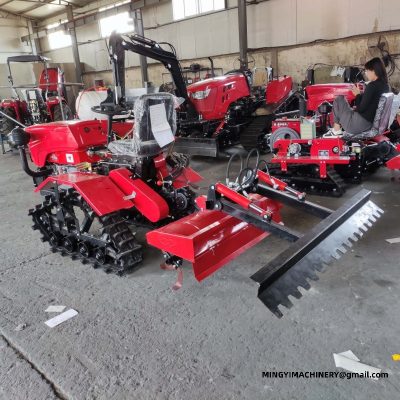
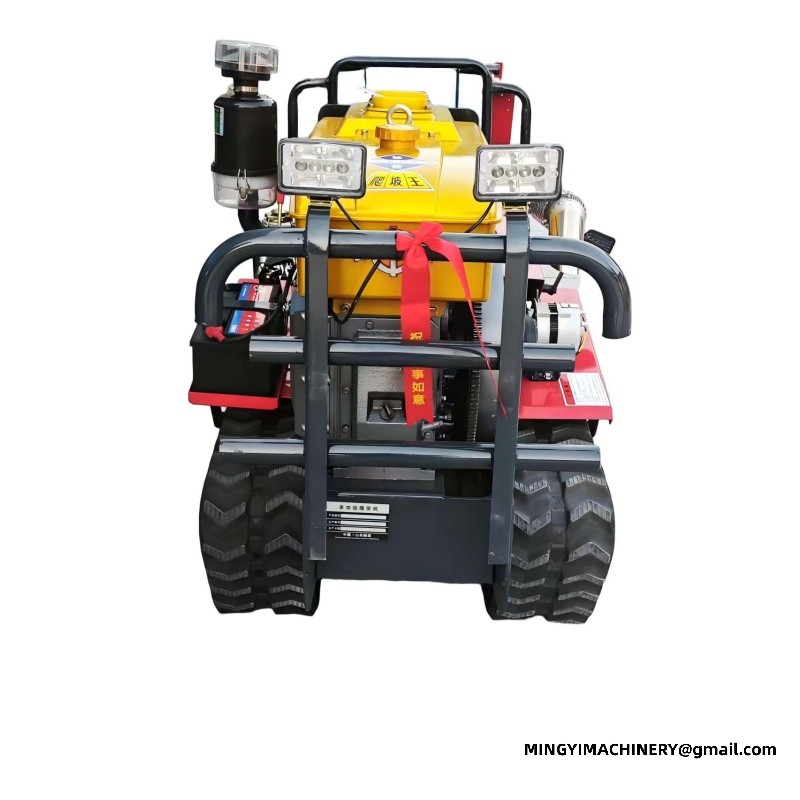
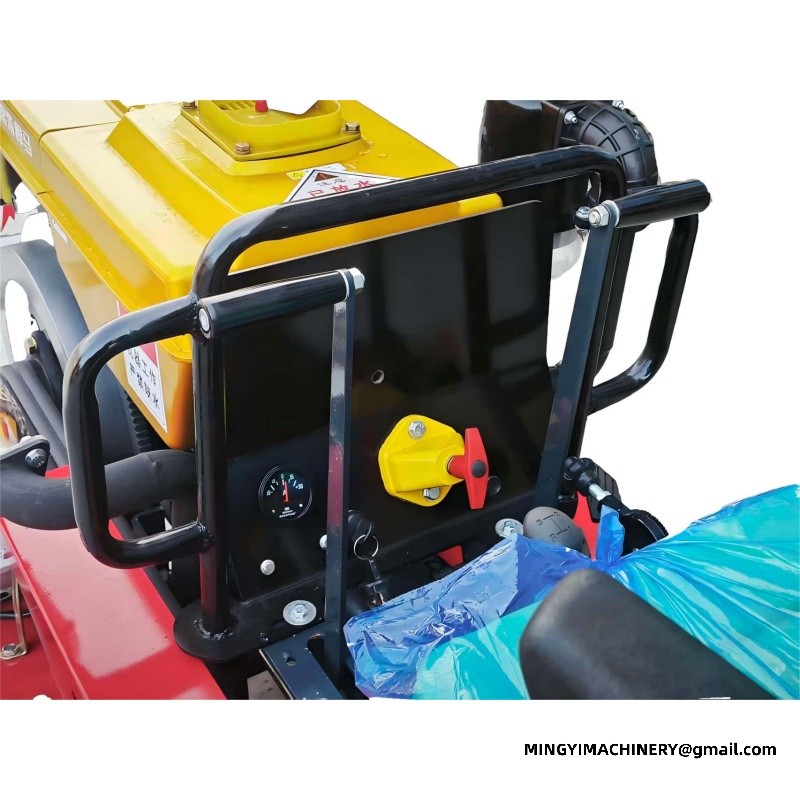
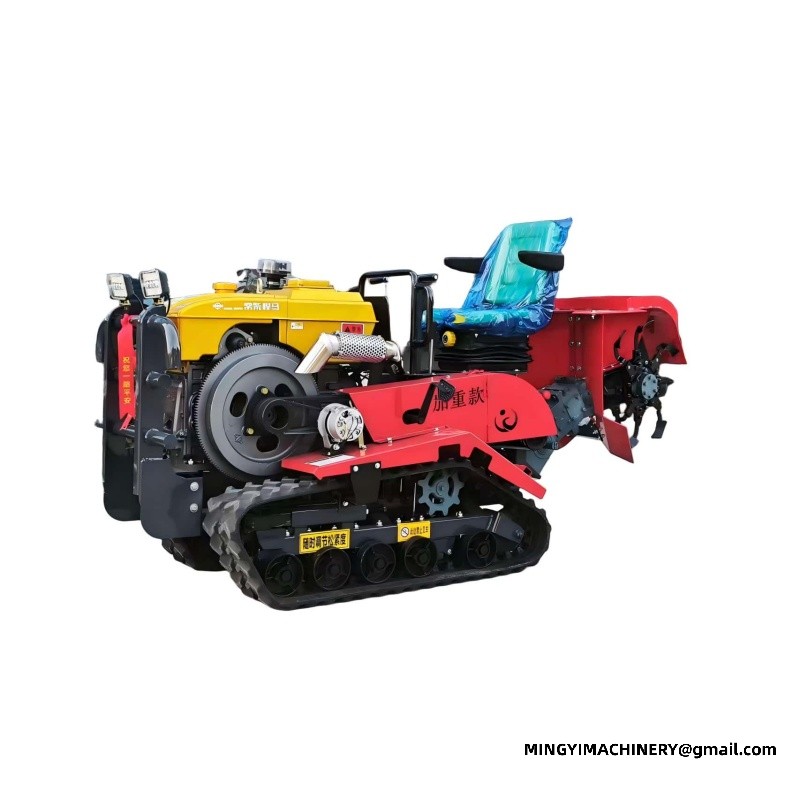
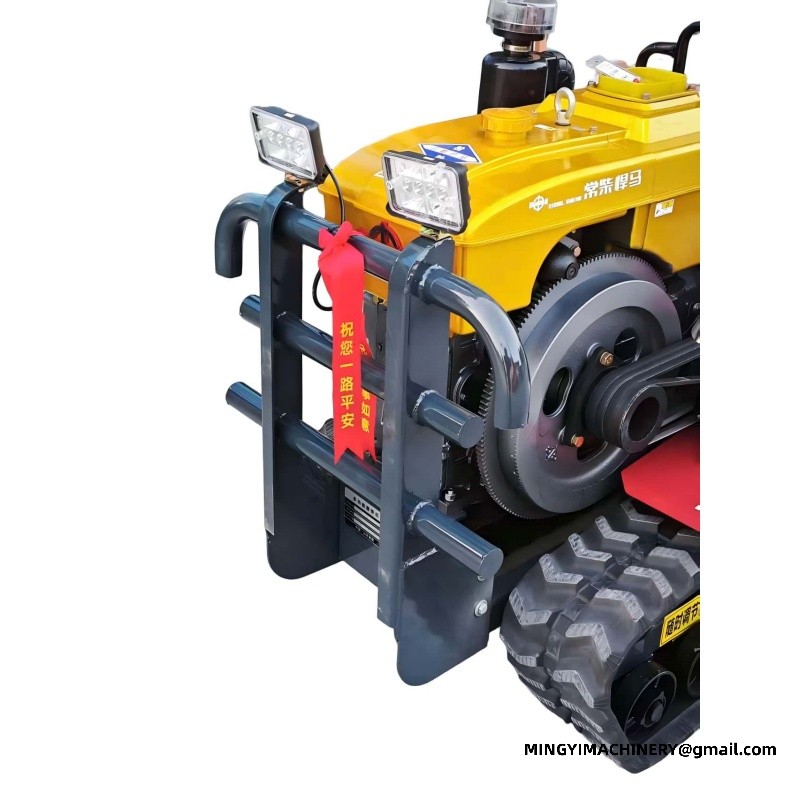
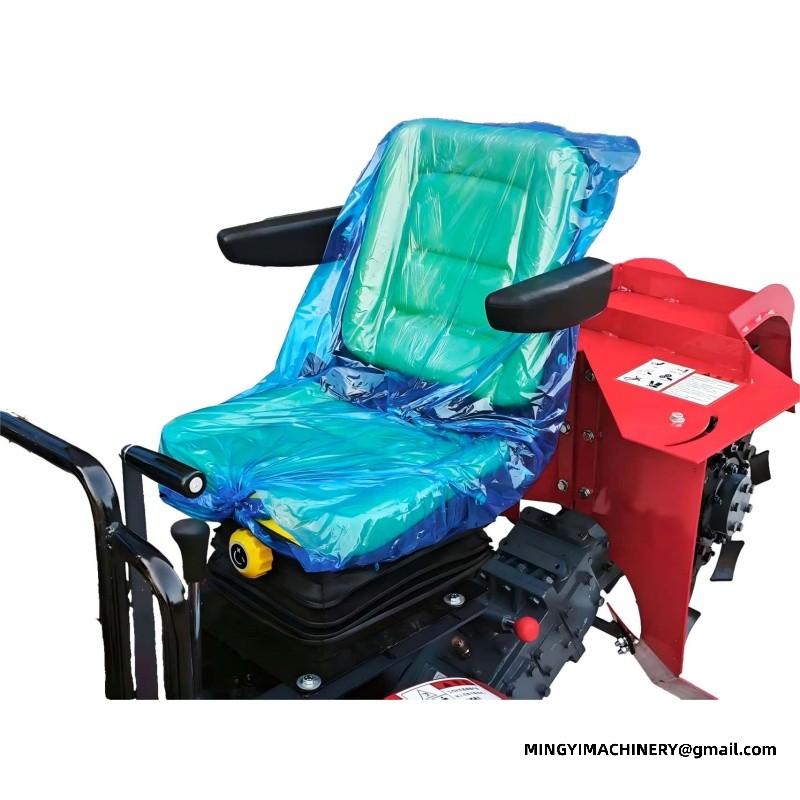
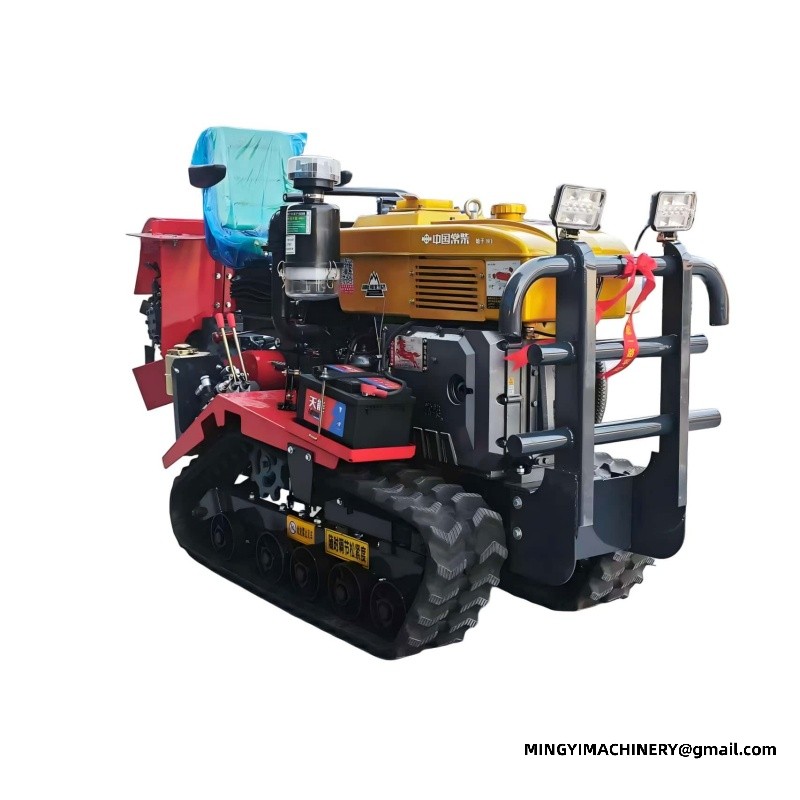
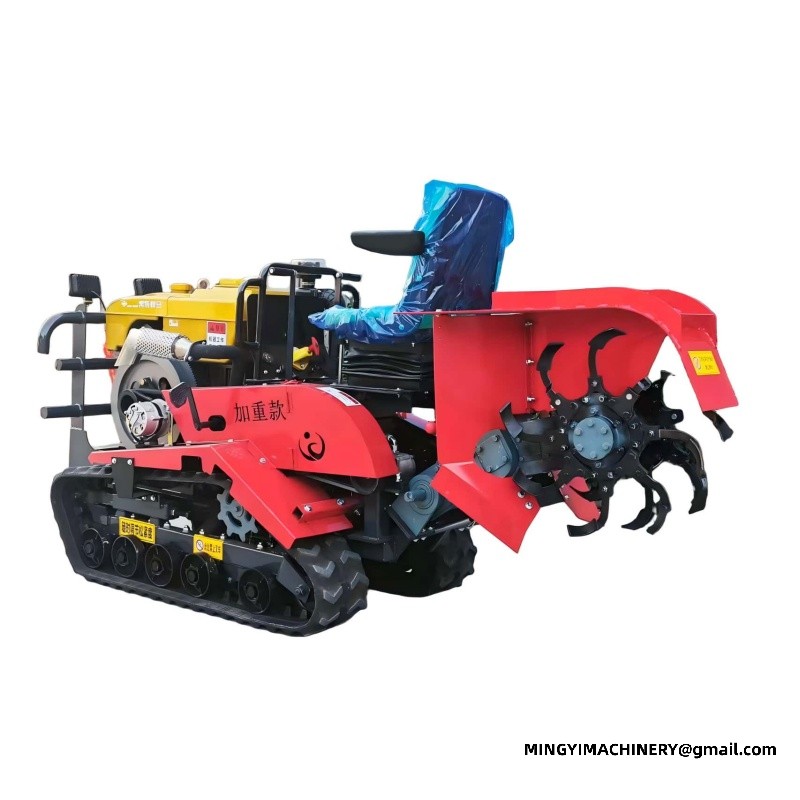
The models below cover the crawler rotary tiller range. Power, working condition, engine series and track width are confirmed together, because the field the machine works in decides the track and the engine before the working width matters.
| Model | Working condition | Engine series | Induction | Track width |
|---|---|---|---|---|
| 50 hp dry field crawler rotary tiller | dry field | 490 series | — | — |
| 60 hp wet and dry field crawler rotary tiller | wet and dry field | 495 series | — | — |
| 80 hp wet and dry field crawler rotary tiller | wet and dry field | 495 series | turbocharged | — |
| 100 hp wet and dry field crawler rotary tiller | wet and dry field | — | — | 350 mm |
| 70/75 hp dry field crawler rotary tiller | dry field | 490 series | turbocharged | — |
| 70/75 hp wet and dry field crawler rotary tiller | wet and dry field | 490 series | turbocharged | — |
| 130 hp paddy field crawler rotary tiller | paddy field | — | — | 350 mm |
| 120 hp paddy field crawler rotary tiller | paddy field | — | — | 350 mm |
| Item | Note |
|---|---|
| 1.5 m straw returning | working width 1.5 m |
| engineering bucket | — |
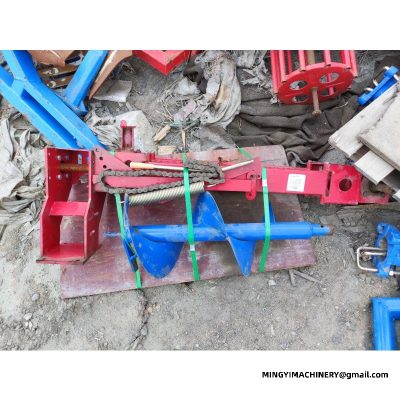
| tree hole digger | — |
| offset trencher | — |
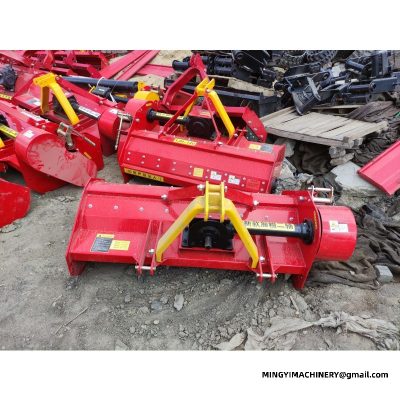
| rotary tiller , 1.8 m working width , 125 gearbox | — |
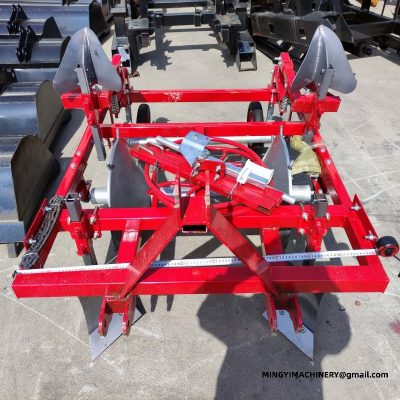
| 1.6 m rotary tillageridgingcombined machine | working width 1.6 m |
| land leveller2.2 m -4.4 m | working width 2.2 m |
| simple canopy | — |
Fluid quality is a storage problem before it is a machine problem. Water and sediment in a drum will find the injection system of the equipment on site eventually, and a settling period is nothing compared with a pump.
Patterns show up in the record before they show up in the machine. Rising oil consumption or a filter that keeps blocking on the model in question is obvious on paper long before it becomes a failure on site.
The paperwork matters as much as the packing. Serial numbers, dimensions and weights recorded for the unit on the job at loading are the same figures the destination needs, and a mismatch here loses more days than the voyage itself.
Later changes are easier when they were anticipated. Asking for the extra hydraulic circuit or the heavier mounting plate on the equipment in service at build time adds little and leaves the option open.
The last hour before packing is the best time to find a fault. Running this class of machine through its full working cycle, checking for leaks under load and confirming that the controls match the specification avoids a conversation across time zones later.
Temperature and pressure are the two things worth watching. A machine of this size that runs hotter than it used to, or whose pressure has drifted, is reporting a problem that is still simple to fix.
Transport shakes things loose. A short check of the machine itself after the crate is opened, covering the same points the pre-delivery inspection covered, is the most useful insurance available on delivery day.
Securing the load is not optional. Lashing the machine in that duty at the points intended for it, checking the tension before the vehicle moves and rechecking after the first kilometres is standard practice rather than extra care.
Every line above comes from the build sheet for the unit on the job, and the final configuration is confirmed against the working conditions and the destination before production.
E-mail:sales@mingycn.com
LINE(ID):mingyicn