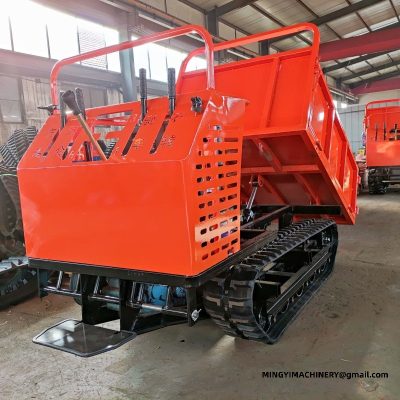
Choosing the carrier usually comes down to a handful of decisions made early: size, power, the ground it will work on and the attachments it has to carry. The notes below follow that order, because each one narrows the next.
Standardising where possible simplifies everything downstream. When several units of this class of machine share a service schedule and a parts list, the fleet becomes easier to plan and easier to sell on at replacement time.
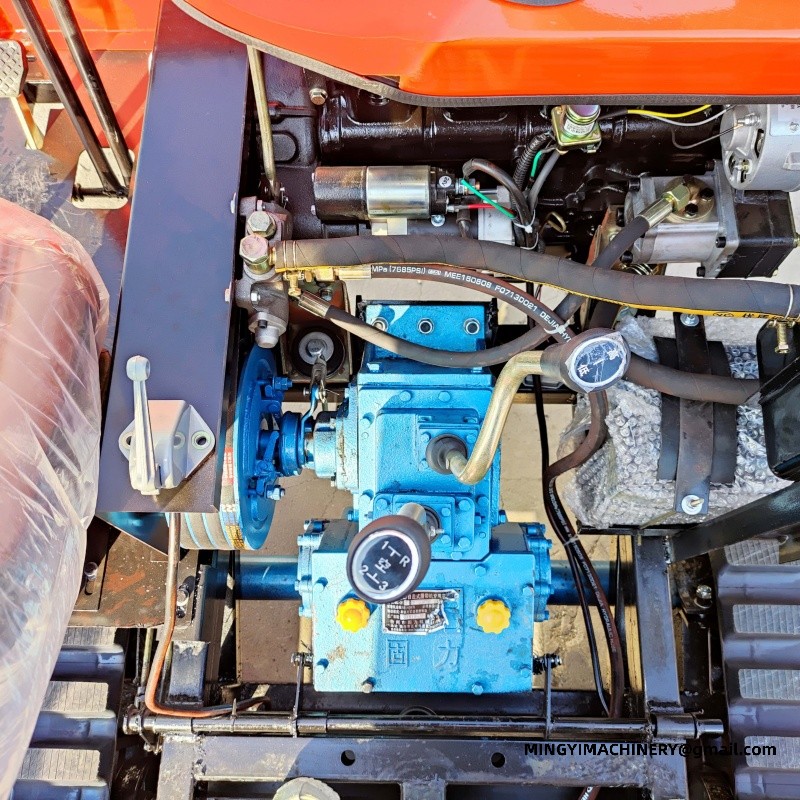
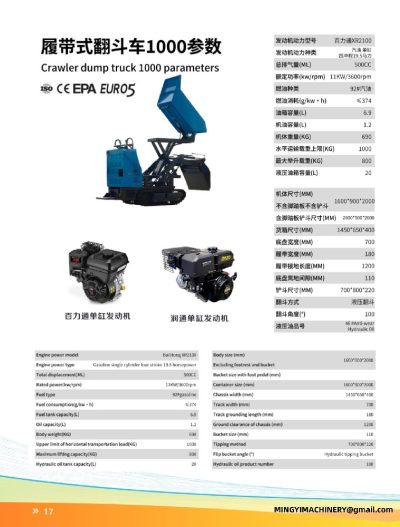
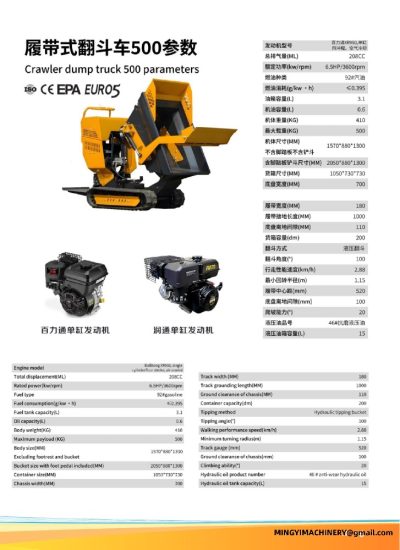
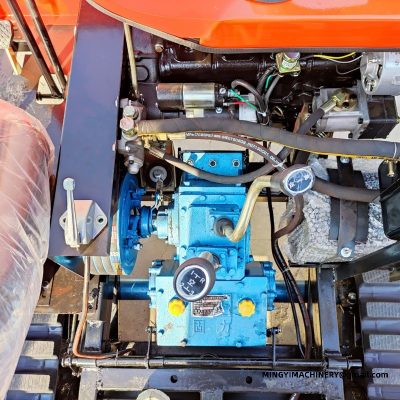
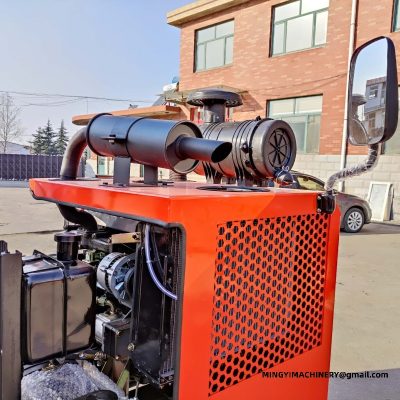
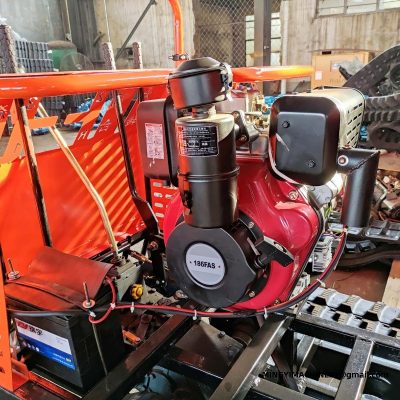
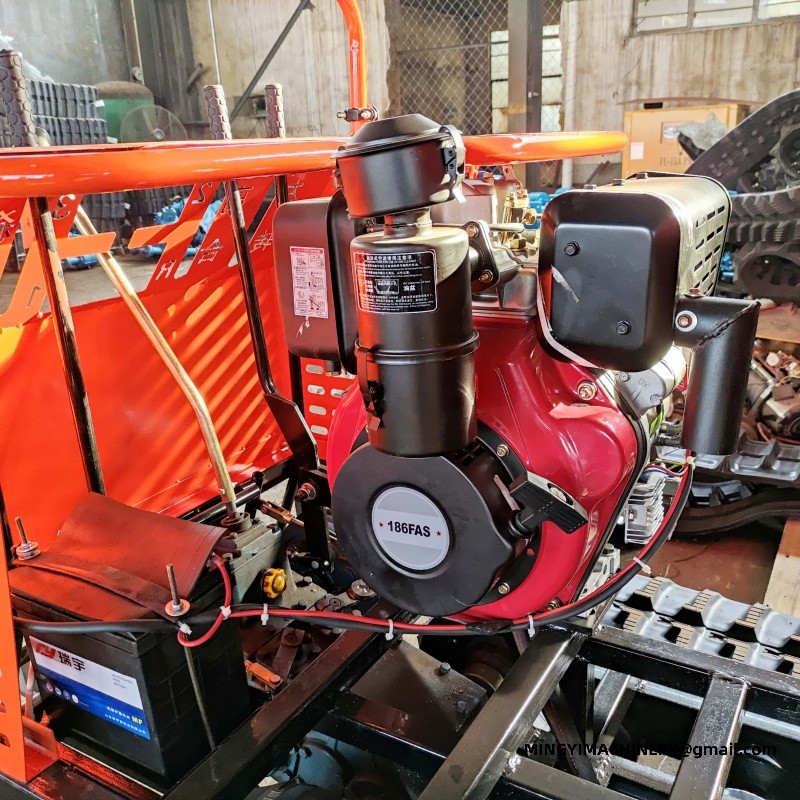
Power unit choice is usually a parts question, not a performance one. Two buyers can order the same a machine of this size and sensibly choose different engines, because the right answer depends on which brand the local workshop already supports. Emissions documentation is part of engine selection for some destinations. Confirming which units can be supplied and documented for the destination country is worth doing at enquiry stage rather than after the build sheet is signed. Matching the engine to the duty matters more than the peak rating. The unit in daily use that spends its day at part load benefits from a different setup than one that works at full output, and the difference shows in fuel use over a season.
Batteries and fluids are the parts that notice the cold first. The equipment on site kept on a maintainer through a freezing spell starts on the first turn, while one left standing is the usual cause of a lost morning. Low temperatures also make materials behave differently. Ground that is frozen hard in the morning can be soft by midday, and planning the sequence around that is easier than fighting it with the machine itself.
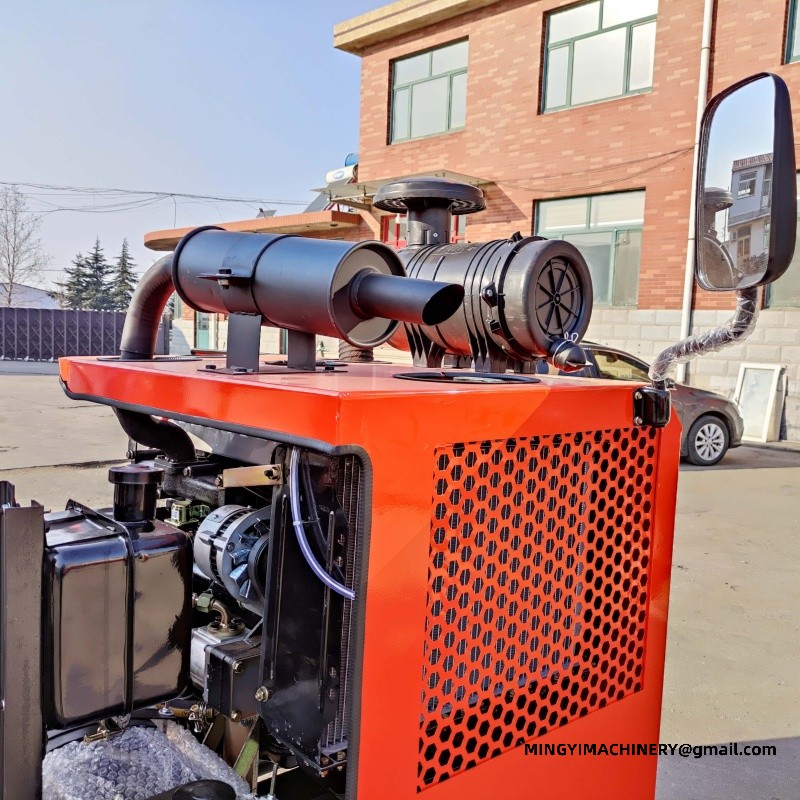
Engine size is chosen from the load and the gradient. The model in question that works a flat yard needs less than one climbing a loaded track, and specifying from the route keeps fuel use sensible. Smaller engines suit light duty and tight plans. Where the work is short hauls on reasonable ground, the machine in that duty with a modest output does the same trips for less fuel and less weight.
Traction and flotation are two separate questions. The unit on the job may have the power for a slope and still not have the grip, so the surface, not the engine rating, is usually what limits the working day.
Lead time is part of the specification. Confirming build time, shipping method and what is included before ordering a machine built for the work prevents the common gap between when the machine is needed and when it can arrive. Delivery planning includes the receiving end. Knowing whether the equipment in service will be craned, driven or forked off, and whether the site can accept it, is settled before dispatch rather than on the day.
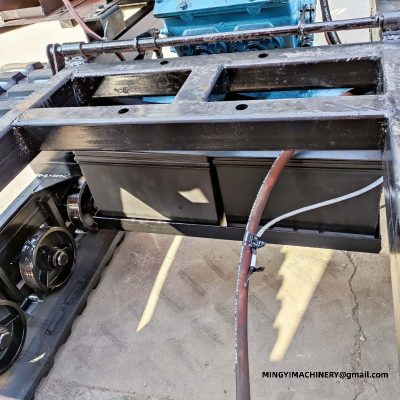
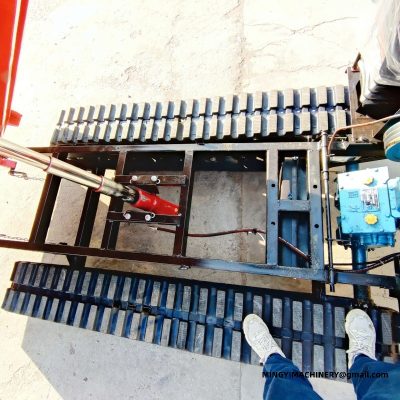
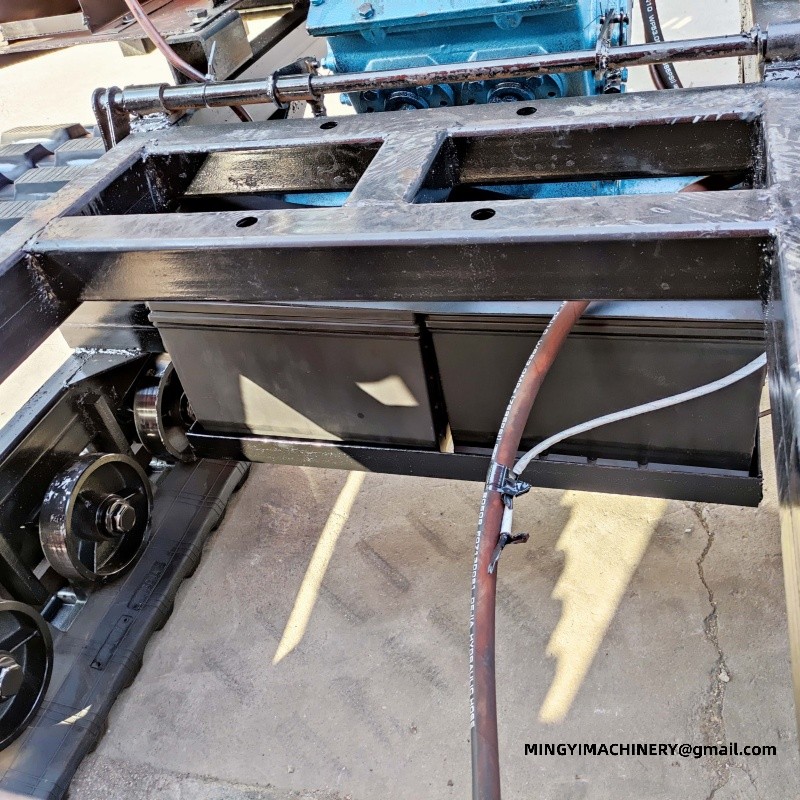
The undercarriage is the reason to choose tracks. The carrier on tracks spreads its weight and keeps moving on ground where a wheeled carrier would rut and stop, and that is the whole case for the machine. Cleaning and tension are the daily tasks. Packed mud in the track frame of this class of machine raises rolling resistance and wear, and slack tracks damage rollers and sprockets long before they come off.
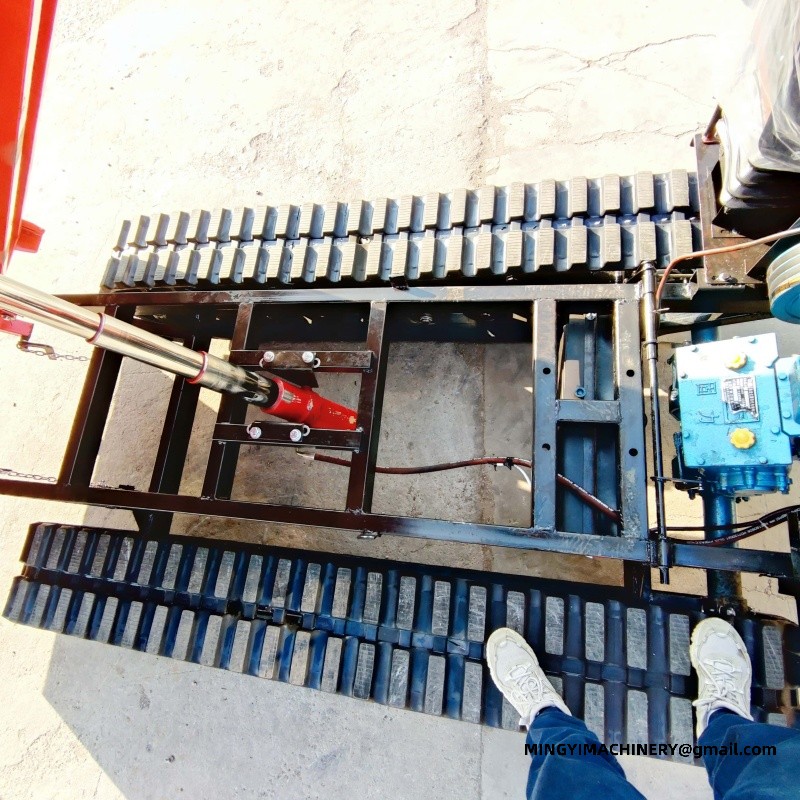
Most failures start as something small that a walk-around would have caught. Fluid levels, belt tension, tyre or track condition and any fresh leak are the items worth two minutes at the start of each shift on the unit in daily use.
Handover should include the documents as well as the keys. Parts list, service schedule and the operator notes for the equipment on site are what the workshop needs in month six, and they are much harder to obtain later. A short familiarisation session prevents the early faults. Most first-month problems on the machine itself come from unfamiliarity with controls, limits or checks rather than from the machine itself.
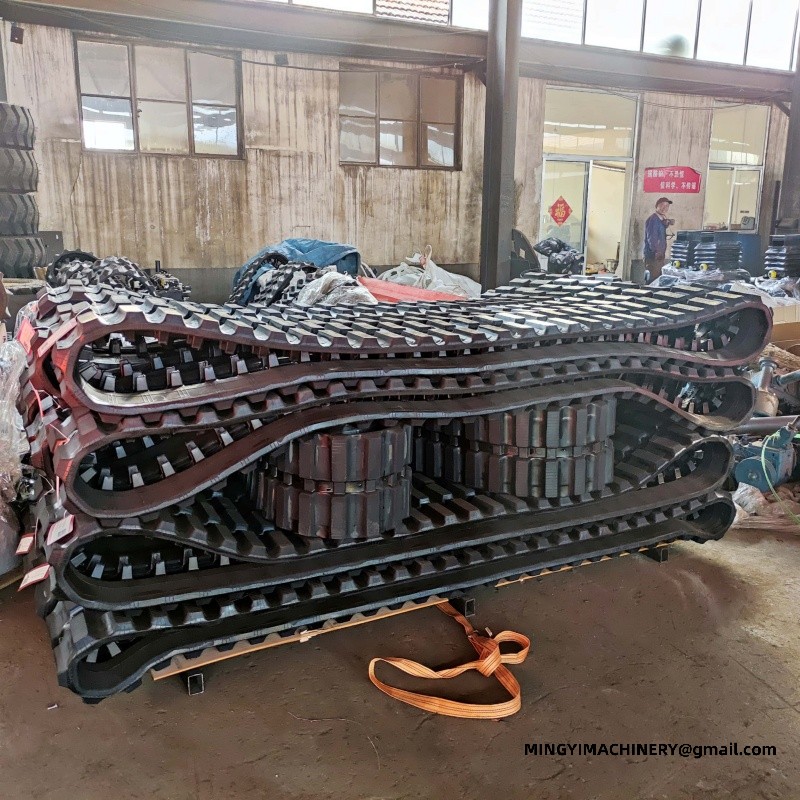
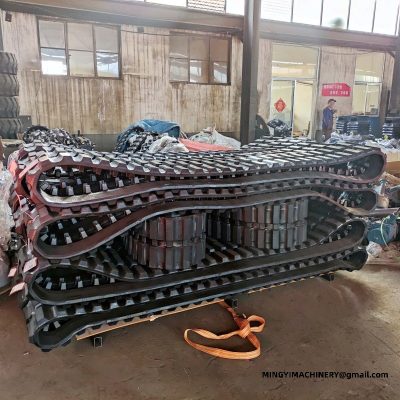
Certain parts are designed to be consumed. Knowing which items on the machine in that duty are wearing parts, and roughly how long they last in the duty the machine sees, turns replacement into a plan rather than a breakdown. Wear rate follows conditions far more than hours. The unit on the job working on abrasive ground or in mud will consume undercarriage or tyre life much faster than the same machine on clean ground. Replacing wear items early is usually simpler. Worn components on a machine built for the work load the parts they run against, so a worn part left too long often becomes a major repair.
Abrasive conditions shorten service intervals. Air filters, seals and any exposed sliding surface on the carrier need attention more often in dusty or muddy work, and the extra checks prevent far more wear than the time they take. Sealed points and guarded areas deserve a look in these conditions. This class of machine working in abrasive dust benefits from checked boots, intact guards and clean breathers, all of which are quick to verify.
Visibility from the seat is different at night. Reflections, shadows and glare all hide detail, so a machine of this size used after dark benefits from clean lenses, working wipers and a slower working pace.
Side slopes need respect. Turning a loaded the machine itself across a gradient is where stability is lost, and the safe habit is to keep the machine straight up and down the slope.
Attachment decisions are best made before delivery. Specifying hydraulics and couplers at build time is simpler than adding them later, and it avoids the downtime of a workshop visit in the first month. Most owners find that the second attachment changes how often the machine is used. The machine in that duty that was bought for one task often becomes the general machine on site once a second tool is available.
The specification should be written from the job backwards. Listing the loads, the ground and the hours first, then matching a machine built for the work to that list, avoids buying capacity the work never uses and avoids discovering a shortfall in the first week.
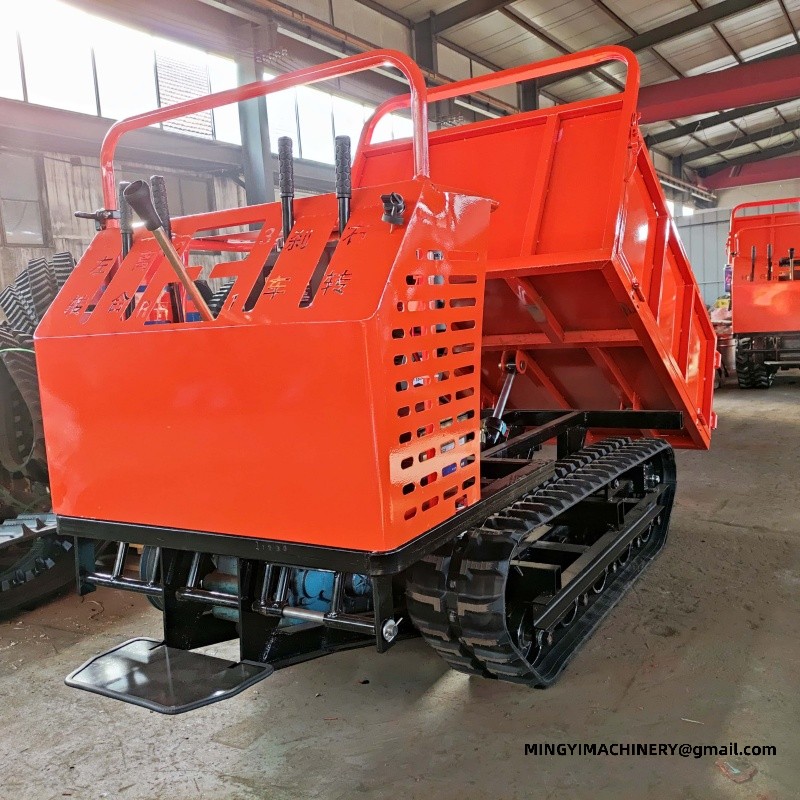
Reconfiguration can extend the useful life of a machine. The carrier that no longer suits the current work may suit it again with a different attachment, guarding or control arrangement. Upgrades should be checked against the base machine. Hydraulic capacity, mounting interface and stability all limit what can reasonably be added to this class of machine, and confirming those limits avoids an unsatisfactory result.
Stability follows the load and its position. Knowing the rated capacity of a machine of this size at the working radius, rather than at its best case, is what keeps handling predictable and the machine upright. Ballast and attachment weight change the machine. Adding a heavy tool to the equipment on site moves the centre of gravity, and the counterweight or configuration should be matched to the tool rather than assumed.
Payload is the number that matters on a short haul. Specifying the unit on the job against the material and the number of trips per day gives a realistic figure, because a body that looks half full can already be at its limit with stone. Loading method affects the machine. Material dropped from height into the model in question shocks the frame and the body, while material placed evenly spreads the load and keeps the undercarriage working. The honest payload depends on the route. The machine in that duty crossing level ground carries differently from one crossing ruts and gradients, and the conservative figure is the one that finishes the day.
Hour planning helps at resale as well. The equipment in service with a recorded service history and a sensible hour count is easier to sell than one with the same hours and no records, whatever its condition.
Access and storage are worth settling early. Where this class of machine will be parked, refuelled and serviced on site affects the working day more than most specification details, and it takes nothing to plan.
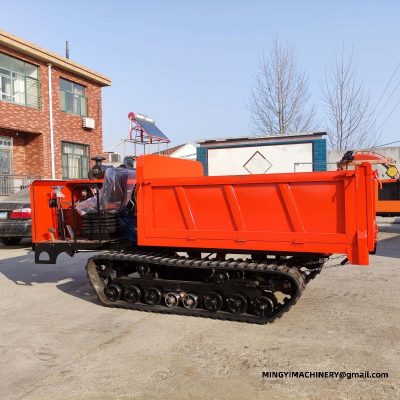
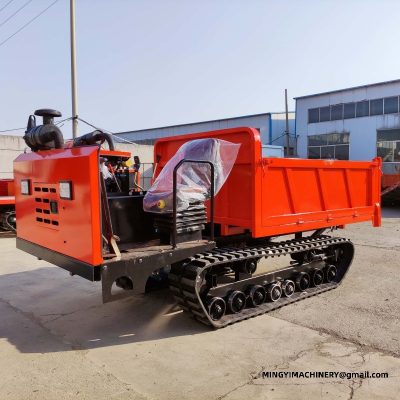
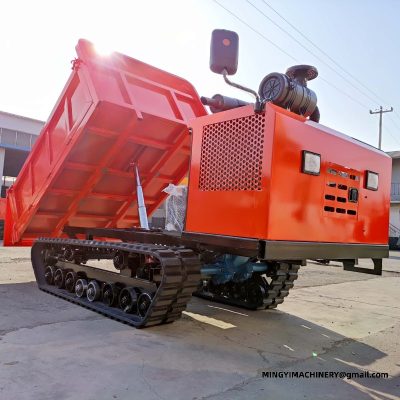
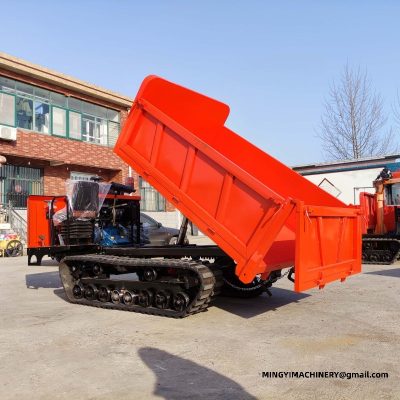
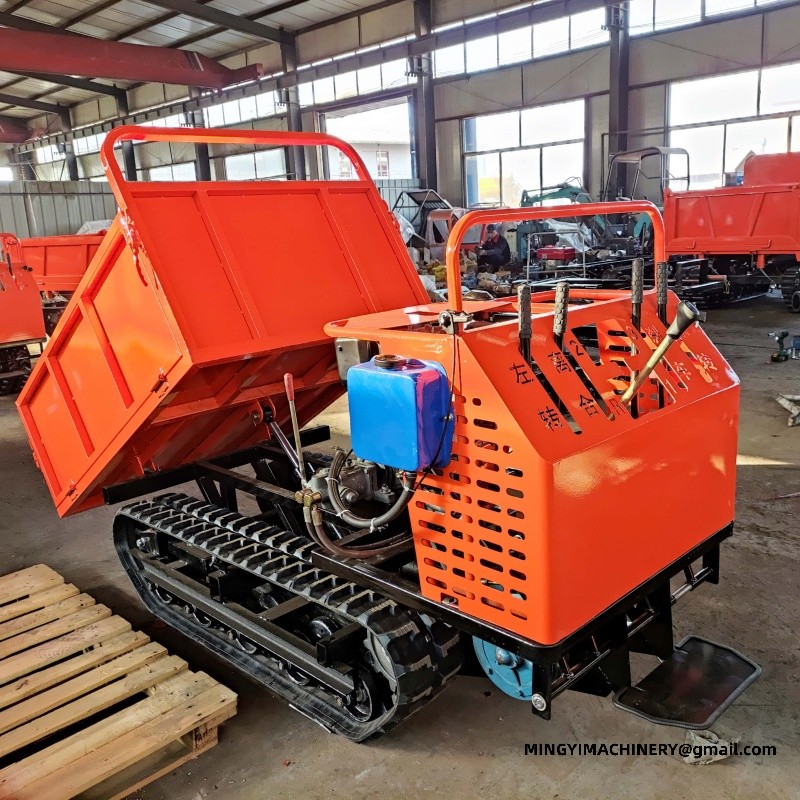
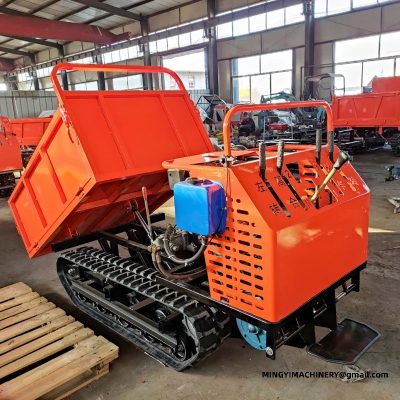
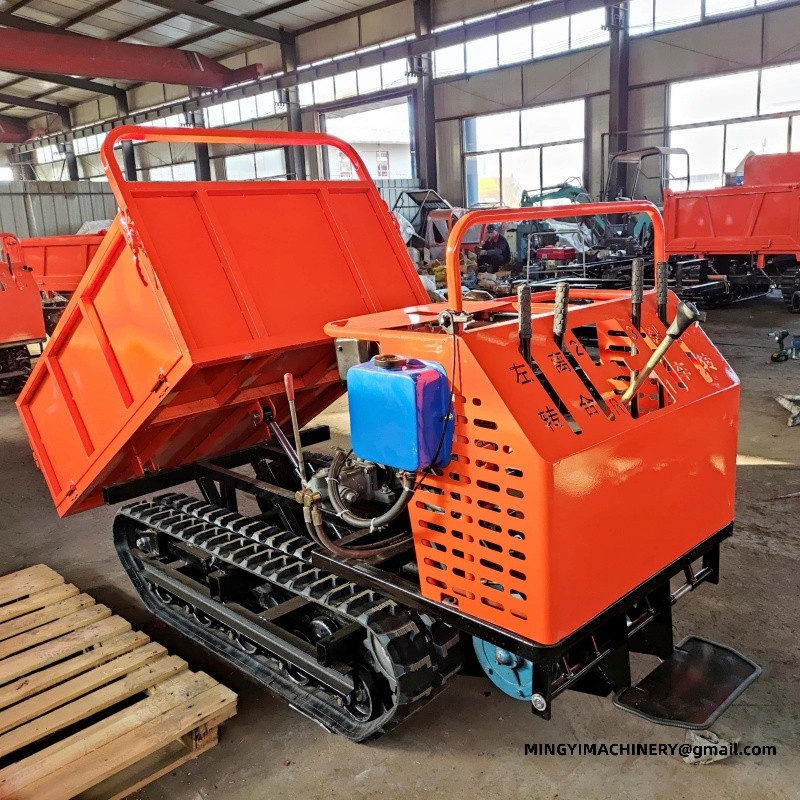
The engines and payloads below are the options offered on this crawler carrier. Output and payload are confirmed together with the route, because the gradient and the ground decide what the machine can carry before the engine rating matters.
| Output | Engine | Rated payload | Rated power |
|---|---|---|---|
| 25 hp | Engine 25 hp | 650 kg / 750 kg | — |
| 58 hp | 490 engine 58 hp | 650 kg / 750 kg | — |
| 10 hp | 186 engine 10 hp | 650 kg / 750 kg | — |
| 8 hp | 178 engine 8 hp | 650 kg / 750 kg | — |
| 12 hp | 192 engine 12 hp | 650 kg / 750 kg | — |
| 106.08 hp | 4102 turbo 78 kw*1.36=106.08 hp | 650 kg / 750 kg | 78 k W |
| 85 hp | 4102 engine 85 hp | 650 kg / 750 kg | — |
| Item | Note |
|---|---|
| Crane option | A 0.5 t or 1 t crane can be fitted for self-loading. |
| Canopy option | Simple canopy, semi enclosed canopy or fully enclosed cab. |
| Track undercarriage | Rubber or steel track undercarriage is selected against the ground. |
The symptom is usually not at the fault. A hydraulic function that has become sluggish on the machine itself may point to a filter, a relief setting or a pump, and starting with the simple checks avoids the wrong guess.
Documentation should match the machine that was actually built. The sheet supplied with the machine in that duty records the configuration as delivered, because the generic catalogue description is not what the customer needs when ordering a part.
A spares list should follow the duty cycle. A machine built for the work working every day in abrasive dust consumes filters and cutting edges far faster than the same machine used once a week, and the shelf should be stocked for the harder case.
Contamination is easier to prevent than to cure. Keeping the filler caps sealed, the funnels clean and the containers closed around the carrier is unglamorous work that shows up as reliability later.
Standing still is harder on a machine than working. Preparing the unit in daily use for a long idle period means clean fluids, a charged battery and protection for the exposed surfaces, because neglect is not the same as rest.
Starting is only the first problem. Until the equipment on site reaches working temperature the hydraulic response is slower and the seals are stiffer, and warming the machine before asking for full output avoids unnecessary strain.
Travel time is not working time, and it should be planned as its own item. The hours spent moving the model in question between jobs are hours not worked, and a trailer that matches the machine reduces them every single trip.
Later changes are easier when they were anticipated. Asking for the extra hydraulic circuit or the heavier mounting plate on the unit on the job at build time adds little and leaves the option open.
Export packing is part of the machine, not an afterthought. The equipment in service is blocked and braced inside the container so that it arrives in the same condition it left, and the load plan is decided by the dimensions rather than by what fits loosely.
Every line above comes from the build sheet for the carrier, and the final configuration is confirmed against the working conditions and the destination before production.
E-mail:sales@mingycn.com
LINE(ID):mingyicn