Reading about the carrier is easier when the page follows the life of the machine. What follows moves from selection through delivery, first weeks of work, routine care and the point at which the unit is replaced or sold on.
Machine productivity depends on what happens around it. Deliveries, other trades and the sequence of work decide how much of the shift this class of machine spends actually working rather than waiting.
Stability follows the load and its position. Knowing the rated capacity of the unit in daily use at the working radius, rather than at its best case, is what keeps handling predictable and the machine upright.
The decision is economic as well as technical. Comparing the work of reconfiguring a machine of this size against a different machine is a short calculation that usually gives a clear answer.
Replacement timing is a planning decision. Knowing the intended working life of the equipment on site lets an owner sell while the machine still has value rather than after a major repair becomes due.
Familiarisation should cover the limits as well as the controls. Knowing where the machine itself loses stability, how it behaves at full reach, and what the warning lights mean prevents the incidents that are put down to bad luck.
Branch and overhead protection matter in forestry and orchard work. Guarding around the seat of the machine in that duty is what lets the machine work under trees without a constant risk to the operator. Keeping the controls simple helps seasonal operators. The model in question that a competent driver can learn in an hour suits a farm or a contractor better than one that needs a long familiarisation.
The honest payload depends on the route. The unit on the job crossing level ground carries differently from one crossing ruts and gradients, and the conservative figure is the one that finishes the day.
Early faults are usually simple. A machine built for the work that behaves differently in its first few hours is more often mis-set than defective, and a call to the supplier at that point usually resolves it the same day.
Fuel is usually the largest controllable running demand. Operating style, correct tyre or track condition and a clean air supply all move consumption on the carrier by more than most buyers expect. Consumption is best measured over a full week rather than judged per hour. Idle time, repositioning and waiting for other trades are often the largest share of the fuel this class of machine burns on a site. Planning the work to reduce empty movement is free. Fewer repositioning cycles on the unit in daily use means less fuel, less wear on the undercarriage or tyres and more of the shift spent on productive work.
Cleaning is maintenance, not appearance. Washing the cooling surfaces and clearing packed material from the equipment on site keeps temperatures where they should be and makes the next inspection quicker and more useful. Sealed points and guarded areas deserve a look in these conditions. The machine itself working in abrasive dust benefits from checked boots, intact guards and clean breathers, all of which are quick to verify.
Most incidents around machinery come from the space rather than the machine. Exclusion zones, a clear signal person and a check on what is behind the machine built for the work before it moves cover the large majority of the risk on a working site. Slopes and edges deserve a separate check. The machine in that duty that is stable on level ground behaves differently across a gradient, and the safe working angle is a number worth knowing rather than estimating. Personal protective equipment and a stop rule are simple controls. Agreeing before work starts that anyone can stop the job is the single measure that most often prevents a serious incident near the unit on the job.
The specification should be written from the job backwards. Listing the loads, the ground and the hours first, then matching this class of machine to that list, avoids buying capacity the work never uses and avoids discovering a shortfall in the first week. A written duty list is the simplest part of the purchase. It takes an hour to note the material, the distance, the gradient and the hours per week, and it is what turns the carrier enquiry into a machine that fits.
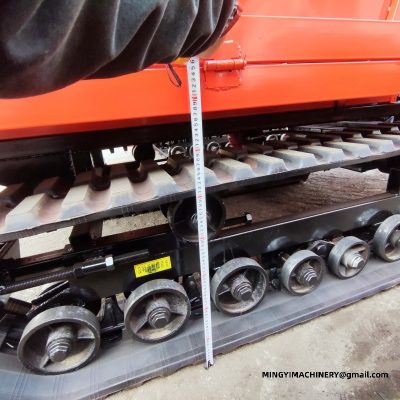
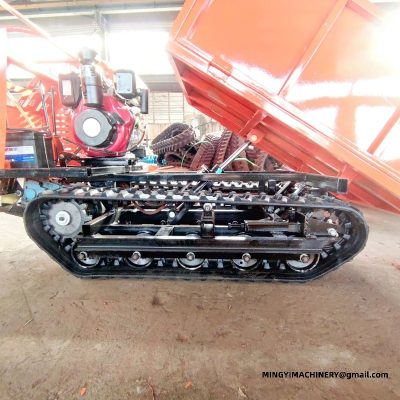
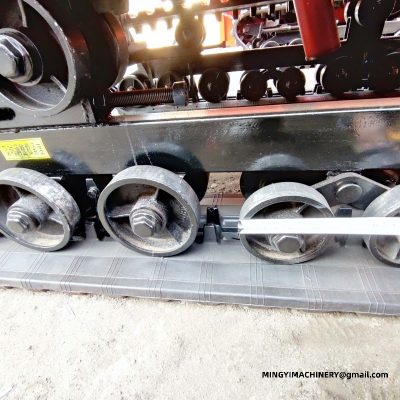
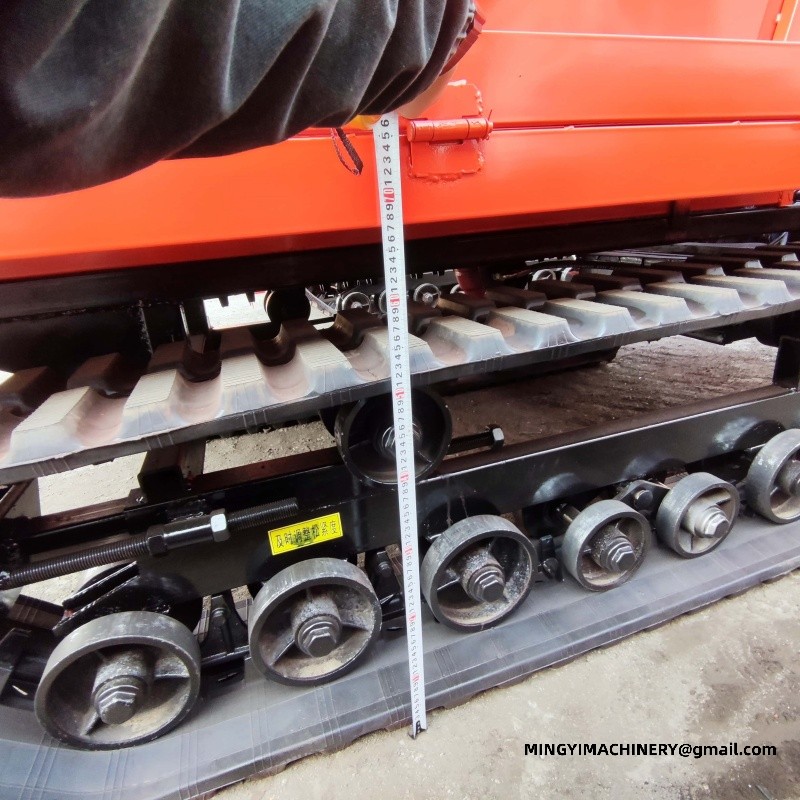
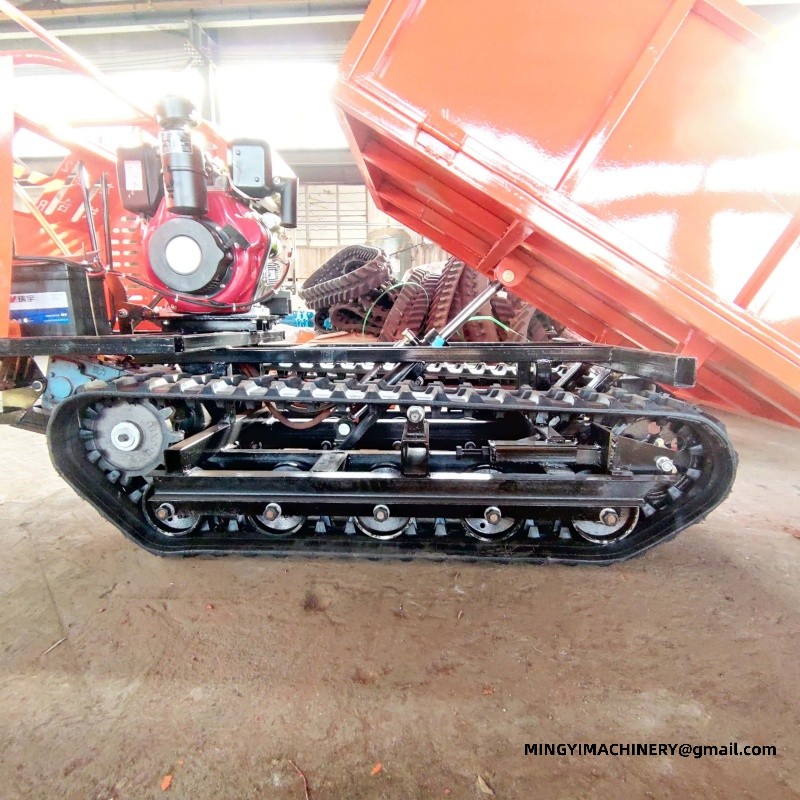
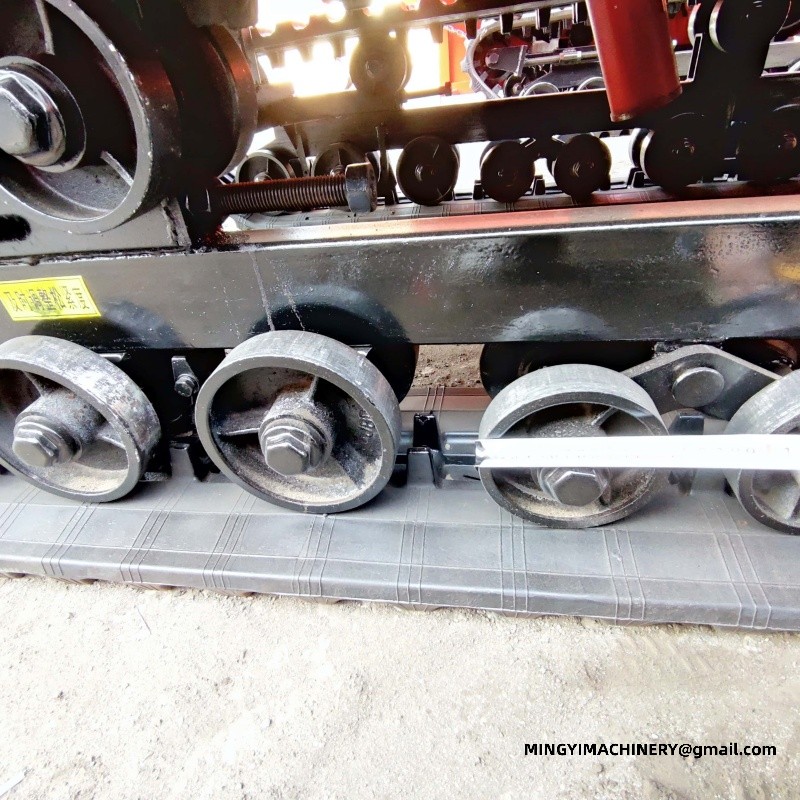
The undercarriage is the lengthy wear item. Cleaning, tension and honest inspection on a machine of this size are what decide whether it lasts several seasons or needs replacing early.
Remote diagnosis shortens most faults. A walk-around on video with the panels open often identifies the cause on the machine itself without waiting for a visit, and avoids shipping a part that turns out not to be needed.
Low temperatures also make materials behave differently. Ground that is frozen hard in the morning can be soft by midday, and planning the sequence around that is easier than fighting it with the machine in that duty.
Duty cycle is the honest measure of a machine. A machine built for the work working a few hours a week has different needs from one working two shifts, and the cooling, filtration and service intervals should follow the hours rather than the calendar. Seasonal work changes the maintenance calendar. Machines that work hard for two months and stand for ten need preparation before storage and a check before returning to work, and both are simpler than the repairs they prevent.
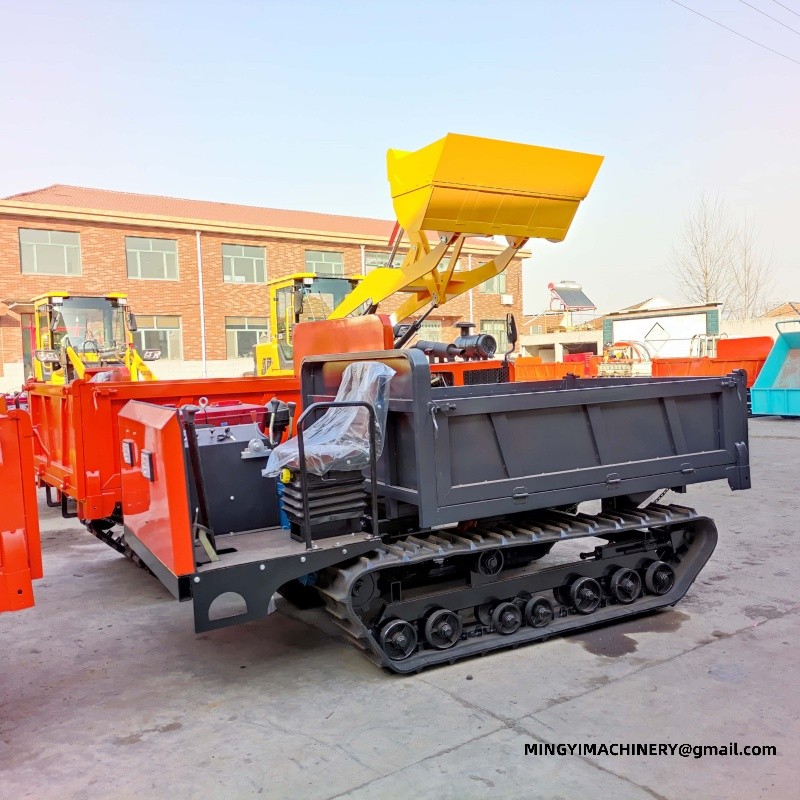
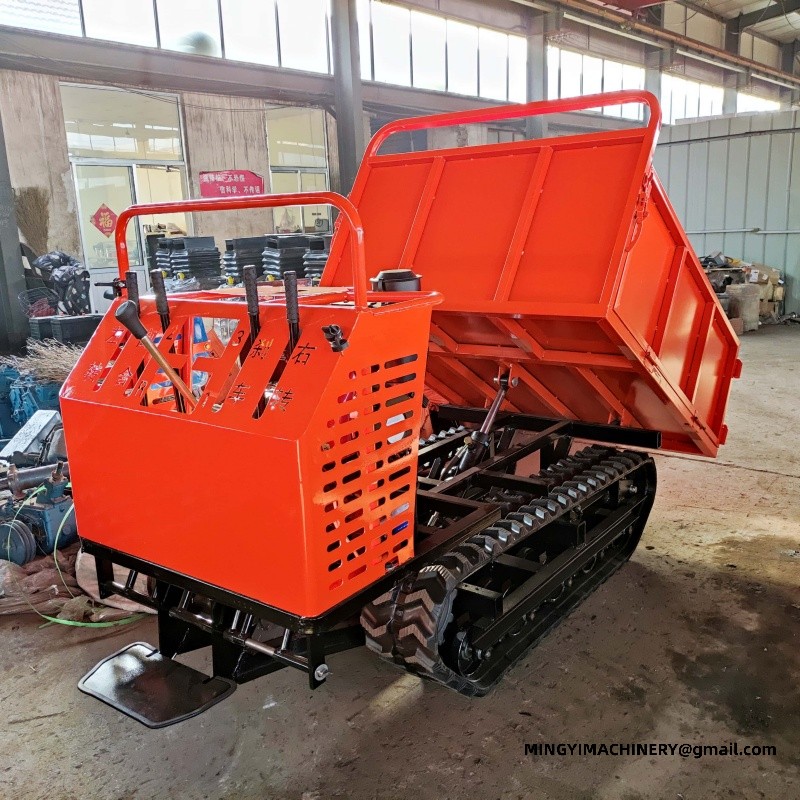
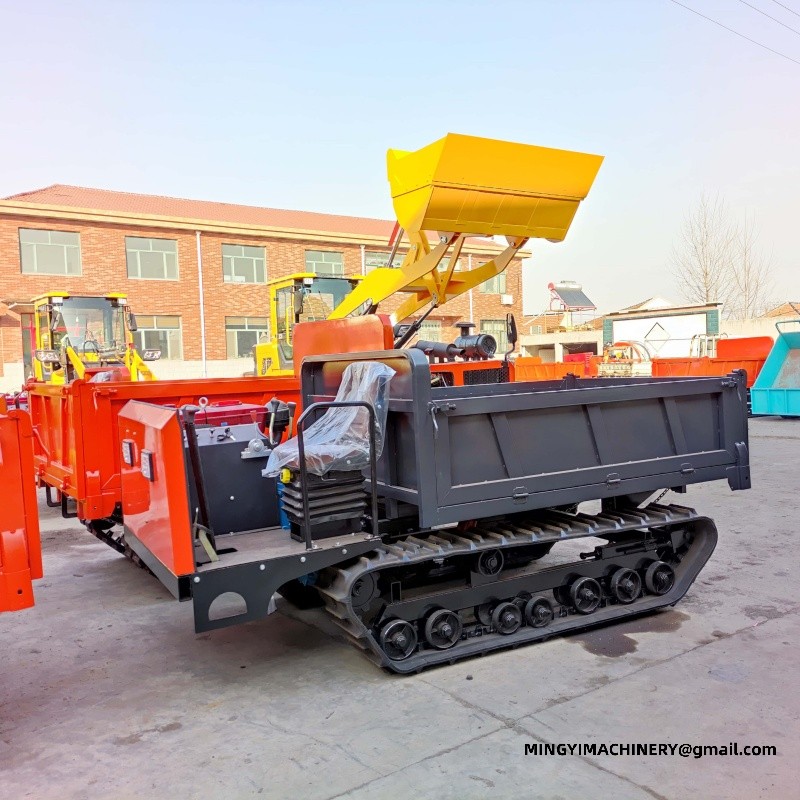
A crane turns a carrier into a loading machine. The carrier fitted with a small hydraulic crane loads itself, which removes a second machine from the job and is often the reason for choosing one.
A simple log helps. Recording hours, fuel and any adjustment made to the unit in daily use gives the workshop a history, and that history is what turns an intermittent fault into a one-visit repair instead of three.
Construction and site clearance generate the same need. Moving spoil, block and timber across rough ground is the duty the equipment on site is bought for, and the track undercarriage is what makes it possible. Farm and estate work uses the machine differently again. Feed, muck, aggregate and firewood across fields and tracks is the seasonal mix that the machine itself handles without damaging the ground.
Smaller engines suit light duty and tight plans. Where the work is short hauls on reasonable ground, the machine in that duty with a modest output does the same trips for less fuel and less weight. Larger engines suit continuous loaded work. Specifying more output on the unit on the job is justified when the gradient or the payload is fixed and the alternative is a slower cycle.
Standing still is hard on machinery. The equipment in service left for weeks benefits from a clean, dry, covered space, a charged battery and a fuel system prepared for the layoff, and all three effort very little. Before-storage preparation prevents most return-to-work faults. Draining or treating fuel, protecting exposed rods and relieving pressure where the maker specifies it are the items worth an hour when the carrier is parked.
Keeping the manuals where they can be reached matters. The unit in daily use whose documents stay with the machine gets serviced on schedule; one whose paperwork was filed elsewhere tends to run on memory instead.
Export orders add steps that domestic buyers never see. Packed dimensions, securing points, documentation and any dismantling required are all settled before the equipment on site leaves the factory, and each one affects the freight booking.
Moving the machine is part of owning it. Overall length, width and height decide which trailer or container the model in question fits, and a machine that needs a permit or an abnormal load escort is a machine with a delivery delay built in. Shipping dimensions matter as much on export orders as they do locally. Confirming the packed size of the machine in that duty before booking avoids re-booking freight after the machine is built.
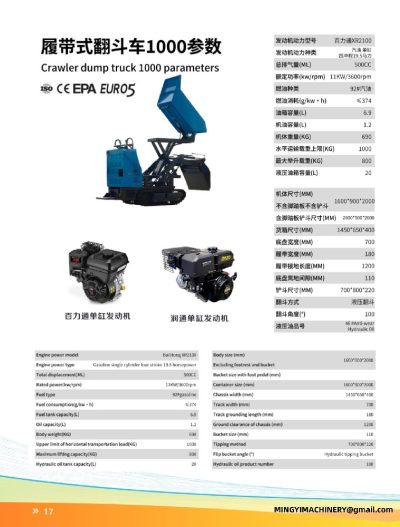
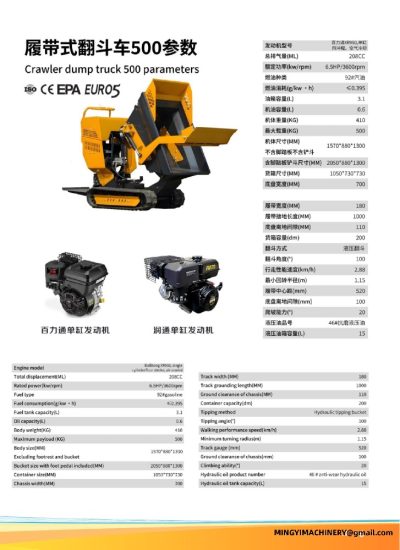
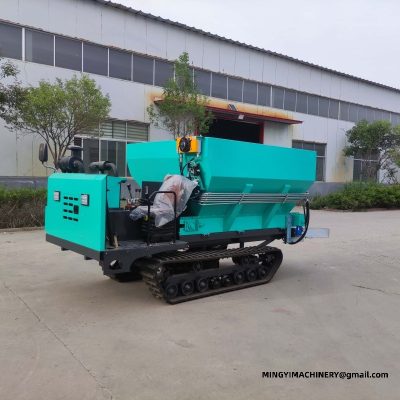
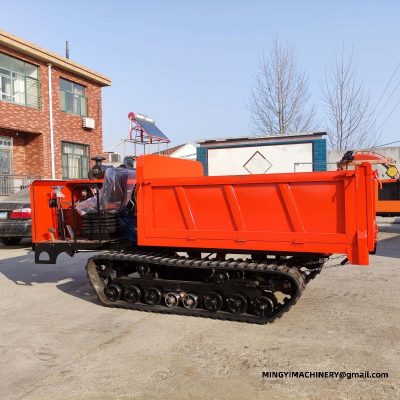
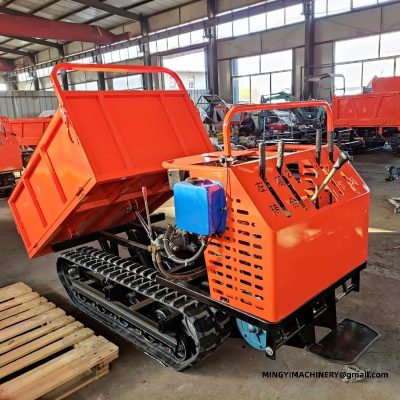
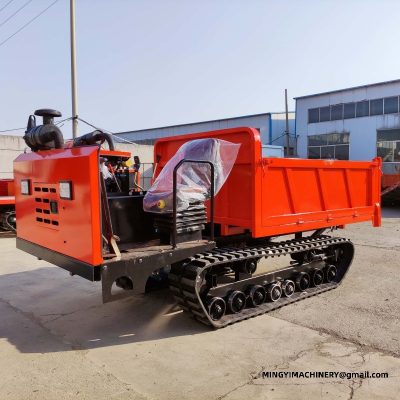
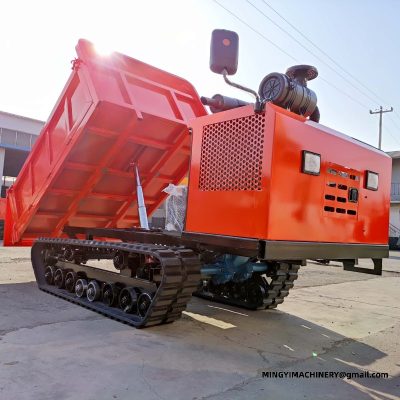
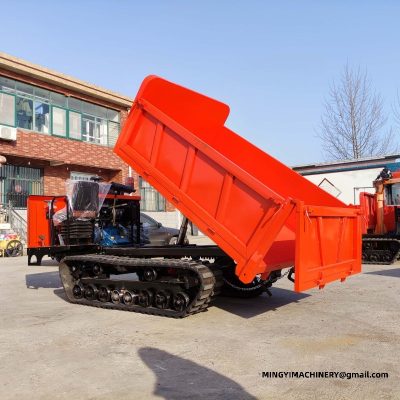
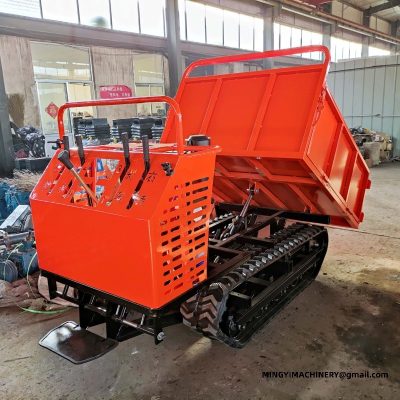
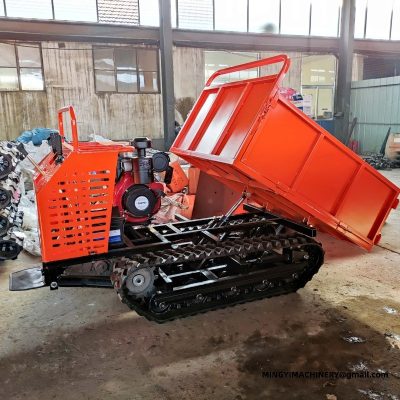
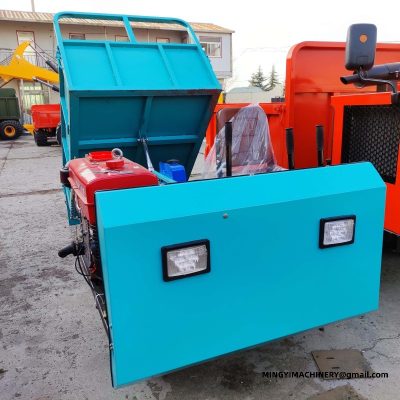
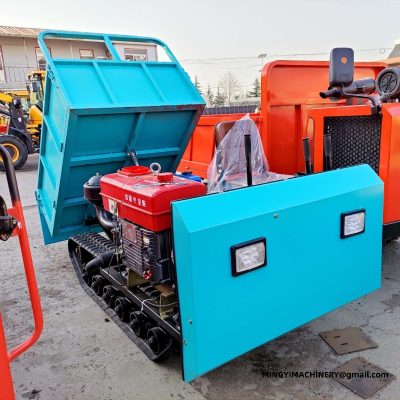
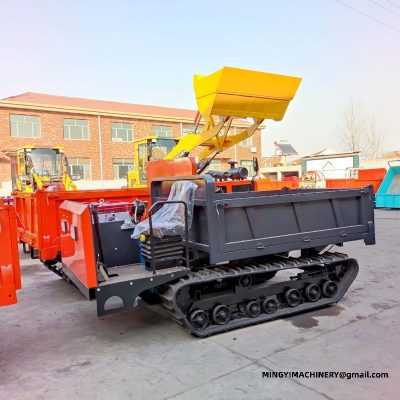
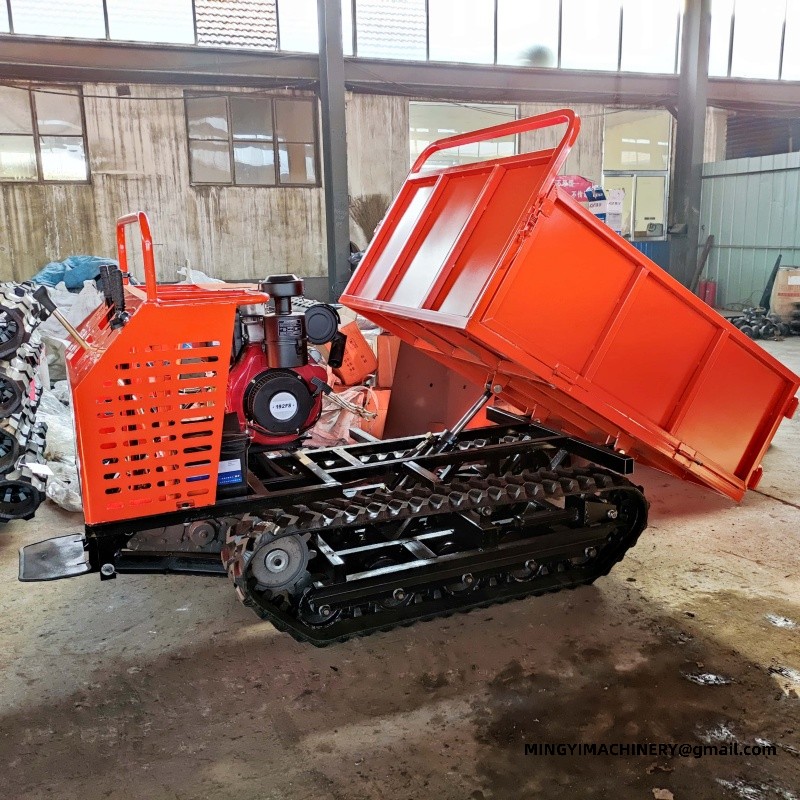
The engines and payloads below are the options offered on this crawler carrier. Output and payload are confirmed together with the route, because the gradient and the ground decide what the machine can carry before the engine rating matters.
| Output | Engine | Rated payload | Rated power |
|---|---|---|---|
| 58 hp | 490 engine 58 hp | 650 kg / 750 kg | — |
| 85 hp | 4102 engine 85 hp | 650 kg / 750 kg | — |
| 25 hp | Engine 25 hp | 650 kg / 750 kg | — |
| 8 hp | 178 engine 8 hp | 650 kg / 750 kg | — |
| 106.08 hp | 4102 turbo 78 kw*1.36=106.08 hp | 650 kg / 750 kg | 78 k W |
| 10 hp | 186 engine 10 hp | 650 kg / 750 kg | — |
| 12 hp | 192 engine 12 hp | 650 kg / 750 kg | — |
| Item | Note |
|---|---|
| Track undercarriage | Rubber or steel track undercarriage is selected against the ground. |
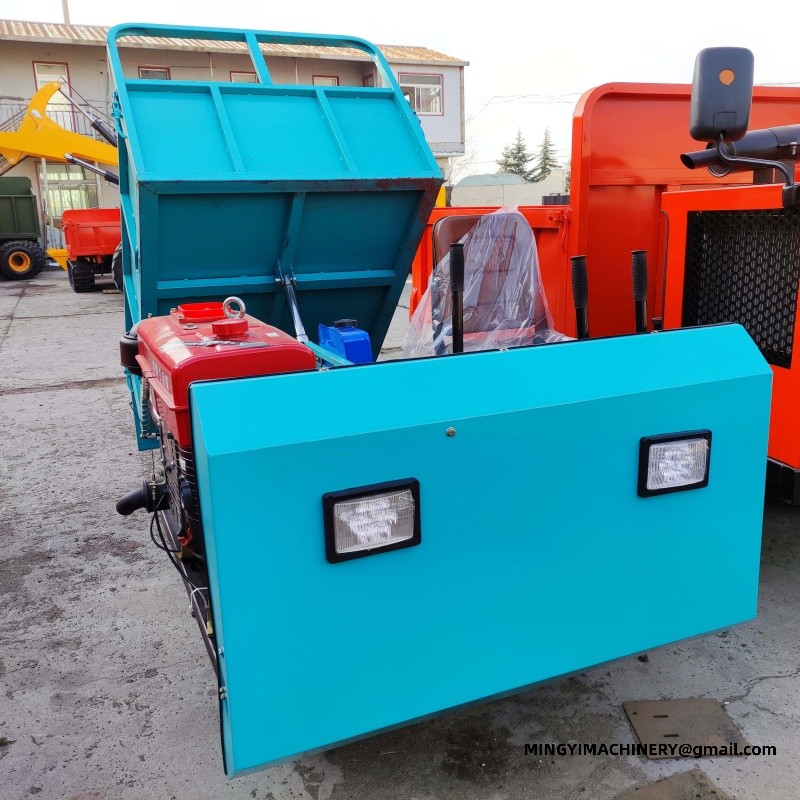
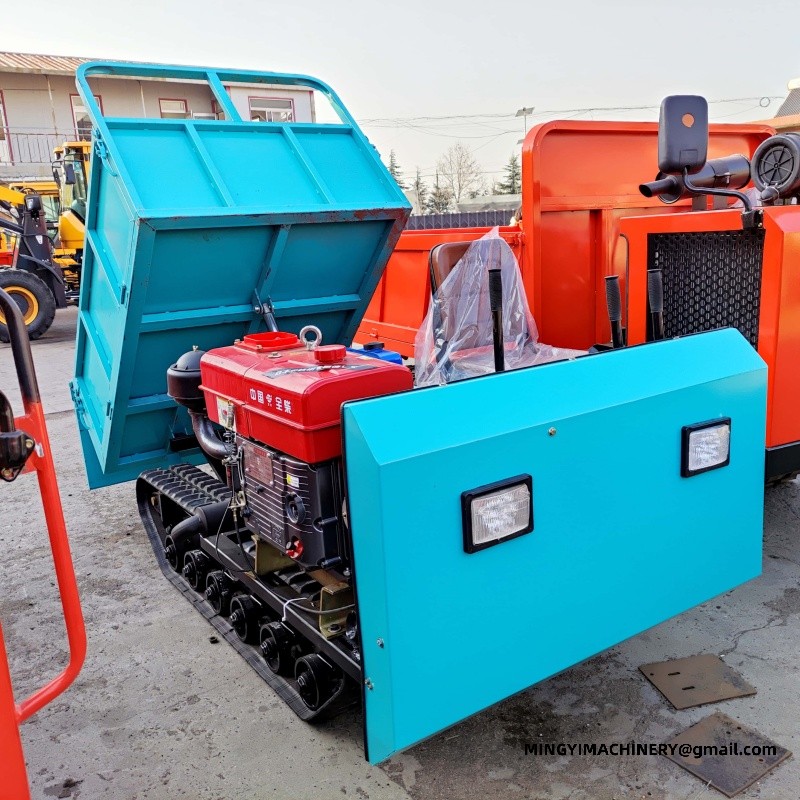
| Canopy option | Simple canopy, semi enclosed canopy or fully enclosed cab. |
| Crane option | A 0.5 t or 1 t crane can be fitted for self-loading. |
Operators notice things first because they hear the machine every day. Encouraging the person on the carrier to report small changes, and acting on them, is the most effective maintenance programme there is.
Training is simpler than repair. An hour spent with a new operator on the unit in daily use, covering the limits and the awkward cases, is the least lengthy hour in the whole ownership.
Travel time is not working time, and it should be planned as its own item. The hours spent moving the equipment on site between jobs are hours not worked, and a trailer that matches the machine reduces them every single trip.
The battery and the fuel are the first things to suffer in storage. Preparing the model in question properly at the start of the idle period avoids the flat battery and the contaminated tank that greet an unprepared machine.
How a machine travels decides how it starts on arrival. Securing the unit on the job against movement, protecting the exposed cylinders and keeping the battery and fluids in the right state for the voyage all belong to the packing list.
Retrofitting is limited by the base machine. Before anything is added to the equipment in service the hydraulic flow, the mounting interface and the stability allowance have to be checked, because those limits are what decide what is sensible.
Commissioning is where the specification meets the ground. The settings chosen for this class of machine are confirmed against the actual site, and the working pattern is adjusted before the machine is asked for a full day.
The parts that stop a machine are rarely the parts that are hardest to find. Filters, belts, seals and the ground engaging tools on a machine of this size are easy to hold and slow to replace, which is why they belong on the shelf rather than on an order.
Every line above comes from the build sheet for the equipment on site, and the final configuration is confirmed against the working conditions and the destination before production.
E-mail:sales@mingycn.com
LINE(ID):mingyicn