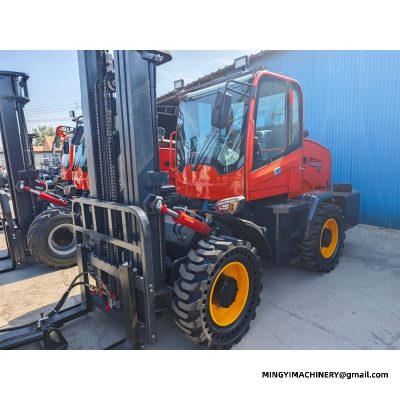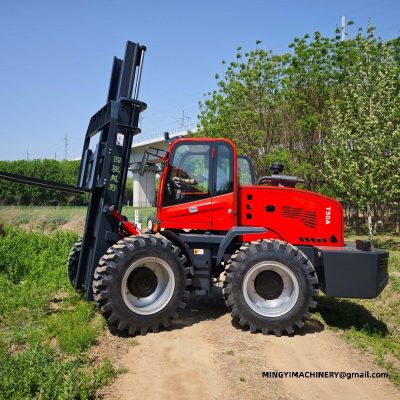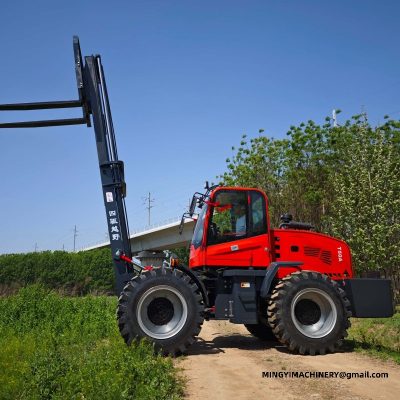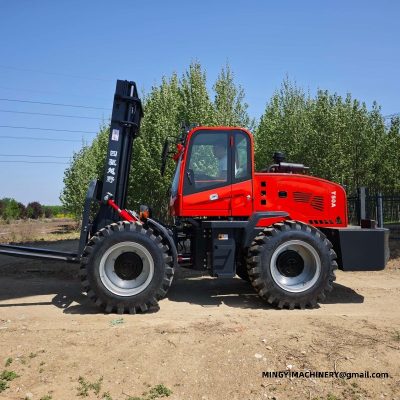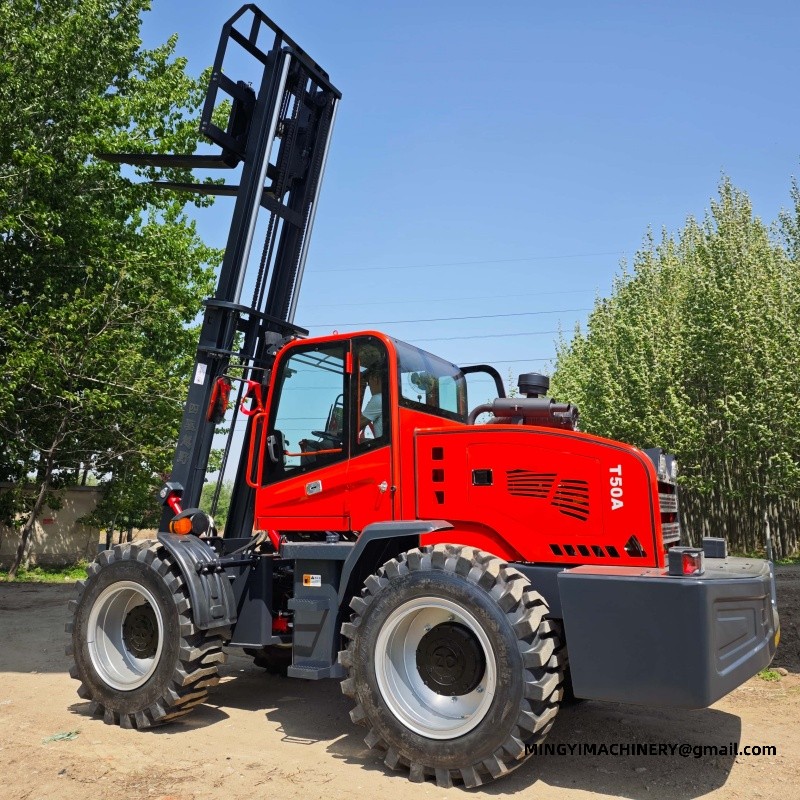
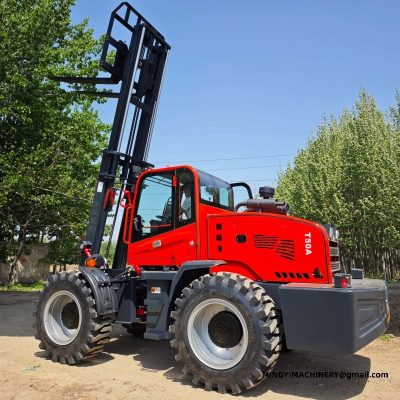
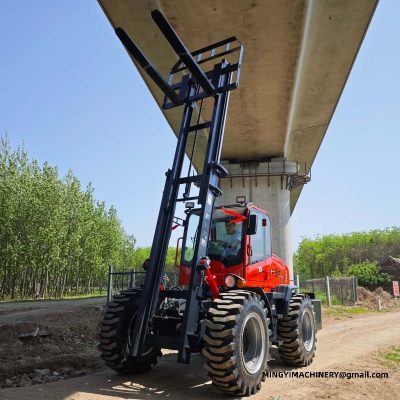
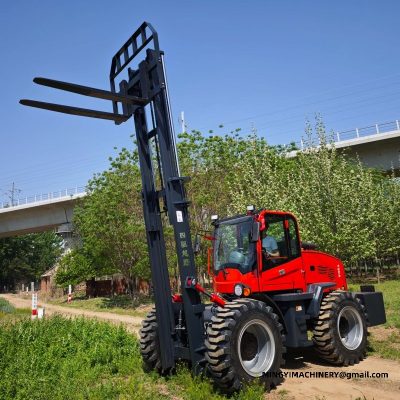
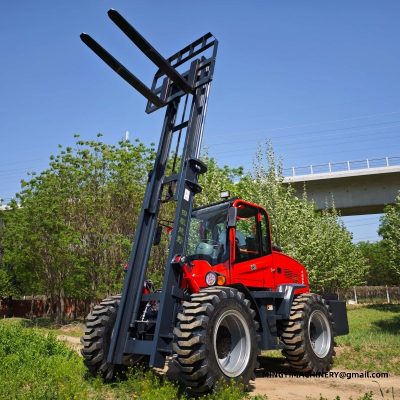
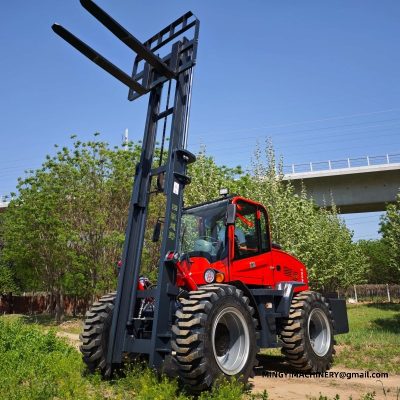
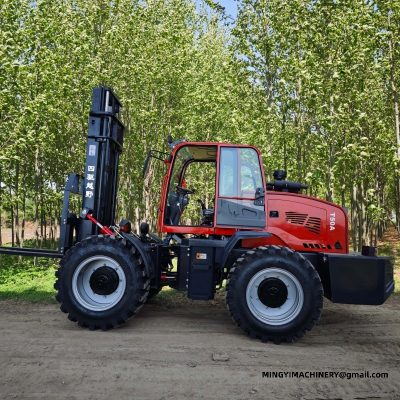
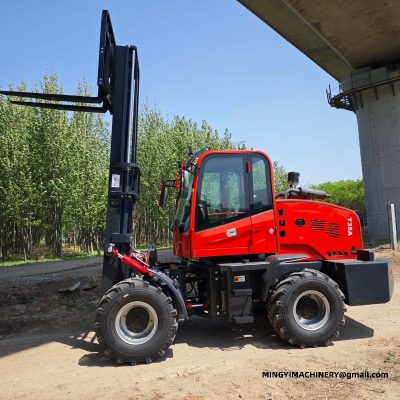
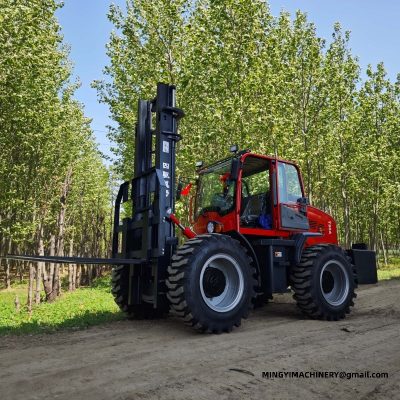
This page covers the forklift for buyers who already know the job and now need the machine. It sets out what the build includes, what can be changed, what the operator should expect in the first weeks and what the service schedule looks like.
A periodic start is better than none. Running this class of machine to operating temperature during a long layoff keeps seals and the charging system in better condition than leaving it untouched until the next job.
Duty cycle is the honest measure of a machine. The unit in daily use working a few hours a week has different needs from one working two shifts, and the cooling, filtration and service intervals should follow the hours rather than the calendar.
Planning helps more than extra lamps. Positioning the machine of this size so that the work is lit from the machine side, and keeping the route clear, does more for safety than adding light to a badly planned task.
Build options are where a standard machine becomes the right machine. Colour, guarding, lighting, seating and hydraulic provisions can usually be set at build time on the equipment on site, and are far simpler then than as a retrofit. Fleet buyers often want consistency rather than variety. Specifying the machine itself so that several units share controls, filters and service points reduces training time and keeps the parts shelf small. Customisation should still be limited to what the work needs. Each addition to the model in question is another item to maintain, so the useful question is not what can be added but what the job list actually requires.
Hydraulic services should be specified with the attachment list. Extra circuits on the machine in that duty installed at build takes far less time than a retrofit, and they are what allow the second attachment to be used at all.
Traction and flotation are two separate questions. The unit on the job may have the power for a slope and still not have the grip, so the surface, not the engine rating, is usually what limits the working day.
Access and storage are worth settling early. Where a machine built for the work will be parked, refuelled and serviced on site affects the working day more than most specification details, and it takes nothing to plan.
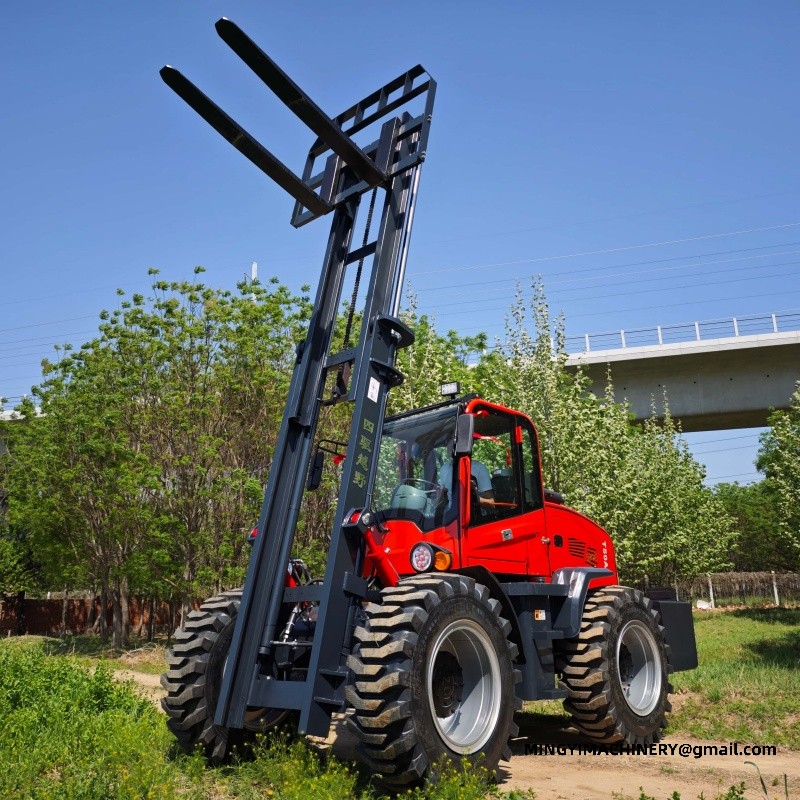
Steering response differs from a warehouse truck. Articulated steering on the equipment in service puts the rear of the machine somewhere unexpected for a new operator, and familiarisation belongs before the first real load.
Attachment decisions are best made before delivery. Specifying hydraulics and couplers at build time is simpler than adding them later, and it avoids the downtime of a workshop visit in the first month.
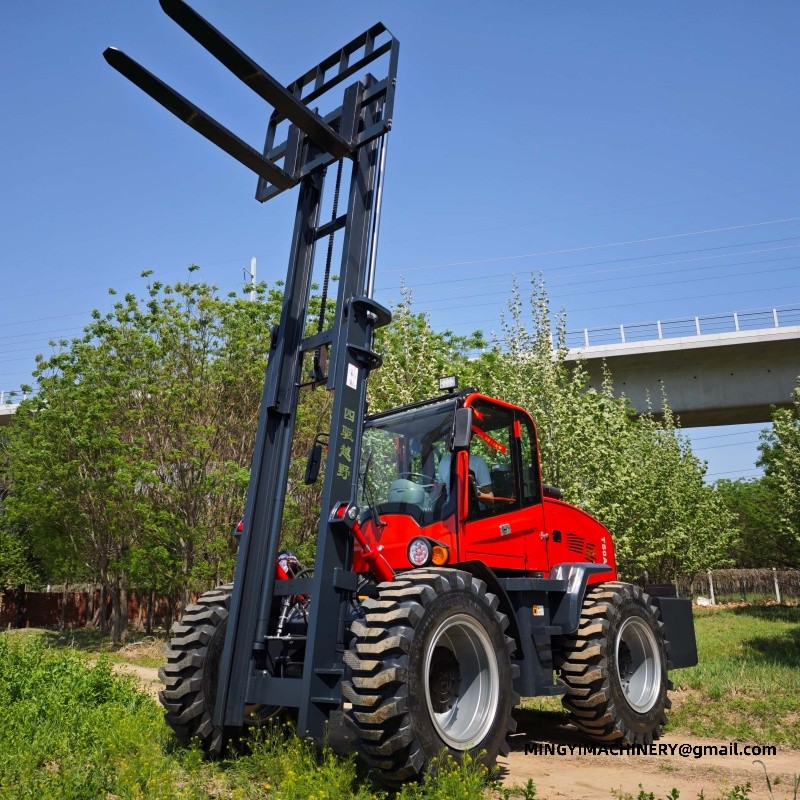
Certain parts are designed to be consumed. Knowing which items on the unit in daily use are wearing parts, and roughly how long they last in the duty the machine sees, turns replacement into a plan rather than a breakdown. Wear rate follows conditions far more than hours. A machine of this size working on abrasive ground or in mud will consume undercarriage or tyre life much faster than the same machine on clean ground.
Moving the machine is part of owning it. Overall length, width and height decide which trailer or container the machine itself fits, and a machine that needs a permit or an abnormal load escort is a machine with a delivery delay built in.
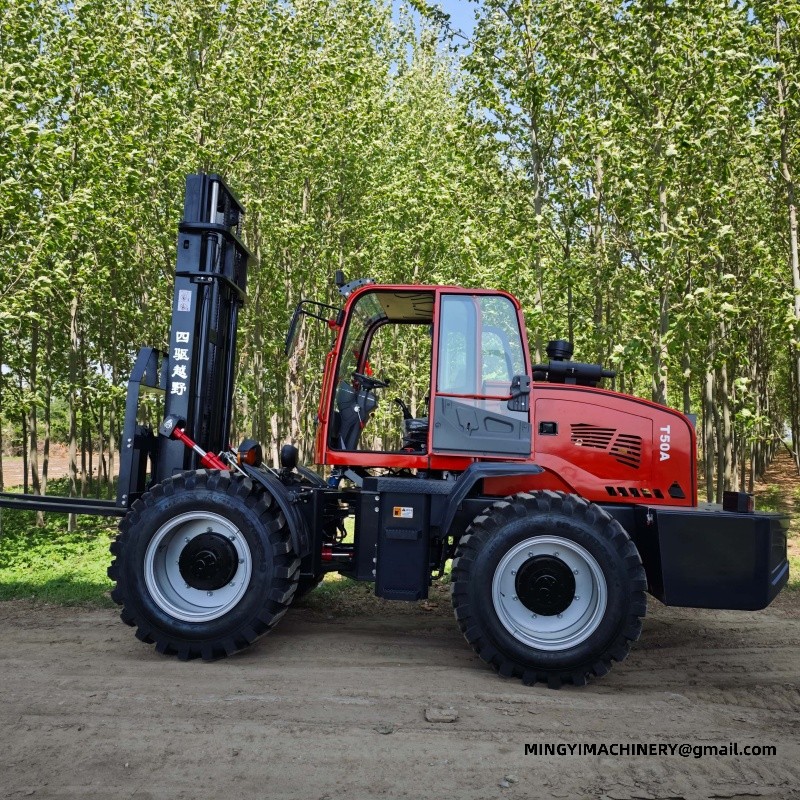
Parts availability usually decides the engine and the brand. A machine built around components the local network already carries is serviced from stock, which is the difference between a day lost and a week lost.
Ballast and attachment weight change the machine. Adding a heavy tool to the unit on the job moves the centre of gravity, and the counterweight or configuration should be matched to the tool rather than assumed.
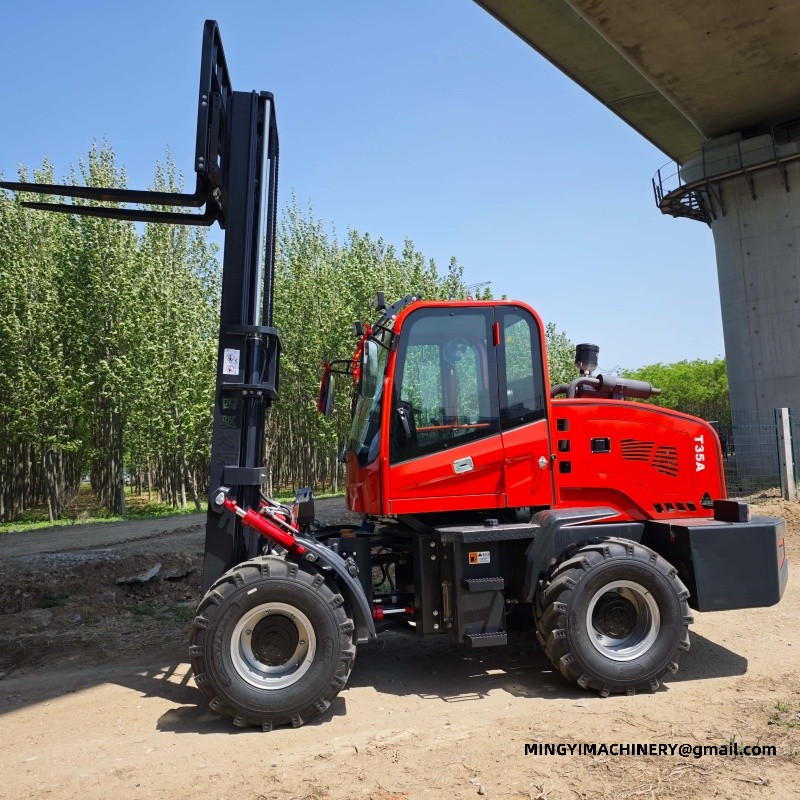
Abrasive conditions shorten service intervals. Air filters, seals and any exposed sliding surface on the equipment in service need attention more often in dusty or muddy work, and the extra checks prevent far more wear than the time they take. Cleaning is maintenance, not appearance. Washing the cooling surfaces and clearing packed material from the forklift keeps temperatures where they should be and makes the next inspection quicker and more useful. Sealed points and guarded areas deserve a look in these conditions. This class of machine working in abrasive dust benefits from checked boots, intact guards and clean breathers, all of which are quick to verify.
Resale starts at purchase. Specification choices, service records and the condition of wearing parts are what a buyer looks at, and the unit in daily use that has been maintained on schedule is worth more than one that merely looks clean. Records are part of the asset. Keeping the service history and the hour records with a machine of this size makes it easier to sell, easier to insure and easier to justify the replacement machine internally.
Service intervals exist because wear is predictable. Following the maker schedule on the machine itself takes far less time than repairing the damage that follows a missed oil change or a filter left in place past its life.
Emissions documentation is part of engine selection for some destinations. Confirming which units can be supplied and documented for the destination country is worth doing at enquiry stage rather than after the build sheet is signed. Matching the engine to the duty matters more than the peak rating. The machine in that duty that spends its day at part load benefits from a different setup than one that works at full output, and the difference shows in fuel use over a season.
Keeping a spare and the means to change it is sensible. On a remote site the difference between a delay and a day lost is often whether a machine built for the work carries a spare wheel and a jack that suits it.
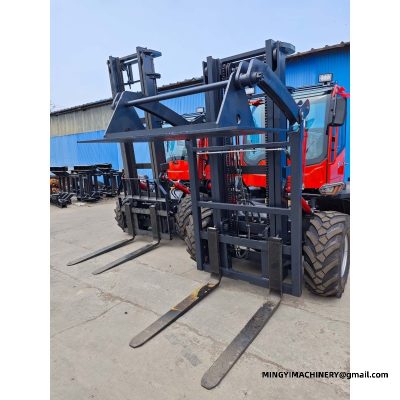
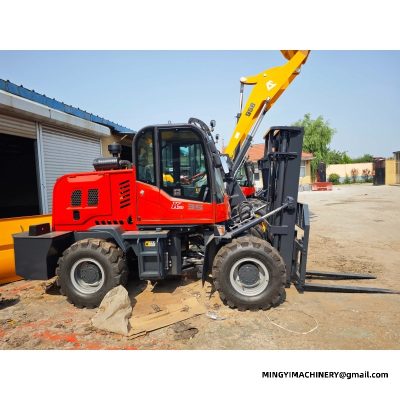
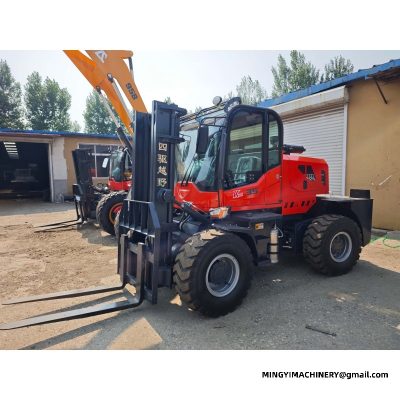
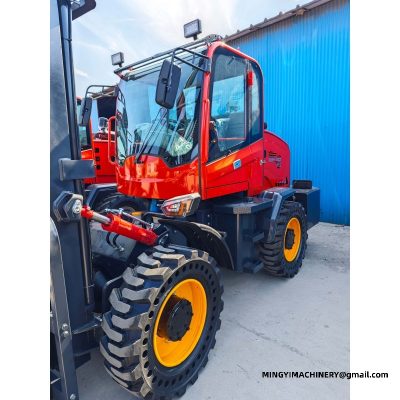
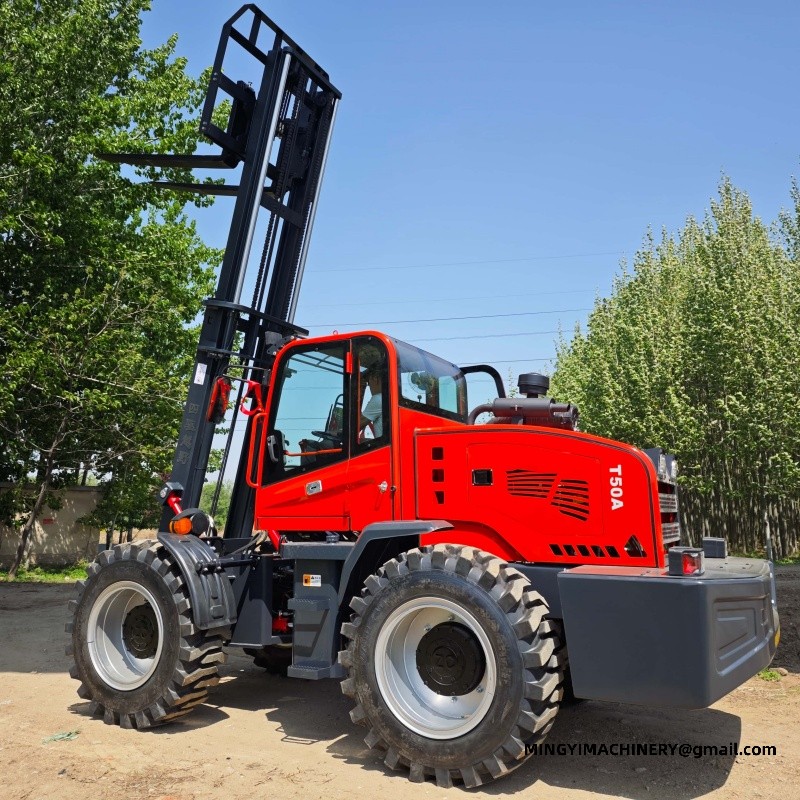
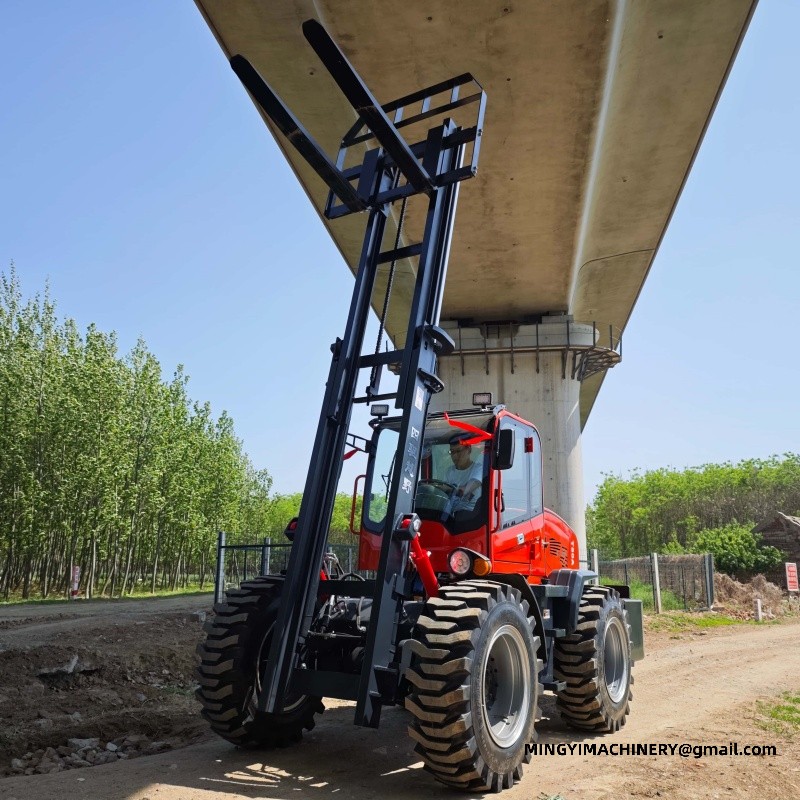
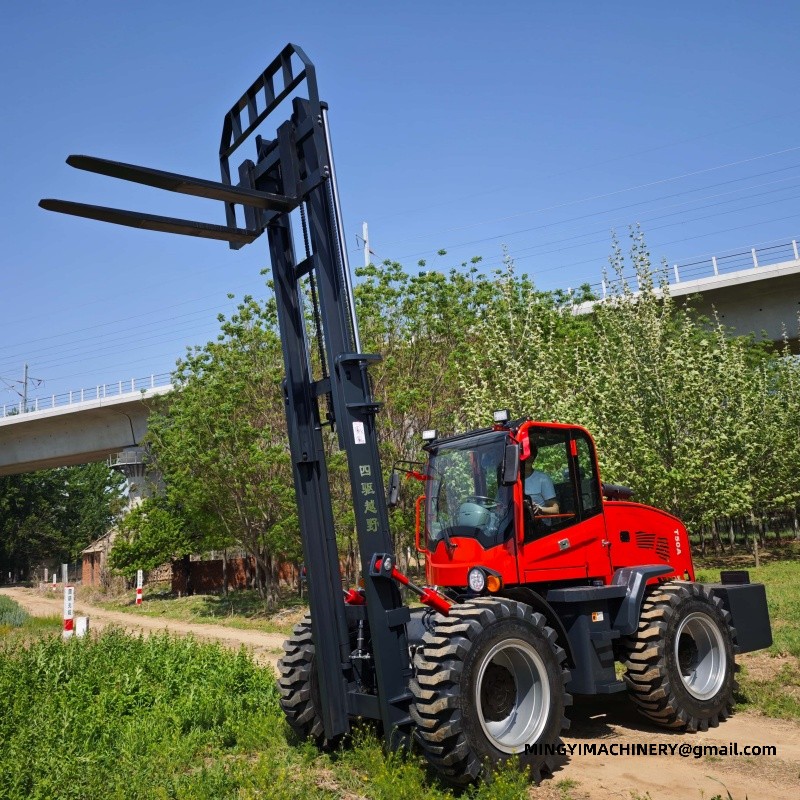
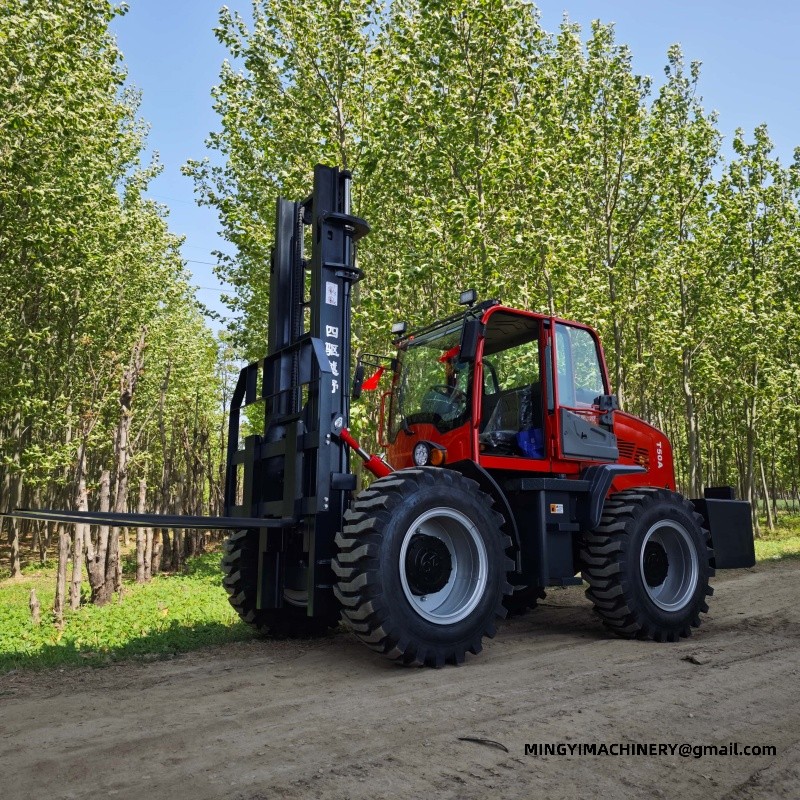
The models below are the four-wheel drive rough terrain forklifts in this range. Capacity, mast, axle and dimensional data are read together, because the load chart at the working height is what the job is actually limited by.
| Model | Wheelbase | Rated lift capacity | Engine | cab | Gradeability | Axle | Overall size | Lift height |
|---|---|---|---|---|---|---|---|---|
| 3.5 trear articulated | 1875 mm | 3500 kg | 49036.8 kw | new electrophoretic deluxe round canopy | 45 deg | heavy cast steel wheel-side reduction axle | 3450 x 1850 x 2250 mm | Lift height 3-6 m |
| CPCD-50 short wheelbase | 2160 mm | 5000 kg | 4102 turbo 78 kw*1.36=106.8 hp | new electrophoretic deluxe round canopy | 45 deg | heavy cast steel wheel-side reduction axle | 4450 x 2150 x 2600 mm | Lift height 3-6 m |
| 3.5 tfront articulated | 2060 mm | 3500 kg | 49036.8 kw | new electrophoretic deluxe round canopy | 45 deg | heavy cast steel wheel-side reduction axle | 3950 x 1850 x 2380 mm | Lift height 3-6 m |
| 4 tfront articulated | 2060 mm | 4000 kg | 410265 kw*1.36=88.4 hp | new electrophoretic deluxe round canopy | 45 deg | heavy cast steel wheel-side reduction axle | 4050 x 1950 x 2470 mm | Lift height 3-6 m |
| CPCD-35 short wheelbase | 1875 mm | 3500 kg | 49036.8 kw | new electrophoretic deluxe round canopy | 45 deg | heavy cast steel wheel-side reduction axle | 3730 x 1850 x 2380 mm | Lift height 3-6 m |
| Item | Note |
|---|---|
| Attachments | Side shift, fork positioner, drum clamp, bale clamp and load stabiliser are the attachments most often specified with this range. |
| Mast and fork options | Two-stage 3 m / 3.5 m / 4 m / 4.5 m masts and three-stage 4.5 m / 5 m / 6 m masts are matched to the load chart before the truck is built. |
| Tyre options | Chevron pattern, semi-solid and solid tyres are available; solid tyres suit scrap and foundry work, semi-solid suits mixed ground. |
An added function should pay for itself quickly. Whether the unit in daily use gains a different bucket, a hydraulic service or a protection package, the test is the number of days a year it is actually used.
Machines rarely fail without warning. A change in sound, a slower function or a new leak on the equipment on site is the machine saying something early, and listening then takes a fraction of the time that waiting does.
Winter is hard on rubber and on seals as much as on the engine. Parking the model in question under cover, keeping the tracks or tyres off standing water and checking the hoses for cracking are all part of the season.
Downtime is simplest when it is planned. Booking the service for the unit on the job in the quiet part of the season takes nothing from the schedule, while the same work in the busy weeks gives up a day of output every time.
A good handover covers the awkward cases, not just the easy ones. Starting the equipment in service on a slope, turning in a confined space and recovering from soft ground are the situations an operator should meet first with someone beside them.
Export packing is part of the machine, not an afterthought. This class of machine is blocked and braced inside the container so that it arrives in the same condition it left, and the load plan is decided by the dimensions rather than by what fits loosely.
Dust is the enemy of every rotating joint. Keeping the radiator and the air intake of a machine of this size clean, and cleaning them before they are blocked rather than after, is what separates a machine that lasts from one that overheats.
Every line above comes from the build sheet for the equipment on site, and the final configuration is confirmed against the working conditions and the destination before production.
E-mail:sales@mingycn.com
LINE(ID):mingyicn