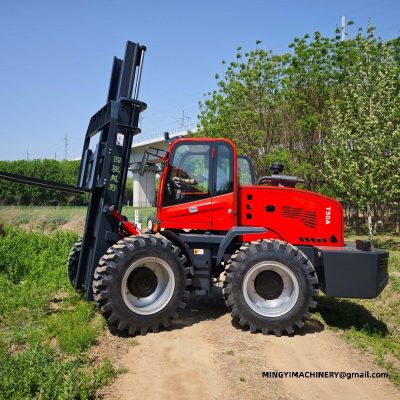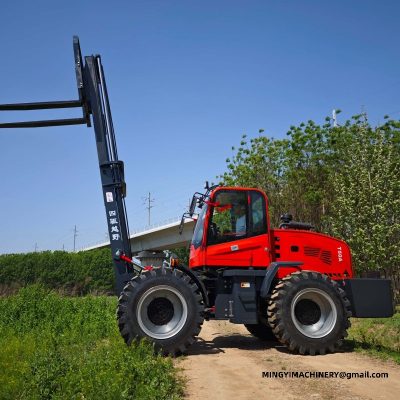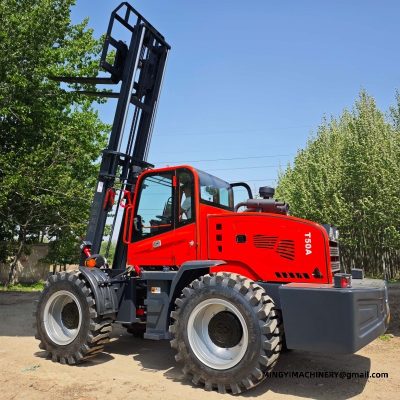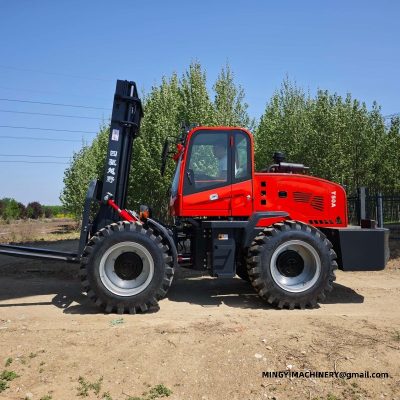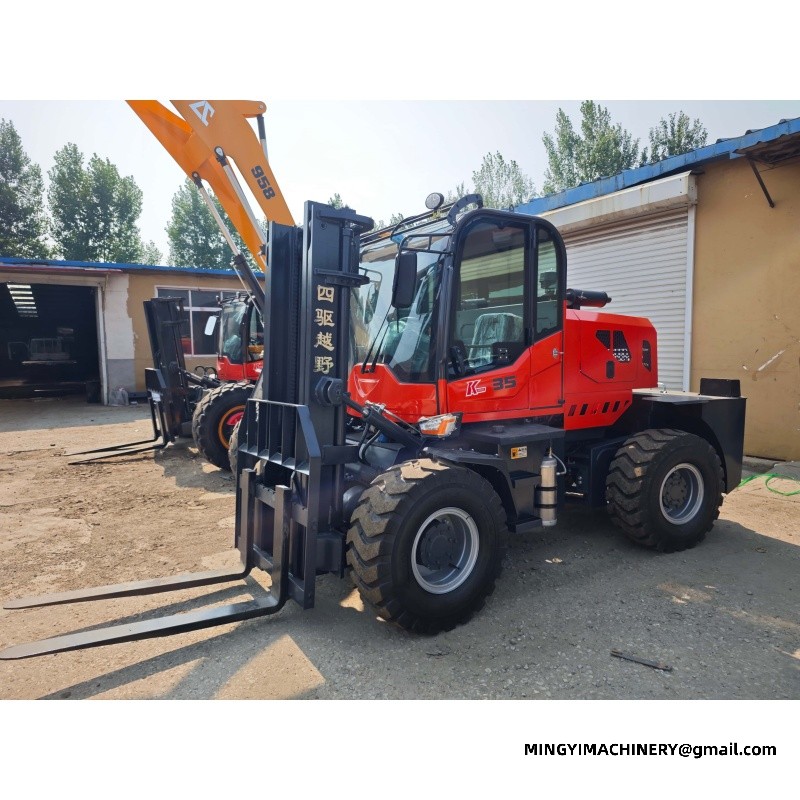
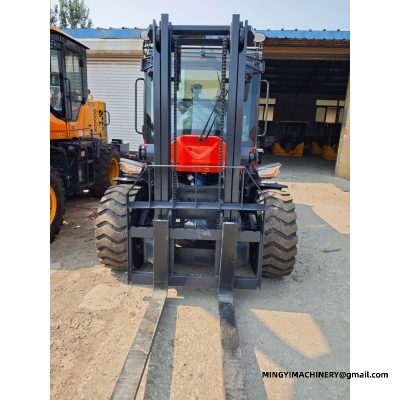
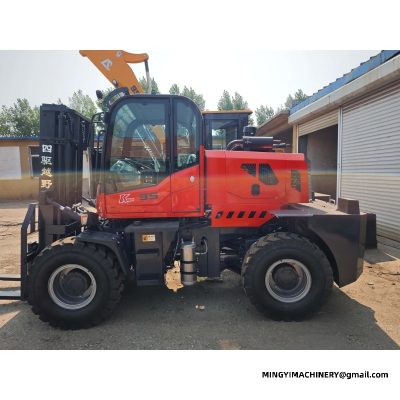
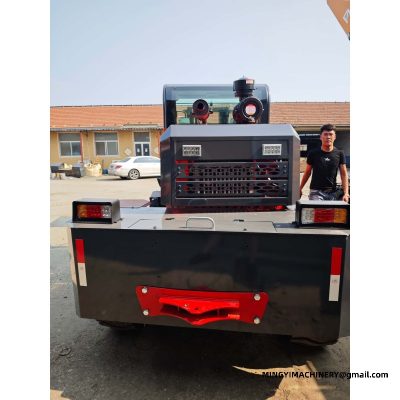
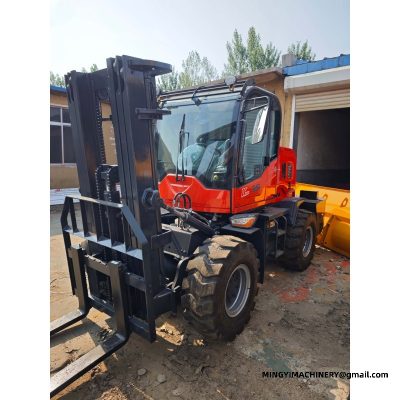
The forklift is usually bought to replace something, whether a method, an older machine or a hired unit. The notes below are written for that comparison: what changes on day one, what stays the same and what to check before the switch is made.
Standing still is hard on machinery. This class of machine left for weeks benefits from a clean, dry, covered space, a charged battery and a fuel system prepared for the layoff, and all three effort very little. Before-storage preparation prevents most return-to-work faults. Draining or treating fuel, protecting exposed rods and relieving pressure where the maker specifies it are the items worth an hour when the unit in daily use is parked.
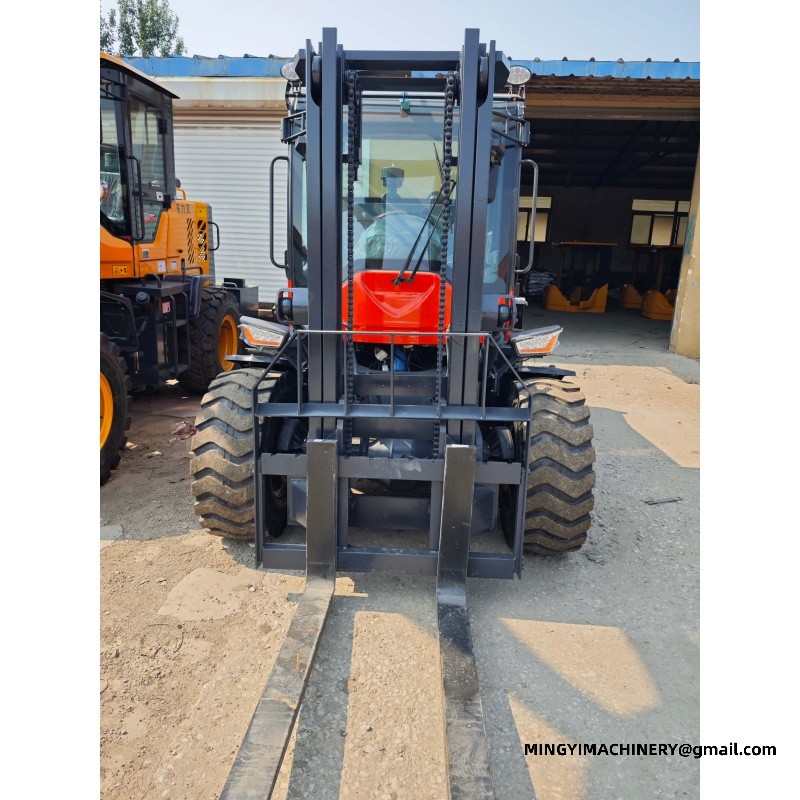
Export orders add steps that domestic buyers never see. Packed dimensions, securing points, documentation and any dismantling required are all settled before a machine of this size leaves the factory, and each one affects the freight booking. Container loading is a planning exercise. Confirming how the equipment on site is packed and how many units fit a container is what turns a per-unit freight estimate into a delivered figure the buyer can actually plan against. Documentation should be agreed at order stage. The commercial invoice, packing list and any certificate required at destination are part of shipping the machine itself, and missing papers delay clearance longer than the voyage takes.
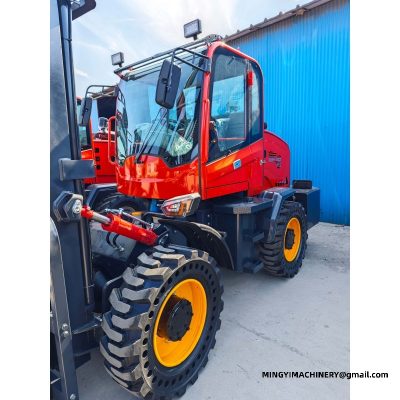
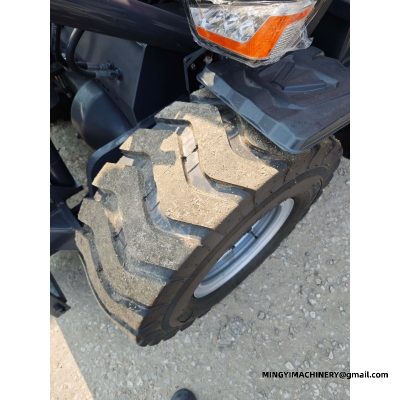
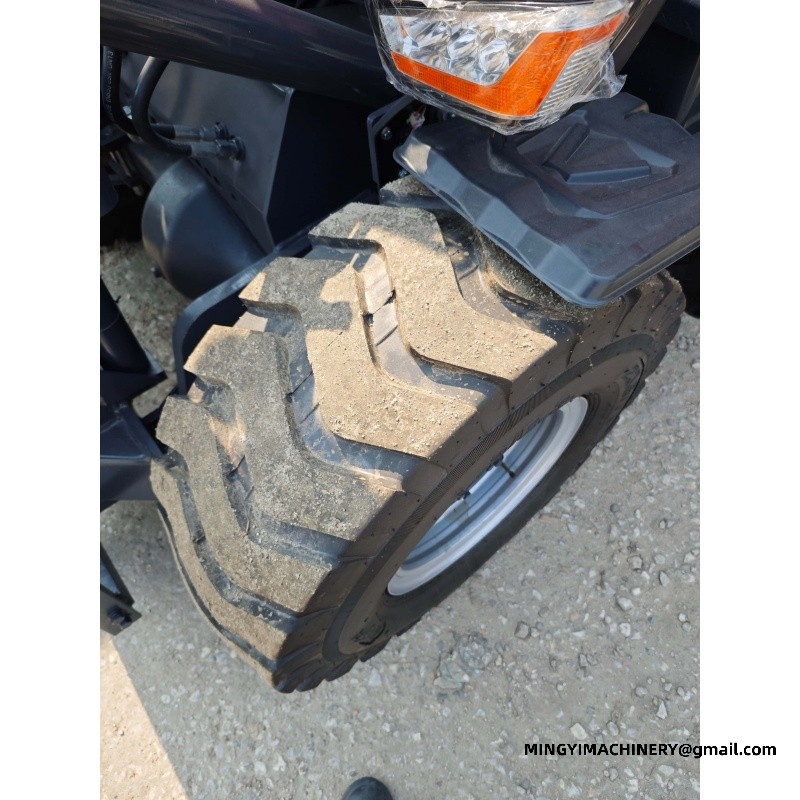
Tyre type follows the ground and the debris. Pneumatic chevron tyres suit soft ground, while semi-solid and solid tyres suit scrap, foundry and demolition work where punctures stop the day on the model in question. Keeping a spare and the means to change it is sensible. On a remote site the difference between a delay and a day lost is often whether the machine in that duty carries a spare wheel and a jack that suits it.
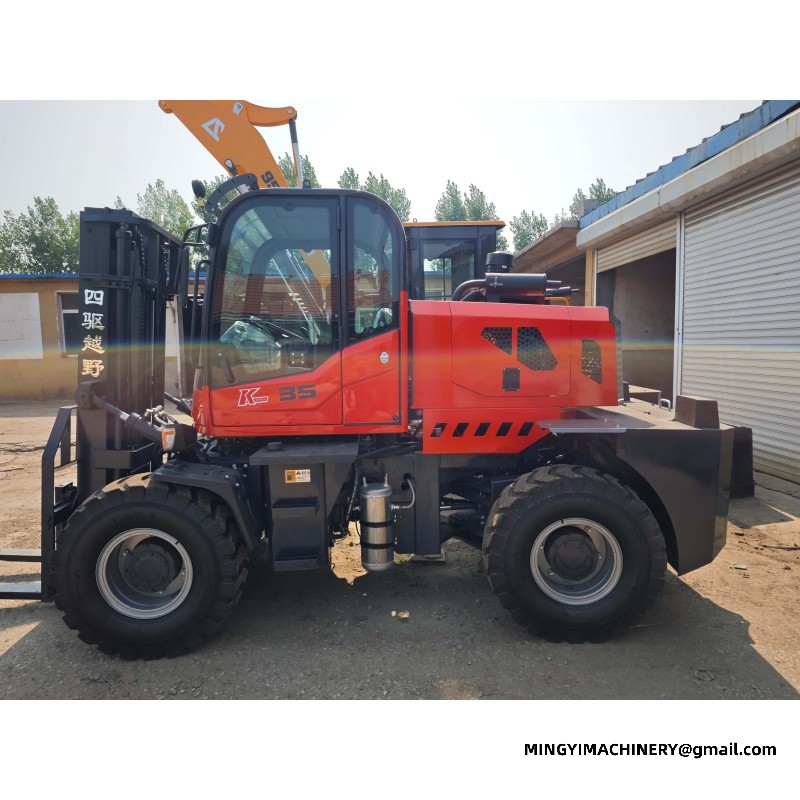
Working after daylight changes the risk. Lighting coverage on the machine built for the work and across the working area, plus high-visibility clothing for anyone on foot, are the items that make low-light work practical. Visibility from the seat is different at night. Reflections, shadows and glare all hide detail, so the unit on the job used after dark benefits from clean lenses, working wipers and a slower working pace. Planning helps more than extra lamps. Positioning the equipment in service so that the work is lit from the machine side, and keeping the route clear, does more for safety than adding light to a badly planned task.
Cold changes how a machine starts and how it warms up. Allowing the forklift to reach operating temperature before loading it, and using the correct grade of oil and fuel for the season, prevents most cold-start problems. Batteries and fluids are the parts that notice the cold first. This class of machine kept on a maintainer through a freezing spell starts on the first turn, while one left standing is the usual cause of a lost morning. Low temperatures also make materials behave differently. Ground that is frozen hard in the morning can be soft by midday, and planning the sequence around that is easier than fighting it with the unit in daily use.
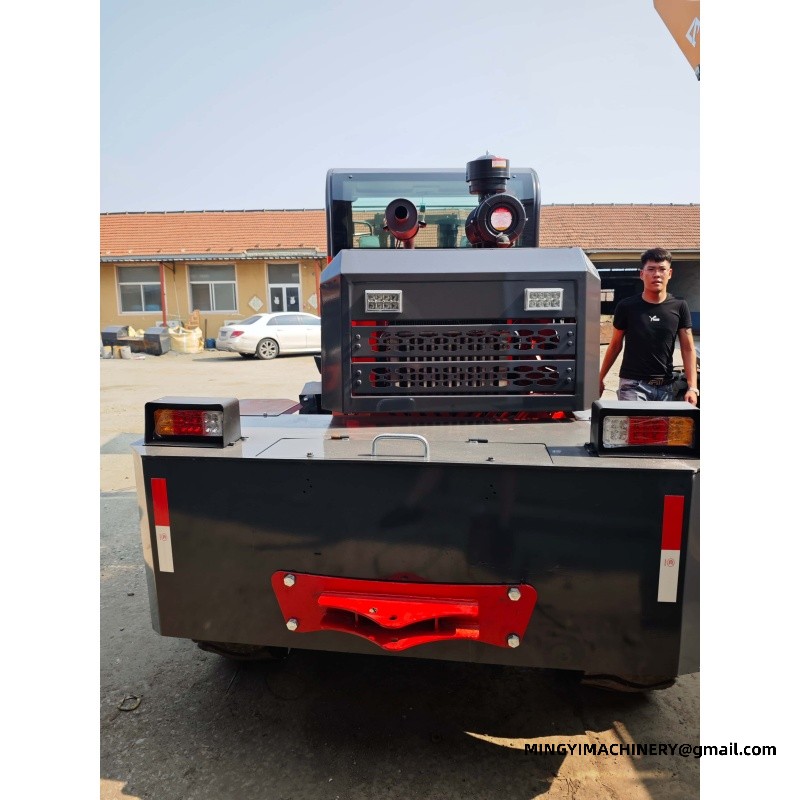
The order should state the configuration in writing. Engine, attachments, colour, documents and any market requirement are clearer on the build sheet for a machine of this size than in a conversation after delivery. Delivery planning includes the receiving end. Knowing whether the equipment on site will be craned, driven or forked off, and whether the site can accept it, is settled before dispatch rather than on the day.
Planning the work to reduce empty movement is free. Fewer repositioning cycles on the machine itself means less fuel, less wear on the undercarriage or tyres and more of the shift spent on productive work.
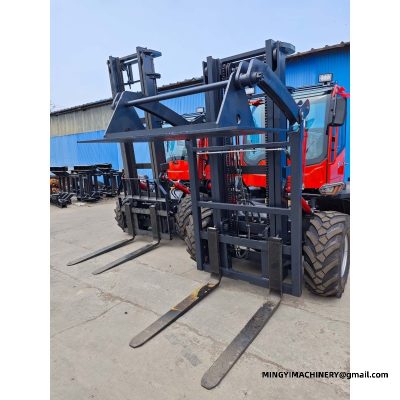
Capacity is a chart, not a number. The rating of the machine in that duty applies at a stated load centre and height, and the honest way to compare machines is to read the chart at the height and reach the work actually needs. Mast choice follows the stacking height. The model in question specified with a two-stage mast lifts lower and travels better under a doorway, while a three-stage mast reaches higher and gives up some residual capacity. Forks and carriage matter as much as the mast. Correct fork length and a carriage suited to the load on the unit on the job make the difference between a stable lift and one that has to be repeated.
Support after delivery is a parts question. Filters, belts, hoses and the wearing items specific to the equipment in service are what a buyer should plan to hold before the first service interval rather than order after a failure.
Familiarisation should cover the limits as well as the controls. Knowing where the forklift loses stability, how it behaves at full reach, and what the warning lights mean prevents the incidents that are put down to bad luck.
Fleet buyers often want consistency rather than variety. Specifying the unit in daily use so that several units share controls, filters and service points reduces training time and keeps the parts shelf small. Customisation should still be limited to what the work needs. Each addition to a machine of this size is another item to maintain, so the useful question is not what can be added but what the job list actually requires.
Ground decides more of the outcome than power does. Soft, wet or loose surfaces call for a wider footprint and lower ground pressure, while hard standing allows a narrower machine that turns in less space and travels faster between tasks. The working surface should be surveyed before the model in question is specified. A machine that is stable on compacted gravel can be unusable on the same site after rain, and the difference shows up as lost days rather than as a fault. Traction and flotation are two separate questions. The machine itself may have the power for a slope and still not have the grip, so the surface, not the engine rating, is usually what limits the working day.
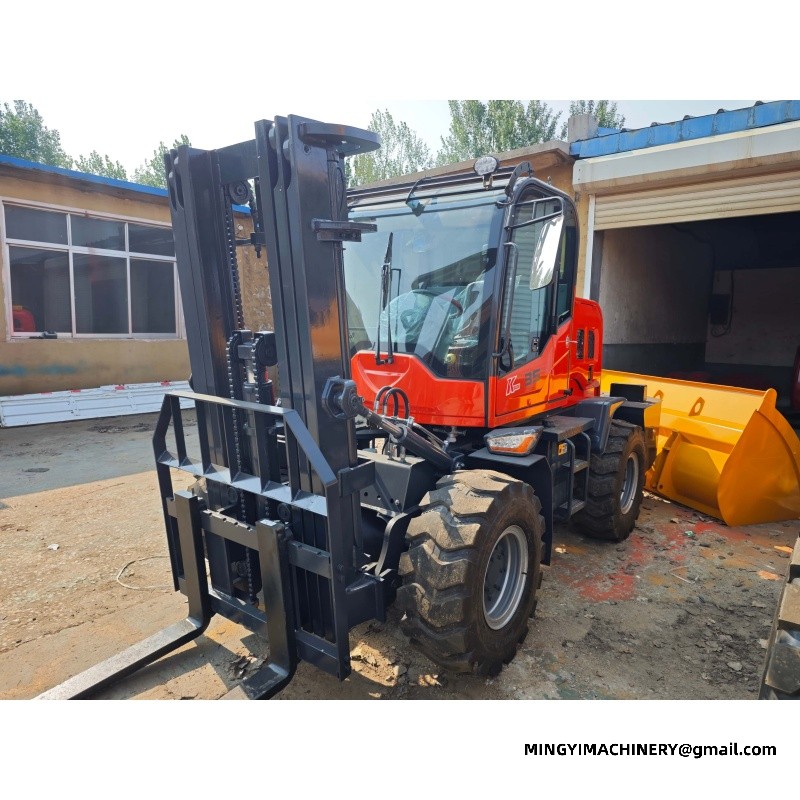
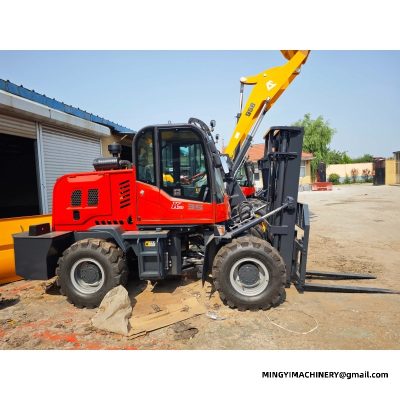
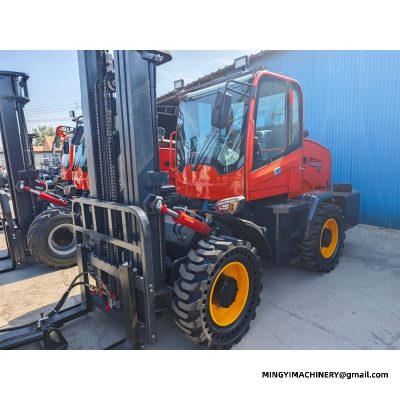
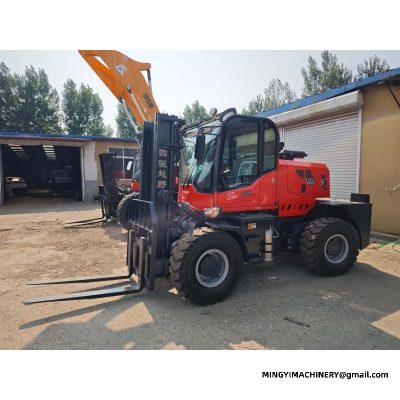
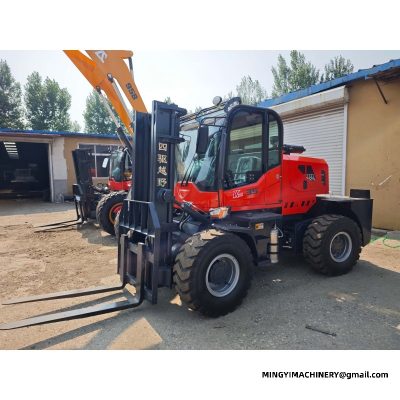
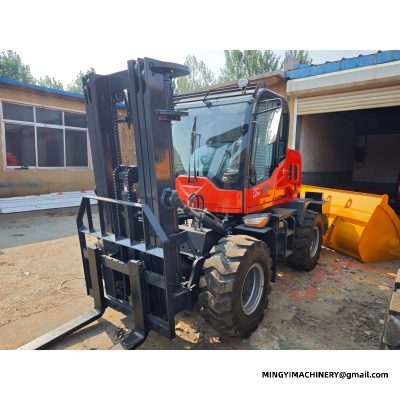
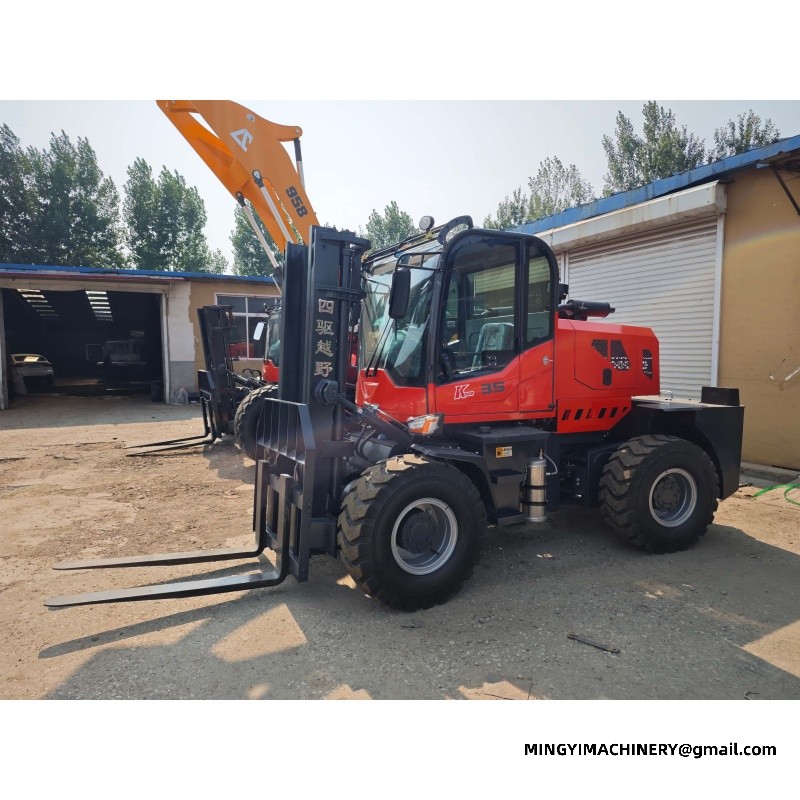
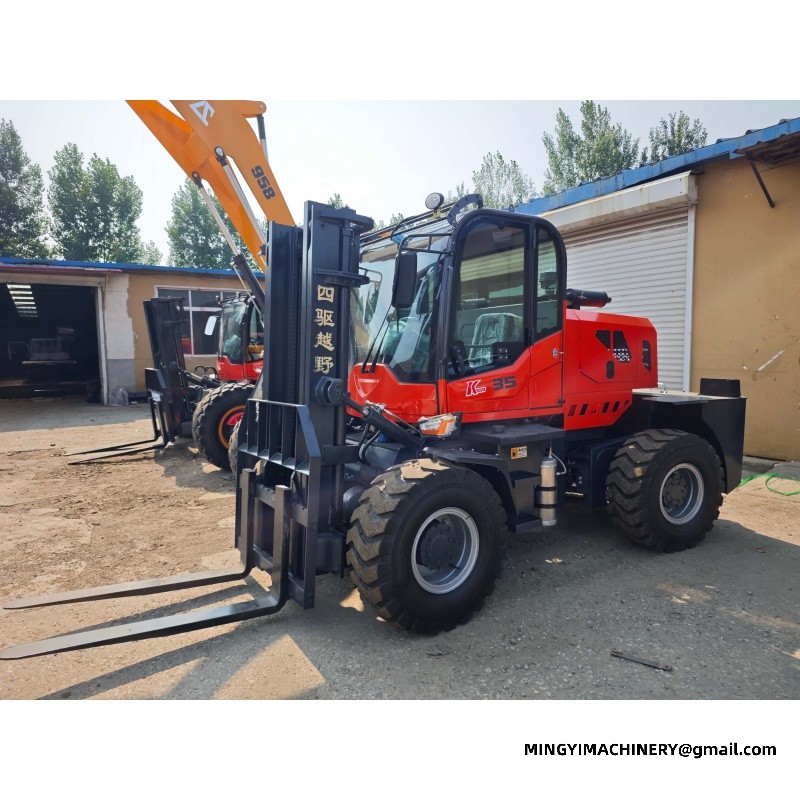
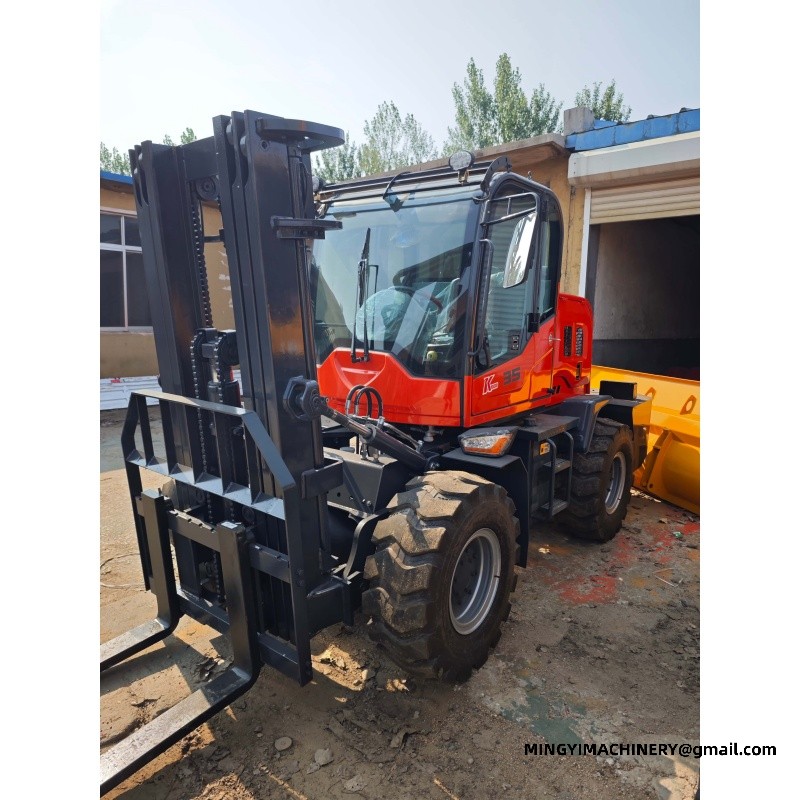
The models below are the four-wheel drive rough terrain forklifts in this range. Capacity, mast, axle and dimensional data are read together, because the load chart at the working height is what the job is actually limited by.
| Model | Wheelbase | Rated lift capacity | Engine | cab | Gradeability | Axle | Overall size | Lift height |
|---|---|---|---|---|---|---|---|---|
| CPCD-35 short wheelbase | 1875 mm | 3500 kg | 49036.8 kw | new electrophoretic deluxe round canopy | 45 deg | heavy cast steel wheel-side reduction axle | 3730 x 1850 x 2380 mm | Lift height 3-6 m |
| 4 tfront articulated | 2060 mm | 4000 kg | 410265 kw*1.36=88.4 hp | new electrophoretic deluxe round canopy | 45 deg | heavy cast steel wheel-side reduction axle | 4050 x 1950 x 2470 mm | Lift height 3-6 m |
| 3.5 trear articulated | 1875 mm | 3500 kg | 49036.8 kw | new electrophoretic deluxe round canopy | 45 deg | heavy cast steel wheel-side reduction axle | 3450 x 1850 x 2250 mm | Lift height 3-6 m |
| 3.5 tfront articulated | 2060 mm | 3500 kg | 49036.8 kw | new electrophoretic deluxe round canopy | 45 deg | heavy cast steel wheel-side reduction axle | 3950 x 1850 x 2380 mm | Lift height 3-6 m |
| CPCD-50 short wheelbase | 2160 mm | 5000 kg | 4102 turbo 78 kw*1.36=106.8 hp | new electrophoretic deluxe round canopy | 45 deg | heavy cast steel wheel-side reduction axle | 4450 x 2150 x 2600 mm | Lift height 3-6 m |
| Item | Note |
|---|---|
| Mast and fork options | Two-stage 3 m / 3.5 m / 4 m / 4.5 m masts and three-stage 4.5 m / 5 m / 6 m masts are matched to the load chart before the truck is built. |
| Tyre options | Chevron pattern, semi-solid and solid tyres are available; solid tyres suit scrap and foundry work, semi-solid suits mixed ground. |
| Attachments | Side shift, fork positioner, drum clamp, bale clamp and load stabiliser are the attachments most often specified with this range. |
Heat and dust shorten service intervals rather than machine life. In these conditions the filters on the equipment in service need attention more often, and the cooling surfaces need to be kept clear to hold the working temperature.
The paperwork matters as much as the packing. Serial numbers, dimensions and weights recorded for this class of machine at loading are the same figures the destination needs, and a mismatch here loses more days than the voyage itself.
Transport shakes things loose. A short check of a machine of this size after the crate is opened, covering the same points the pre-delivery inspection covered, is the most useful insurance available on delivery day.
A cold start is easier when the machine is prepared the night before. The routine that keeps the machine itself working through winter is mostly a matter of fuel, battery and patience in the first ten minutes of the day.
The calendar decides more than the specification does. Planning when the machine in that duty will be working, when it will be serviced and when it can be spared keeps the maintenance out of the weeks that matter.
Later changes are easier when they were anticipated. Asking for the extra hydraulic circuit or the heavier mounting plate on a machine built for the work at build time adds little and leaves the option open.
Service history also protects the warranty position. Evidence that the forklift was maintained at the specified intervals and with the specified fluids settles questions that would otherwise be argued.
Most engine trouble starts with what went into the tank. Clean fuel, stored properly and filtered before it reaches the unit in daily use, prevents more downtime than any other single habit an owner can adopt.
Every line above comes from the build sheet for a machine of this size, and the final configuration is confirmed against the working conditions and the destination before production.
E-mail:sales@mingycn.com
LINE(ID):mingyicn