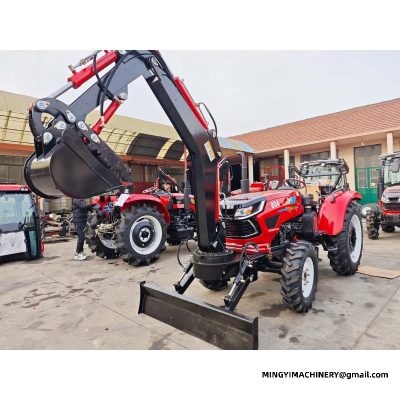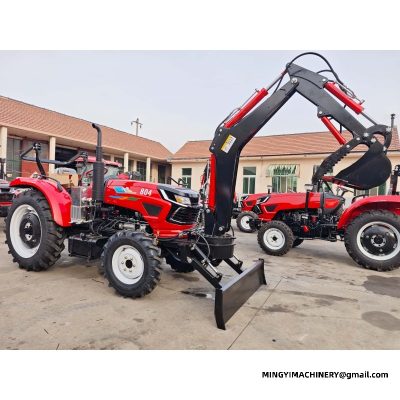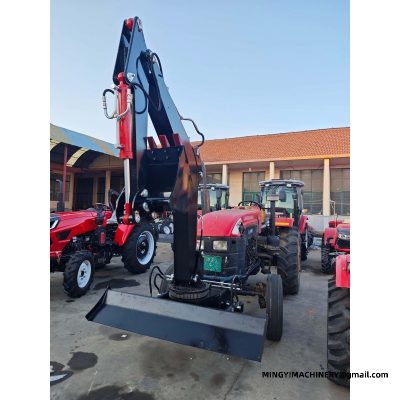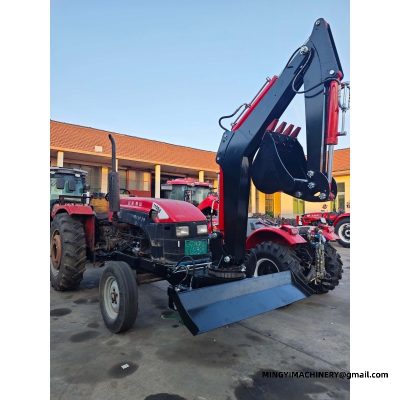
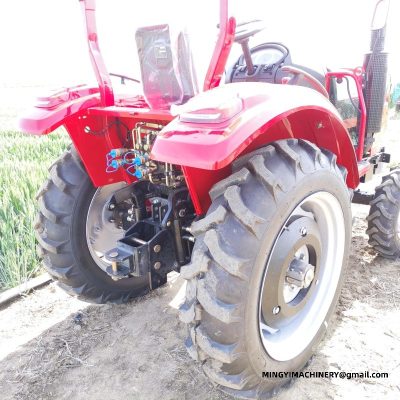
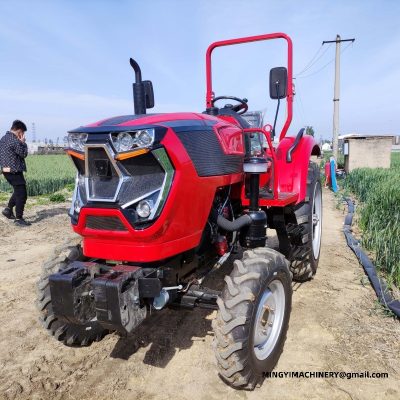
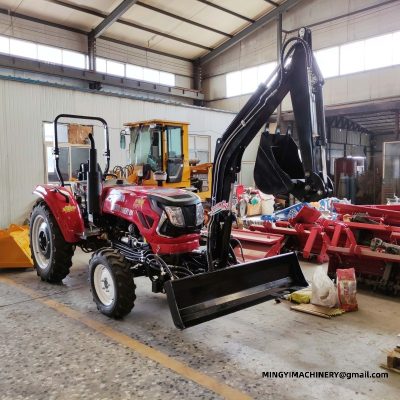
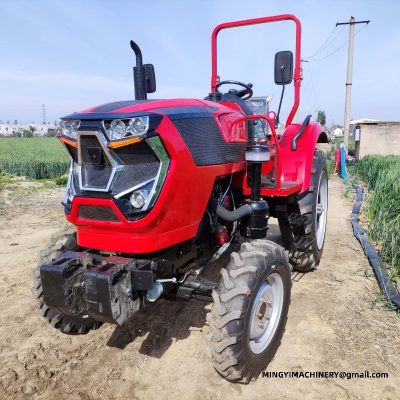
There is a version of the tractor for almost every site, and the differences are practical rather than cosmetic. What follows is organised the way a specification is actually settled: the job first, then the ground, then the machine, then the paperwork.
Documentation should be agreed at order stage. The commercial invoice, packing list and any certificate required at destination are part of shipping this class of machine, and missing papers delay clearance longer than the voyage takes.
Fuel is usually the largest controllable running demand. Operating style, correct tyre or track condition and a clean air supply all move consumption on the unit in daily use by more than most buyers expect. Consumption is best measured over a full week rather than judged per hour. Idle time, repositioning and waiting for other trades are often the largest share of the fuel a machine of this size burns on a site. Planning the work to reduce empty movement is free. Fewer repositioning cycles on the equipment on site means less fuel, less wear on the undercarriage or tyres and more of the shift spent on productive work.
Certain parts are designed to be consumed. Knowing which items on the machine itself are wearing parts, and roughly how long they last in the duty the machine sees, turns replacement into a plan rather than a breakdown.
Machine output varies more between operators than between brands. Smooth, planned movements put less load on the structure and use less fuel, and that difference is visible on the hour meter and in the service bills for the model in question. A short handover pays for itself. Operators who understand why the machine in that duty is set up the way it is will report a change in behaviour early, which is usually the point where a repair is simplest.
Support after delivery is a parts question. Filters, belts, hoses and the wearing items specific to the unit on the job are what a buyer should plan to hold before the first service interval rather than order after a failure. Parts availability usually decides the engine and the brand. A machine built around components the local network already carries is serviced from stock, which is the difference between a day lost and a week lost. Remote diagnosis shortens most faults. A walk-around on video with the panels open often identifies the cause on a machine built for the work without waiting for a visit, and avoids shipping a part that turns out not to be needed.
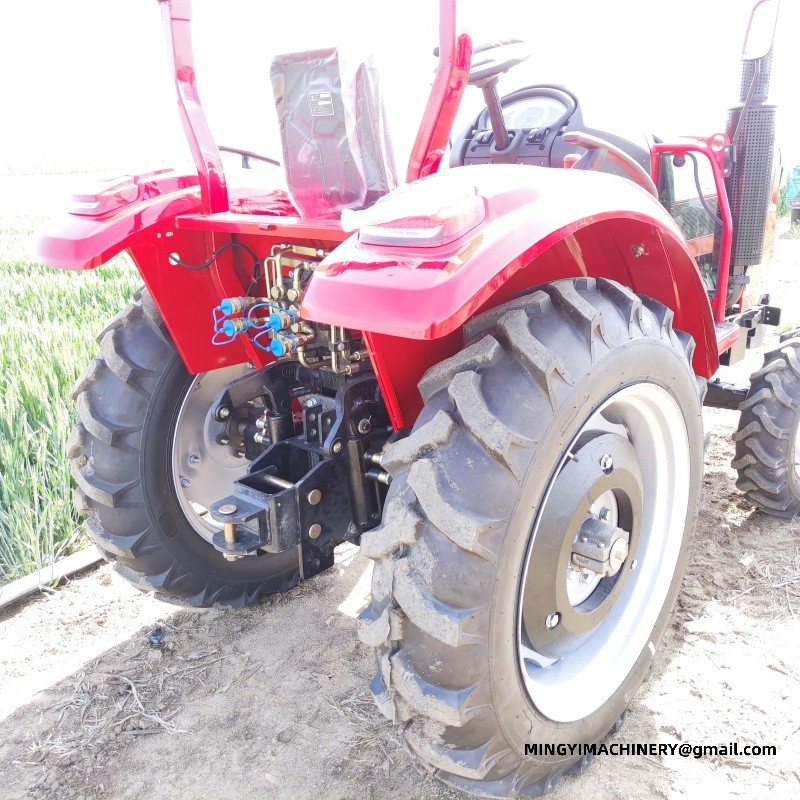
Carrying and travelling with a load needs its own plan. Speed, gradient and surface all matter more once the equipment in service is loaded, and the safe combination is the conservative one.
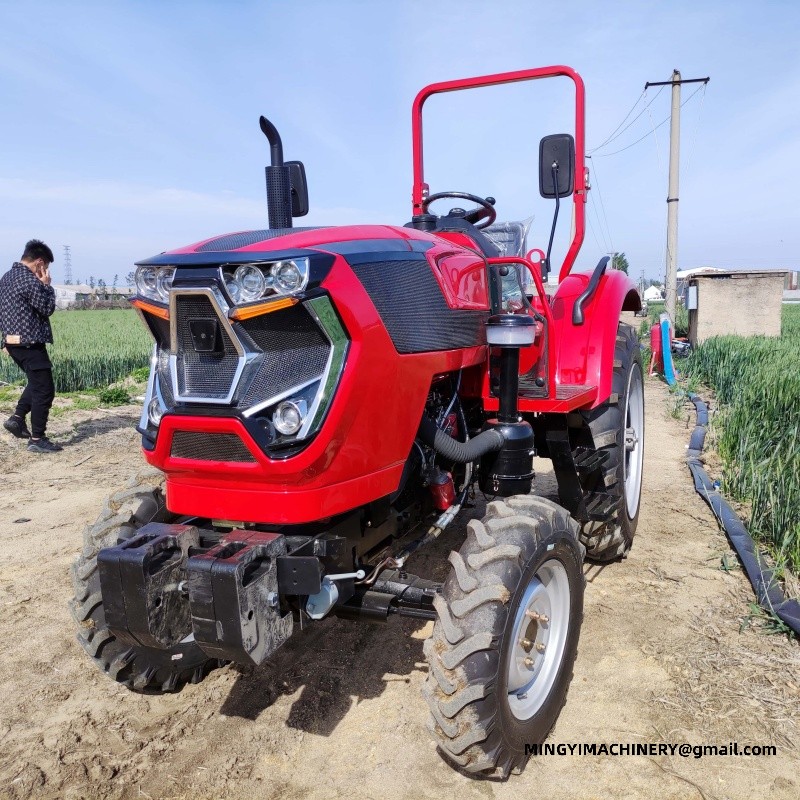
A short familiarisation session prevents the early faults. Most first-month problems on the tractor come from unfamiliarity with controls, limits or checks rather than from the machine itself. Keeping the manuals where they can be reached matters. This class of machine whose documents stay with the machine gets serviced on schedule; one whose paperwork was filed elsewhere tends to run on memory instead.
Service access decides whether maintenance happens. The unit in daily use with daily checks that can be done from the ground gets them done, while one that needs a toolbox for a dipstick tends to run low. Filters, belts and fluids are the whole of the routine. Keeping to the published intervals on the equipment on site is the simplest reliability measure available, and most field failures trace back to something that was not checked. Fuel use is a specification as much as a habit. A machine of this size working in the right gear at a sensible engine speed uses meaningfully less over a season, and the operator makes that difference every hour.
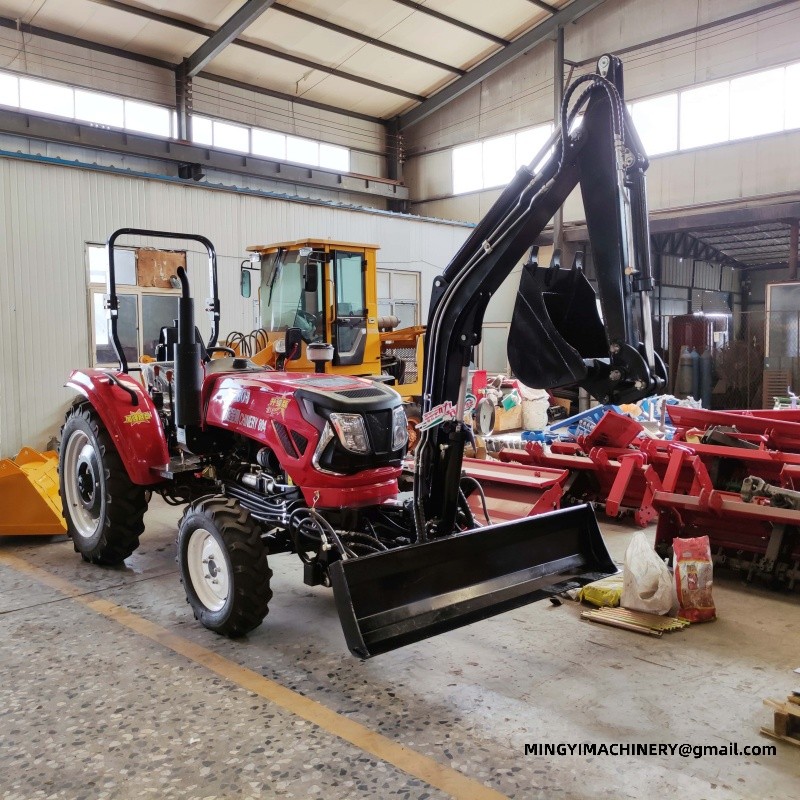
Hitch category and PTO shaft should be confirmed at build. Getting these right on the model in question means every implement on the farm connects without an adapter, which is a daily saving rather than a one-off convenience.
Replacement timing is a planning decision. Knowing the intended working life of the machine in that duty lets an owner sell while the machine still has value rather than after a major repair becomes due.
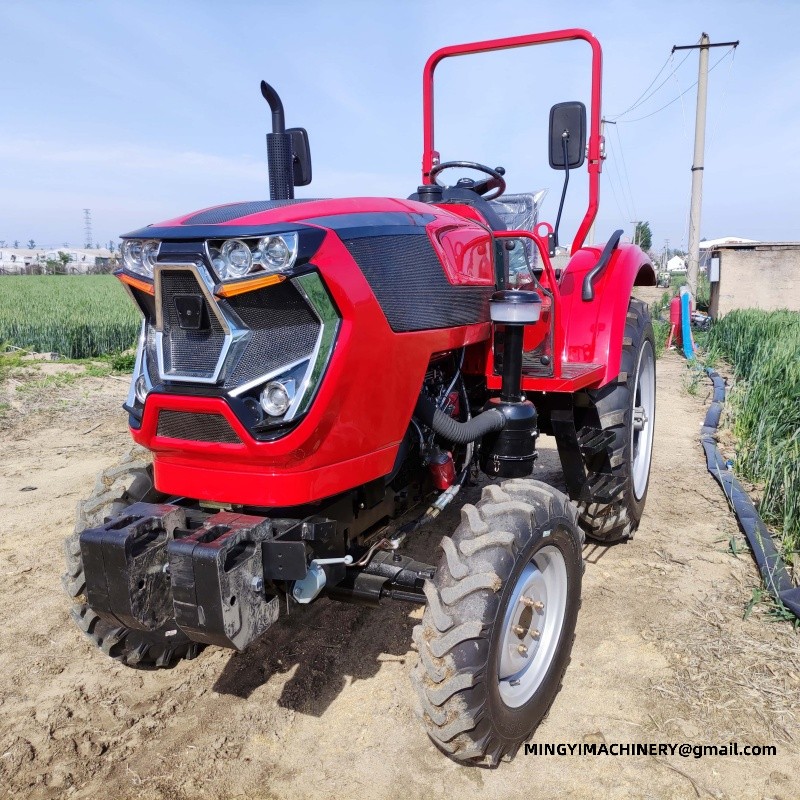
Standing still is hard on machinery. A machine built for the work left for weeks benefits from a clean, dry, covered space, a charged battery and a fuel system prepared for the layoff, and all three effort very little. A periodic start is better than none. Running the equipment in service to operating temperature during a long layoff keeps seals and the charging system in better condition than leaving it untouched until the next job.
Power unit choice is usually a parts question, not a performance one. Two buyers can order the same this class of machine and sensibly choose different engines, because the right answer depends on which brand the local workshop already supports.
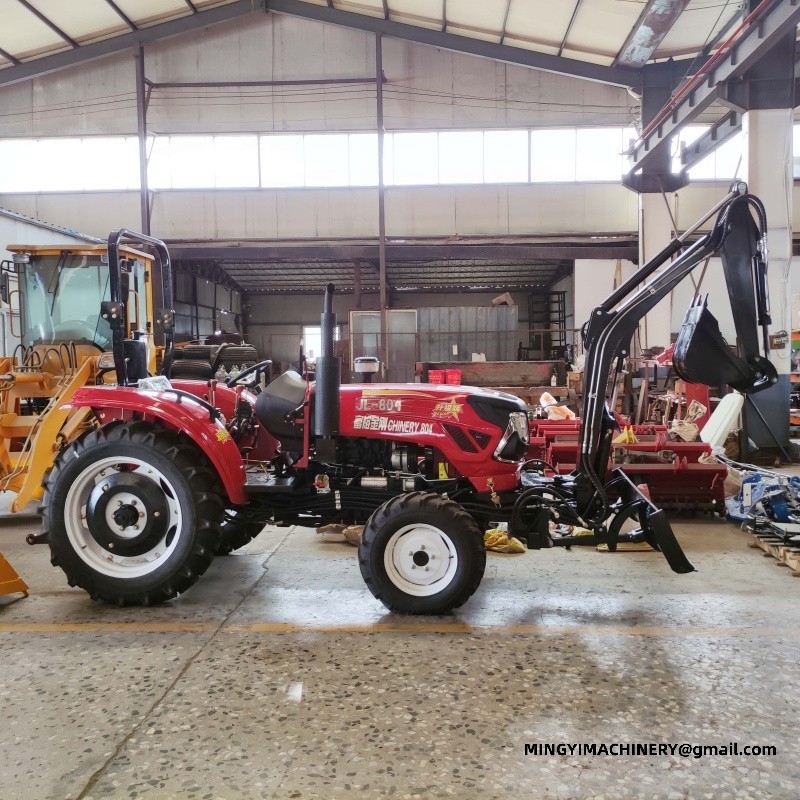
Traction and flotation are two separate questions. A machine of this size may have the power for a slope and still not have the grip, so the surface, not the engine rating, is usually what limits the working day.
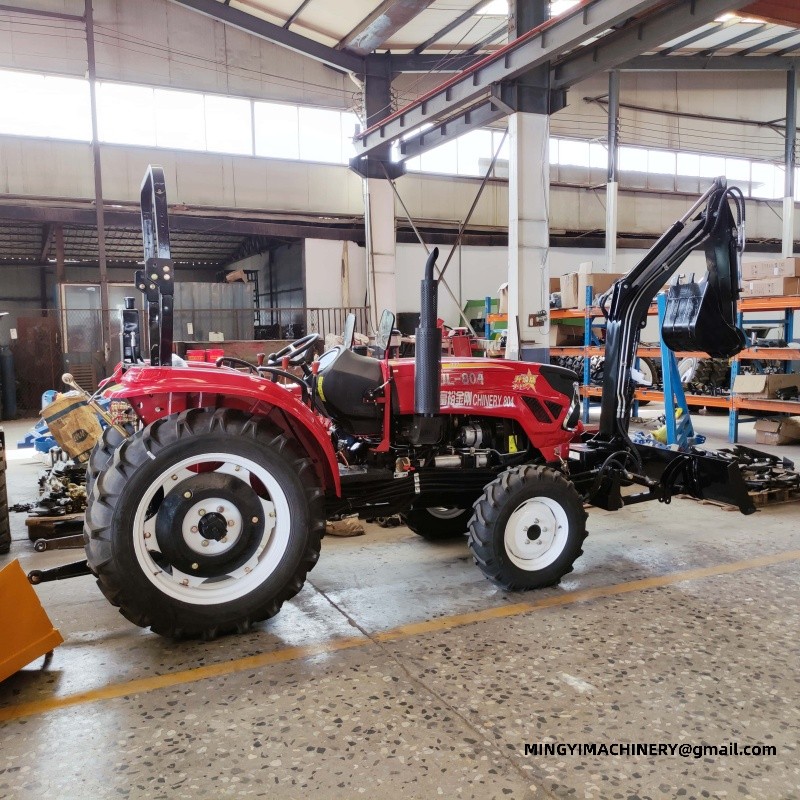
Power is chosen against the heaviest implement, not the average one. Specifying the model in question from the largest implement the farm will pull avoids a tractor that is well matched most of the year and short for a fortnight. Too much power takes money every hour it works. The machine itself that is larger than the implement list needs burns more fuel and carries more weight than the job requires, and the extra capacity is never used.
Machine productivity depends on what happens around it. Deliveries, other trades and the sequence of work decide how much of the shift the unit on the job spends actually working rather than waiting. Access and storage are worth settling early. Where a machine built for the work will be parked, refuelled and serviced on site affects the working day more than most specification details, and it takes nothing to plan.
Lead time is part of the specification. Confirming build time, shipping method and what is included before ordering the tractor prevents the common gap between when the machine is needed and when it can arrive. Delivery planning includes the receiving end. Knowing whether this class of machine will be craned, driven or forked off, and whether the site can accept it, is settled before dispatch rather than on the day.
The specification should be written from the job backwards. Listing the loads, the ground and the hours first, then matching the equipment on site to that list, avoids buying capacity the work never uses and avoids discovering a shortfall in the first week. Buyers who specify the machine itself on paper before enquiring get specifications that can be compared. Without that list, two suppliers will propose two different machines and the simpler one is usually the smaller one, not the better value. A written duty list is the simplest part of the purchase. It takes an hour to note the material, the distance, the gradient and the hours per week, and it is what turns a machine of this size enquiry into a machine that fits.
Service intervals exist because wear is predictable. Following the maker schedule on the machine in that duty takes far less time than repairing the damage that follows a missed oil change or a filter left in place past its life.
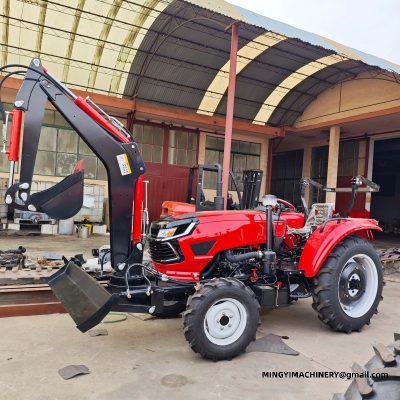
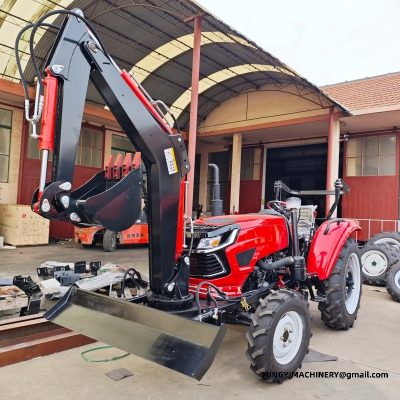
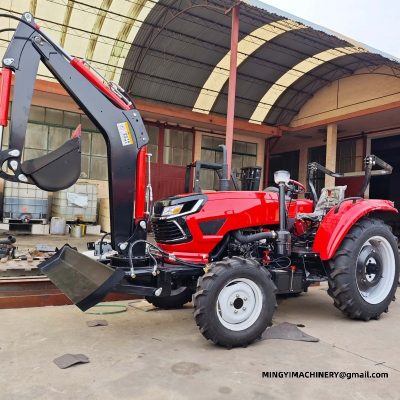
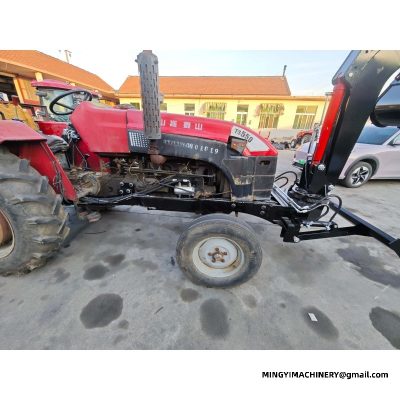
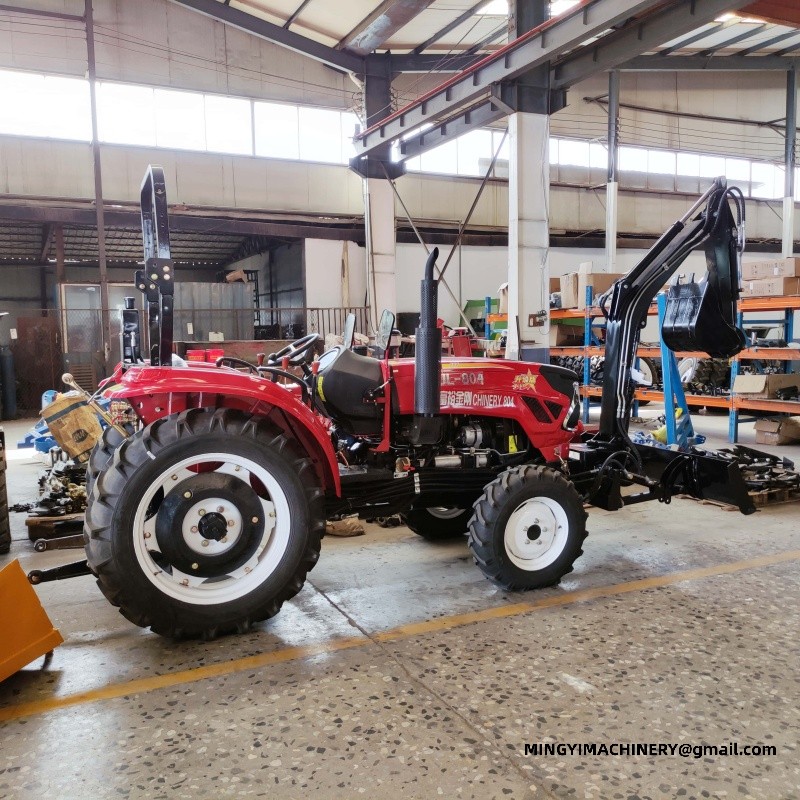
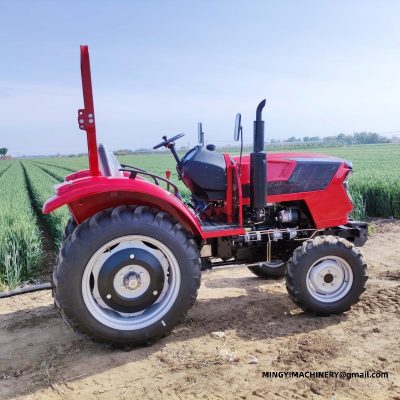
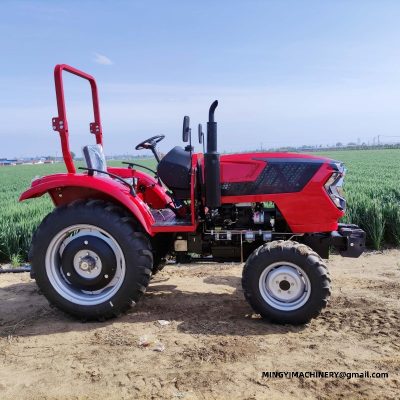
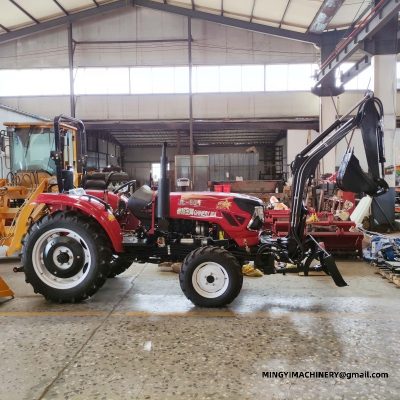
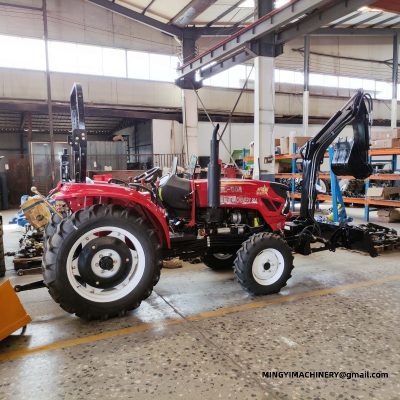
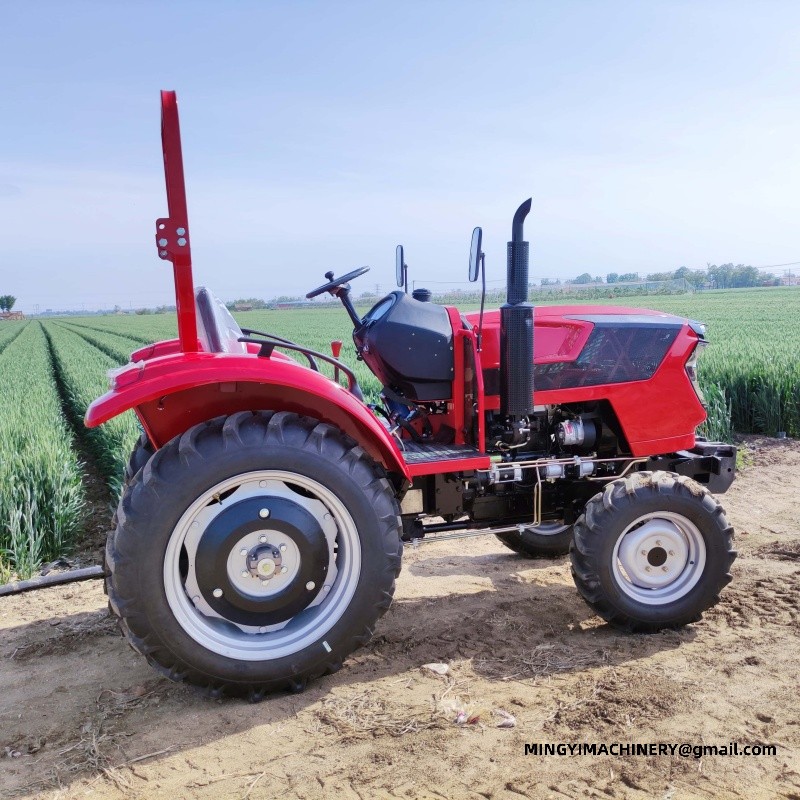
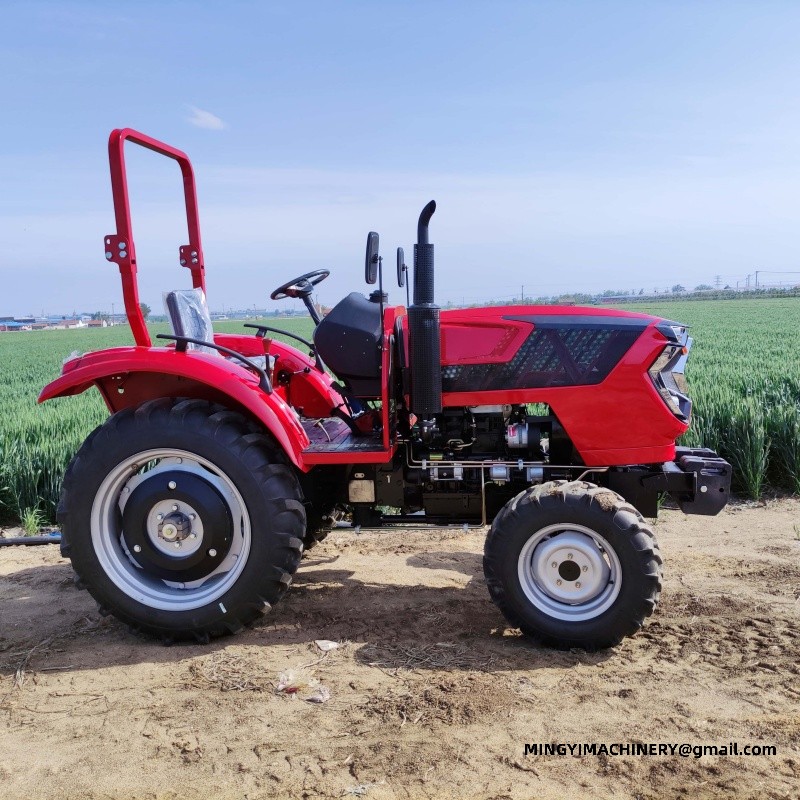
The models below are the four-wheel drive wheel tractors most often matched to this work. Overall size, tyre sizes and operating weight are confirmed together, because the row width and the implement list decide those before the power rating does.
| Model | Overall size | Tyres | Operating weight |
|---|---|---|---|
| 804 mid frame | 3.2 x 1.5 x 2.05 m, track adjustable | front 750-16 rear 11.2-28 | 1500 KG |
| 504 mid frame | 3.1 x 1.5 x 1.97 m, track adjustable | front 650-16 rear 11.2-24 | 1450 kg |
| 504 wheel tractor | 2.4 x 1.3 x 1.3 m, track adjustable | front 600-12, rear 9.5-16 | — |
| 704 mid frame | 3.2 x 1.5 x 2.05 m, track adjustable | front 750-16 rear 11.2-28 | — |
| 604 wheel tractor | 2.4 x 1.3 x 1.3 m, track adjustable | front 600-12 rear 9.5-16 | 1270 kg |
| 904 mid frame | 3.1 x 1.5 x 2.05 m, track adjustable | — | 1600 KG |
| 804 wheel tractor | 2.4 x 1.3 x 1.3 m, track adjustable | front 600-12 rear 9.5-16 | — |
| 604 mid frame | 3.1 x 1.45 x 1.95 m, track adjustable | front 650-16 rear 11.2-24 | 1600 KG |
| Item | Note |
|---|---|
| Ballast and canopy | Front and rear ballast blocks and a sun canopy are fitted to suit the heaviest implement the tractor will pull. |
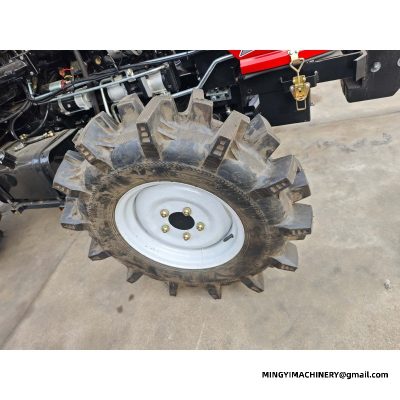
| Tyre options | Front and rear tyre sizes can be changed at build; wider rear tyres suit soft ground and narrow fronts suit row crop work. |
| PTO | Rear PTO at 540 / 720 rpm drives implements directly; the gearbox and shuttle shift are specified with the implement list. |
| Engine by power band | 50/60 hp: 490Engine ; 70/80 hp: 490turboEngine |
Shared machines need shared habits. Two operators on the tractor should do the same daily checks in the same order, because the check that one person skips is the check that eventually matters.
Dust is the enemy of every rotating joint. Keeping the radiator and the air intake of the unit in daily use clean, and cleaning them before they are blocked rather than after, is what separates a machine that lasts from one that overheats.
The machine should be introduced to the site as well as the operator. Walking the route the equipment on site will take, noting the soft spots and the turns, prevents the kind of first-day incident that has nothing to do with the machine.
Familiarisation is not the same as reading the manual. Sitting on the model in question, working through the controls at low speed and learning where the machine balances takes an hour, and that hour is what keeps the first week uneventful.
The parts that stop a machine are rarely the parts that are hardest to find. Filters, belts, seals and the ground engaging tools on the unit on the job are easy to hold and slow to replace, which is why they belong on the shelf rather than on an order.
Most engine trouble starts with what went into the tank. Clean fuel, stored properly and filtered before it reaches the equipment in service, prevents more downtime than any other single habit an owner can adopt.
Later changes are easier when they were anticipated. Asking for the extra hydraulic circuit or the heavier mounting plate on this class of machine at build time adds little and leaves the option open.
A machine that works on one site still has to reach the next. The overall dimensions and the operating weight of a machine of this size decide what trailer or truck is needed, and that decision belongs before the job is booked.
Every line above comes from the build sheet for the equipment on site, and the final configuration is confirmed against the working conditions and the destination before production.
E-mail:sales@mingycn.com
LINE(ID):mingyicn