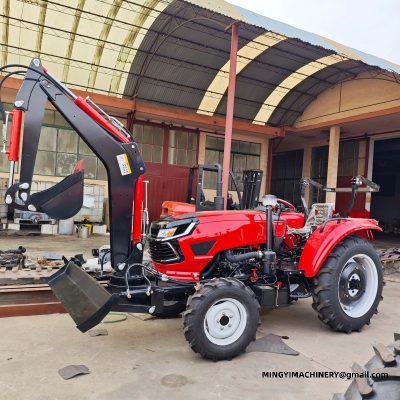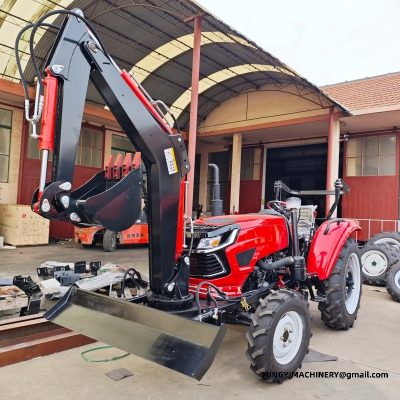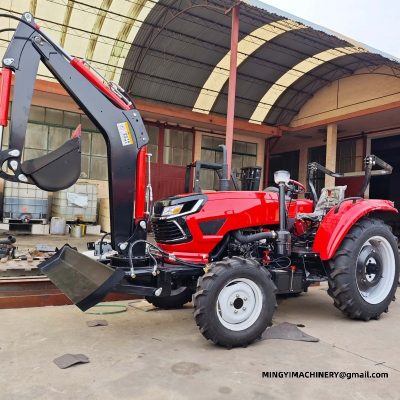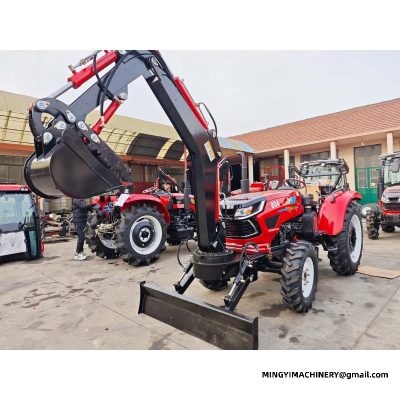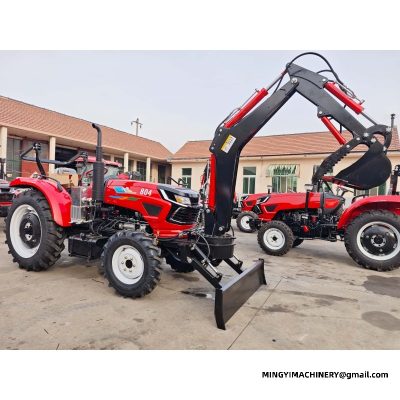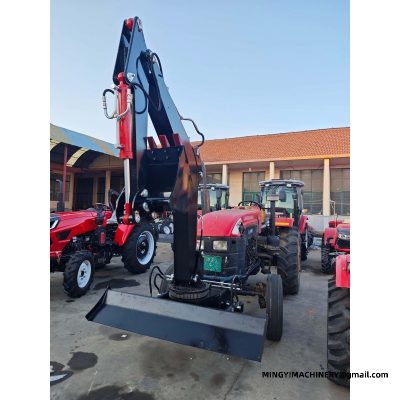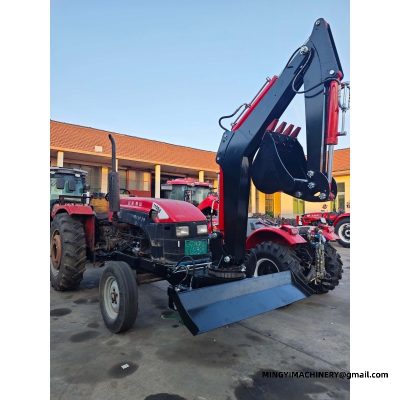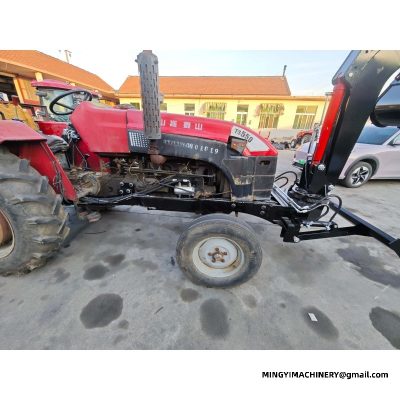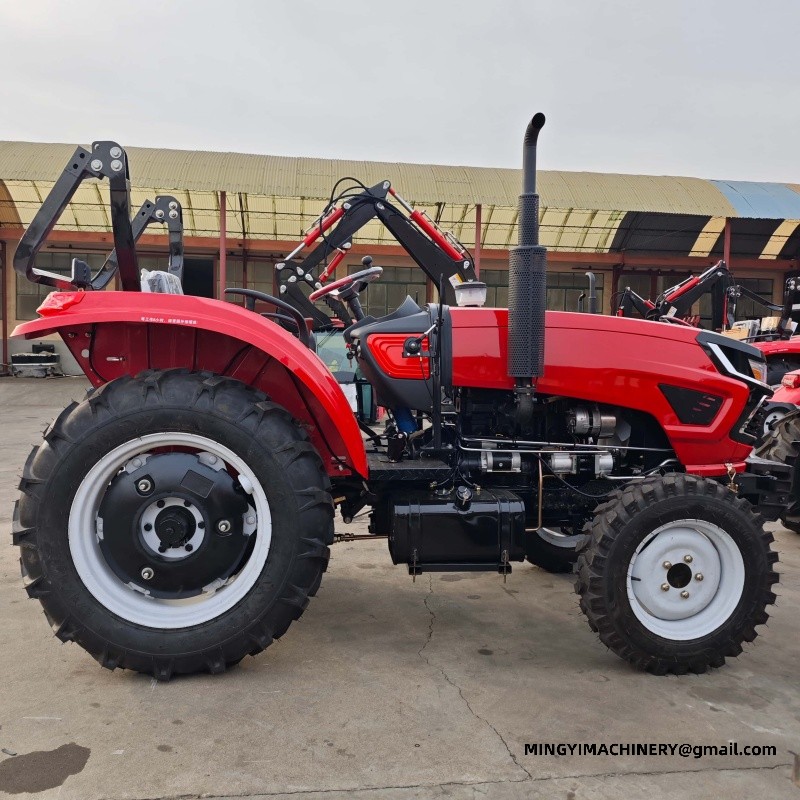
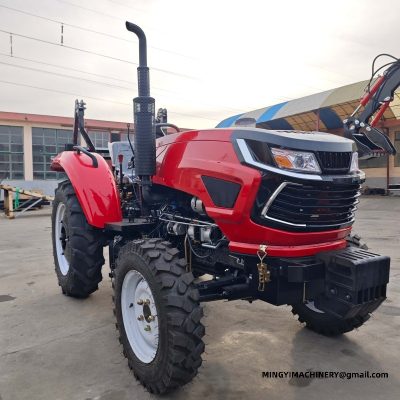
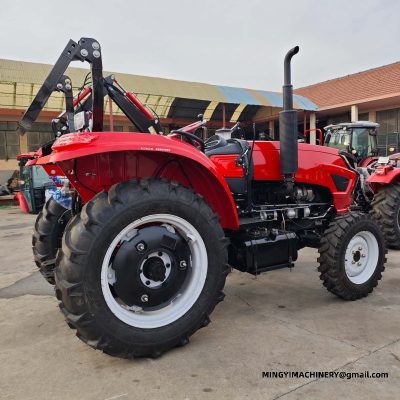
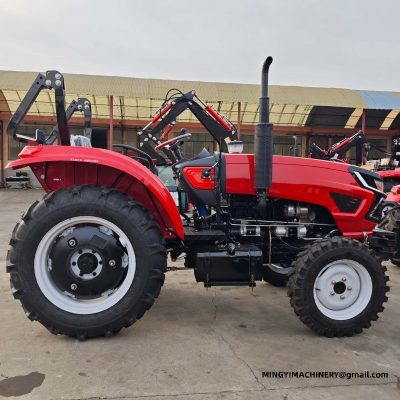
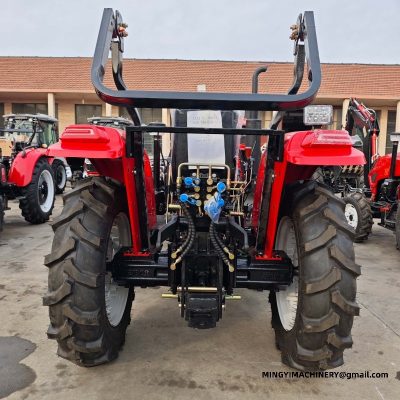
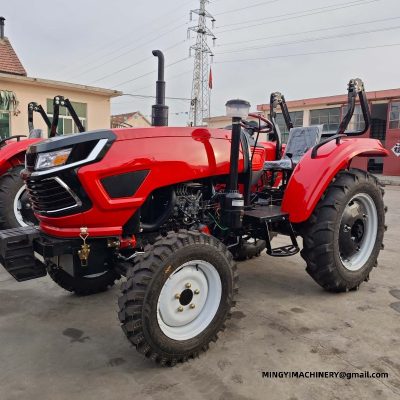
Nothing about the tractor is complicated, but the details are easy to overlook. This page gathers them in one place, from the build and the daily checks through to transport, documents and the support that comes after delivery.
Cold changes how a machine starts and how it warms up. Allowing this class of machine to reach operating temperature before loading it, and using the correct grade of oil and fuel for the season, prevents most cold-start problems. Batteries and fluids are the parts that notice the cold first. The unit in daily use kept on a maintainer through a freezing spell starts on the first turn, while one left standing is the usual cause of a lost morning. Low temperatures also make materials behave differently. Ground that is frozen hard in the morning can be soft by midday, and planning the sequence around that is easier than fighting it with a machine of this size.
Working after daylight changes the risk. Lighting coverage on the equipment on site and across the working area, plus high-visibility clothing for anyone on foot, are the items that make low-light work practical.
Comfort is a productivity item. The machine itself with a sun canopy, a usable seat and controls that fall to hand lets an operator work a full day, and the difference shows in the quality of the last hour. Visibility to the hitch and to the front axle is what makes accurate work possible. Seeing the linkage from the seat of the model in question is the difference between a clean run and repeated correction.
Reconfiguration can extend the useful life of a machine. The machine in that duty that no longer suits the current work may suit it again with a different attachment, guarding or control arrangement.
Cleaning is maintenance, not appearance. Washing the cooling surfaces and clearing packed material from the unit on the job keeps temperatures where they should be and makes the next inspection quicker and more useful.
Emissions documentation is part of engine selection for some destinations. Confirming which units can be supplied and documented for the destination country is worth doing at enquiry stage rather than after the build sheet is signed.
Replacing wear items early is usually simpler. Worn components on a machine built for the work load the parts they run against, so a worn part left too long often becomes a major repair.
Stability follows the load and its position. Knowing the rated capacity of the equipment in service at the working radius, rather than at its best case, is what keeps handling predictable and the machine upright. Carrying and travelling with a load needs its own plan. Speed, gradient and surface all matter more once the tractor is loaded, and the safe combination is the conservative one.
Container loading is a planning exercise. Confirming how the unit in daily use is packed and how many units fit a container is what turns a per-unit freight estimate into a delivered figure the buyer can actually plan against.
Hydraulic capacity decides what the hitch can do. The lifter on the equipment on site has to raise the heaviest implement with the linkage geometry the farm uses, and that is a specification rather than an assumption. The valve arrangement is worth thinking through. Enough spools and circuits on the machine itself to run the implement and the trailer brake at the same time removes the daily compromise of swapping hoses.
Familiarisation should cover the limits as well as the controls. Knowing where the model in question loses stability, how it behaves at full reach, and what the warning lights mean prevents the incidents that are put down to bad luck. A short handover pays for itself. Operators who understand why the machine in that duty is set up the way it is will report a change in behaviour early, which is usually the point where a repair is simplest.
Before-storage preparation prevents most return-to-work faults. Draining or treating fuel, protecting exposed rods and relieving pressure where the maker specifies it are the items worth an hour when a machine built for the work is parked.
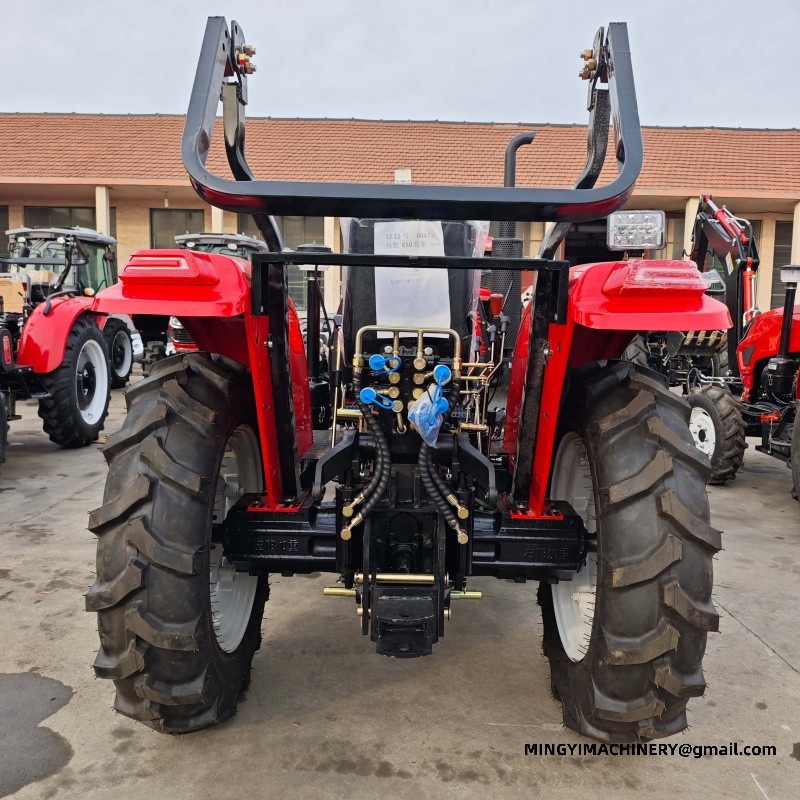
Most tractors spend part of the year idle. Preparing the tractor for storage with clean fluids, a charged battery and the weight off the tyres avoids the faults that appear at the start of the next season. Keeping the machine under cover pays for itself. Sun and rain on this class of machine age tyres, seals and paintwork faster than work does, and a roof is the simplest protection available.
Fleet value comes from interchangeability. Operators who can step between machines without retraining, and a workshop that stocks one set of filters, keep utilisation higher than a fleet of individually optimised units. Utilisation matters more than the purchase decision over a few years. A machine of this size that sits idle ties up the same yard space standing still as one that earns, so the buying decision should follow the hours the machine will realistically work.
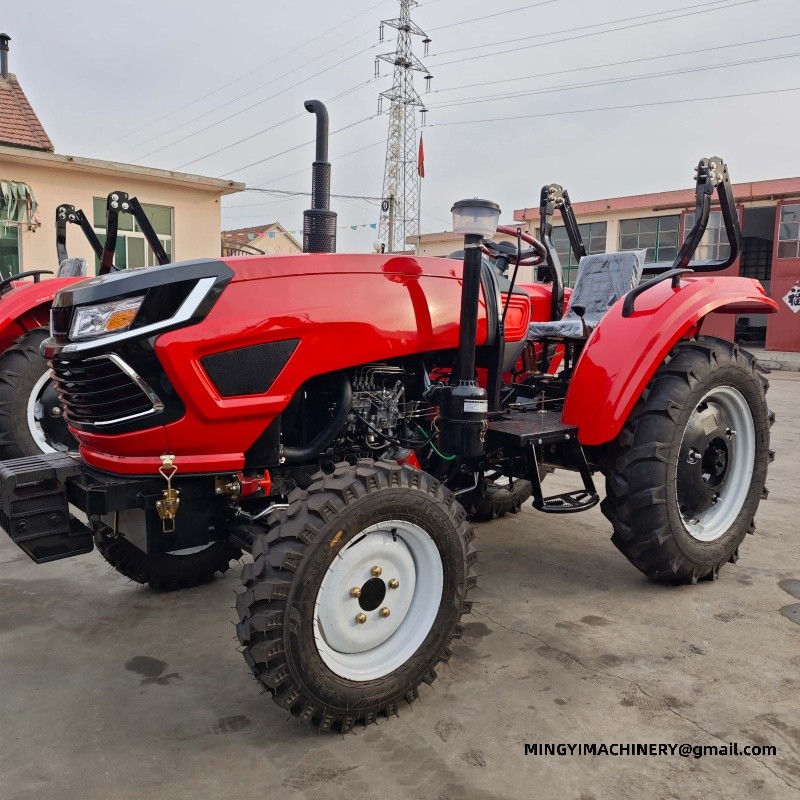
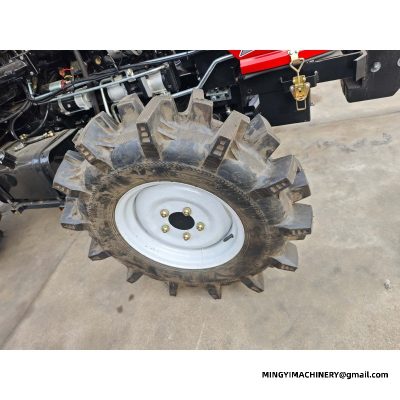
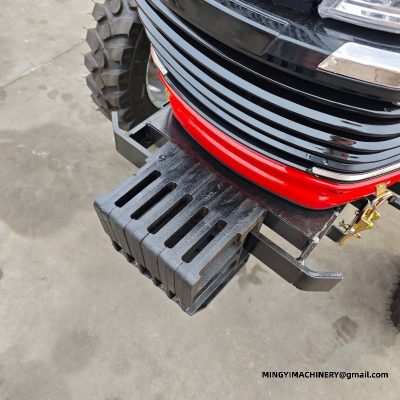
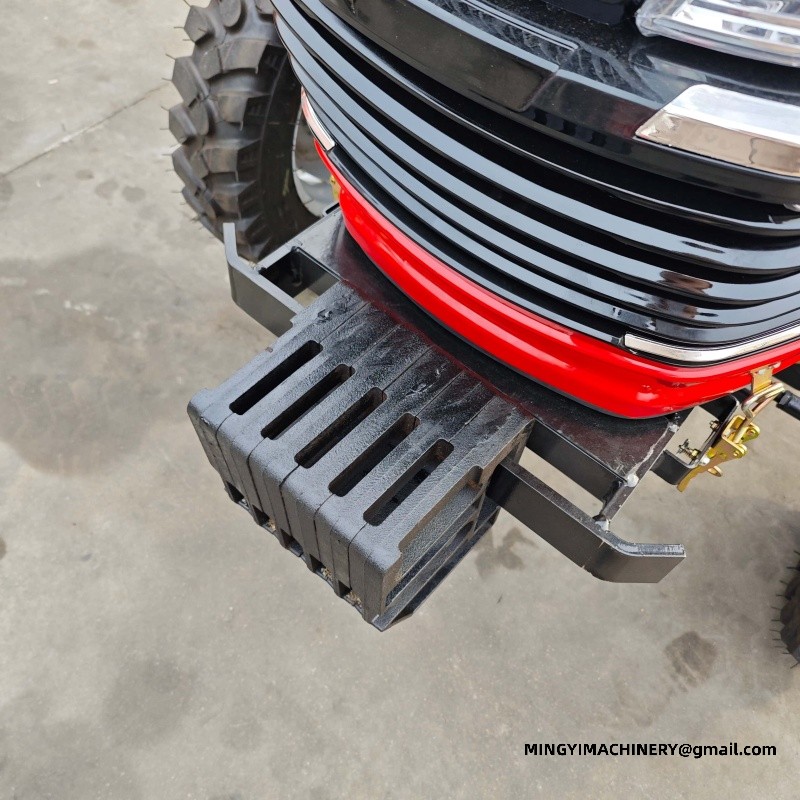
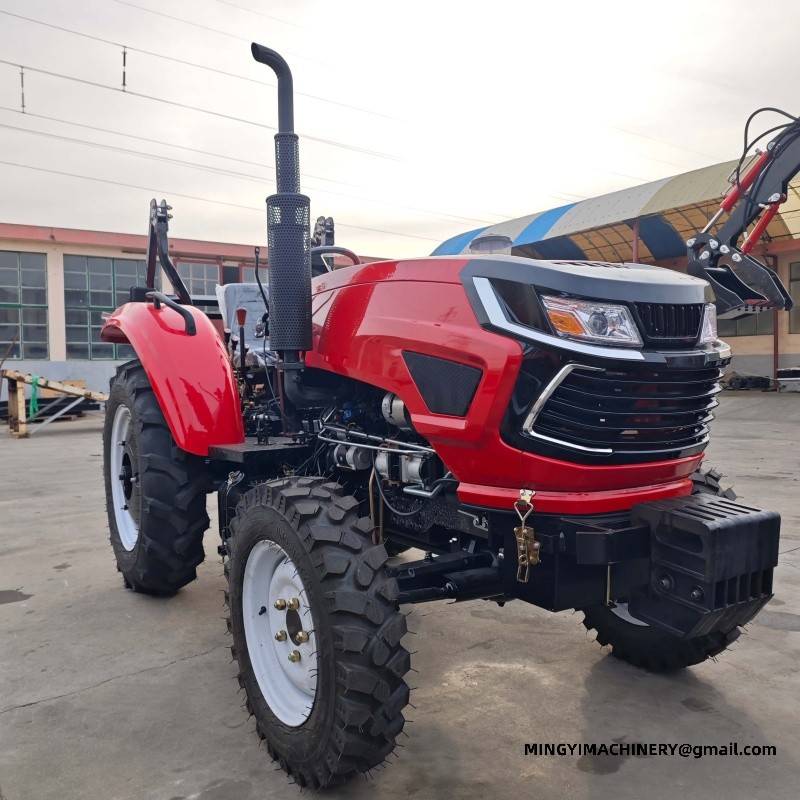
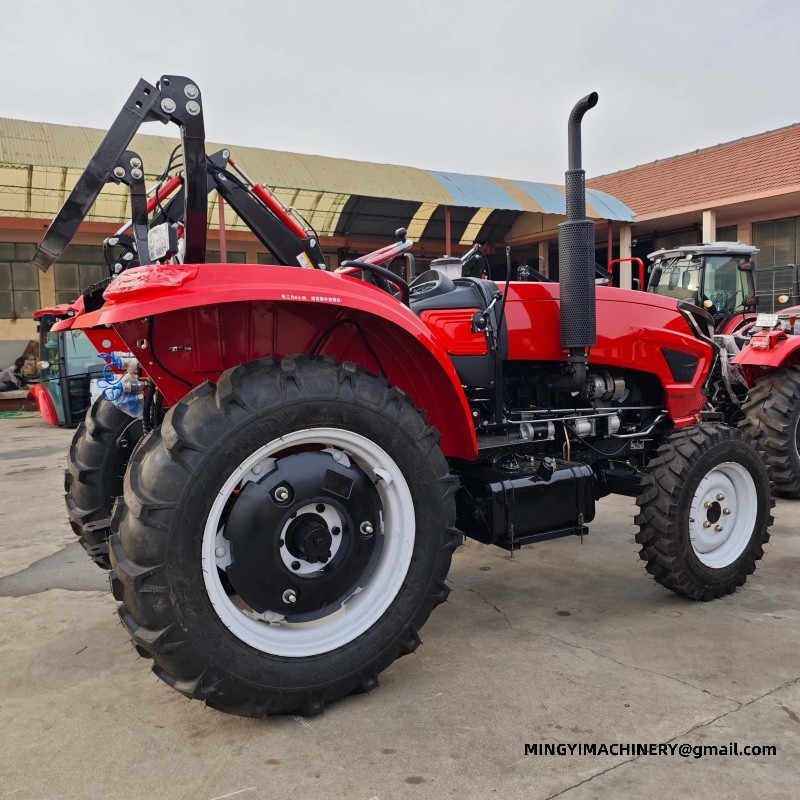
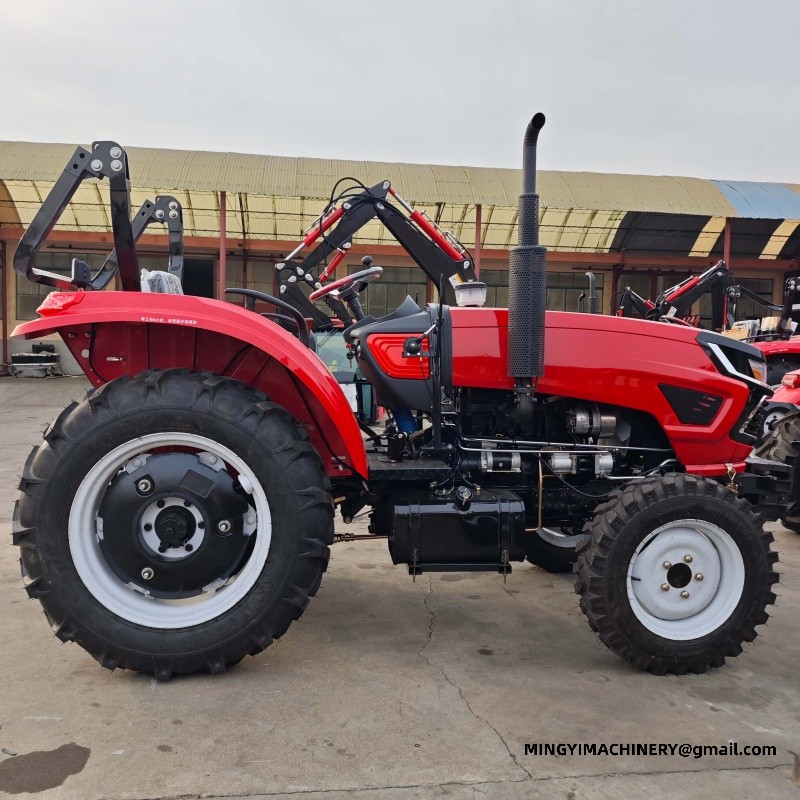
Tyre choice is the simplest traction improvement available. Correct sizes and the right tread on the model in question put more of the power on the ground, and a slip figure that looks acceptable is still lost work every hour. Ballast is part of the specification. Weights on the front and rear of the machine in that duty keep the axle loads correct when a heavy implement is lifted, and an unballasted tractor is unstable as well as inefficient. Track width follows the crop. The machine itself set to the row width works between standing crop without damage, and adjustable track is the feature that lets one machine do both row work and general haulage.
Fuel is usually the largest controllable running demand. Operating style, correct tyre or track condition and a clean air supply all move consumption on a machine built for the work by more than most buyers expect.
The models below are the four-wheel drive wheel tractors most often matched to this work. Overall size, tyre sizes and operating weight are confirmed together, because the row width and the implement list decide those before the power rating does.
| Model | Overall size | Tyres | Operating weight |
|---|---|---|---|
| 804 wheel tractor | 2.4 x 1.3 x 1.3 m, track adjustable | front 600-12 rear 9.5-16 | — |
| 604 mid frame | 3.1 x 1.45 x 1.95 m, track adjustable | front 650-16 rear 11.2-24 | 1600 KG |
| 704 mid frame | 3.2 x 1.5 x 2.05 m, track adjustable | front 750-16 rear 11.2-28 | — |
| 604 wheel tractor | 2.4 x 1.3 x 1.3 m, track adjustable | front 600-12 rear 9.5-16 | 1270 kg |
| 504 mid frame | 3.1 x 1.5 x 1.97 m, track adjustable | front 650-16 rear 11.2-24 | 1450 kg |
| 904 mid frame | 3.1 x 1.5 x 2.05 m, track adjustable | — | 1600 KG |
| 504 wheel tractor | 2.4 x 1.3 x 1.3 m, track adjustable | front 600-12, rear 9.5-16 | — |
| 804 mid frame | 3.2 x 1.5 x 2.05 m, track adjustable | front 750-16 rear 11.2-28 | 1500 KG |
| Item | Note |
|---|---|
| PTO | Rear PTO at 540 / 720 rpm drives implements directly; the gearbox and shuttle shift are specified with the implement list. |
| Tyre options | Front and rear tyre sizes can be changed at build; wider rear tyres suit soft ground and narrow fronts suit row crop work. |
| Ballast and canopy | Front and rear ballast blocks and a sun canopy are fitted to suit the heaviest implement the tractor will pull. |
| Engine by power band | 50/60 hp: 490Engine ; 70/80 hp: 490turboEngine |
Cold exposes weak batteries, thick oil and water in the fuel. Preparing the unit in daily use for winter means the right grade of oil, a battery in good condition and fuel that will not wax in the tank overnight.
How a machine travels decides how it starts on arrival. Securing the equipment on site against movement, protecting the exposed cylinders and keeping the battery and fluids in the right state for the voyage all belong to the packing list.
Securing the load is not optional. Lashing the model in question at the points intended for it, checking the tension before the vehicle moves and rechecking after the first kilometres is standard practice rather than extra care.
The calendar decides more than the specification does. Planning when the unit on the job will be working, when it will be serviced and when it can be spared keeps the maintenance out of the weeks that matter.
Holding spares is about downtime rather than the shelf itself. The question for the equipment in service is not how large the part is but how long the machine sits while it is found, and a small shelf answers that better than a fast courier.
Inspection is a list, not a glance. Before this class of machine is released the fluid levels, belt tension, electrical connections and safety decals are each ticked off, and anything that fails stays in the shop rather than travelling with the machine.
Rubber, seals and hoses age whether the machine works or not. Keeping a machine of this size out of direct sun and off damp ground slows that, and running it briefly at intervals keeps everything moving.
Every line above comes from the build sheet for the equipment on site, and the final configuration is confirmed against the working conditions and the destination before production.
E-mail:sales@mingycn.com
LINE(ID):mingyicn