Choosing the tiller usually comes down to a handful of decisions made early: size, power, the ground it will work on and the attachments it has to carry. The notes below follow that order, because each one narrows the next.
Power unit choice is usually a parts question, not a performance one. Two buyers can order the same the unit in daily use and sensibly choose different engines, because the right answer depends on which brand the local workshop already supports. Emissions documentation is part of engine selection for some destinations. Confirming which units can be supplied and documented for the destination country is worth doing at enquiry stage rather than after the build sheet is signed. Matching the engine to the duty matters more than the peak rating. This class of machine that spends its day at part load benefits from a different setup than one that works at full output, and the difference shows in fuel use over a season.
Export orders add steps that domestic buyers never see. Packed dimensions, securing points, documentation and any dismantling required are all settled before a machine of this size leaves the factory, and each one affects the freight booking. Container loading is a planning exercise. Confirming how the equipment on site is packed and how many units fit a container is what turns a per-unit freight estimate into a delivered figure the buyer can actually plan against.
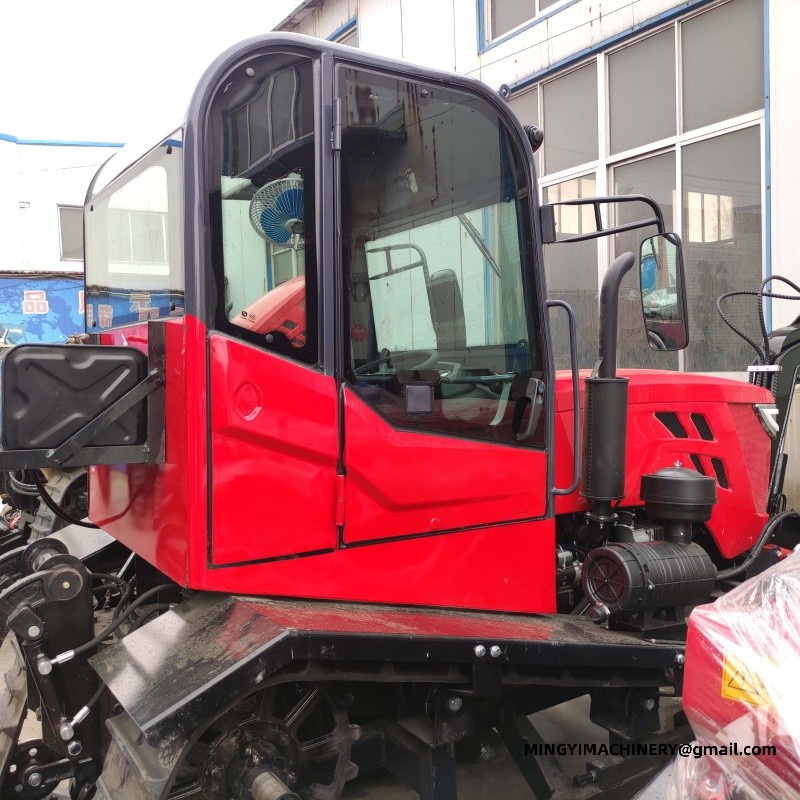
Certain parts are designed to be consumed. Knowing which items on the machine itself are wearing parts, and roughly how long they last in the duty the machine sees, turns replacement into a plan rather than a breakdown. Wear rate follows conditions far more than hours. The model in question working on abrasive ground or in mud will consume undercarriage or tyre life much faster than the same machine on clean ground.
Tillage quality starts with the soil, not the machine. Dry, friable ground breaks up in one pass, while the same the machine in that duty on heavy wet clay needs a second pass and a lower gear, so the ground survey belongs before the working width is chosen.
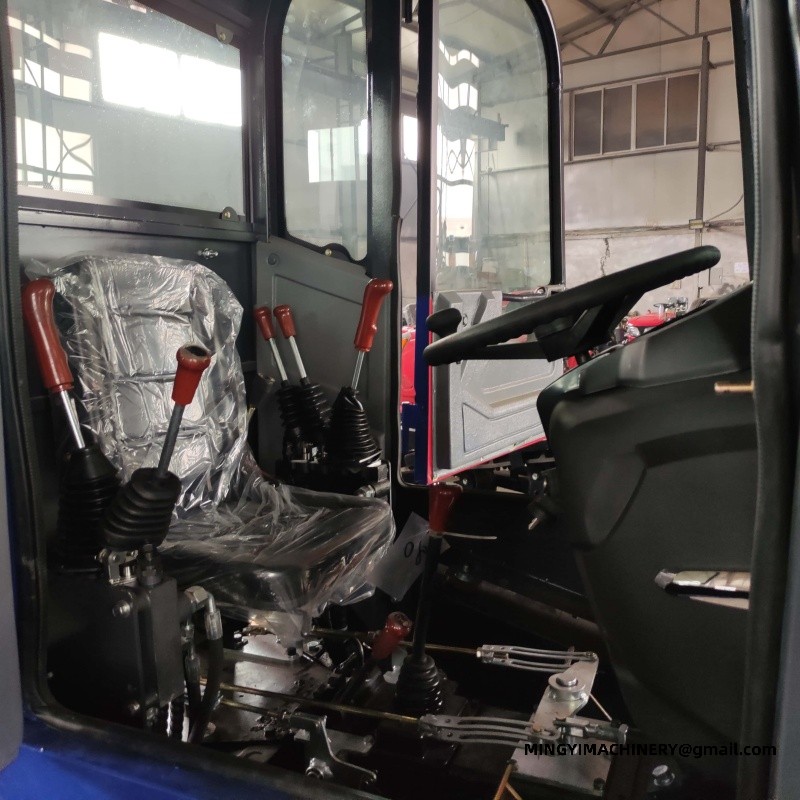
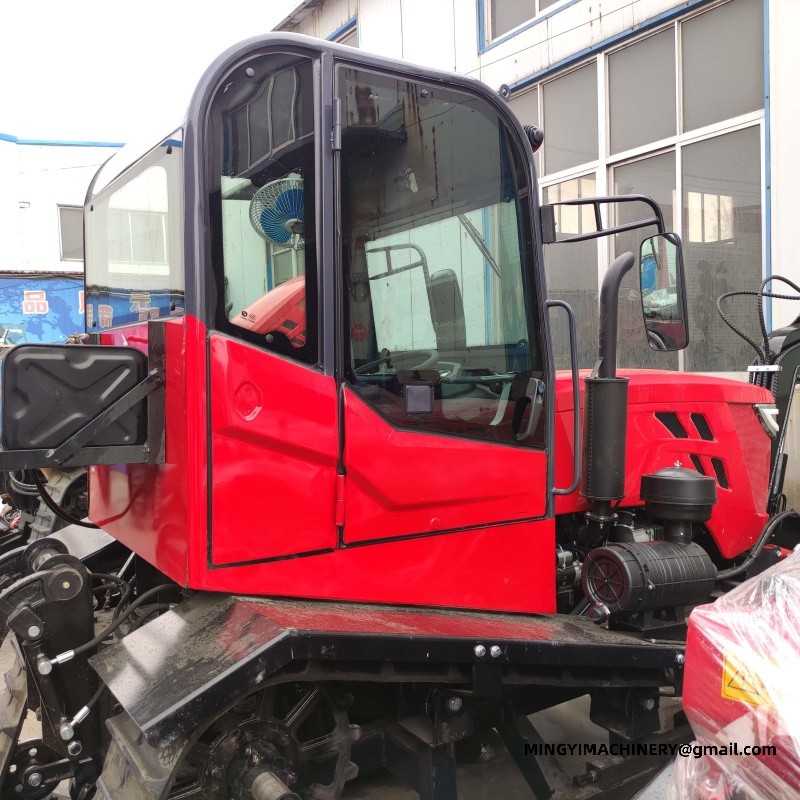
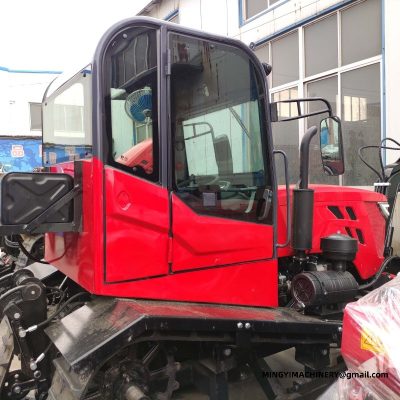
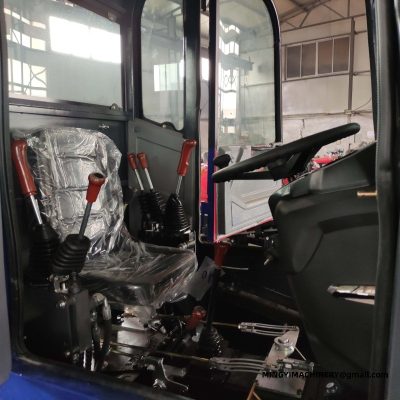
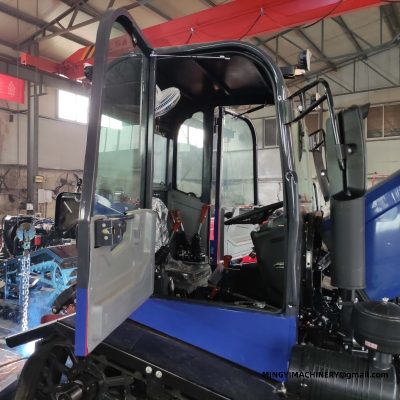
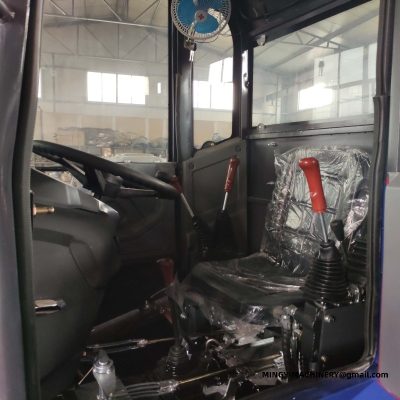
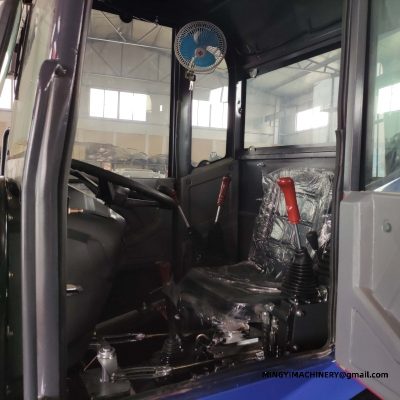
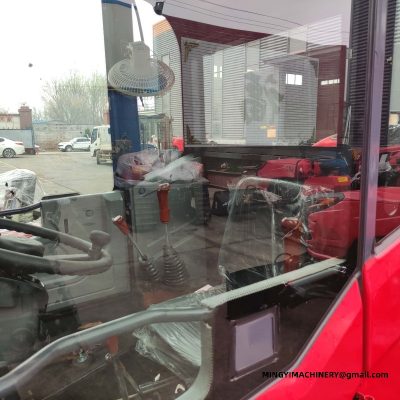
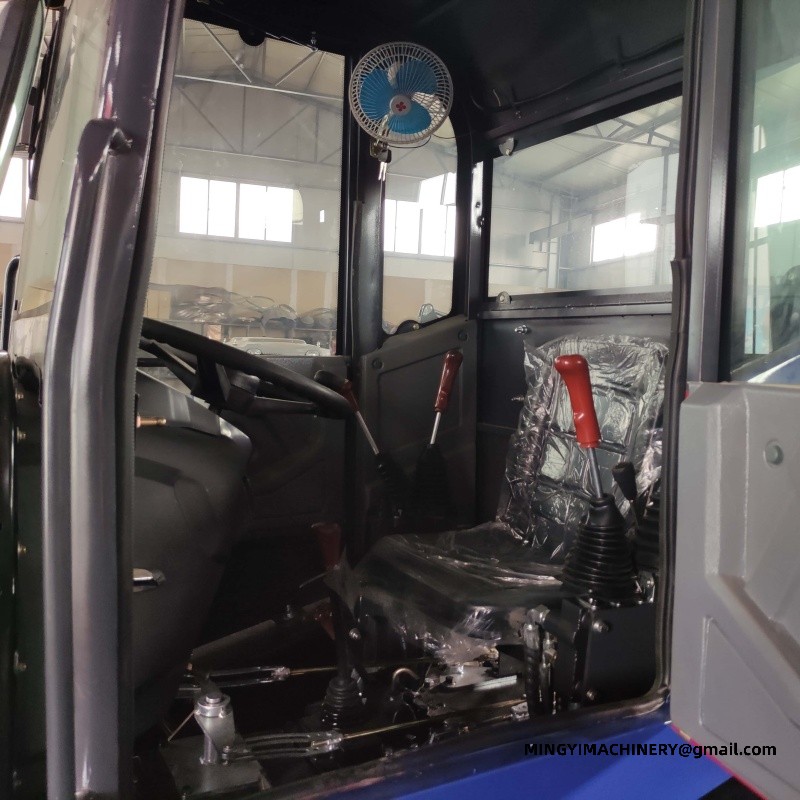
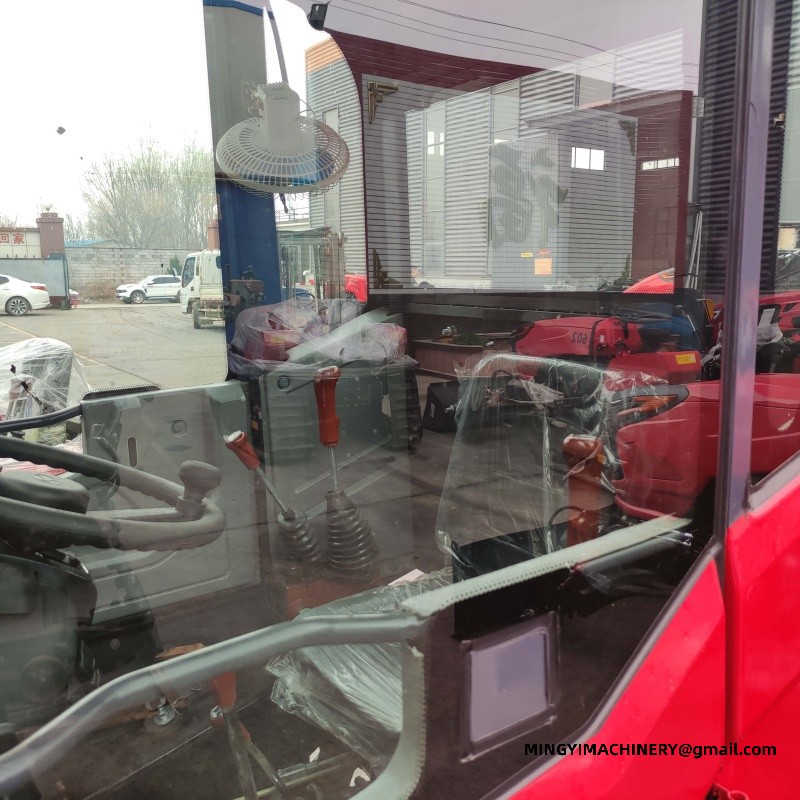
Simple cabs suit some users better. The unit on the job that can be hosed out, has a washable seat and keeps the controls within reach is often preferred to a fully trimmed cab on a working farm.
Build options are where a standard machine becomes the right machine. Colour, guarding, lighting, seating and hydraulic provisions can usually be set at build time on a machine built for the work, and are far simpler then than as a retrofit. Fleet buyers often want consistency rather than variety. Specifying the equipment in service so that several units share controls, filters and service points reduces training time and keeps the parts shelf small.
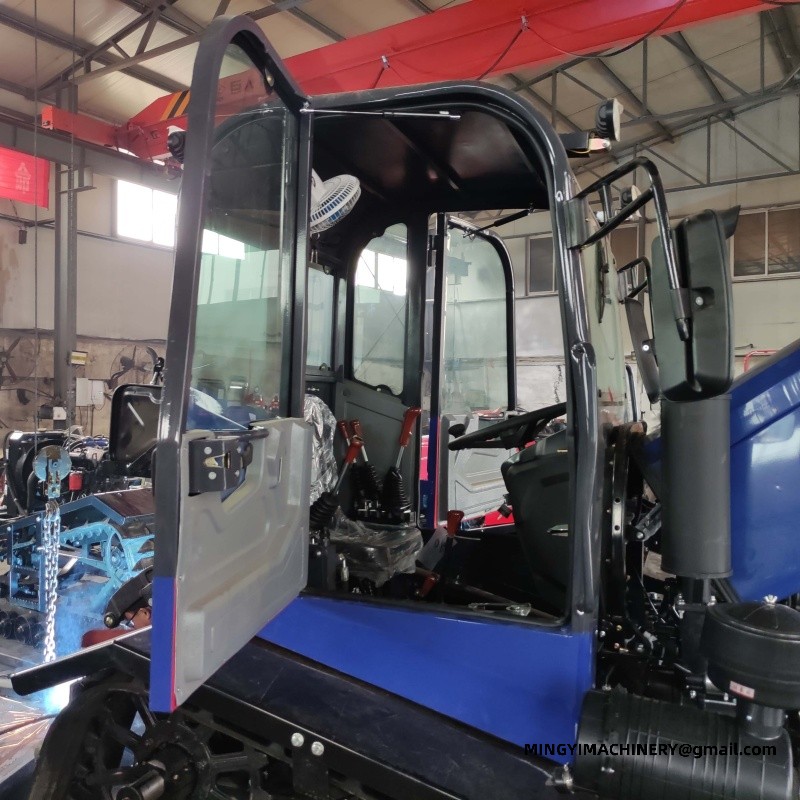
Most incidents around machinery come from the space rather than the machine. Exclusion zones, a clear signal person and a check on what is behind the unit in daily use before it moves cover the large majority of the risk on a working site. Slopes and edges deserve a separate check. The tiller that is stable on level ground behaves differently across a gradient, and the safe working angle is a number worth knowing rather than estimating. Personal protective equipment and a stop rule are simple controls. Agreeing before work starts that anyone can stop the job is the single measure that most often prevents a serious incident near this class of machine.
Paddy work changes the specification. A machine of this size intended for flooded ground needs sealed hubs, a higher air intake and flotation that keeps it on the surface, and those are build items rather than things to add later. Standing water hides the ground underneath. Working the equipment on site in a paddy means accepting slower progress and planning the turns, because the places where the machine sinks are the places where the soil has already been disturbed. Wet and dry field versions exist for a reason. The machine itself built only for dry land will struggle in a paddy, while one built for both gives up a little on each and is usually the better choice for a mixed farm.
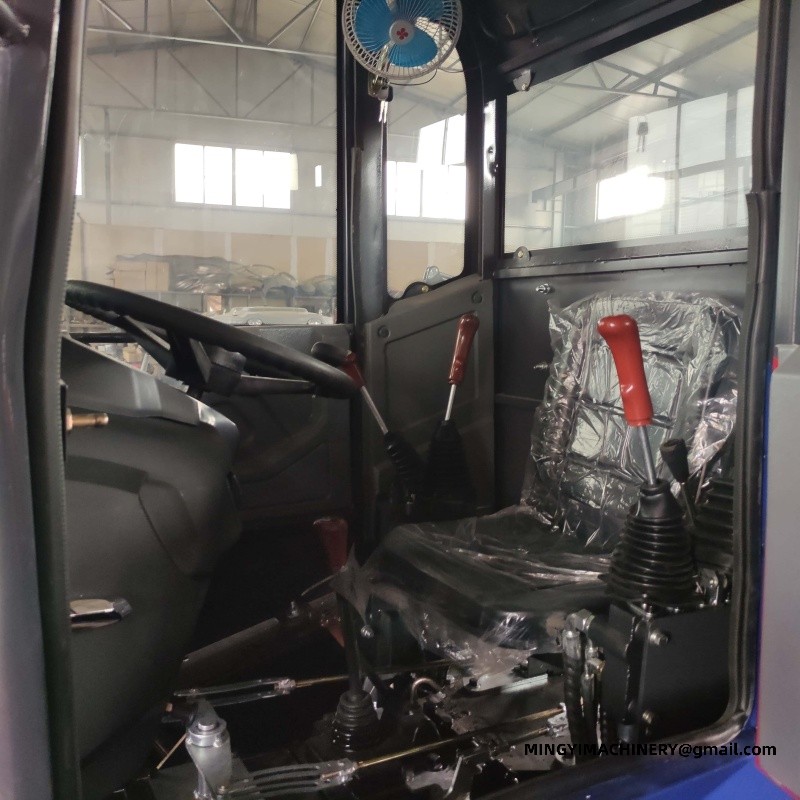
Owners who work across several sites should check the transport dimensions before ordering. The machine in that duty that fits a standard trailer can be moved by any operator with a suitable vehicle, while an over-width machine narrows that choice and complicates every move. Shipping dimensions matter as much on export orders as they do locally. Confirming the packed size of the unit on the job before booking avoids re-booking freight after the machine is built.
Before-storage preparation prevents most return-to-work faults. Draining or treating fuel, protecting exposed rods and relieving pressure where the maker specifies it are the items worth an hour when the equipment in service is parked.
A short familiarisation session prevents the early faults. Most first-month problems on this class of machine come from unfamiliarity with controls, limits or checks rather than from the machine itself.
Traction and flotation are two separate questions. A machine of this size may have the power for a slope and still not have the grip, so the surface, not the engine rating, is usually what limits the working day.
A simple log helps. Recording hours, fuel and any adjustment made to the machine itself gives the workshop a history, and that history is what turns an intermittent fault into a one-visit repair instead of three.
Seasonal work changes the maintenance calendar. Machines that work hard for two months and stand for ten need preparation before storage and a check before returning to work, and both are simpler than the repairs they prevent. Hour planning helps at resale as well. The machine in that duty with a recorded service history and a sensible hour count is easier to sell than one with the same hours and no records, whatever its condition.
Cleaning is maintenance, not appearance. Washing the cooling surfaces and clearing packed material from a machine built for the work keeps temperatures where they should be and makes the next inspection quicker and more useful.
Lead time is part of the specification. Confirming build time, shipping method and what is included before ordering the tiller prevents the common gap between when the machine is needed and when it can arrive. Delivery planning includes the receiving end. Knowing whether this class of machine will be craned, driven or forked off, and whether the site can accept it, is settled before dispatch rather than on the day.
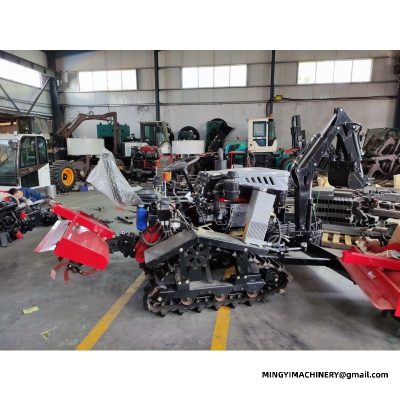
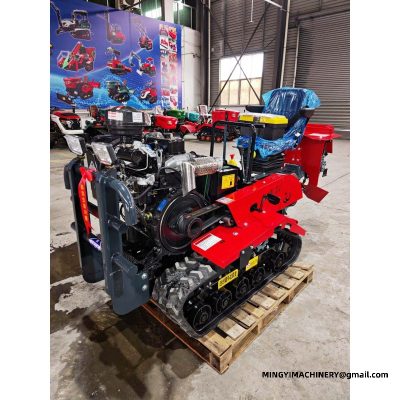
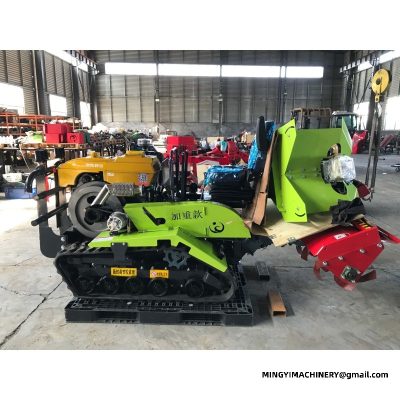
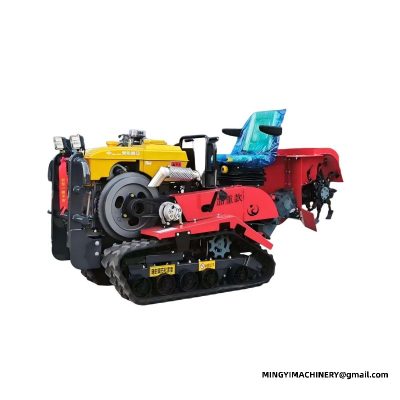
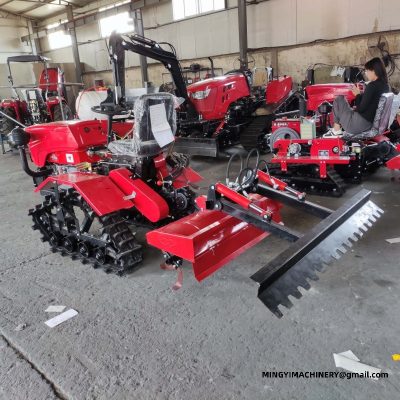
The models below cover the crawler rotary tiller range. Power, working condition, engine series and track width are confirmed together, because the field the machine works in decides the track and the engine before the working width matters.
| Model | Working condition | Engine series | Induction | Track width |
|---|---|---|---|---|
| 80 hp wet and dry field crawler rotary tiller | wet and dry field | 495 series | turbocharged | — |
| 50 hp dry field crawler rotary tiller | dry field | 490 series | — | — |
| 60 hp wet and dry field crawler rotary tiller | wet and dry field | 495 series | — | — |
| 120 hp paddy field crawler rotary tiller | paddy field | — | — | 350 mm |
| 60 hp dry field crawler rotary tiller | dry field | 495 series | — | — |
| 50 hp wet and dry field crawler rotary tiller | wet and dry field | 490 series | — | — |
| 70/75 hp dry field crawler rotary tiller | dry field | 490 series | turbocharged | — |
| 100 hp wet and dry field crawler rotary tiller | wet and dry field | — | — | 350 mm |
| Item | Note |
|---|---|
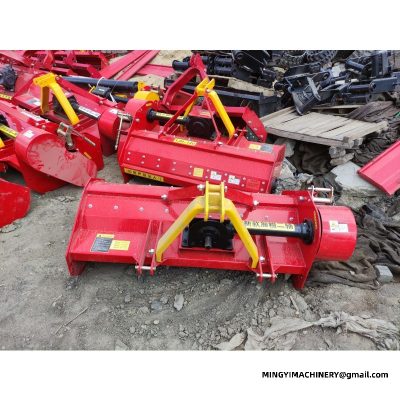
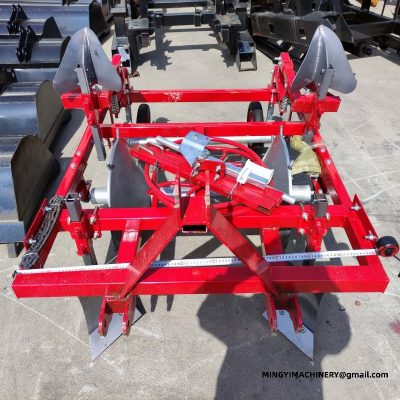
| rotary tiller , 2.2 m working width , 180 gearbox | — |
| rotary tiller , 1.6 m working width , 125 gearbox | — |
| 1.6 m rotary tillageridgingcombined machine | working width 1.6 m |
| simple canopy | — |
| engineering bucket | — |
| deluxe cab | — |
| offset trencher | — |
| rotary tiller , 1.8 m working width , 125 gearbox | — |
Humidity attacks the parts that are not used. Storage in a damp climate means the machine itself needs the exposed metal protected and the machine run regularly, because standing still does more damage than working.
The specification for oil is written for a reason. Using the grade and the change interval set for the machine in that duty keeps the engine and the hydraulic system inside the range they were designed for.
Retrofitting is limited by the base machine. Before anything is added to a machine built for the work the hydraulic flow, the mounting interface and the stability allowance have to be checked, because those limits are what decide what is sensible.
Standing still is harder on a machine than working. Preparing the tiller for a long idle period means clean fluids, a charged battery and protection for the exposed surfaces, because neglect is not the same as rest.
Different operators suit different work. The person who is quickest with the unit in daily use on open ground is not always the one who is safest in a confined space, and having both available is a genuine advantage.
A machine should be inspected while it is still on our floor rather than after it lands. For the equipment on site that means the engine is run to temperature, the hydraulics are cycled through full travel, and every function is checked against the build sheet before the crate is closed.
Every line above comes from the build sheet for the machine itself, and the final configuration is confirmed against the working conditions and the destination before production.
E-mail:sales@mingycn.com
LINE(ID):mingyicn