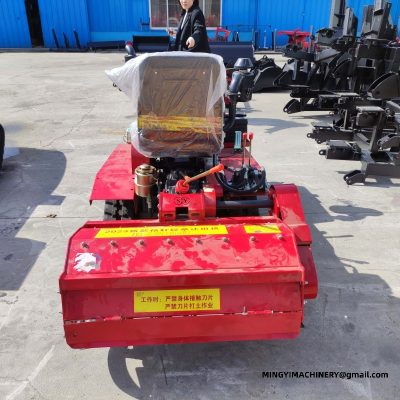
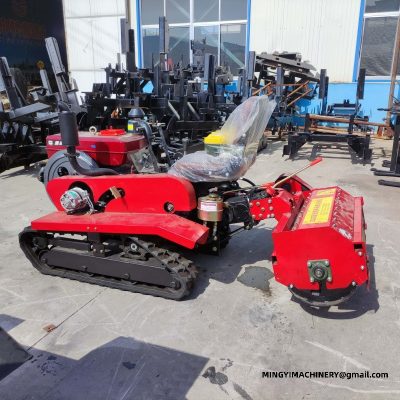
Buyers comparing the tiller are usually weighing the same few things, among them working range, the width of the access, the surface it runs on and how quickly it can be serviced. This page takes each in turn and leaves the numbers together at the end.
Changing implements is routine work. Quick hitch geometry, PTO guard condition and the hydraulic services on this class of machine decide how long a change takes, and that time is what a contractor loses money on.
Ground decides more of the outcome than power does. Soft, wet or loose surfaces call for a wider footprint and lower ground pressure, while hard standing allows a narrower machine that turns in less space and travels faster between tasks.
Handover should include the documents as well as the keys. Parts list, service schedule and the operator notes for the unit in daily use are what the workshop needs in month six, and they are much harder to obtain later. A short familiarisation session prevents the early faults. Most first-month problems on a machine of this size come from unfamiliarity with controls, limits or checks rather than from the machine itself.
Abrasive conditions shorten service intervals. Air filters, seals and any exposed sliding surface on the equipment on site need attention more often in dusty or muddy work, and the extra checks prevent far more wear than the time they take. Cleaning is maintenance, not appearance. Washing the cooling surfaces and clearing packed material from the machine itself keeps temperatures where they should be and makes the next inspection quicker and more useful. Sealed points and guarded areas deserve a look in these conditions. The model in question working in abrasive dust benefits from checked boots, intact guards and clean breathers, all of which are quick to verify.
Export orders add steps that domestic buyers never see. Packed dimensions, securing points, documentation and any dismantling required are all settled before the machine in that duty leaves the factory, and each one affects the freight booking. Documentation should be agreed at order stage. The commercial invoice, packing list and any certificate required at destination are part of shipping the unit on the job, and missing papers delay clearance longer than the voyage takes.
Attachment decisions are best made before delivery. Specifying hydraulics and couplers at build time is simpler than adding them later, and it avoids the downtime of a workshop visit in the first month. Most owners find that the second attachment changes how often the machine is used. A machine built for the work that was bought for one task often becomes the general machine on site once a second tool is available.
Machine productivity depends on what happens around it. Deliveries, other trades and the sequence of work decide how much of the shift the equipment in service spends actually working rather than waiting. Access and storage are worth settling early. Where the tiller will be parked, refuelled and serviced on site affects the working day more than most specification details, and it takes nothing to plan. Sequencing avoids rework. Doing the work in the order that suits the ground and the following trades keeps this class of machine productive and prevents finishing a task that then has to be opened up again.
Visibility from the seat is different at night. Reflections, shadows and glare all hide detail, so the unit in daily use used after dark benefits from clean lenses, working wipers and a slower working pace. Planning helps more than extra lamps. Positioning the a machine of this size so that the work is lit from the machine side, and keeping the route clear, does more for safety than adding light to a badly planned task.
Support after delivery is a parts question. Filters, belts, hoses and the wearing items specific to the machine itself are what a buyer should plan to hold before the first service interval rather than order after a failure. Parts availability usually decides the engine and the brand. A machine built around components the local network already carries is serviced from stock, which is the difference between a day lost and a week lost. Remote diagnosis shortens most faults. A walk-around on video with the panels open often identifies the cause on the model in question without waiting for a visit, and avoids shipping a part that turns out not to be needed.
Fuel is usually the largest controllable running demand. Operating style, correct tyre or track condition and a clean air supply all move consumption on the unit on the job by more than most buyers expect. Consumption is best measured over a full week rather than judged per hour. Idle time, repositioning and waiting for other trades are often the largest share of the fuel a machine built for the work burns on a site. Planning the work to reduce empty movement is free. Fewer repositioning cycles on the equipment in service means less fuel, less wear on the undercarriage or tyres and more of the shift spent on productive work.
Paddy work changes the specification. This class of machine intended for flooded ground needs sealed hubs, a higher air intake and flotation that keeps it on the surface, and those are build items rather than things to add later. Wet and dry field versions exist for a reason. The unit in daily use built only for dry land will struggle in a paddy, while one built for both gives up a little on each and is usually the better choice for a mixed farm.
Seasonal work changes the maintenance calendar. Machines that work hard for two months and stand for ten need preparation before storage and a check before returning to work, and both are simpler than the repairs they prevent.
The specification should be written from the job backwards. Listing the loads, the ground and the hours first, then matching the model in question to that list, avoids buying capacity the work never uses and avoids discovering a shortfall in the first week. A written duty list is the simplest part of the purchase. It takes an hour to note the material, the distance, the gradient and the hours per week, and it is what turns the machine itself enquiry into a machine that fits.
Commissioning is the point where most avoidable issues are found. Checking levels, fasteners and function on the machine in that duty before it goes to work takes an hour and prevents a claim conversation later. Warranty terms are clearer when they are read before purchase. Knowing what is covered, what counts as a wearing item and what documentation is required makes a claim on the unit on the job straightforward rather than contested. Early faults are usually simple. A machine built for the work that behaves differently in its first few hours is more often mis-set than defective, and a call to the supplier at that point usually resolves it the same day.
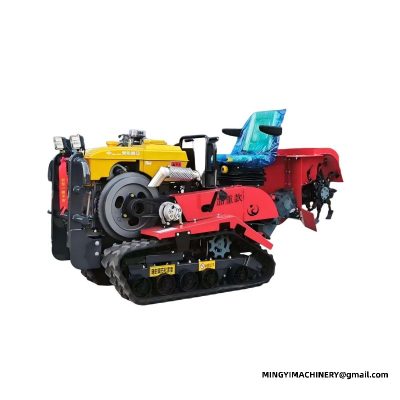
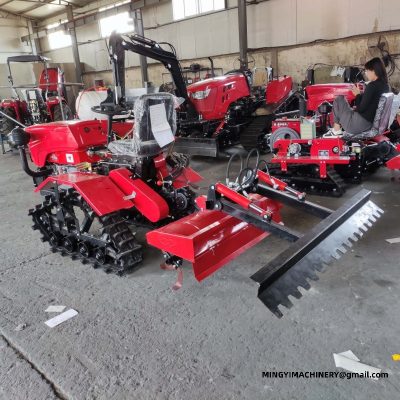
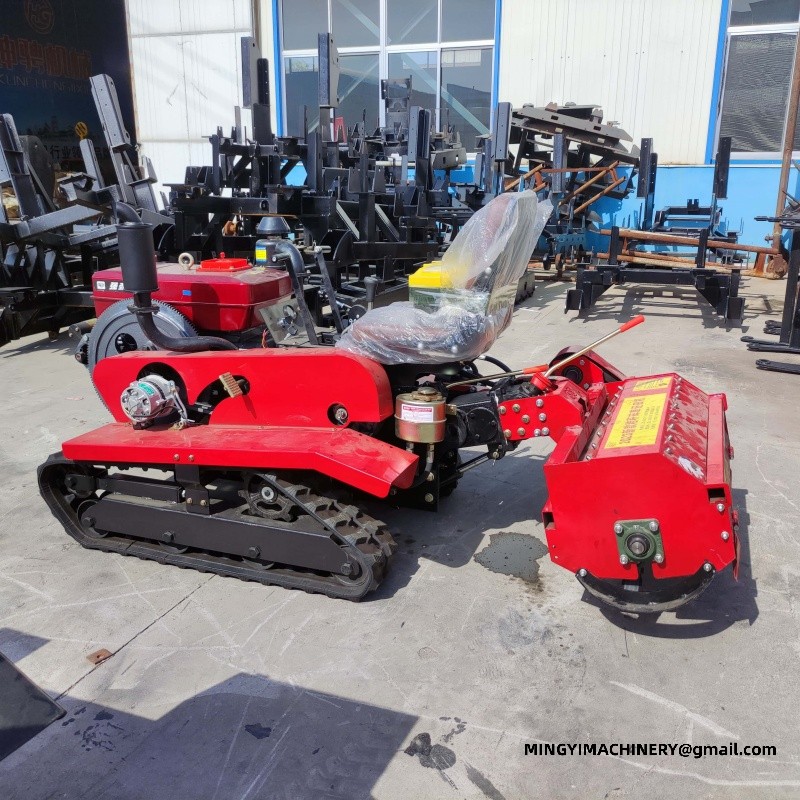
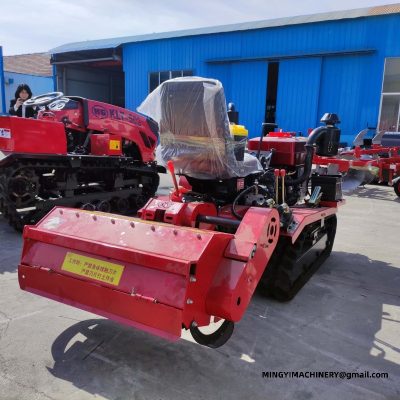
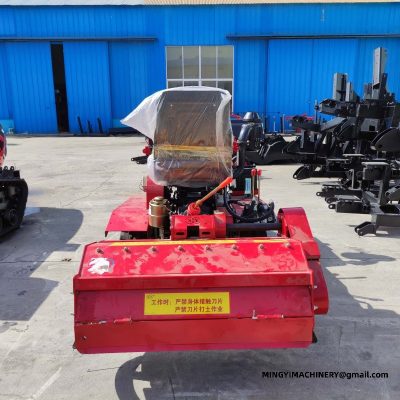
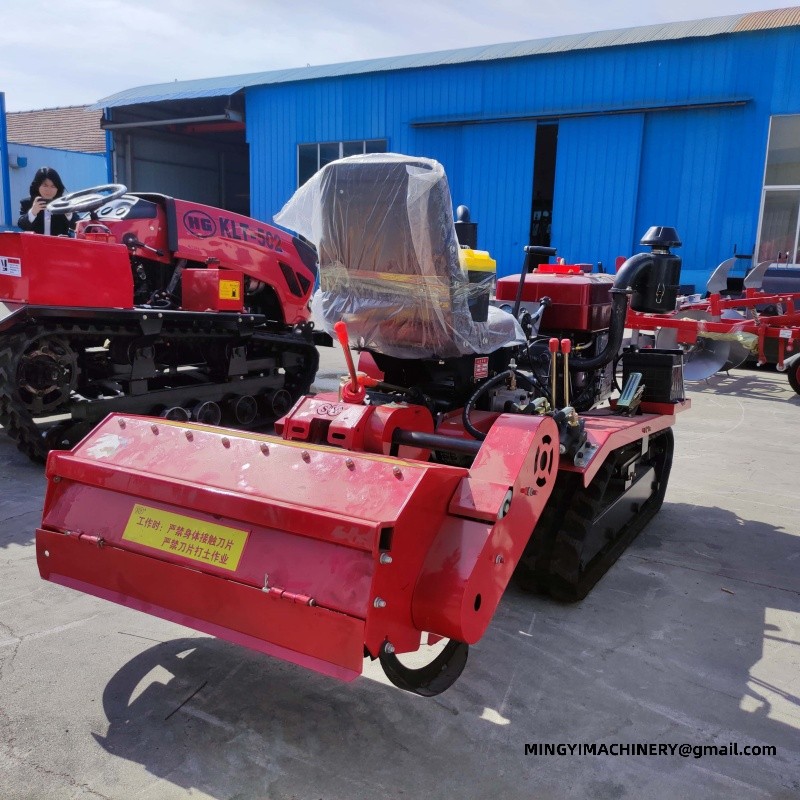
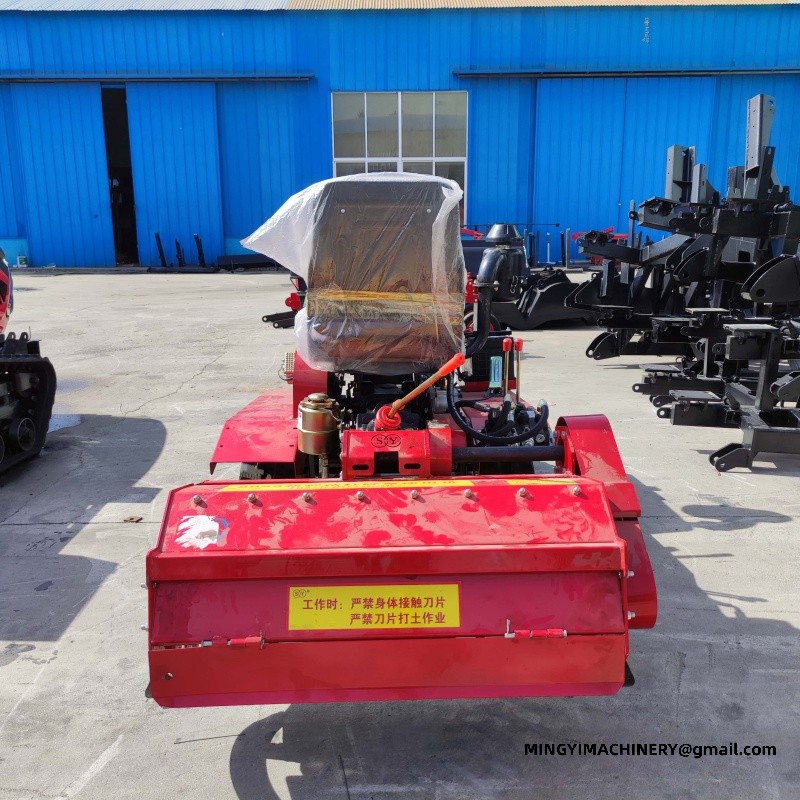
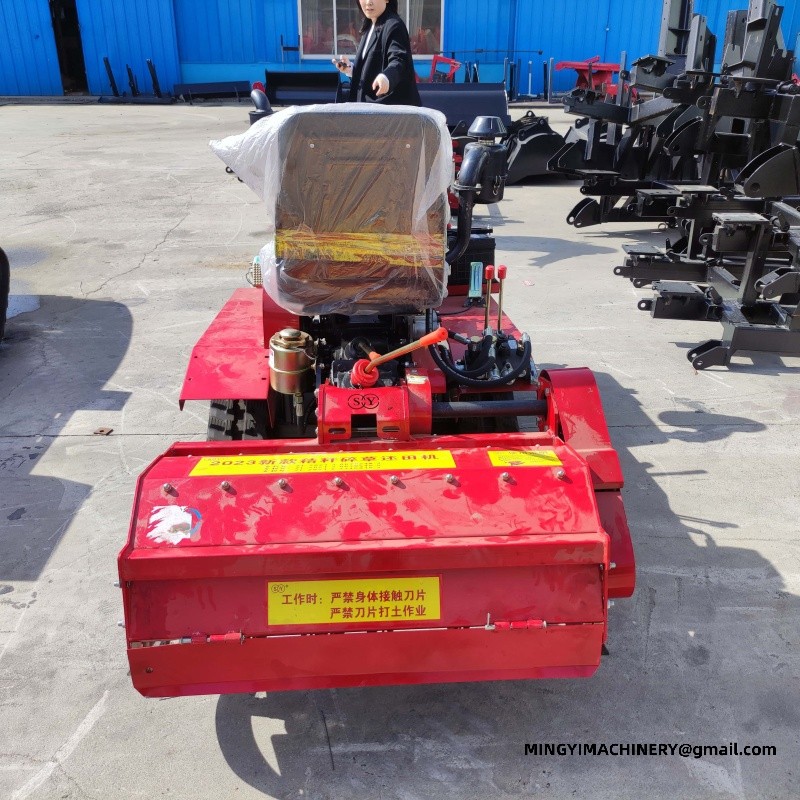
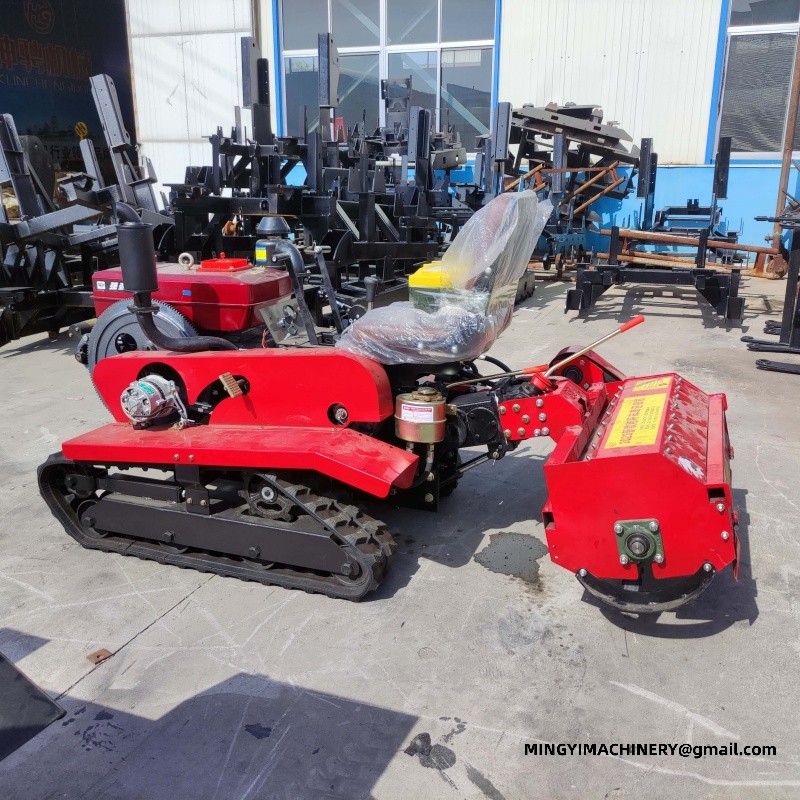
The track is what makes the machine usable on soft ground. A wider track spreads the weight of this class of machine over more area and lowers ground pressure, which is the difference between working after rain and waiting for the field to dry. Track tension and wear matter more than most owners expect. The tiller run with slack tracks wears the sprockets and rollers, and the effort of that neglect is a full undercarriage rather than an adjustment.
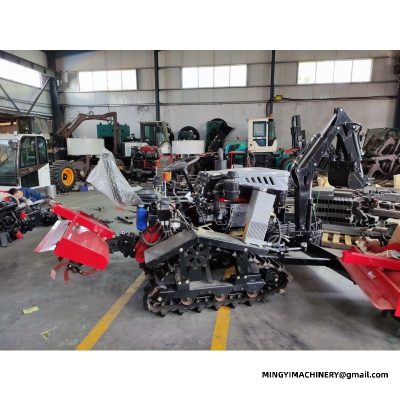
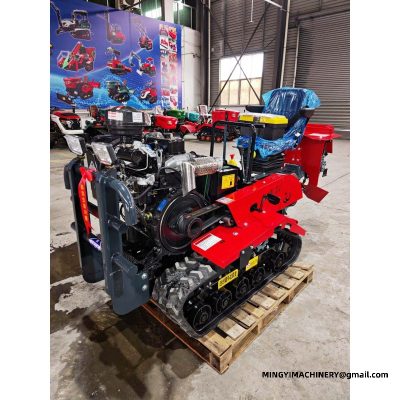
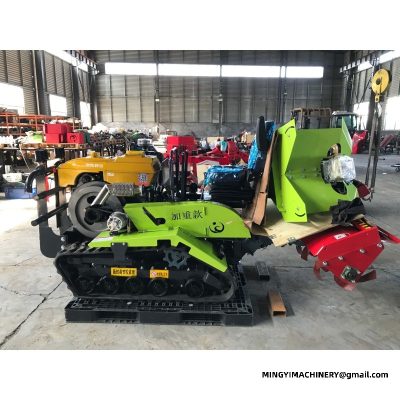
The models below cover the crawler rotary tiller range. Power, working condition, engine series and track width are confirmed together, because the field the machine works in decides the track and the engine before the working width matters.
| Model | Working condition | Engine series | Induction | Track width |
|---|---|---|---|---|
| 60 hp wet and dry field crawler rotary tiller | wet and dry field | 495 series | — | — |
| 70/75 hp wet and dry field crawler rotary tiller | wet and dry field | 490 series | turbocharged | — |
| 100 hp wet and dry field crawler rotary tiller | wet and dry field | — | — | 350 mm |
| 50 hp dry field crawler rotary tiller | dry field | 490 series | — | — |
| 60 hp dry field crawler rotary tiller | dry field | 495 series | — | — |
| 70/75 hp dry field crawler rotary tiller | dry field | 490 series | turbocharged | — |
| 80 hp wet and dry field crawler rotary tiller | wet and dry field | 495 series | turbocharged | — |
| 80 hp wet and dry field crawler rotary tiller | wet and dry field | 495 series | turbocharged | — |
| Item | Note |
|---|---|
| sprayer | — |
| dozer blade | — |
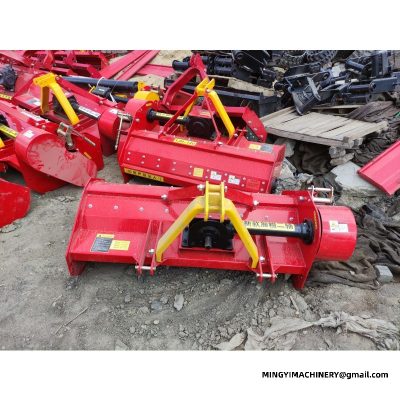
| rotary tiller , 1.8 m working width , 125 gearbox | — |
| rotary tiller , 2.2 m working width , 150 gearbox | — |
| engineering bucket | — |
| rotary tiller , 1.7 m working width , 125 gearbox | — |
| vine burying machine | — |
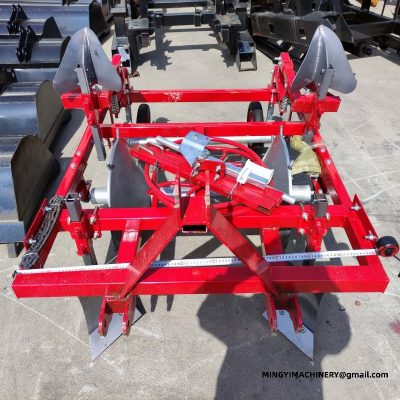
| land leveller2.2 m -4.4 m | working width 2.2 m |
Holding spares is about downtime rather than the shelf itself. The question for the machine itself is not how large the part is but how long the machine sits while it is found, and a small shelf answers that better than a fast courier.
The symptom is usually not at the fault. A hydraulic function that has become sluggish on the machine in that duty may point to a filter, a relief setting or a pump, and starting with the simple checks avoids the wrong guess.
Tropical operation is a specification question as much as a maintenance one. The cooling capacity, the sealing and the corrosion protection fitted to a machine built for the work are what make the difference once the ambient temperature rises.
Loading is where most damage happens. Ramps, angle of approach and the condition of the ground under them matter more than the machine when the tiller is being loaded, and a careful driver is worth more than a fast one.
Seasonal work rewards a machine that can change duty. Through the year the unit in daily use may move from one task to another, and the attachment list should be chosen for the whole year rather than for the first job.
Commissioning is where the specification meets the ground. The settings chosen for the equipment on site are confirmed against the actual site, and the working pattern is adjusted before the machine is asked for a full day.
Every line above comes from the build sheet for the machine itself, and the final configuration is confirmed against the working conditions and the destination before production.
E-mail:sales@mingycn.com
LINE(ID):mingyicn