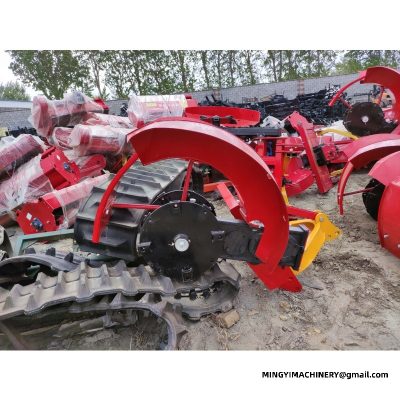
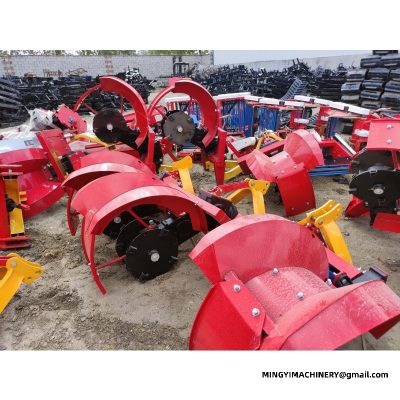
Buyers comparing the tiller are usually weighing the same few things, among them working range, the width of the access, the surface it runs on and how quickly it can be serviced. This page takes each in turn and leaves the numbers together at the end.
Hour planning helps at resale as well. This class of machine with a recorded service history and a sensible hour count is easier to sell than one with the same hours and no records, whatever its condition.
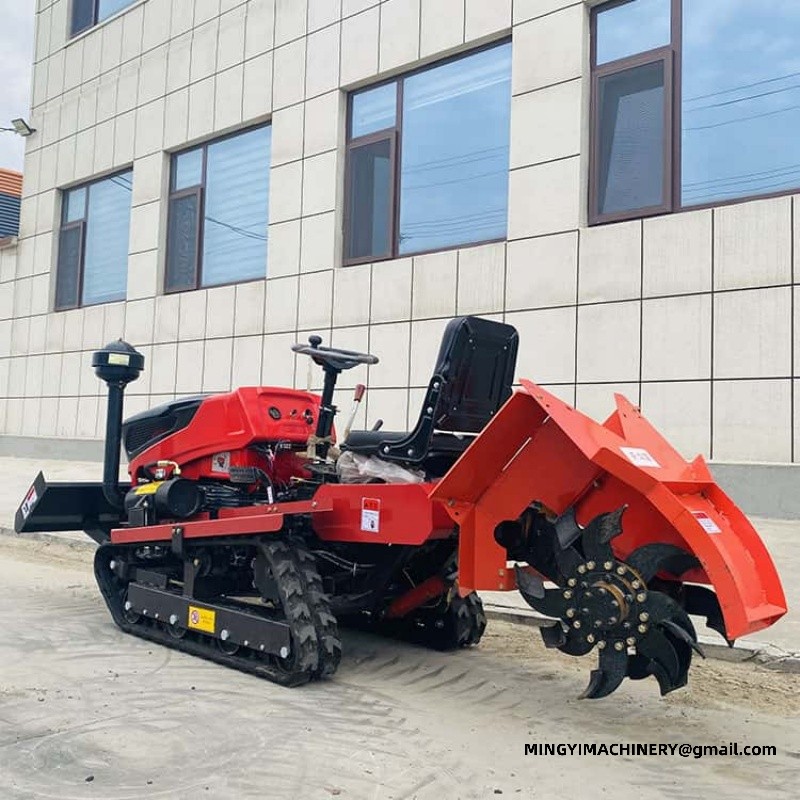
Utilisation matters more than the purchase decision over a few years. The unit in daily use that sits idle ties up the same yard space standing still as one that earns, so the buying decision should follow the hours the machine will realistically work.
Machine productivity depends on what happens around it. Deliveries, other trades and the sequence of work decide how much of the shift a machine of this size spends actually working rather than waiting. Access and storage are worth settling early. Where the equipment on site will be parked, refuelled and serviced on site affects the working day more than most specification details, and it takes nothing to plan.
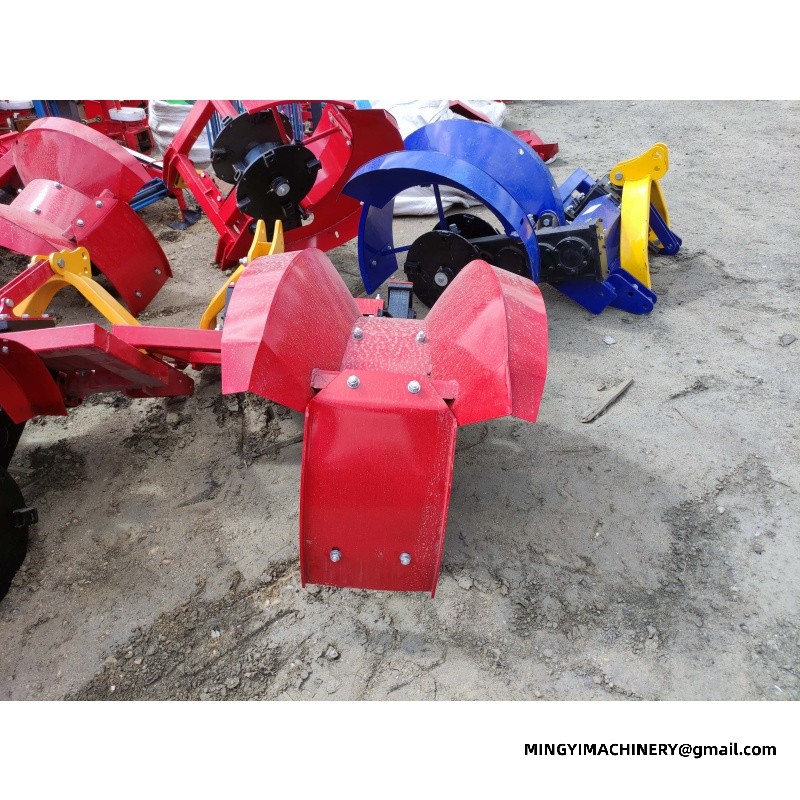
Moving the machine is part of owning it. Overall length, width and height decide which trailer or container the machine itself fits, and a machine that needs a permit or an abnormal load escort is a machine with a delivery delay built in. Owners who work across several sites should check the transport dimensions before ordering. The model in question that fits a standard trailer can be moved by any operator with a suitable vehicle, while an over-width machine narrows that choice and complicates every move. Shipping dimensions matter as much on export orders as they do locally. Confirming the packed size of the machine in that duty before booking avoids re-booking freight after the machine is built.
Most failures start as something small that a walk-around would have caught. Fluid levels, belt tension, tyre or track condition and any fresh leak are the items worth two minutes at the start of each shift on the unit on the job. A simple log helps. Recording hours, fuel and any adjustment made to a machine built for the work gives the workshop a history, and that history is what turns an intermittent fault into a one-visit repair instead of three.
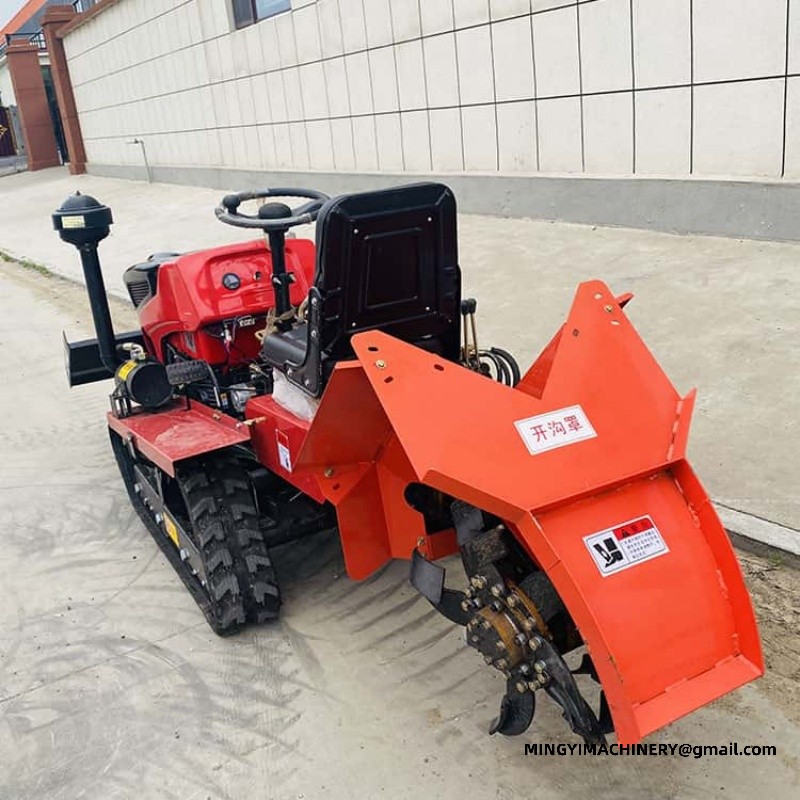
Soil moisture decides the outcome more than power does. Working the equipment in service when the ground is too wet smears the furrow and compacts below it, and the damage shows up in the following crop rather than in the same week.
Records are part of the asset. Keeping the service history and the hour records with the tiller makes it easier to sell, easier to insure and easier to justify the replacement machine internally.
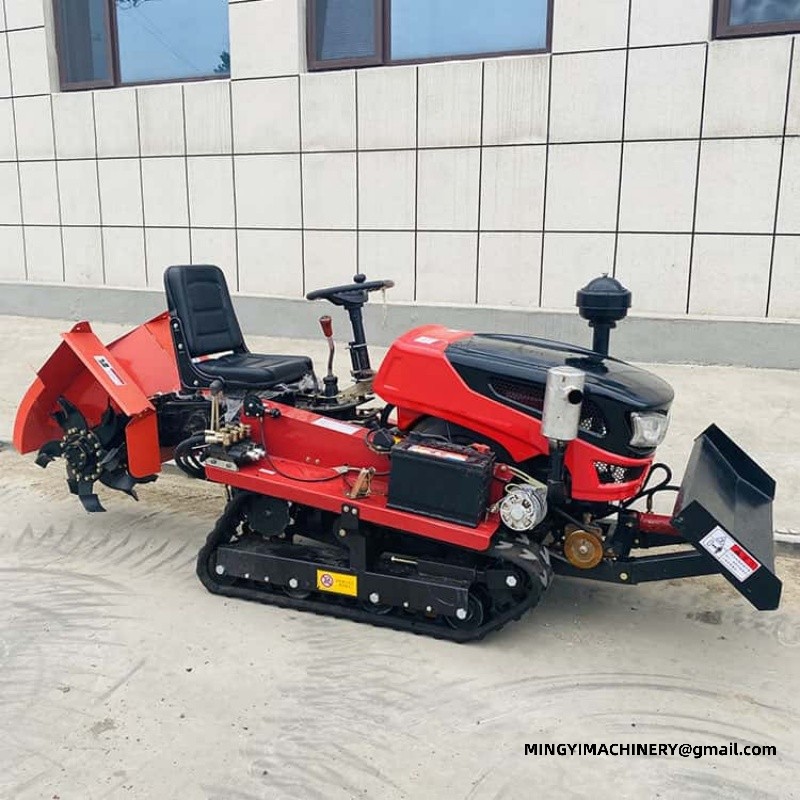
Build options are where a standard machine becomes the right machine. Colour, guarding, lighting, seating and hydraulic provisions can usually be set at build time on this class of machine, and are far simpler then than as a retrofit. Fleet buyers often want consistency rather than variety. Specifying the unit in daily use so that several units share controls, filters and service points reduces training time and keeps the parts shelf small. Customisation should still be limited to what the work needs. Each addition to a machine of this size is another item to maintain, so the useful question is not what can be added but what the job list actually requires.
Standing water hides the ground underneath. Working the machine itself in a paddy means accepting slower progress and planning the turns, because the places where the machine sinks are the places where the soil has already been disturbed.
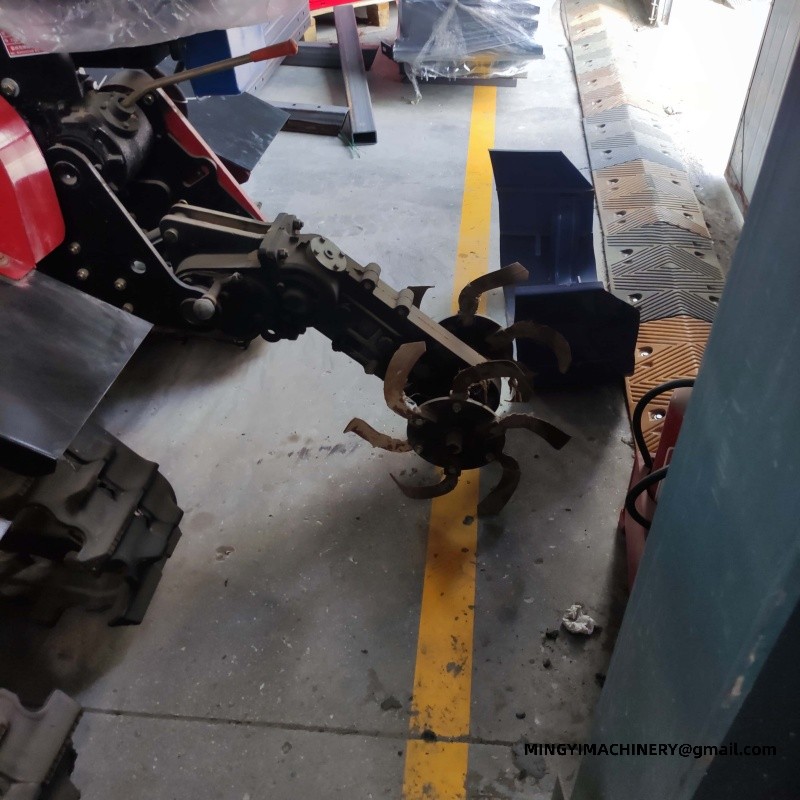
Delivery planning includes the receiving end. Knowing whether the machine in that duty will be craned, driven or forked off, and whether the site can accept it, is settled before dispatch rather than on the day.
Power unit choice is usually a parts question, not a performance one. Two buyers can order the same the equipment in service and sensibly choose different engines, because the right answer depends on which brand the local workshop already supports. Matching the engine to the duty matters more than the peak rating. A machine built for the work that spends its day at part load benefits from a different setup than one that works at full output, and the difference shows in fuel use over a season.
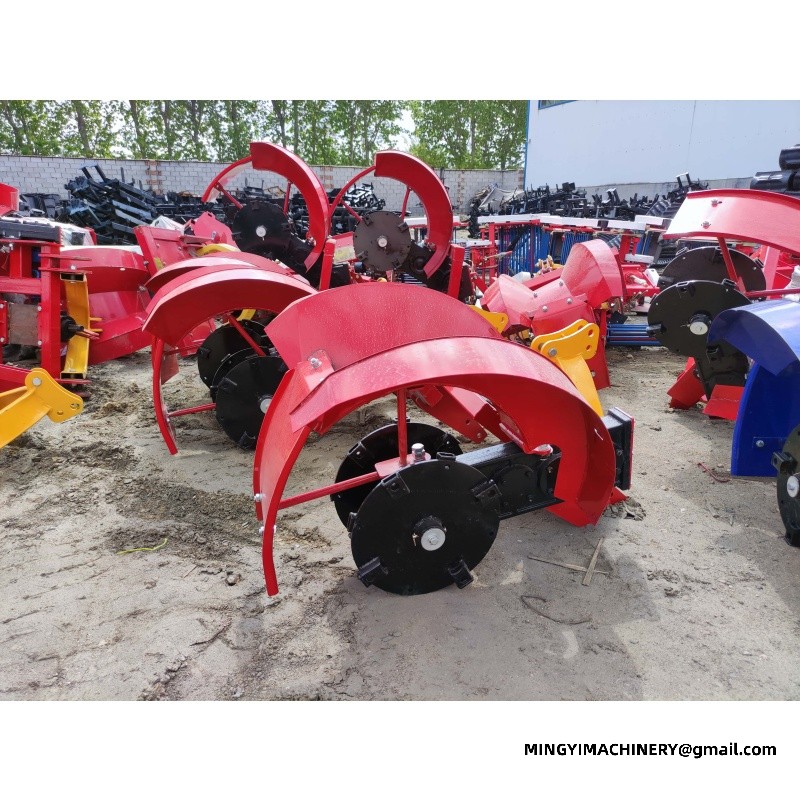
Replacing wear items early is usually simpler. Worn components on this class of machine load the parts they run against, so a worn part left too long often becomes a major repair.
Keeping a spare set is simple insurance. During a short season the difference between working and waiting on a machine of this size is often a set of blades and the half hour needed to fit them.
Standing still is hard on machinery. The machine itself left for weeks benefits from a clean, dry, covered space, a charged battery and a fuel system prepared for the layoff, and all three effort very little.
Ballast and attachment weight change the machine. Adding a heavy tool to the machine in that duty moves the centre of gravity, and the counterweight or configuration should be matched to the tool rather than assumed.
Reconfiguration can extend the useful life of a machine. A machine built for the work that no longer suits the current work may suit it again with a different attachment, guarding or control arrangement. The decision is economic as well as technical. Comparing the work of reconfiguring the equipment in service against a different machine is a short calculation that usually gives a clear answer.
Ground decides more of the outcome than power does. Soft, wet or loose surfaces call for a wider footprint and lower ground pressure, while hard standing allows a narrower machine that turns in less space and travels faster between tasks. The working surface should be surveyed before this class of machine is specified. A machine that is stable on compacted gravel can be unusable on the same site after rain, and the difference shows up as lost days rather than as a fault.
Depth is set by the gauge and by the ground, not by the lever alone. A machine of this size that is set too deep loads the engine and the gearbox without improving the seedbed, and the extra depth is usually wasted effort. An even tilth is the point of the pass. Depth that varies across the width of the equipment on site gives a seedbed that germinates unevenly, and the cause is usually a worn blade set rather than the setting. Second passes effort time and fuel. Getting the depth and speed right on the first pass with the machine itself is the simplest improvement available, and it is mostly a matter of operator habit.
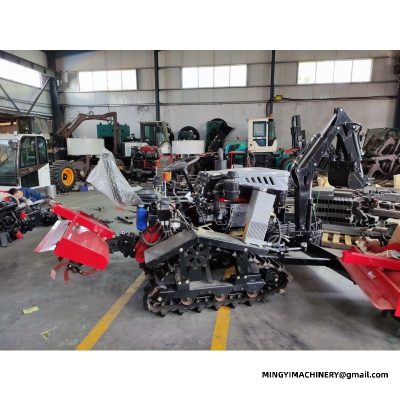
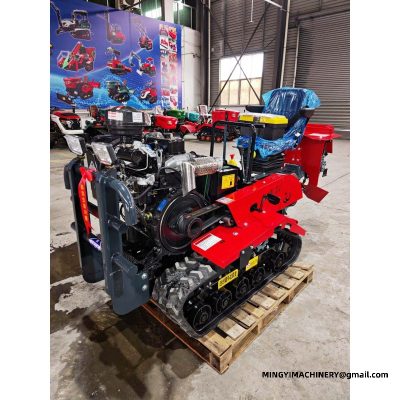
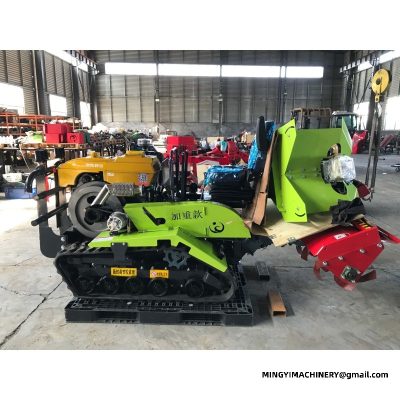
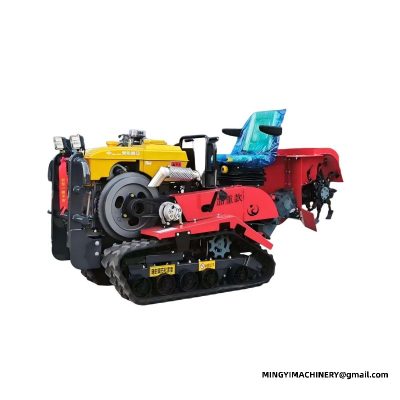
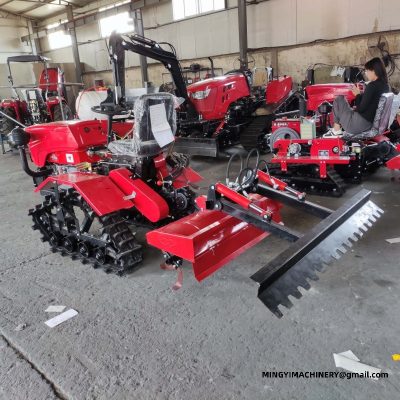
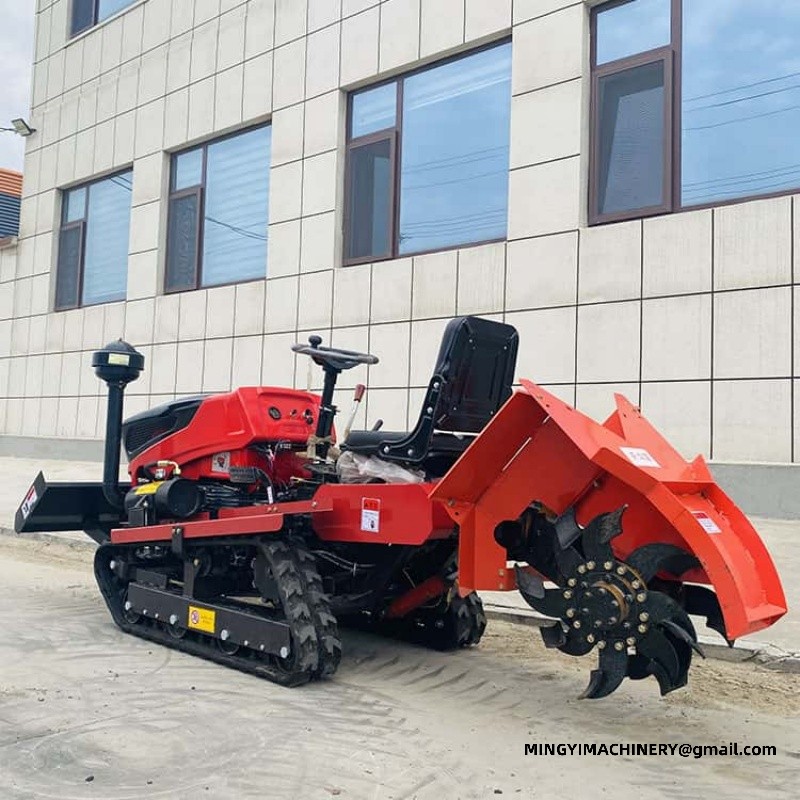
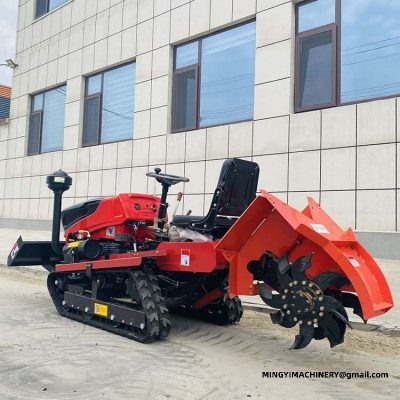
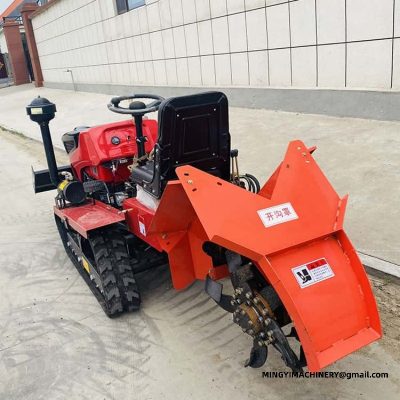
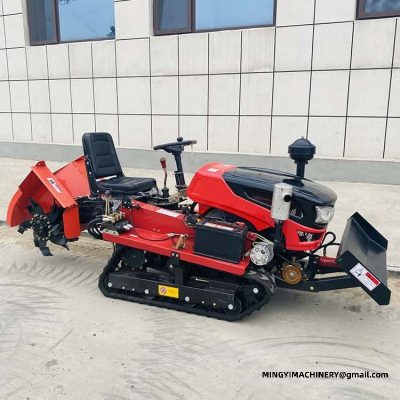
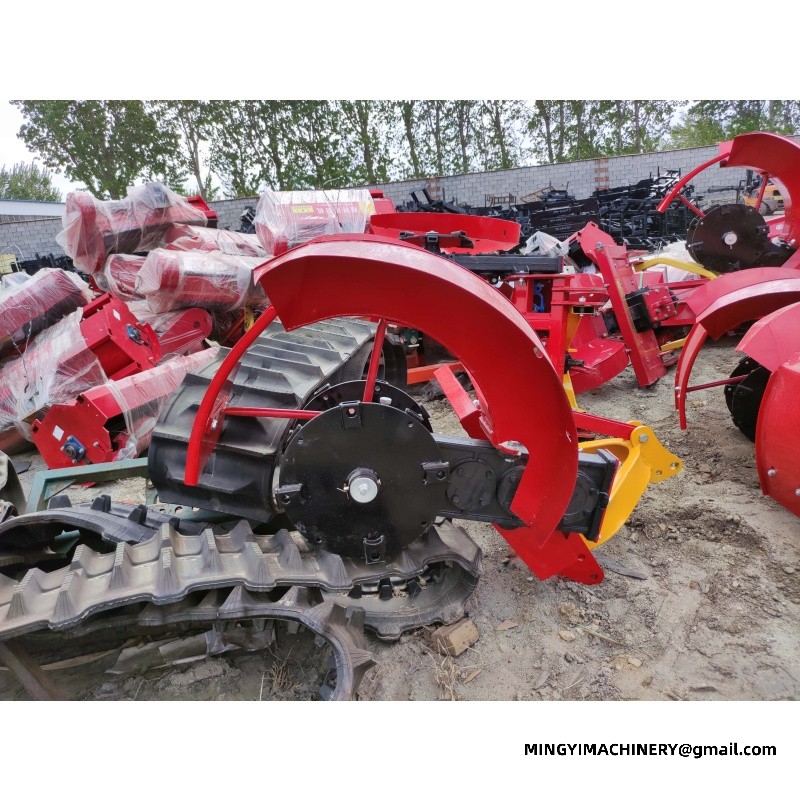
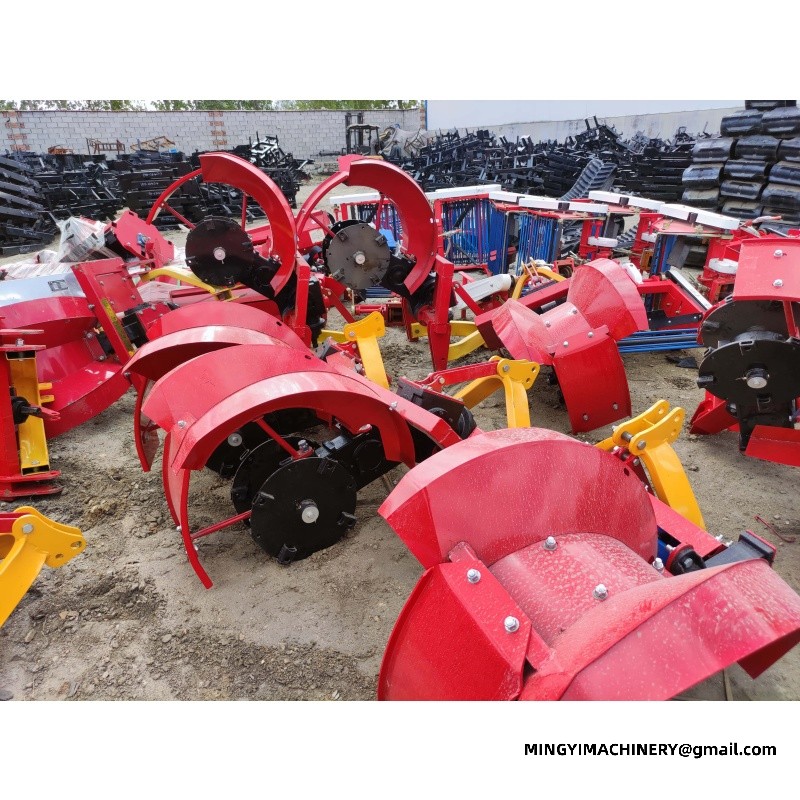
The models below cover the crawler rotary tiller range. Power, working condition, engine series and track width are confirmed together, because the field the machine works in decides the track and the engine before the working width matters.
| Model | Working condition | Track width | Engine series | Induction |
|---|---|---|---|---|
| 120 hp paddy field crawler rotary tiller | paddy field | 350 mm | — | — |
| 50 hp dry field crawler rotary tiller | dry field | — | 490 series | — |
| 80 hp wet and dry field crawler rotary tiller | wet and dry field | — | 495 series | turbocharged |
| 70/75 hp dry field crawler rotary tiller | dry field | — | 490 series | turbocharged |
| 70/75 hp wet and dry field crawler rotary tiller | wet and dry field | — | 490 series | turbocharged |
| 60 hp dry field crawler rotary tiller | dry field | — | 495 series | — |
| 130 hp paddy field crawler rotary tiller | paddy field | 350 mm | — | — |
| 60 hp wet and dry field crawler rotary tiller | wet and dry field | — | 495 series | — |
| Item | Note |
|---|---|
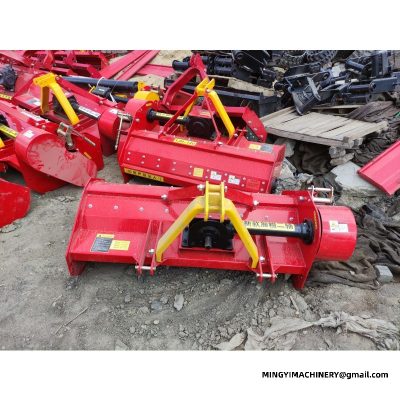
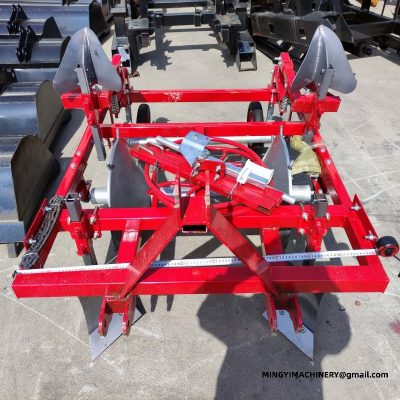
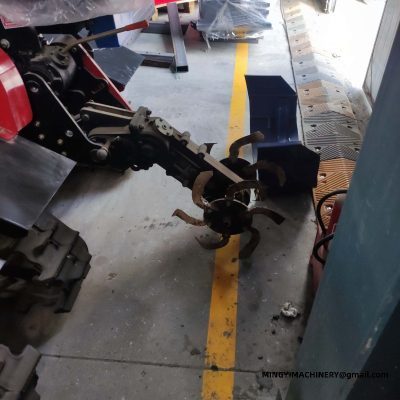
| rotary tiller , 1.6 m working width , 125 gearbox | — |
| engineering bucket | — |
| dozer blade | — |
| rotary tiller , 2.2 m working width , 150 gearbox | — |
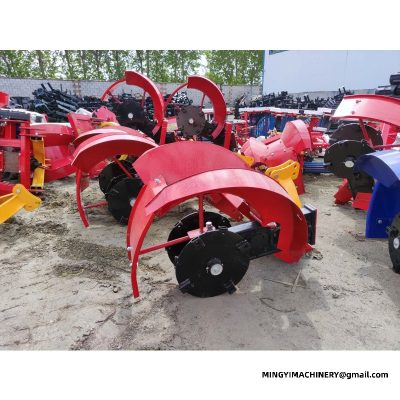
| 1.6 m rotary tillageridgingcombined machine | working width 1.6 m |
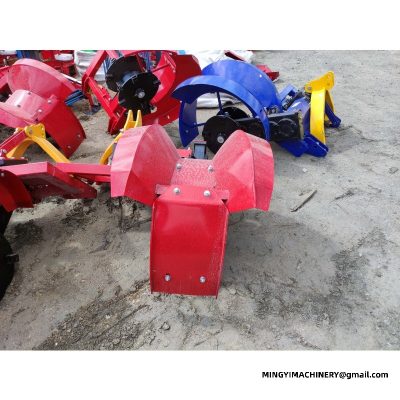
| offset trencher | — |
| simple cab | — |
| sprayer | — |
The first hour on site should be slow. Before a machine built for the work is put to work the fluid levels are rechecked after transport, the fasteners are gone over and the machine is run light so that anything loosened in transit shows up early.
Downtime is simplest when it is planned. Booking the service for the tiller in the quiet part of the season takes nothing from the schedule, while the same work in the busy weeks gives up a day of output every time.
Most additions are easier to plan than to add. Hydraulic services, mounting brackets and electrical capacity on the unit in daily use are build items, and deciding them at the specification stage is far easier than doing it later.
The last hour before packing is the best time to find a fault. Running the equipment on site through its full working cycle, checking for leaks under load and confirming that the controls match the specification avoids a conversation across time zones later.
Cold exposes weak batteries, thick oil and water in the fuel. Preparing the model in question for winter means the right grade of oil, a battery in good condition and fuel that will not wax in the tank overnight.
A spares list should follow the duty cycle. The unit on the job working every day in abrasive dust consumes filters and cutting edges far faster than the same machine used once a week, and the shelf should be stocked for the harder case.
Most engine trouble starts with what went into the tank. Clean fuel, stored properly and filtered before it reaches the equipment in service, prevents more downtime than any other single habit an owner can adopt.
Rubber, seals and hoses age whether the machine works or not. Keeping this class of machine out of direct sun and off damp ground slows that, and running it briefly at intervals keeps everything moving.
Every line above comes from the build sheet for the unit in daily use, and the final configuration is confirmed against the working conditions and the destination before production.
E-mail:sales@mingycn.com
LINE(ID):mingyicn