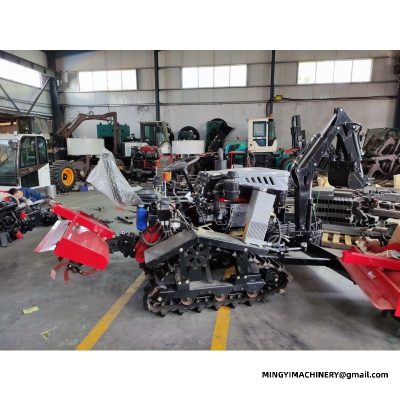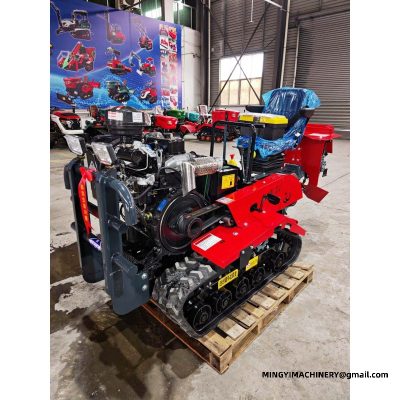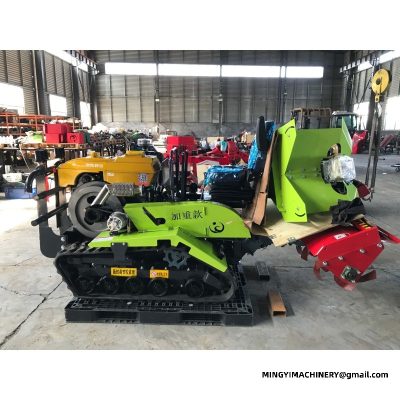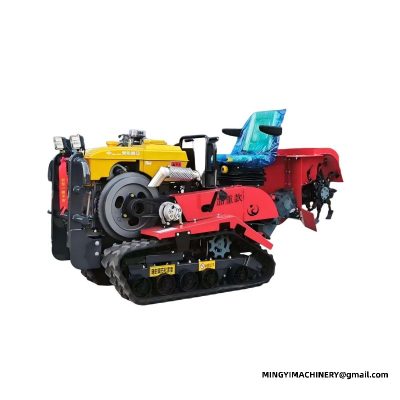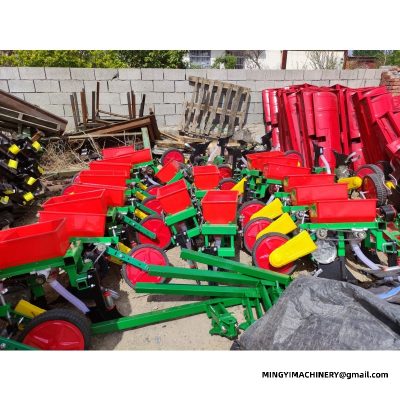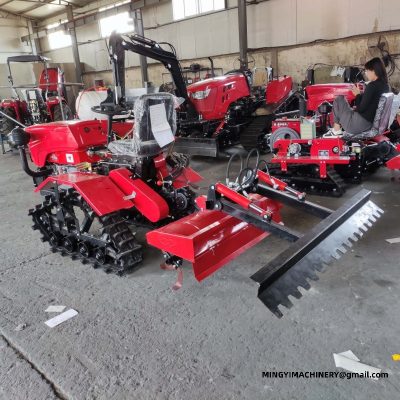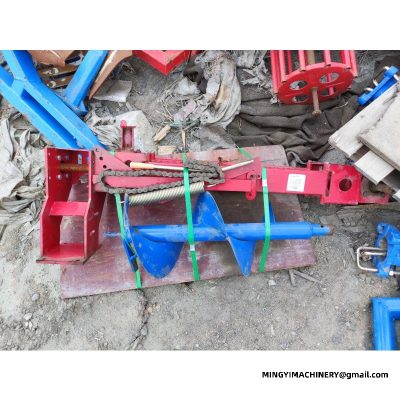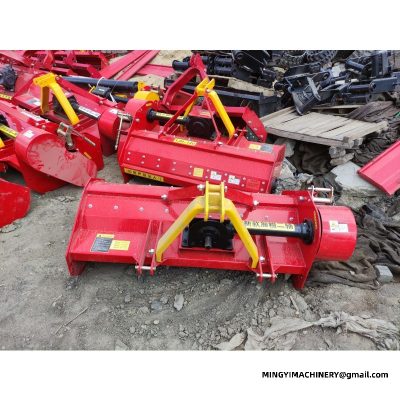
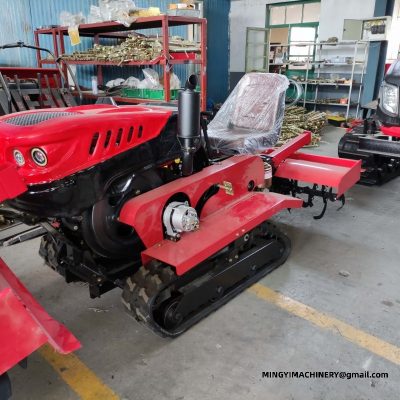
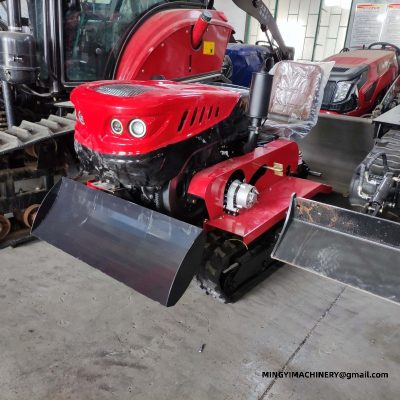
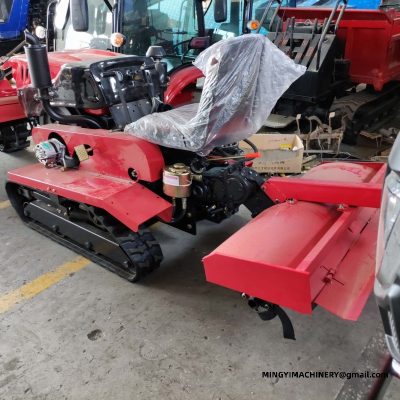
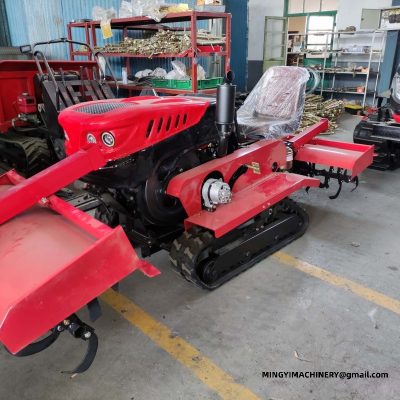
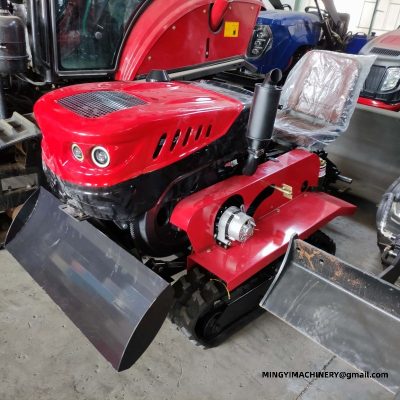
Nothing about the tiller is complicated, but the details are easy to overlook. This page gathers them in one place, from the build and the daily checks through to transport, documents and the support that comes after delivery.
Resale starts at purchase. Specification choices, service records and the condition of wearing parts are what a buyer looks at, and this class of machine that has been maintained on schedule is worth more than one that merely looks clean. Replacement timing is a planning decision. Knowing the intended working life of the unit in daily use lets an owner sell while the machine still has value rather than after a major repair becomes due. Records are part of the asset. Keeping the service history and the hour records with a machine of this size makes it easier to sell, easier to insure and easier to justify the replacement machine internally.
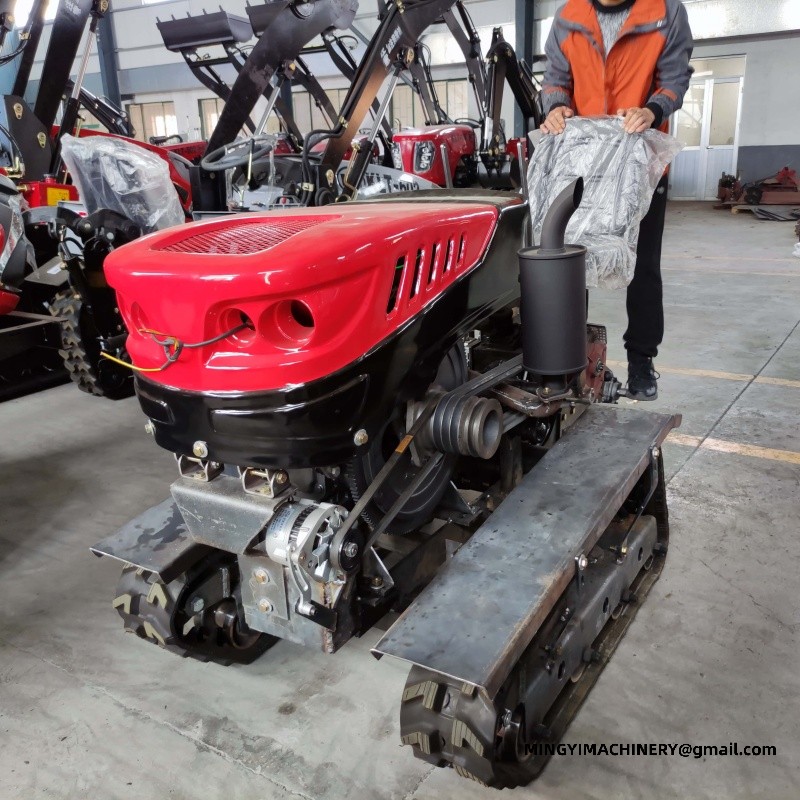
Cleaning is maintenance, not appearance. Washing the cooling surfaces and clearing packed material from the equipment on site keeps temperatures where they should be and makes the next inspection quicker and more useful. Sealed points and guarded areas deserve a look in these conditions. The machine itself working in abrasive dust benefits from checked boots, intact guards and clean breathers, all of which are quick to verify.
Cold changes how a machine starts and how it warms up. Allowing the model in question to reach operating temperature before loading it, and using the correct grade of oil and fuel for the season, prevents most cold-start problems. Batteries and fluids are the parts that notice the cold first. The machine in that duty kept on a maintainer through a freezing spell starts on the first turn, while one left standing is the usual cause of a lost morning.
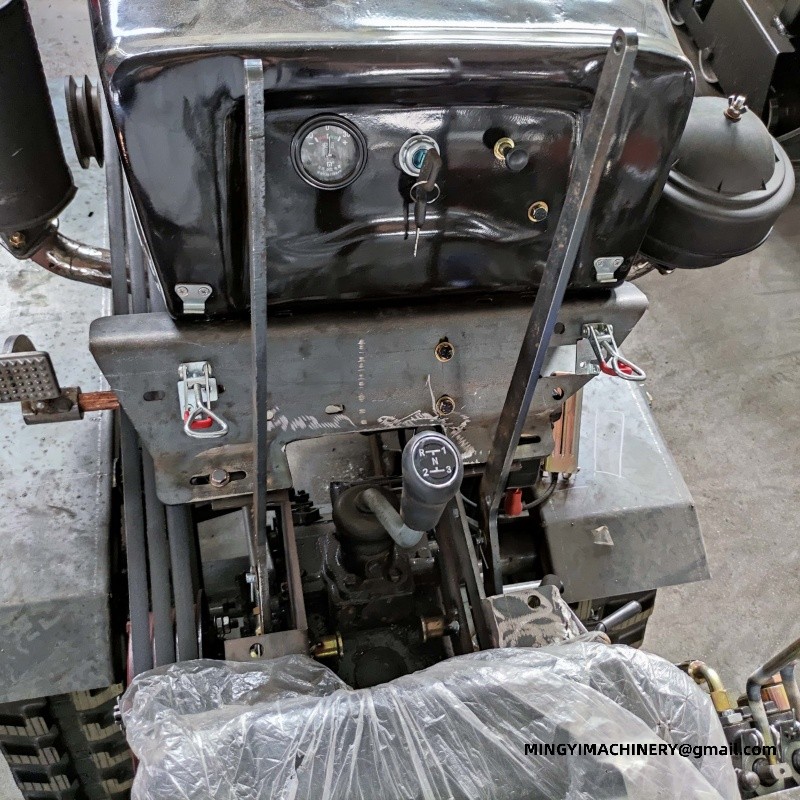
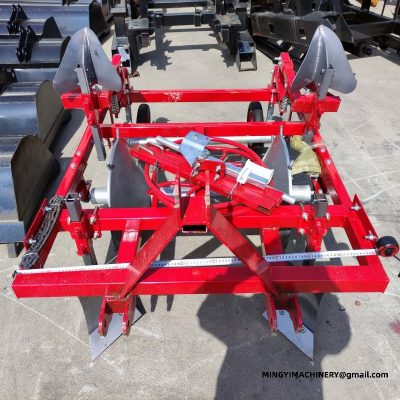
The implement is driven from the rear PTO, so the gearbox rating matters. Matching the gearbox of the unit on the job to the widest implement the farm will run avoids a machine that is fine on a tiller and short on a trencher.
Sequencing avoids rework. Doing the work in the order that suits the ground and the following trades keeps a machine built for the work productive and prevents finishing a task that then has to be opened up again.
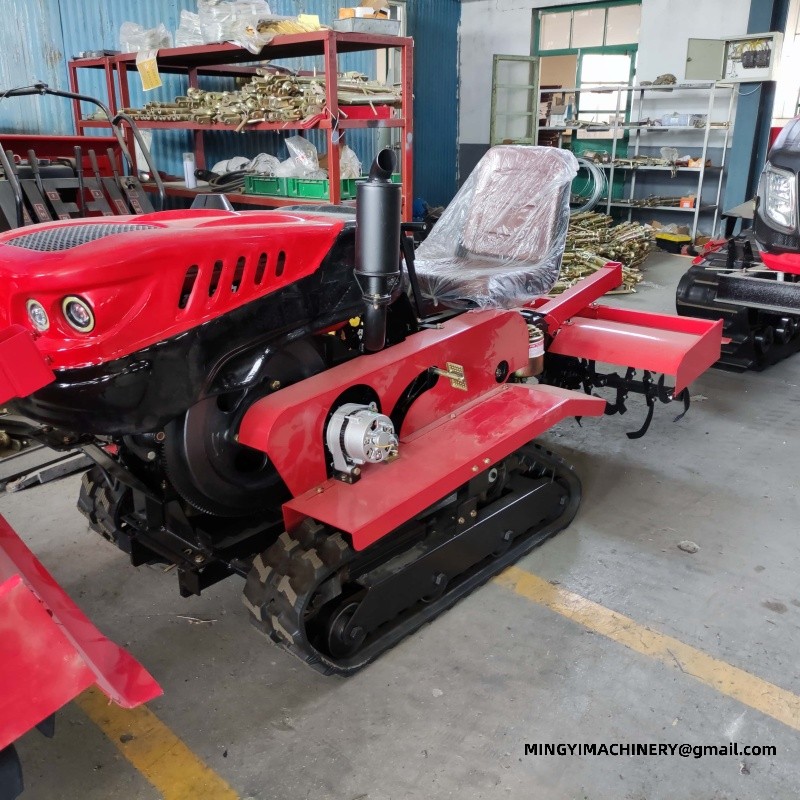
Blade wear is uneven across the width. Rotating and renewing the set on the equipment in service before the worst blade fails keeps the tilth even and avoids the vibration that damages the rotor bearings.
Stability follows the load and its position. Knowing the rated capacity of the tiller at the working radius, rather than at its best case, is what keeps handling predictable and the machine upright. Carrying and travelling with a load needs its own plan. Speed, gradient and surface all matter more once this class of machine is loaded, and the safe combination is the conservative one.
Parts availability usually decides the engine and the brand. A machine built around components the local network already carries is serviced from stock, which is the difference between a day lost and a week lost. Remote diagnosis shortens most faults. A walk-around on video with the panels open often identifies the cause on the unit in daily use without waiting for a visit, and avoids shipping a part that turns out not to be needed.
Duty cycle is the honest measure of a machine. The equipment on site working a few hours a week has different needs from one working two shifts, and the cooling, filtration and service intervals should follow the hours rather than the calendar. Seasonal work changes the maintenance calendar. Machines that work hard for two months and stand for ten need preparation before storage and a check before returning to work, and both are simpler than the repairs they prevent. Hour planning helps at resale as well. The machine itself with a recorded service history and a sensible hour count is easier to sell than one with the same hours and no records, whatever its condition.
Fleet buyers often want consistency rather than variety. Specifying the machine in that duty so that several units share controls, filters and service points reduces training time and keeps the parts shelf small. Customisation should still be limited to what the work needs. Each addition to the unit on the job is another item to maintain, so the useful question is not what can be added but what the job list actually requires.
Dust and sun are the daily conditions. The equipment in service fitted with a canopy or an enclosed cab keeps the operator working through a long day, and on a hot season that difference is measured in hours rather than comfort. Visibility from the seat decides working quality. Being able to see the rotor and the edge of the pass from the tiller is what gives a straight, even working width without repeated correction.
Documentation should be agreed at order stage. The commercial invoice, packing list and any certificate required at destination are part of shipping the unit in daily use, and missing papers delay clearance longer than the voyage takes.
Emissions documentation is part of engine selection for some destinations. Confirming which units can be supplied and documented for the destination country is worth doing at enquiry stage rather than after the build sheet is signed. Matching the engine to the duty matters more than the peak rating. The equipment on site that spends its day at part load benefits from a different setup than one that works at full output, and the difference shows in fuel use over a season.
Wet and dry field versions exist for a reason. The model in question built only for dry land will struggle in a paddy, while one built for both gives up a little on each and is usually the better choice for a mixed farm.
Ground decides more of the outcome than power does. Soft, wet or loose surfaces call for a wider footprint and lower ground pressure, while hard standing allows a narrower machine that turns in less space and travels faster between tasks. The working surface should be surveyed before a machine built for the work is specified. A machine that is stable on compacted gravel can be unusable on the same site after rain, and the difference shows up as lost days rather than as a fault. Traction and flotation are two separate questions. The unit on the job may have the power for a slope and still not have the grip, so the surface, not the engine rating, is usually what limits the working day.
Utilisation matters more than the purchase decision over a few years. The tiller that sits idle ties up the same yard space standing still as one that earns, so the buying decision should follow the hours the machine will realistically work. Standardising where possible simplifies everything downstream. When several units of this class of machine share a service schedule and a parts list, the fleet becomes easier to plan and easier to sell on at replacement time.
Handover should include the documents as well as the keys. Parts list, service schedule and the operator notes for a machine of this size are what the workshop needs in month six, and they are much harder to obtain later.
Reconfiguration can extend the useful life of a machine. The machine itself that no longer suits the current work may suit it again with a different attachment, guarding or control arrangement. Upgrades should be checked against the base machine. Hydraulic capacity, mounting interface and stability all limit what can reasonably be added to the model in question, and confirming those limits avoids an unsatisfactory result.
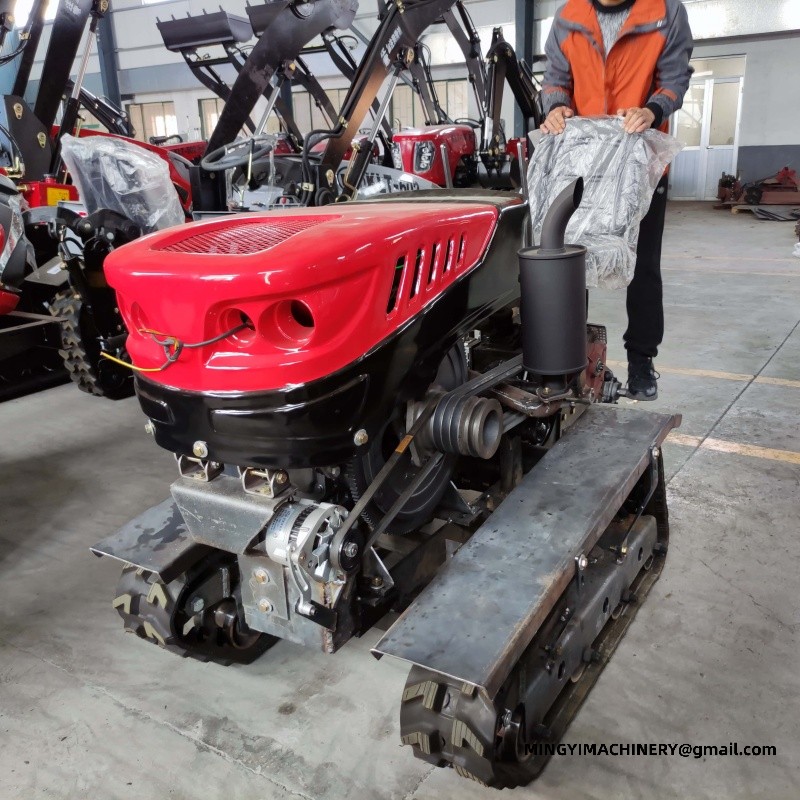
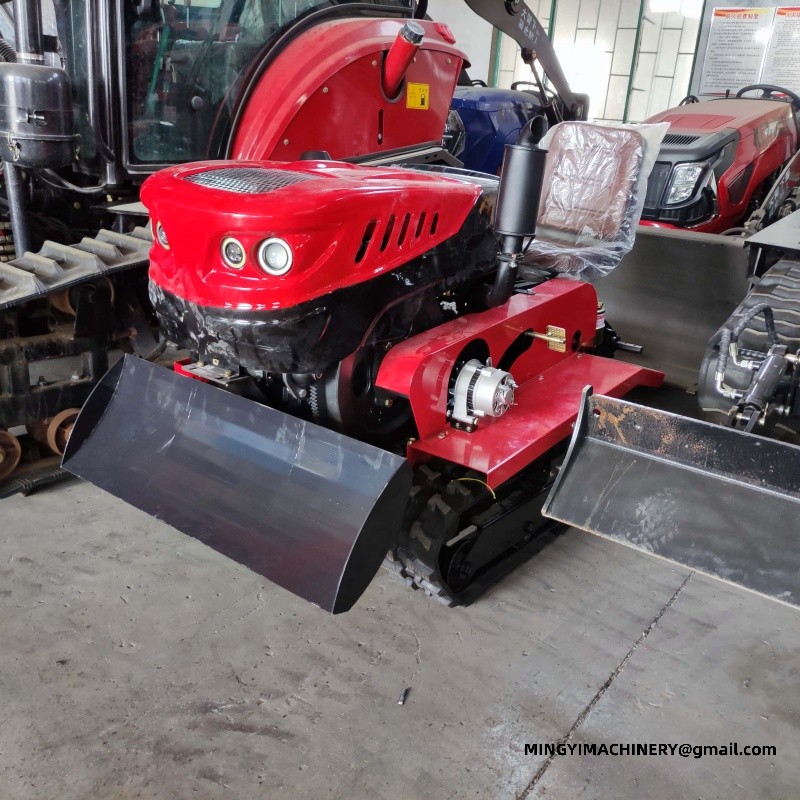
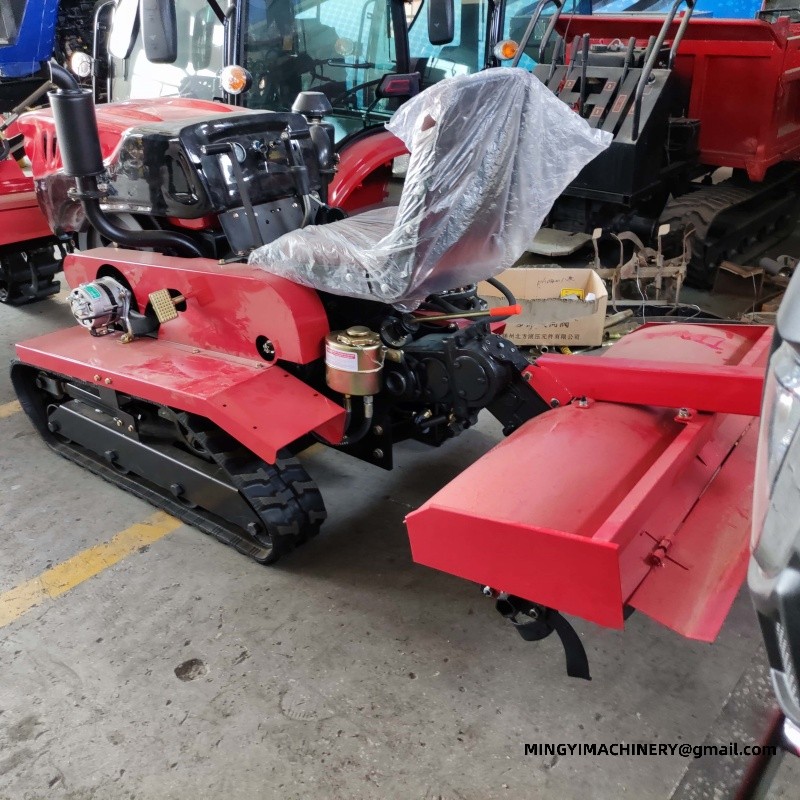
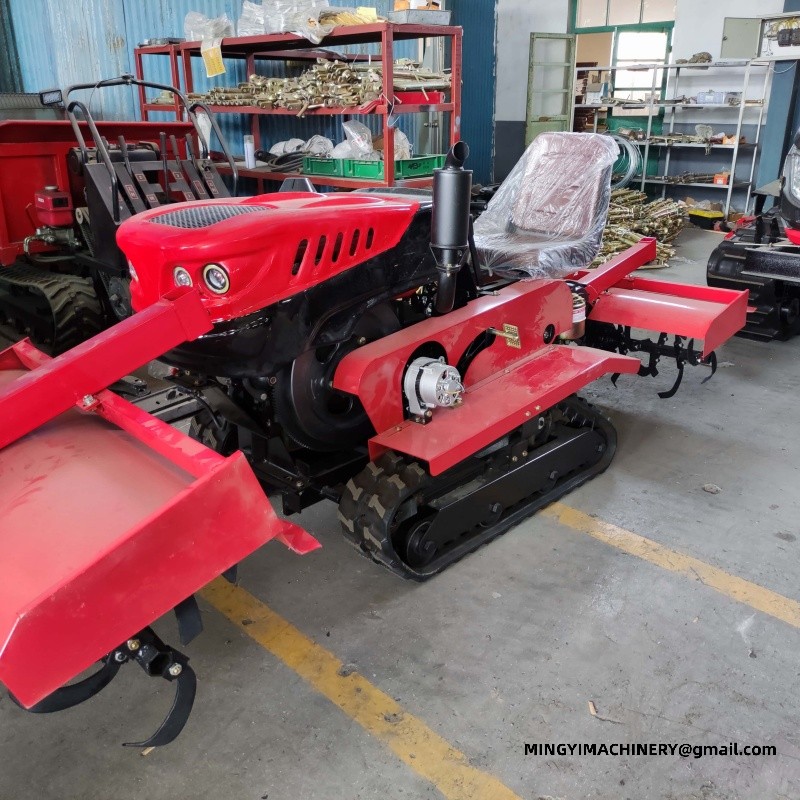
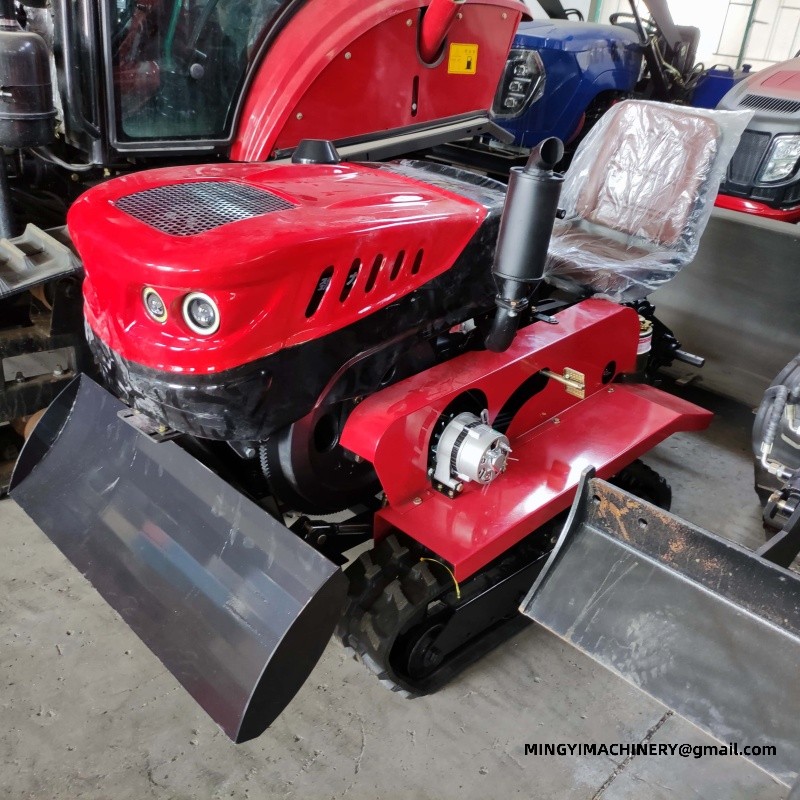
The models below cover the crawler rotary tiller range. Power, working condition, engine series and track width are confirmed together, because the field the machine works in decides the track and the engine before the working width matters.
| Model | Working condition | Track width | Engine series | Induction |
|---|---|---|---|---|
| 120 hp paddy field crawler rotary tiller | paddy field | 350 mm | — | — |
| 50 hp wet and dry field crawler rotary tiller | wet and dry field | — | 490 series | — |
| 70/75 hp dry field crawler rotary tiller | dry field | — | 490 series | turbocharged |
| 60 hp dry field crawler rotary tiller | dry field | — | 495 series | — |
| 60 hp wet and dry field crawler rotary tiller | wet and dry field | — | 495 series | — |
| 50 hp dry field crawler rotary tiller | dry field | — | 490 series | — |
| 130 hp paddy field crawler rotary tiller | paddy field | 350 mm | — | — |
| 80 hp wet and dry field crawler rotary tiller | wet and dry field | — | 495 series | turbocharged |
| Item | Note |
|---|---|
| simple canopy | — |
| rotary tiller , 1.7 m working width , 125 gearbox | — |
| rotary tiller , 1.8 m working width , 125 gearbox | — |
| dozer blade | — |
| rotary tiller , 2.0 m working width , 150 gearbox | — |
| offset trencher | — |
| 1.3 m straw returning | working width 1.3 m |
| 1.6 m rotary tillageridgingcombined machine | working width 1.6 m |
Patterns show up in the record before they show up in the machine. Rising oil consumption or a filter that keeps blocking on the equipment in service is obvious on paper long before it becomes a failure on site.
Later changes are easier when they were anticipated. Asking for the extra hydraulic circuit or the heavier mounting plate on this class of machine at build time adds little and leaves the option open.
Cold exposes weak batteries, thick oil and water in the fuel. Preparing a machine of this size for winter means the right grade of oil, a battery in good condition and fuel that will not wax in the tank overnight.
Operators notice things first because they hear the machine every day. Encouraging the person on the machine itself to report small changes, and acting on them, is the most effective maintenance programme there is.
The machine should be introduced to the site as well as the operator. Walking the route the machine in that duty will take, noting the soft spots and the turns, prevents the kind of first-day incident that has nothing to do with the machine.
Keeping the documents together is part of ownership. The manual, the service record and the build sheet for a machine built for the work belong in one folder, and the machine is easier to sell later when that folder is complete.
A stored machine should be brought back carefully. Before the tiller returns to work the fluids, the brakes and the controls are checked, because months of standing change more than a weekend does.
Different operators suit different work. The person who is quickest with the unit in daily use on open ground is not always the one who is safest in a confined space, and having both available is a genuine advantage.
A machine should be inspected while it is still on our floor rather than after it lands. For the equipment on site that means the engine is run to temperature, the hydraulics are cycled through full travel, and every function is checked against the build sheet before the crate is closed.
Every line above comes from the build sheet for the machine itself, and the final configuration is confirmed against the working conditions and the destination before production.
E-mail:sales@mingycn.com
LINE(ID):mingyicn