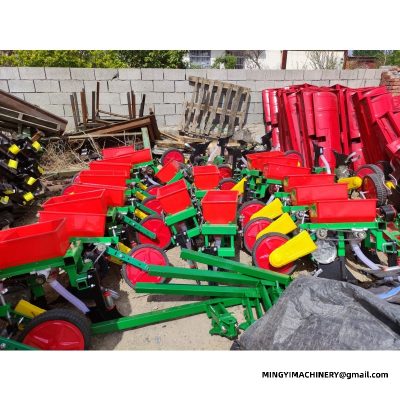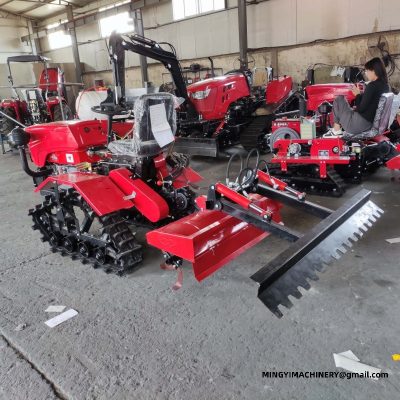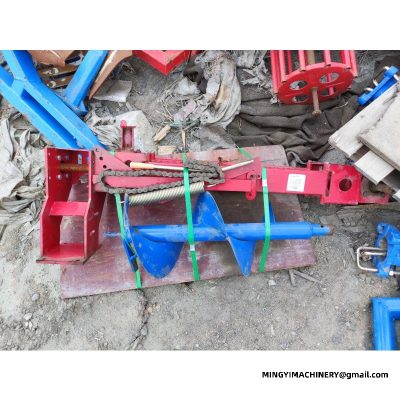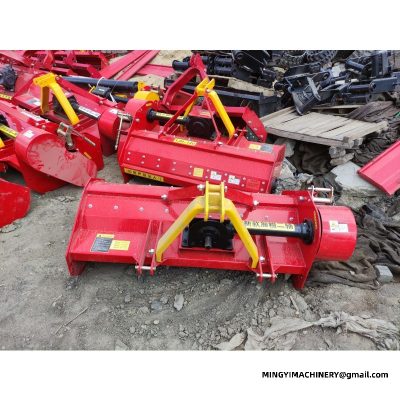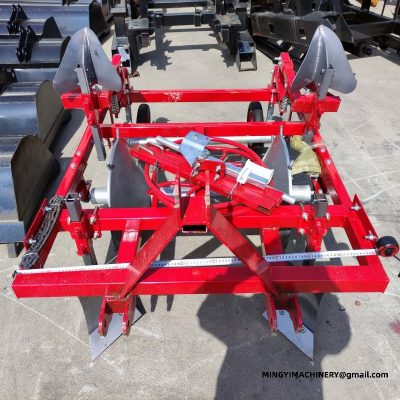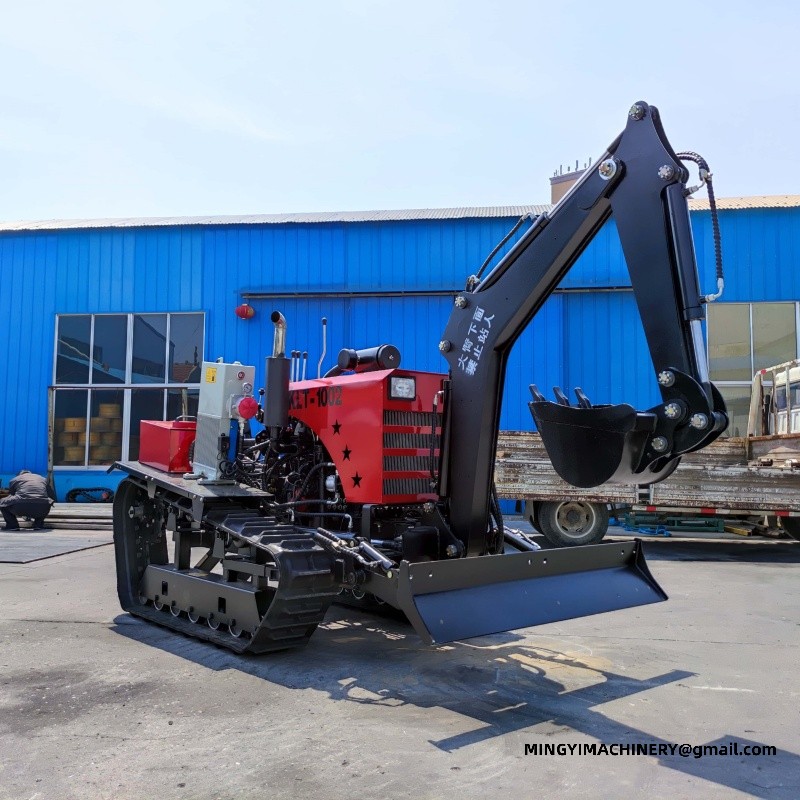
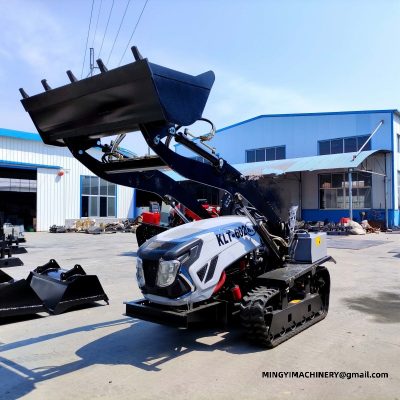
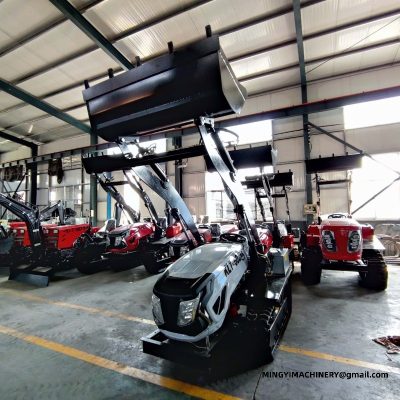
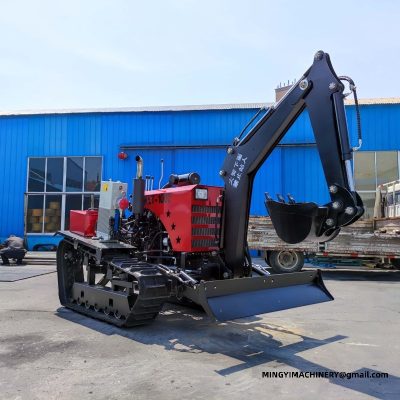
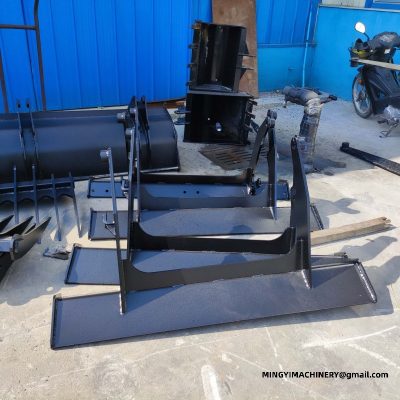
Choosing the tiller usually comes down to a handful of decisions made early: size, power, the ground it will work on and the attachments it has to carry. The notes below follow that order, because each one narrows the next.
Standing still is hard on machinery. This class of machine left for weeks benefits from a clean, dry, covered space, a charged battery and a fuel system prepared for the layoff, and all three effort very little. A periodic start is better than none. Running the unit in daily use to operating temperature during a long layoff keeps seals and the charging system in better condition than leaving it untouched until the next job.
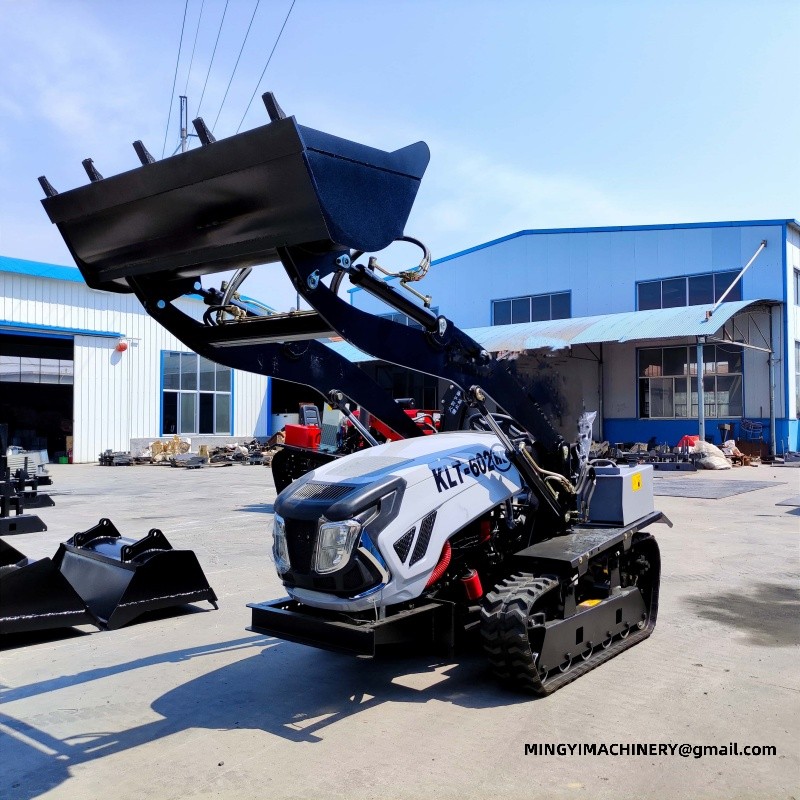
Container loading is a planning exercise. Confirming how a machine of this size is packed and how many units fit a container is what turns a per-unit freight estimate into a delivered figure the buyer can actually plan against. Documentation should be agreed at order stage. The commercial invoice, packing list and any certificate required at destination are part of shipping the equipment on site, and missing papers delay clearance longer than the voyage takes.
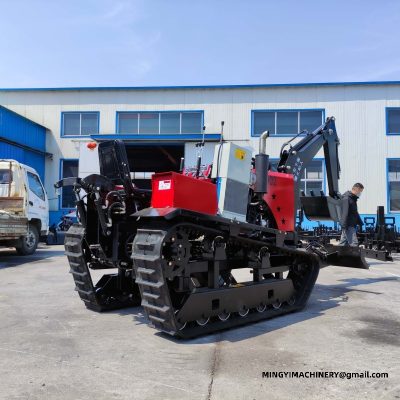
The track is what makes the machine usable on soft ground. A wider track spreads the weight of the model in question over more area and lowers ground pressure, which is the difference between working after rain and waiting for the field to dry. Cleaning the undercarriage is part of the job. Mud and straw packed into the track frame of the machine itself increases rolling resistance and accelerates wear, and a few minutes at the end of the day prevents it.
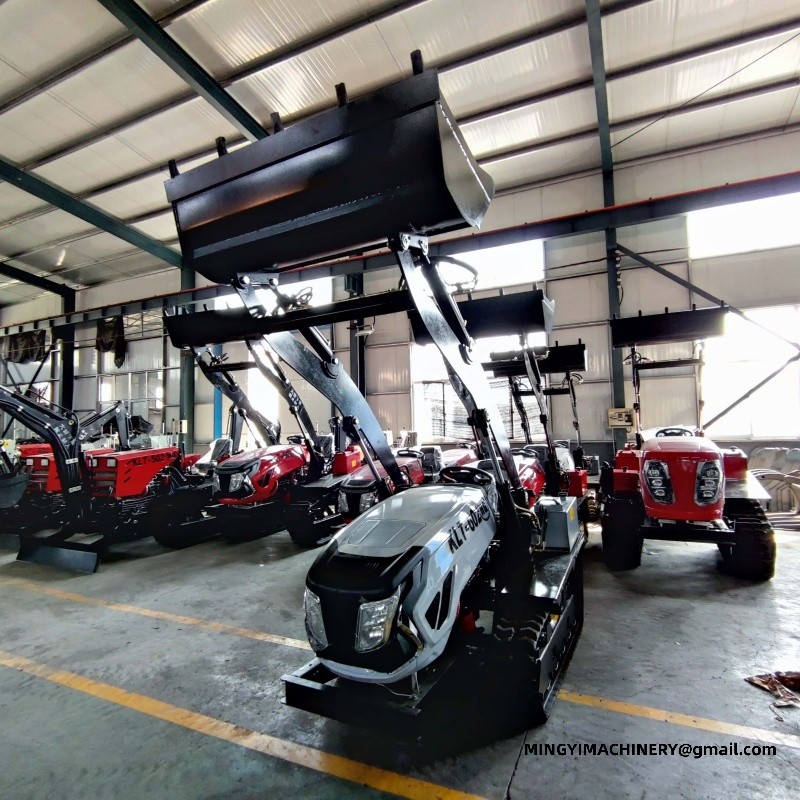
Visibility from the seat is different at night. Reflections, shadows and glare all hide detail, so the machine in that duty used after dark benefits from clean lenses, working wipers and a slower working pace.
Batteries and fluids are the parts that notice the cold first. The unit on the job kept on a maintainer through a freezing spell starts on the first turn, while one left standing is the usual cause of a lost morning.
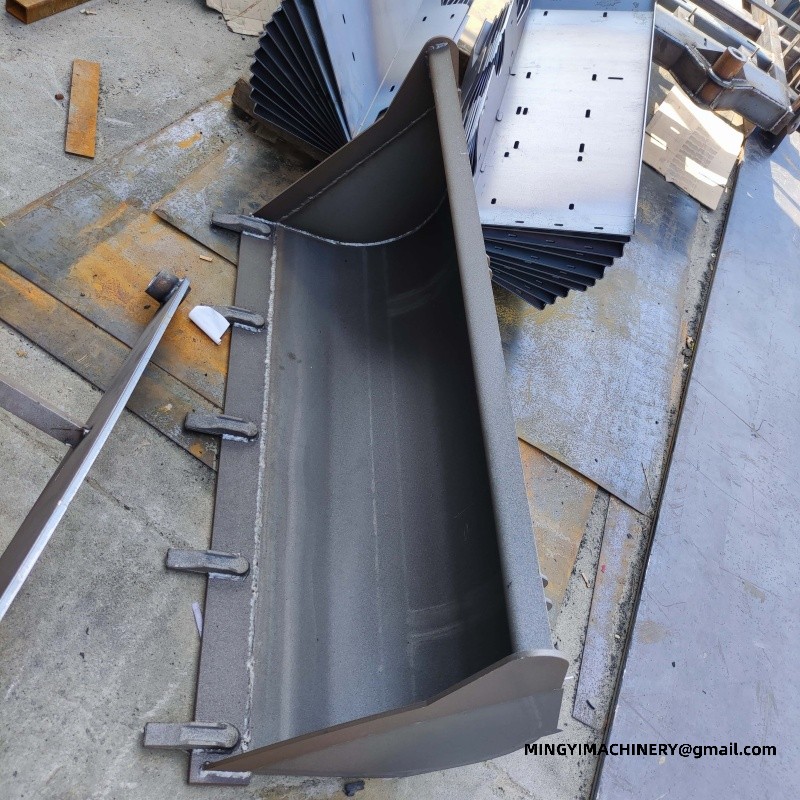
The order should state the configuration in writing. Engine, attachments, colour, documents and any market requirement are clearer on the build sheet for a machine built for the work than in a conversation after delivery. Delivery planning includes the receiving end. Knowing whether the equipment in service will be craned, driven or forked off, and whether the site can accept it, is settled before dispatch rather than on the day.
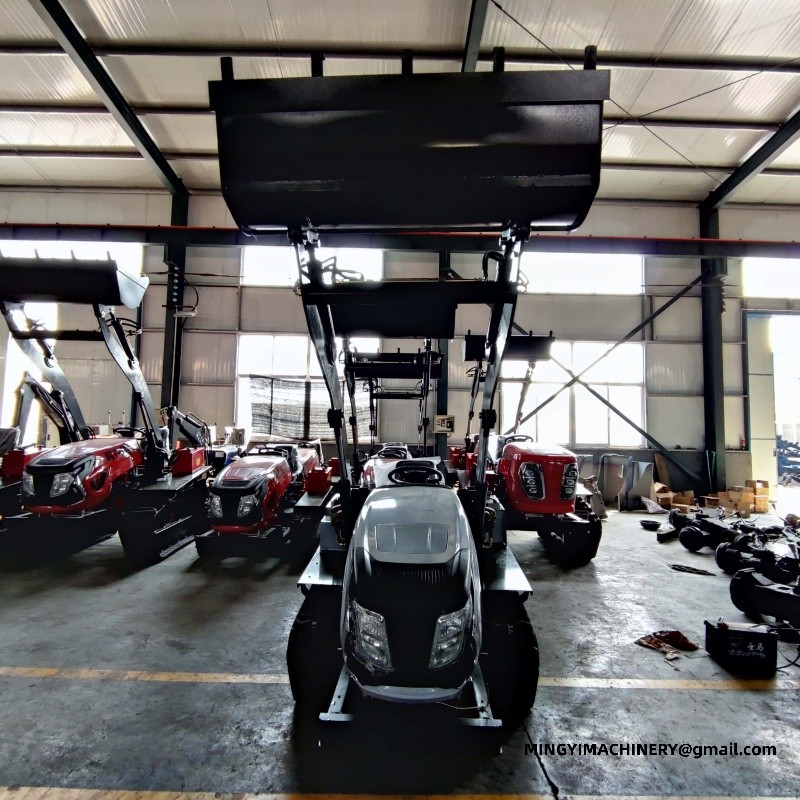
Consumption is best measured over a full week rather than judged per hour. Idle time, repositioning and waiting for other trades are often the largest share of the fuel the tiller burns on a site. Planning the work to reduce empty movement is free. Fewer repositioning cycles on this class of machine means less fuel, less wear on the undercarriage or tyres and more of the shift spent on productive work.
Wet and dry field versions exist for a reason. The unit in daily use built only for dry land will struggle in a paddy, while one built for both gives up a little on each and is usually the better choice for a mixed farm.
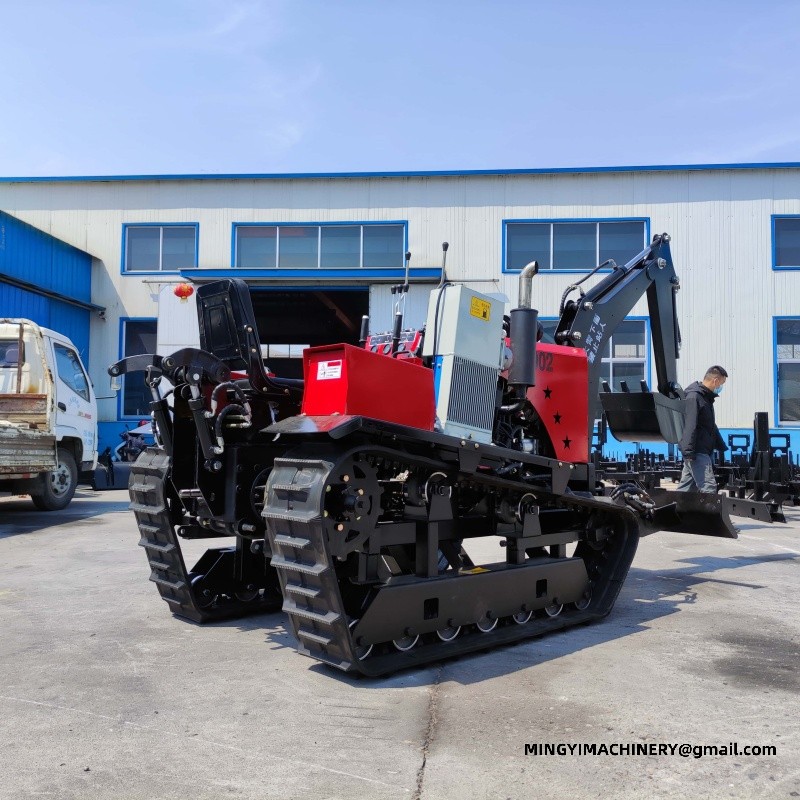
Remote diagnosis shortens most faults. A walk-around on video with the panels open often identifies the cause on the equipment on site without waiting for a visit, and avoids shipping a part that turns out not to be needed.
Machine output varies more between operators than between brands. Smooth, planned movements put less load on the structure and use less fuel, and that difference is visible on the hour meter and in the service bills for the machine itself. A short handover pays for itself. Operators who understand why the model in question is set up the way it is will report a change in behaviour early, which is usually the point where a repair is simplest.
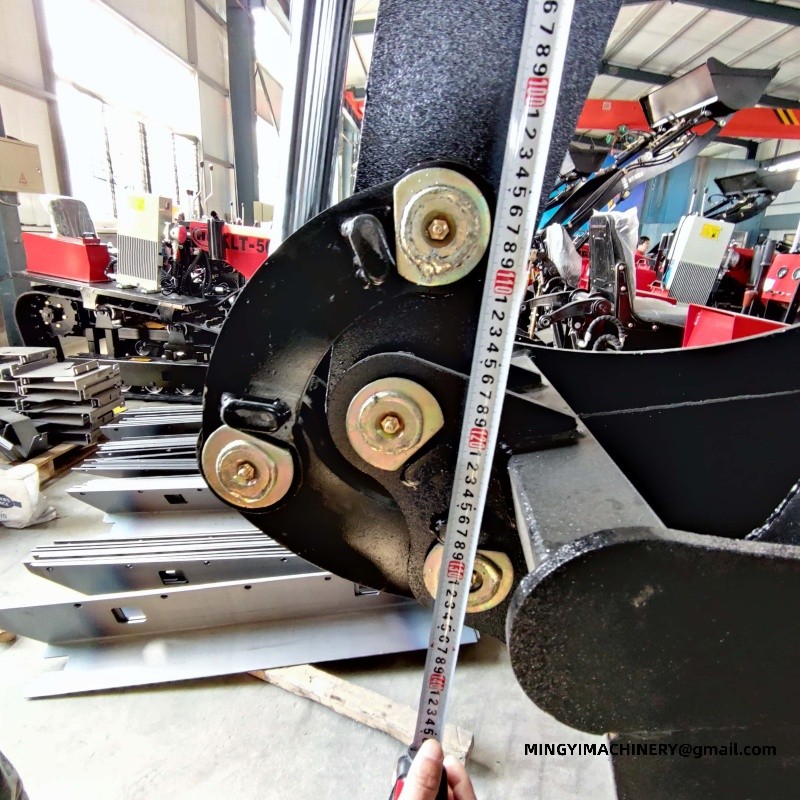
Build options are where a standard machine becomes the right machine. Colour, guarding, lighting, seating and hydraulic provisions can usually be set at build time on the unit on the job, and are far simpler then than as a retrofit. Customisation should still be limited to what the work needs. Each addition to a machine built for the work is another item to maintain, so the useful question is not what can be added but what the job list actually requires.
The working surface should be surveyed before this class of machine is specified. A machine that is stable on compacted gravel can be unusable on the same site after rain, and the difference shows up as lost days rather than as a fault. Traction and flotation are two separate questions. The tiller may have the power for a slope and still not have the grip, so the surface, not the engine rating, is usually what limits the working day.
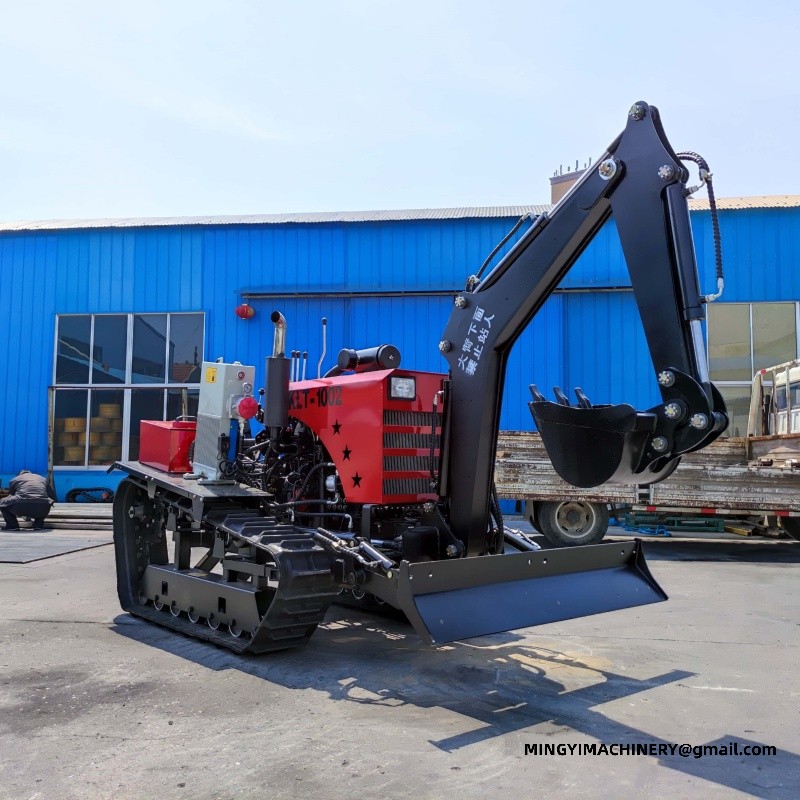
Stability follows the load and its position. Knowing the rated capacity of a machine of this size at the working radius, rather than at its best case, is what keeps handling predictable and the machine upright. Ballast and attachment weight change the machine. Adding a heavy tool to the equipment on site moves the centre of gravity, and the counterweight or configuration should be matched to the tool rather than assumed. Carrying and travelling with a load needs its own plan. Speed, gradient and surface all matter more once the machine itself is loaded, and the safe combination is the conservative one.
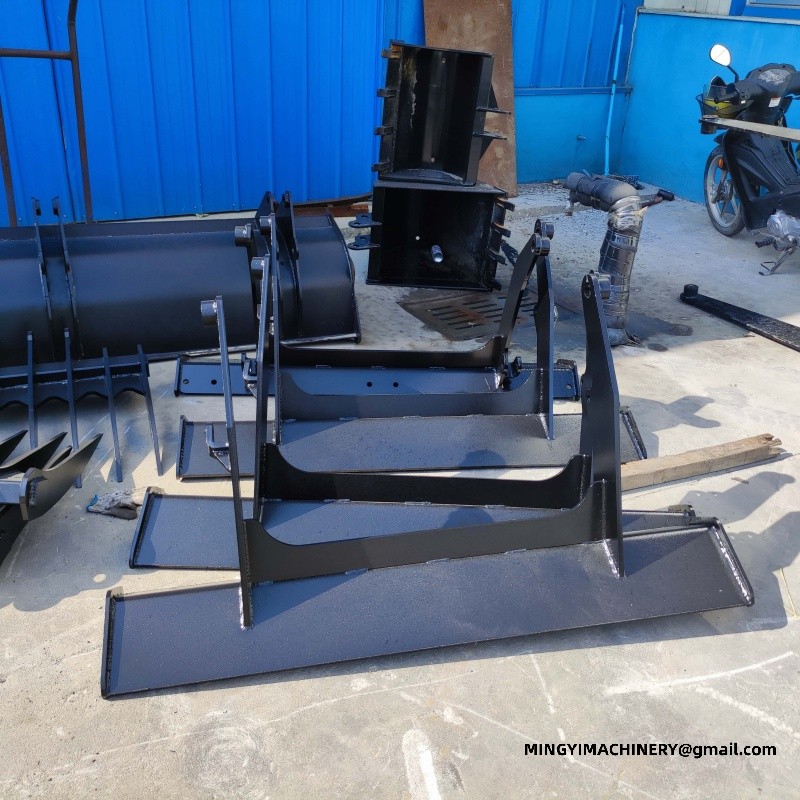
Implement width should follow the power. The machine in that duty with an implement wider than it can drive will labour, burn more fuel and leave an uneven tilth, and the correct width is the one that holds a steady engine speed.
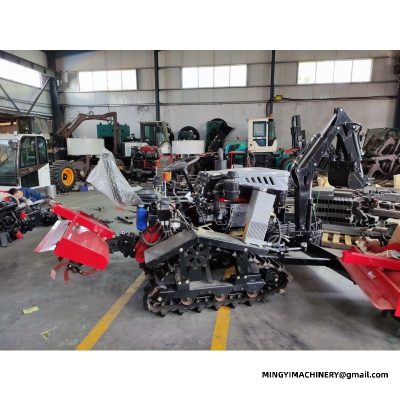
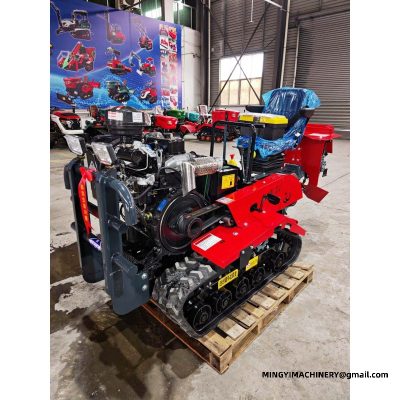
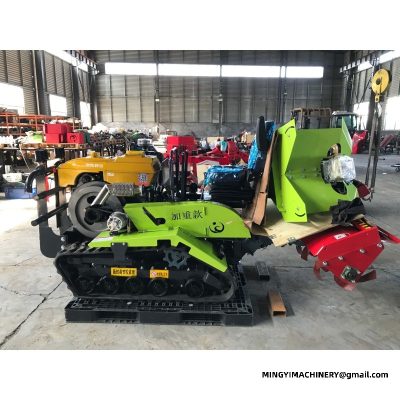
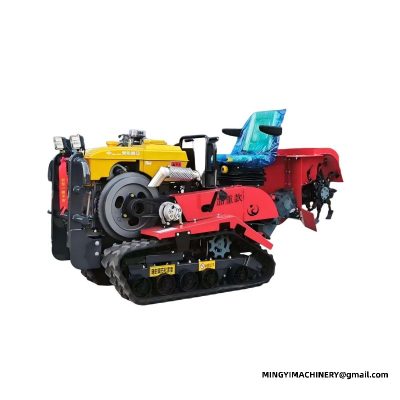
The models below cover the crawler rotary tiller range. Power, working condition, engine series and track width are confirmed together, because the field the machine works in decides the track and the engine before the working width matters.
| Model | Working condition | Engine series | Induction | Track width |
|---|---|---|---|---|
| 50 hp wet and dry field crawler rotary tiller | wet and dry field | 490 series | — | — |
| 70/75 hp wet and dry field crawler rotary tiller | wet and dry field | 490 series | turbocharged | — |
| 60 hp dry field crawler rotary tiller | dry field | 495 series | — | — |
| 80 hp wet and dry field crawler rotary tiller | wet and dry field | 495 series | turbocharged | — |
| 120 hp paddy field crawler rotary tiller | paddy field | — | — | 350 mm |
| 100 hp wet and dry field crawler rotary tiller | wet and dry field | — | — | 350 mm |
| 130 hp paddy field crawler rotary tiller | paddy field | — | — | 350 mm |
| 80 hp wet and dry field crawler rotary tiller | wet and dry field | 495 series | turbocharged | — |
| Item | Note |
|---|---|
| centre trencher | — |
| rotary tiller , 1.3 m working width , 125 gearbox | — |
| deluxe cab | — |
| 1.3 m straw returning | working width 1.3 m |
| rotary tiller , 1.7 m working width , 125 gearbox | — |
| 1.8 m rotary tillagefertilisingcombined machine | working width 1.8 m |
| rotary tiller , 2.2 m working width , 150 gearbox | — |
| land leveller2.2 m -4.4 m | working width 2.2 m |
A clear parts book saves more time than any other document. When the tiller needs a replacement, the illustration and the part number are what turn a phone call into a shipment instead of a description.
The battery and the fuel are the first things to suffer in storage. Preparing the unit in daily use properly at the start of the idle period avoids the flat battery and the contaminated tank that greet an unprepared machine.
Tropical operation is a specification question as much as a maintenance one. The cooling capacity, the sealing and the corrosion protection fitted to the equipment on site are what make the difference once the ambient temperature rises.
Winter is hard on rubber and on seals as much as on the engine. Parking the model in question under cover, keeping the tracks or tyres off standing water and checking the hoses for cracking are all part of the season.
A written record is worth more than a good memory. Dates, hours and the parts fitted on the unit on the job turn a guess about the next service into a fact, and they are the first thing a buyer asks to see.
Workload is rarely even across the year, and the machine should be specified for the busy weeks. The equipment in service sized only for the average month will be the limiting factor exactly when the work is worth the most.
An added function should pay for itself quickly. Whether this class of machine gains a different bucket, a hydraulic service or a protection package, the test is the number of days a year it is actually used.
The parts that stop a machine are rarely the parts that are hardest to find. Filters, belts, seals and the ground engaging tools on a machine of this size are easy to hold and slow to replace, which is why they belong on the shelf rather than on an order.
Every line above comes from the build sheet for the equipment on site, and the final configuration is confirmed against the working conditions and the destination before production.
E-mail:sales@mingycn.com
LINE(ID):mingyicn