There is a version of the tiller for almost every site, and the differences are practical rather than cosmetic. What follows is organised the way a specification is actually settled: the job first, then the ground, then the machine, then the paperwork.
Planning the work to reduce empty movement is free. Fewer repositioning cycles on this class of machine means less fuel, less wear on the undercarriage or tyres and more of the shift spent on productive work.
Tillage quality starts with the soil, not the machine. Dry, friable ground breaks up in one pass, while the same the unit in daily use on heavy wet clay needs a second pass and a lower gear, so the ground survey belongs before the working width is chosen. The working pass should follow the field. Running a machine of this size along the contour on a slope and across the previous pass on the flat gives a more even tilth than following the same line every season.
Ground decides more of the outcome than power does. Soft, wet or loose surfaces call for a wider footprint and lower ground pressure, while hard standing allows a narrower machine that turns in less space and travels faster between tasks. The working surface should be surveyed before the equipment on site is specified. A machine that is stable on compacted gravel can be unusable on the same site after rain, and the difference shows up as lost days rather than as a fault.
Keeping the manuals where they can be reached matters. The machine itself whose documents stay with the machine gets serviced on schedule; one whose paperwork was filed elsewhere tends to run on memory instead.
Hour planning helps at resale as well. The model in question with a recorded service history and a sensible hour count is easier to sell than one with the same hours and no records, whatever its condition.
Working after daylight changes the risk. Lighting coverage on the machine in that duty and across the working area, plus high-visibility clothing for anyone on foot, are the items that make low-light work practical.
Most incidents around machinery come from the space rather than the machine. Exclusion zones, a clear signal person and a check on what is behind the machine built for the work before it moves cover the large majority of the risk on a working site. Slopes and edges deserve a separate check. The unit on the job that is stable on level ground behaves differently across a gradient, and the safe working angle is a number worth knowing rather than estimating.
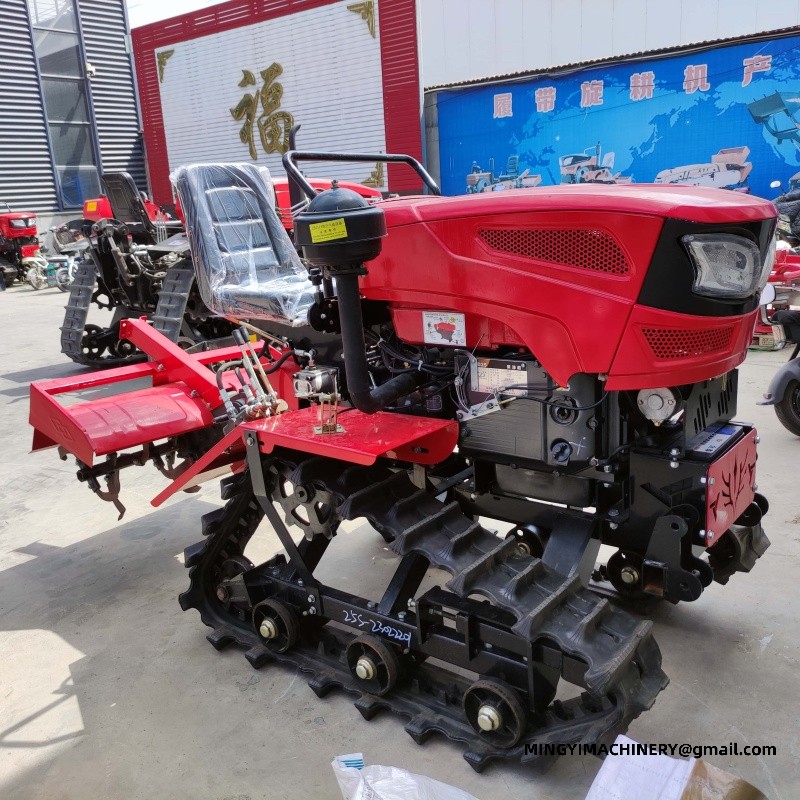
Blades are the consumable that decides the result. The equipment in service with blunt blades tears the soil rather than cutting it, and the extra load is carried by the gearbox and the engine for no benefit. Keeping a spare set is simple insurance. During a short season the difference between working and waiting on the tiller is often a set of blades and the half hour needed to fit them.
Ballast and attachment weight change the machine. Adding a heavy tool to the unit in daily use moves the centre of gravity, and the counterweight or configuration should be matched to the tool rather than assumed.
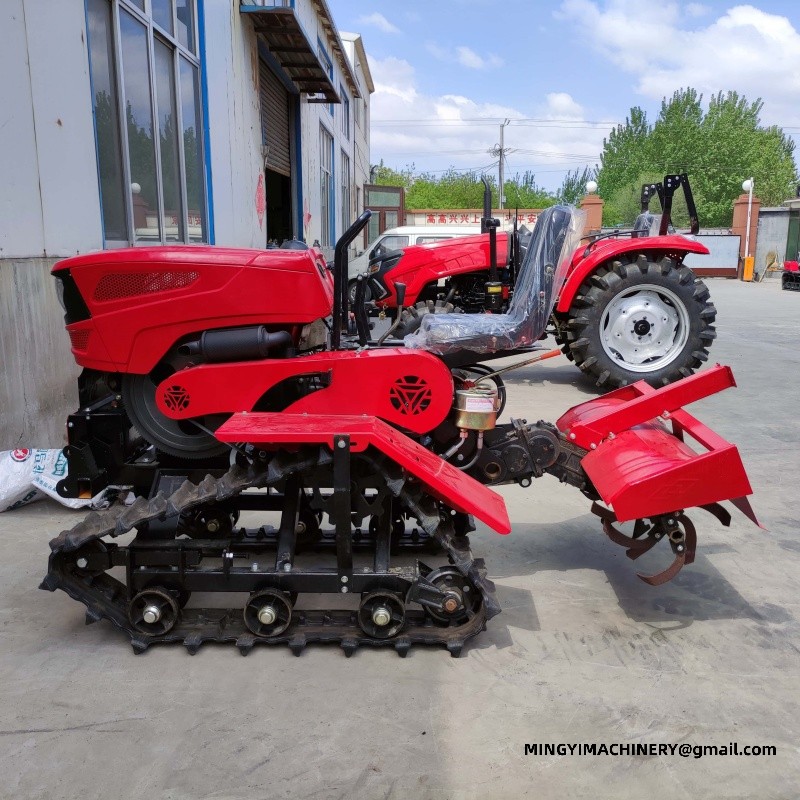
Cleaning the undercarriage is part of the job. Mud and straw packed into the track frame of the equipment on site increases rolling resistance and accelerates wear, and a few minutes at the end of the day prevents it.
Delivery planning includes the receiving end. Knowing whether the model in question will be craned, driven or forked off, and whether the site can accept it, is settled before dispatch rather than on the day.
Reconfiguration can extend the useful life of a machine. The unit on the job that no longer suits the current work may suit it again with a different attachment, guarding or control arrangement. Upgrades should be checked against the base machine. Hydraulic capacity, mounting interface and stability all limit what can reasonably be added to a machine built for the work, and confirming those limits avoids an unsatisfactory result. The decision is economic as well as technical. Comparing the work of reconfiguring the equipment in service against a different machine is a short calculation that usually gives a clear answer.
Machine productivity depends on what happens around it. Deliveries, other trades and the sequence of work decide how much of the shift this class of machine spends actually working rather than waiting. Access and storage are worth settling early. Where the unit in daily use will be parked, refuelled and serviced on site affects the working day more than most specification details, and it takes nothing to plan.
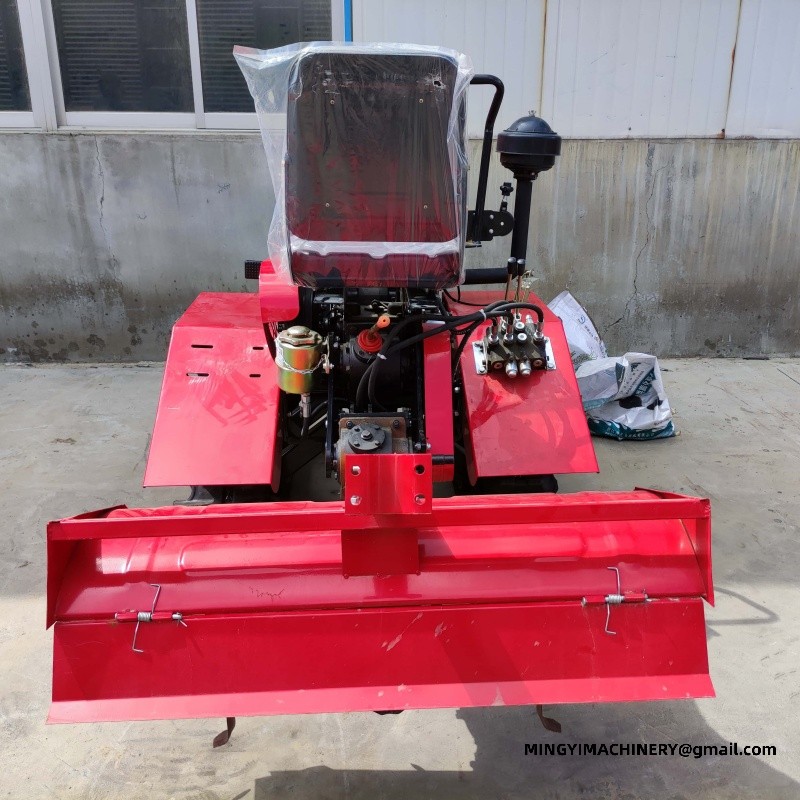
Container loading is a planning exercise. Confirming how the equipment on site is packed and how many units fit a container is what turns a per-unit freight estimate into a delivered figure the buyer can actually plan against.
Records are part of the asset. Keeping the service history and the hour records with the machine itself makes it easier to sell, easier to insure and easier to justify the replacement machine internally.
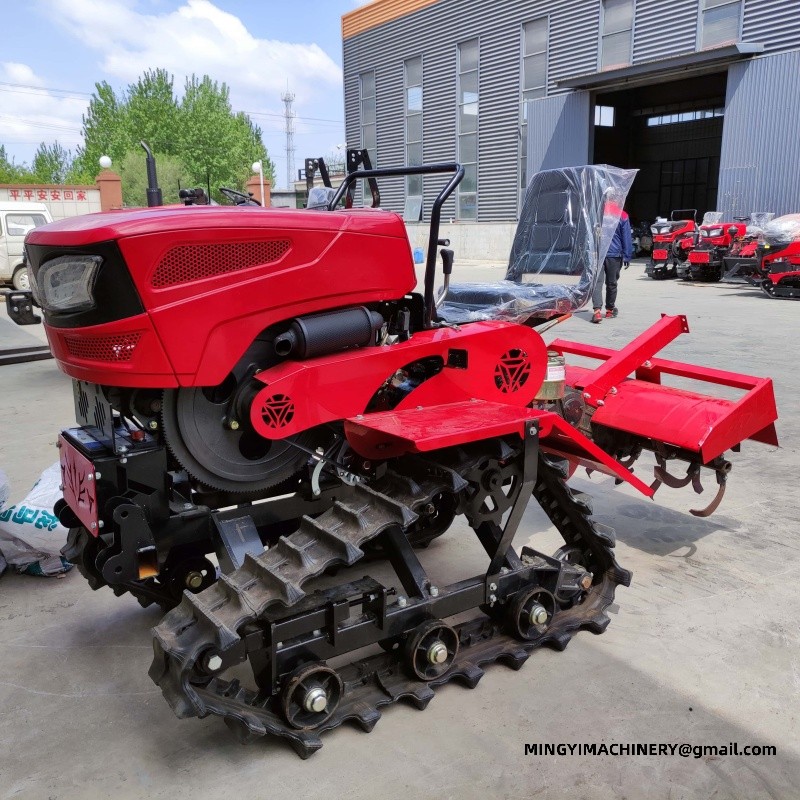
Standing water hides the ground underneath. Working the machine in that duty in a paddy means accepting slower progress and planning the turns, because the places where the machine sinks are the places where the soil has already been disturbed.
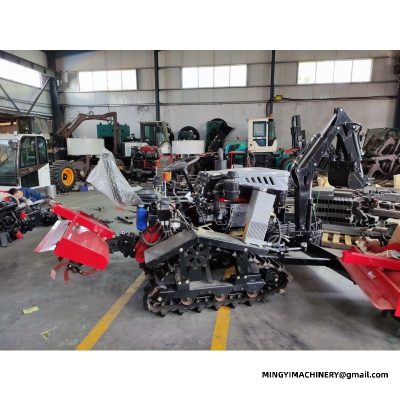
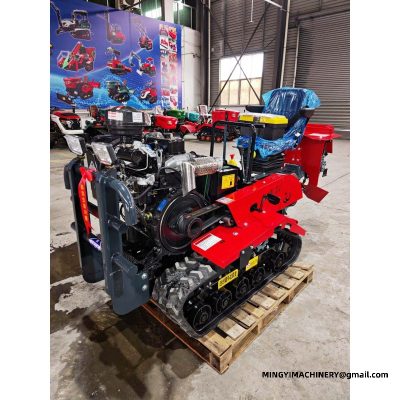
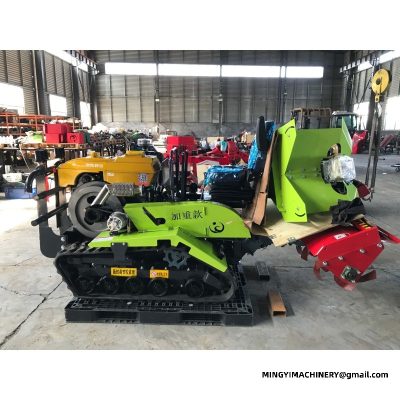
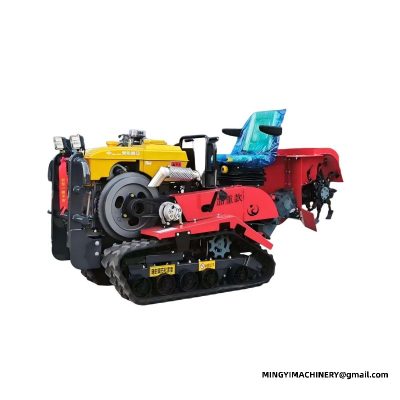
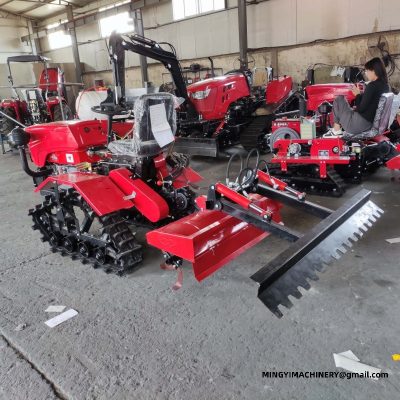
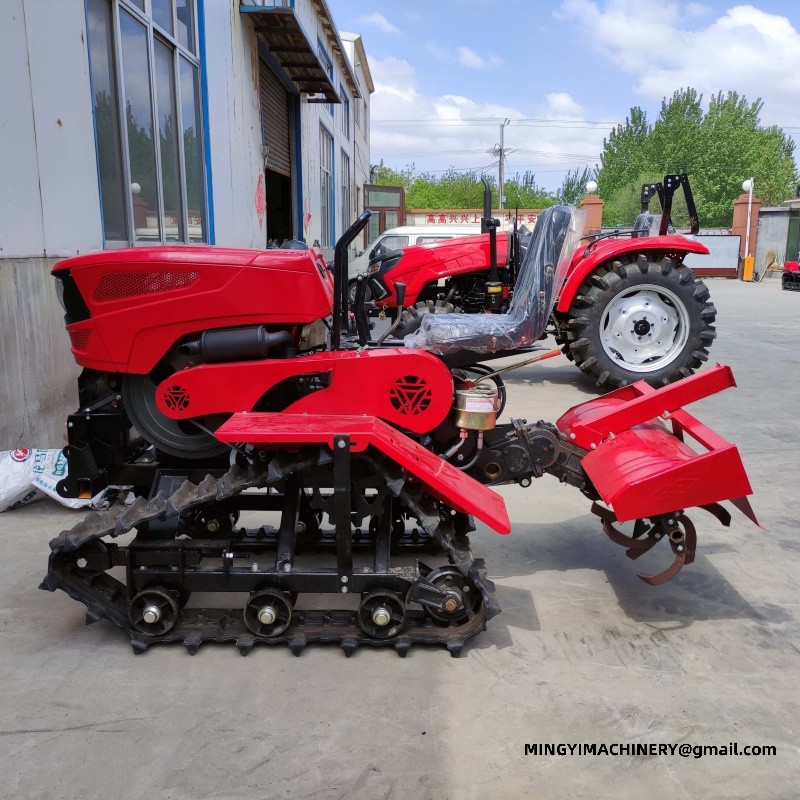
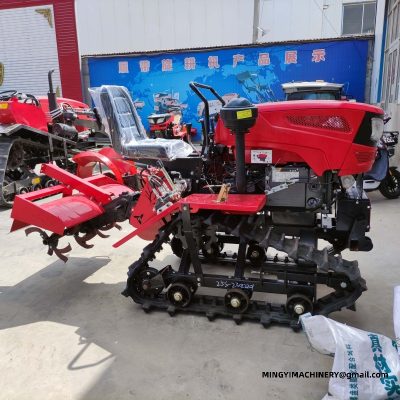
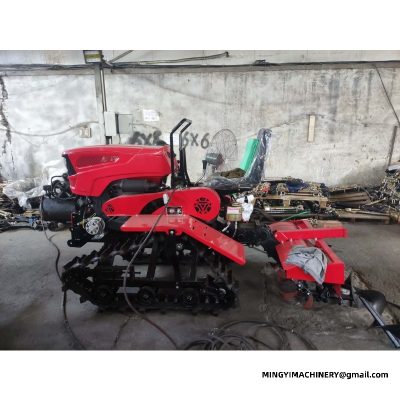
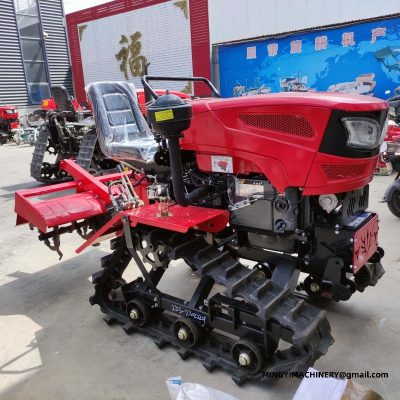
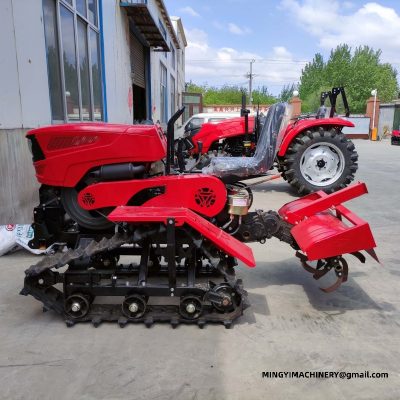
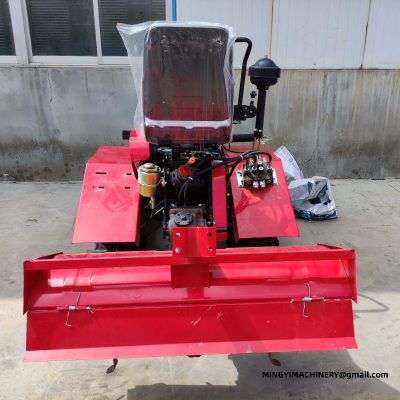
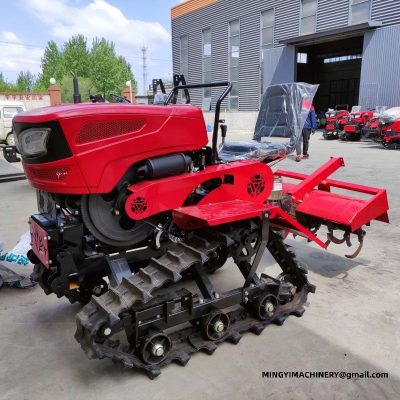
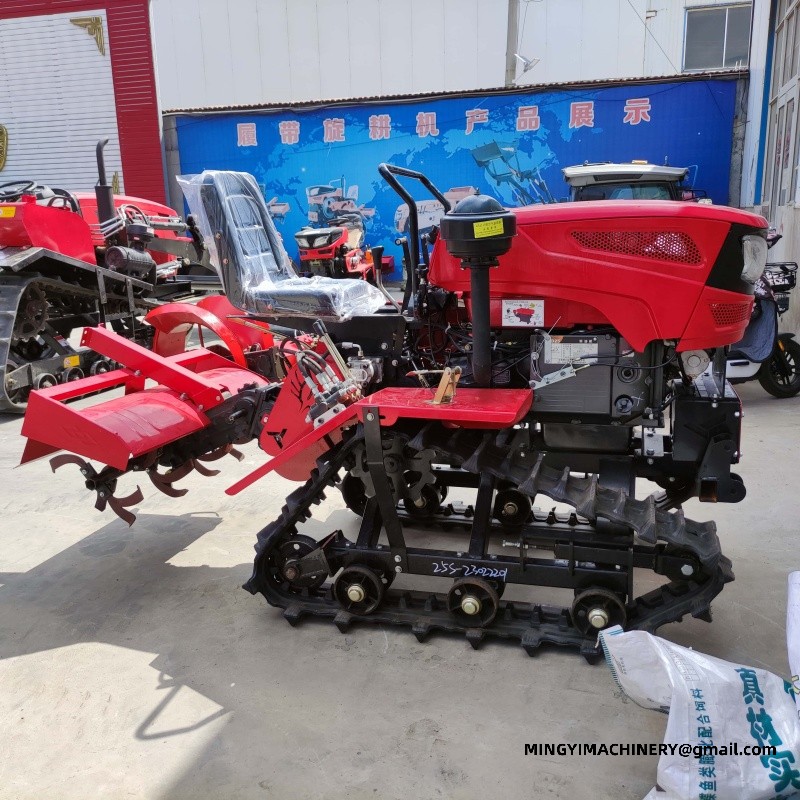
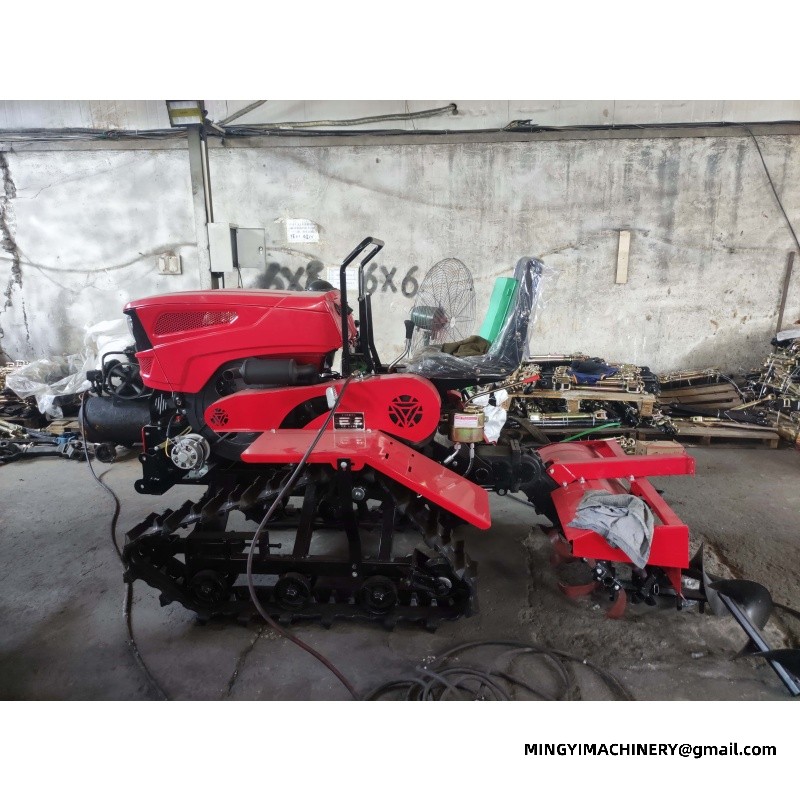
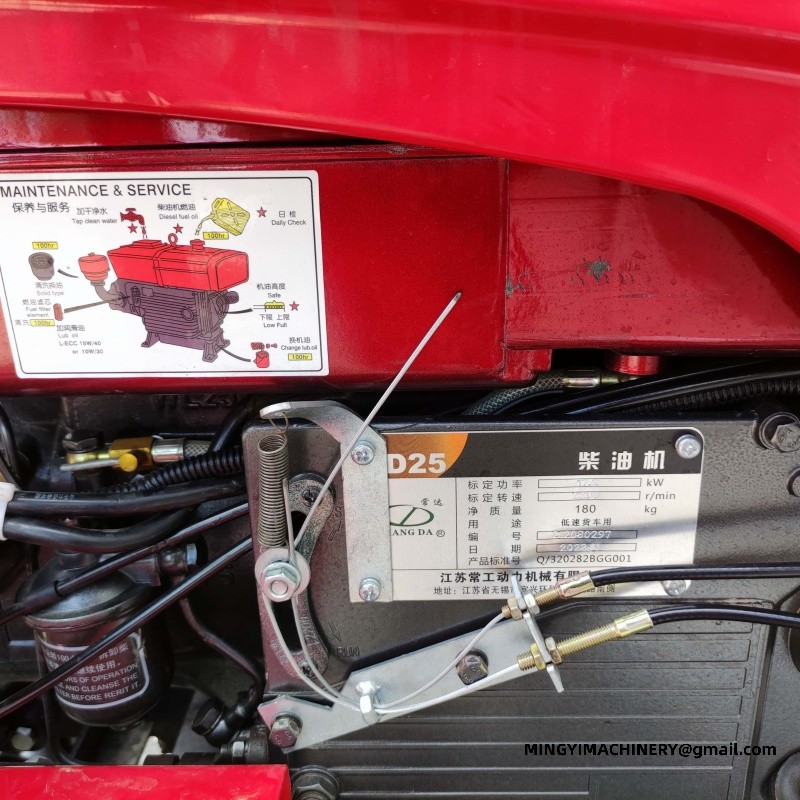
The models below cover the crawler rotary tiller range. Power, working condition, engine series and track width are confirmed together, because the field the machine works in decides the track and the engine before the working width matters.
| Model | Working condition | Engine series | Induction | Track width |
|---|---|---|---|---|
| 80 hp wet and dry field crawler rotary tiller | wet and dry field | 495 series | turbocharged | — |
| 60 hp wet and dry field crawler rotary tiller | wet and dry field | 495 series | — | — |
| 70/75 hp wet and dry field crawler rotary tiller | wet and dry field | 490 series | turbocharged | — |
| 50 hp dry field crawler rotary tiller | dry field | 490 series | — | — |
| 50 hp wet and dry field crawler rotary tiller | wet and dry field | 490 series | — | — |
| 100 hp wet and dry field crawler rotary tiller | wet and dry field | — | — | 350 mm |
| 130 hp paddy field crawler rotary tiller | paddy field | — | — | 350 mm |
| 70/75 hp dry field crawler rotary tiller | dry field | 490 series | turbocharged | — |
| Item | Note |
|---|---|
| simple canopy | — |
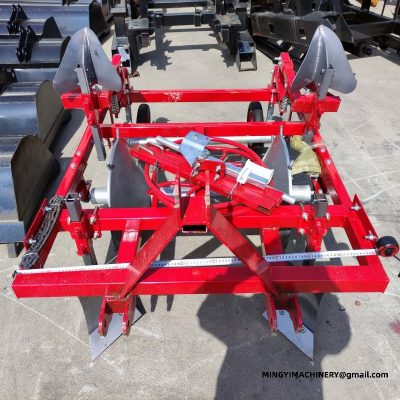
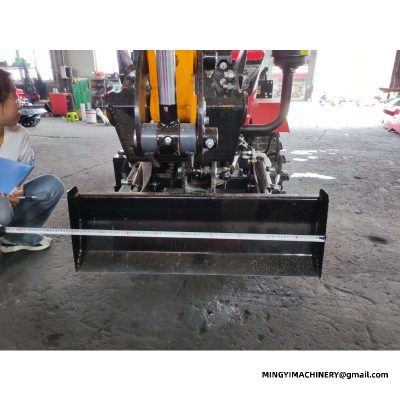
| land leveller2.2 m -4.4 m | working width 2.2 m |
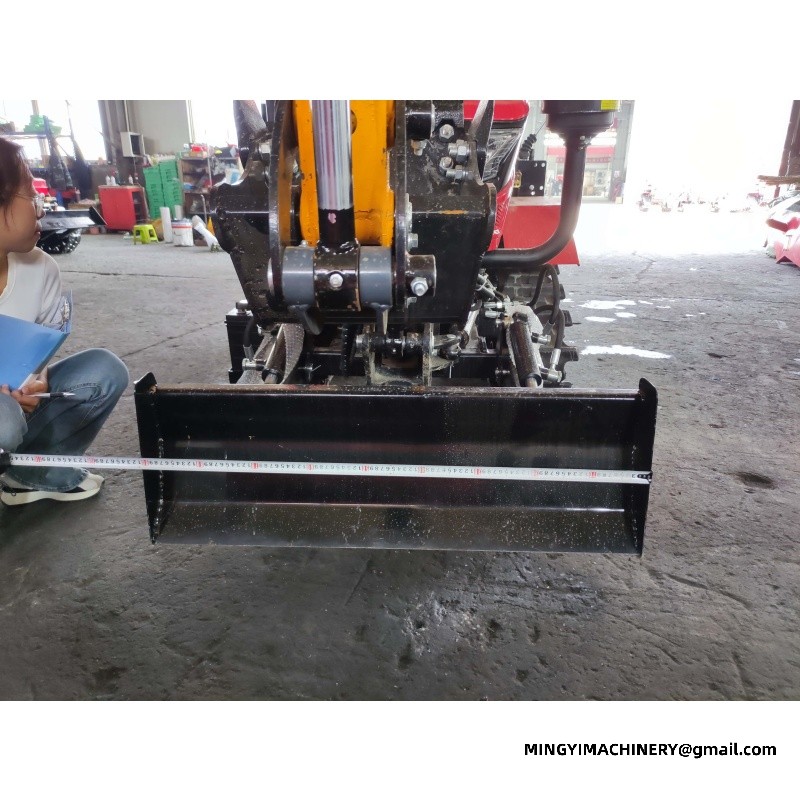
| dozer blade | — |
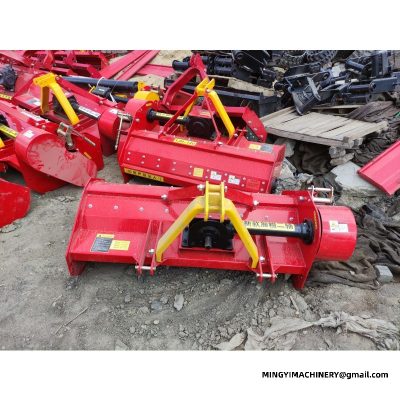
| rotary tiller , 1.7 m working width , 125 gearbox | — |
| rotary tiller , 2.0 m working width , 150 gearbox | — |
| engineering bucket | — |
| rotary tiller , 2.2 m working width , 150 gearbox | — |
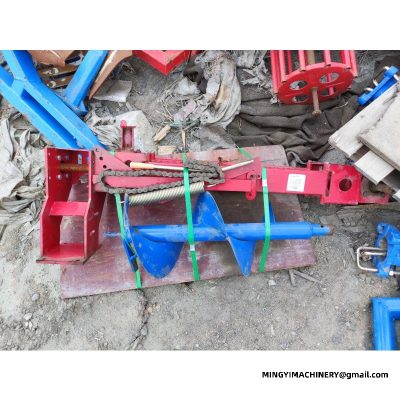
| tree hole digger | — |
The last hour before packing is the best time to find a fault. Running the tiller through its full working cycle, checking for leaks under load and confirming that the controls match the specification avoids a conversation across time zones later.
Different operators suit different work. The person who is quickest with the unit in daily use on open ground is not always the one who is safest in a confined space, and having both available is a genuine advantage.
Starting is only the first problem. Until the equipment on site reaches working temperature the hydraulic response is slower and the seals are stiffer, and warming the machine before asking for full output avoids unnecessary strain.
Fluid quality is a storage problem before it is a machine problem. Water and sediment in a drum will find the injection system of the model in question eventually, and a settling period is nothing compared with a pump.
An added function should pay for itself quickly. Whether the unit on the job gains a different bucket, a hydraulic service or a protection package, the test is the number of days a year it is actually used.
A machine that works on one site still has to reach the next. The overall dimensions and the operating weight of the equipment in service decide what trailer or truck is needed, and that decision belongs before the job is booked.
The parts that stop a machine are rarely the parts that are hardest to find. Filters, belts, seals and the ground engaging tools on this class of machine are easy to hold and slow to replace, which is why they belong on the shelf rather than on an order.
Container loading is a planning exercise. The overall dimensions and the operating weight of a machine of this size decide whether it ships whole, partly disassembled or with the attachment removed, and that decision is made before the booking.
Every line above comes from the build sheet for the equipment on site, and the final configuration is confirmed against the working conditions and the destination before production.
E-mail:sales@mingycn.com
LINE(ID):mingyicn