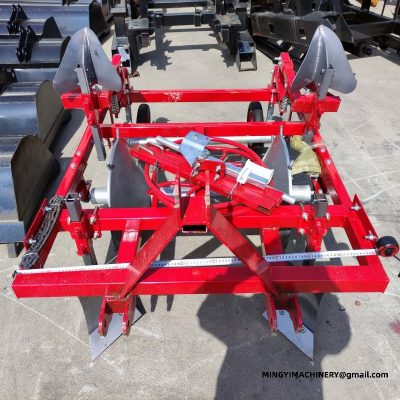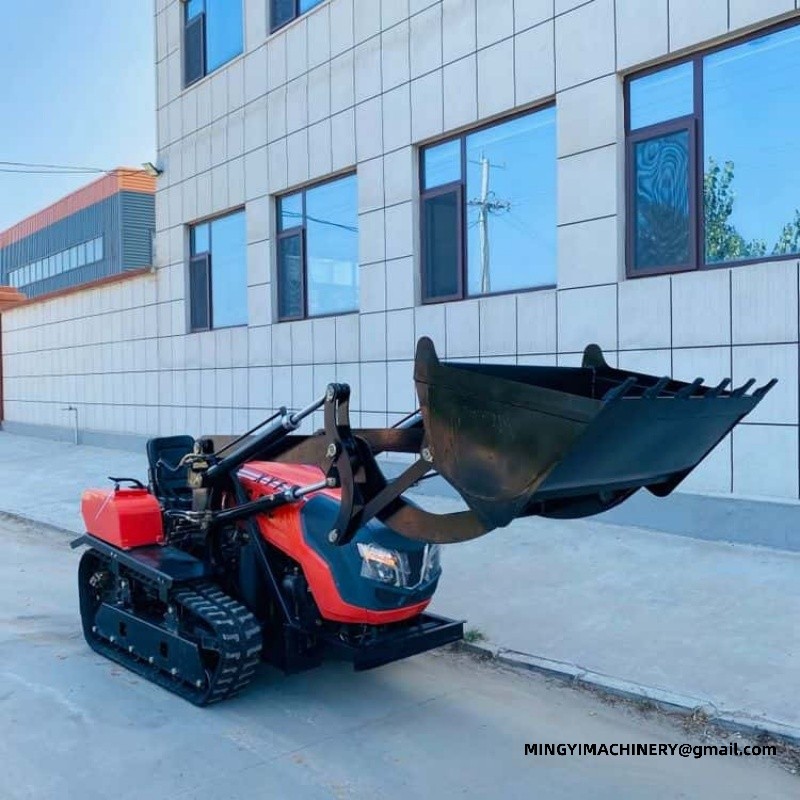
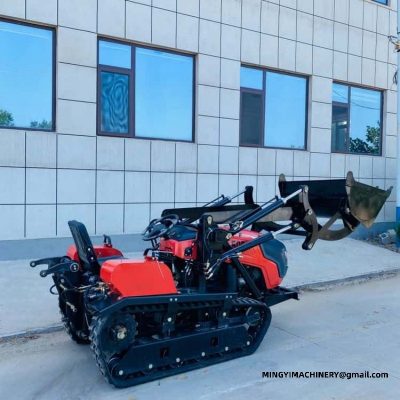
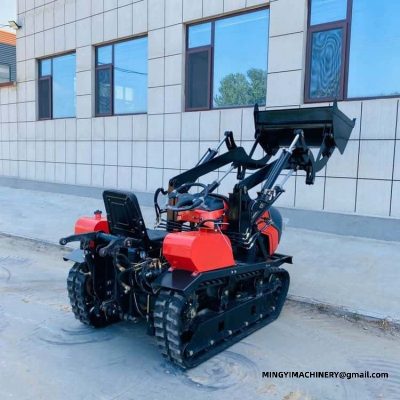
There is a version of the tiller for almost every site, and the differences are practical rather than cosmetic. What follows is organised the way a specification is actually settled: the job first, then the ground, then the machine, then the paperwork.
Batteries and fluids are the parts that notice the cold first. This class of machine kept on a maintainer through a freezing spell starts on the first turn, while one left standing is the usual cause of a lost morning.
Working after daylight changes the risk. Lighting coverage on the unit in daily use and across the working area, plus high-visibility clothing for anyone on foot, are the items that make low-light work practical. Planning helps more than extra lamps. Positioning the machine of this size so that the work is lit from the machine side, and keeping the route clear, does more for safety than adding light to a badly planned task.
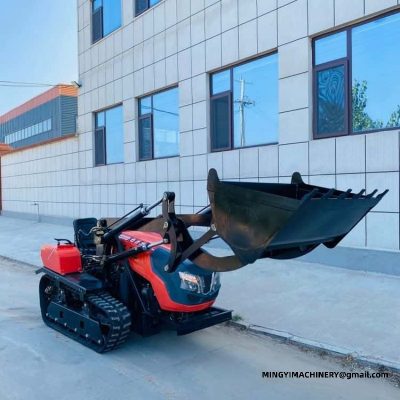
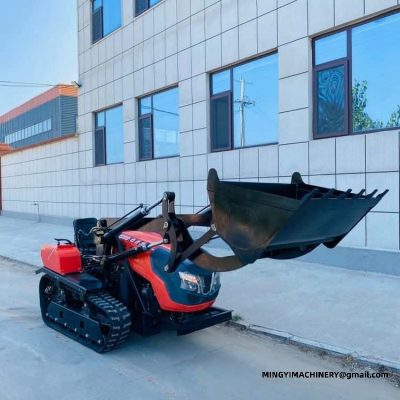
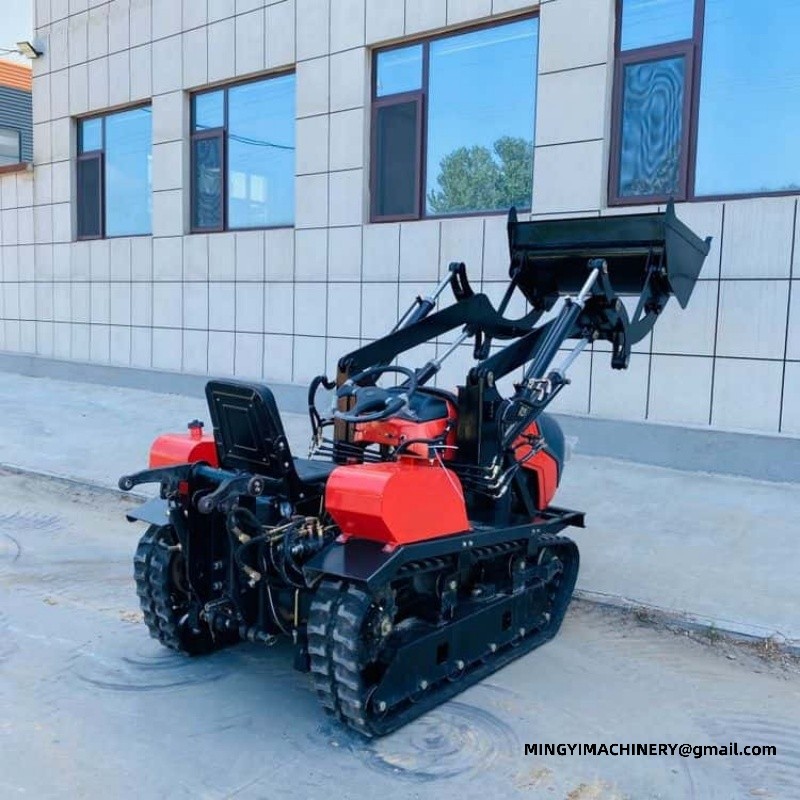
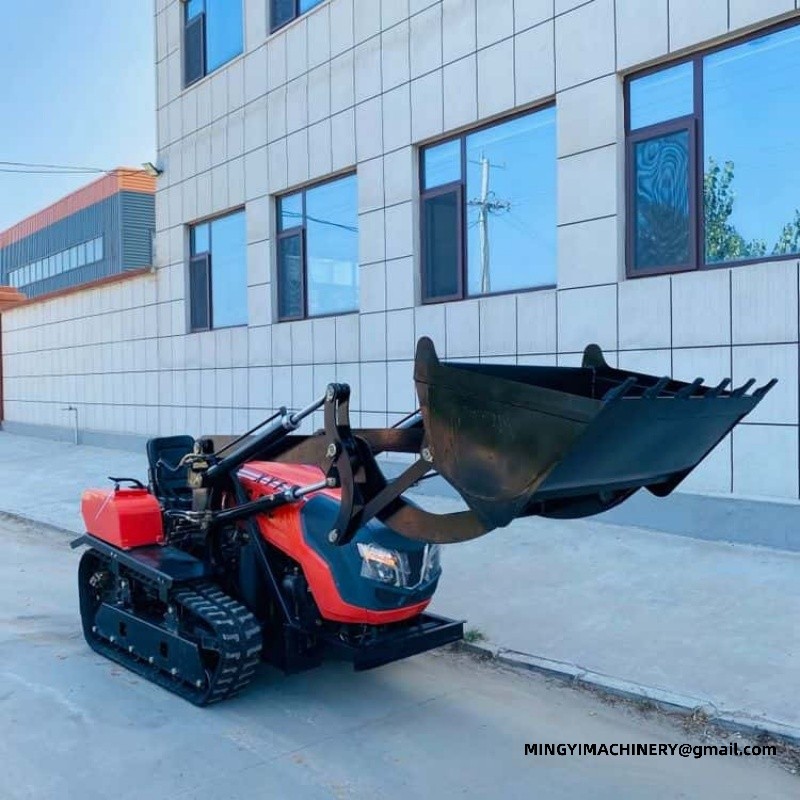
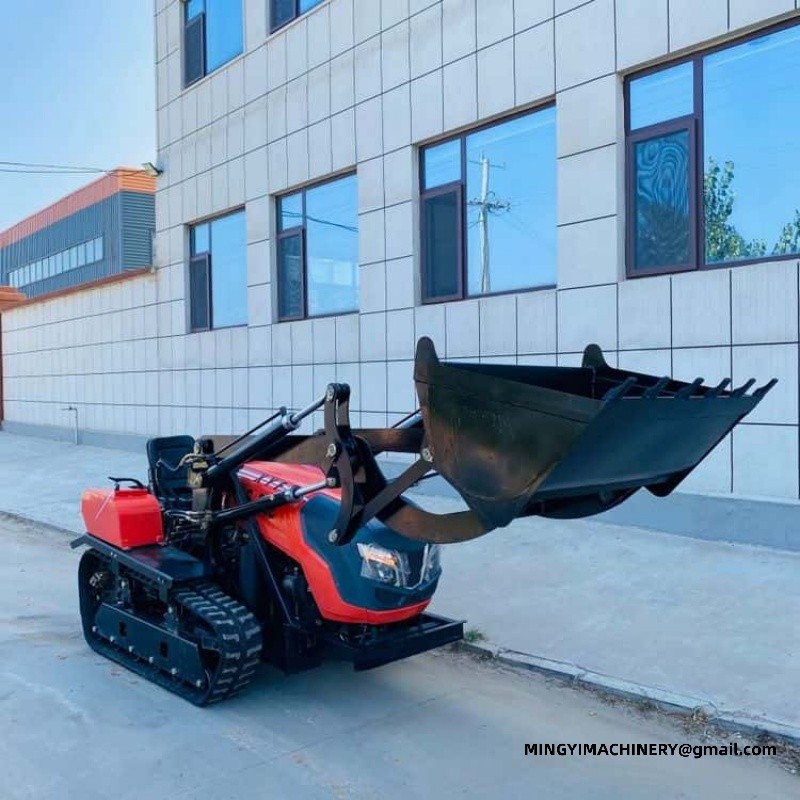
Blades, wear parts and ground engaging tools on crawler tiller for hillside farming with hydraulic tipping body
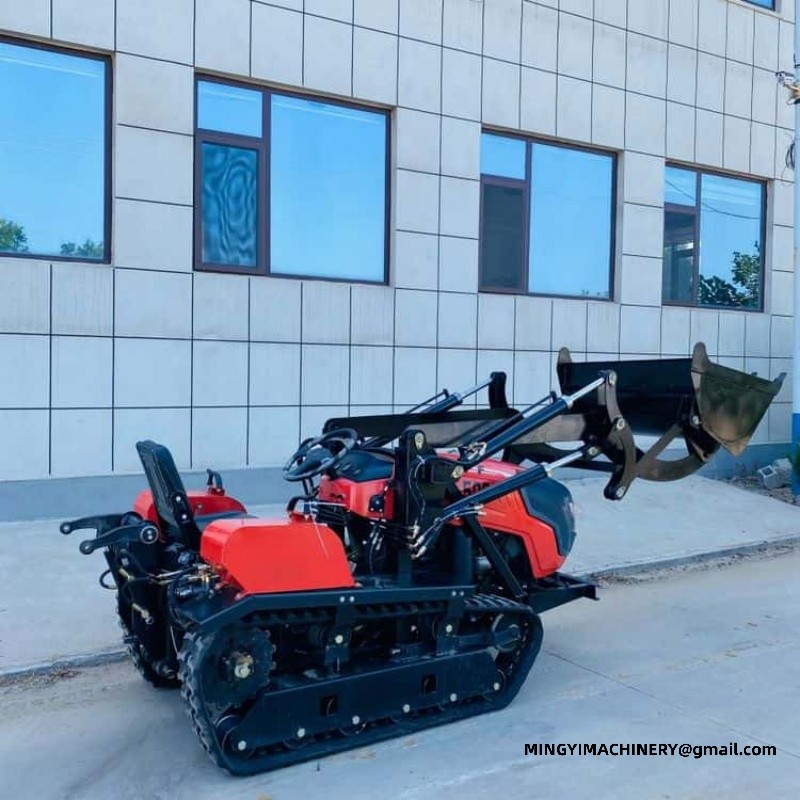
Blades are the consumable that decides the result. The equipment on site with blunt blades tears the soil rather than cutting it, and the extra load is carried by the gearbox and the engine for no benefit. Blade wear is uneven across the width. Rotating and renewing the set on the machine itself before the worst blade fails keeps the tilth even and avoids the vibration that damages the rotor bearings.
Upgrades should be checked against the base machine. Hydraulic capacity, mounting interface and stability all limit what can reasonably be added to the model in question, and confirming those limits avoids an unsatisfactory result. The decision is economic as well as technical. Comparing the work of reconfiguring the machine in that duty against a different machine is a short calculation that usually gives a clear answer.
Abrasive conditions shorten service intervals. Air filters, seals and any exposed sliding surface on the unit on the job need attention more often in dusty or muddy work, and the extra checks prevent far more wear than the time they take. Sealed points and guarded areas deserve a look in these conditions. A machine built for the work working in abrasive dust benefits from checked boots, intact guards and clean breathers, all of which are quick to verify.
Emissions documentation is part of engine selection for some destinations. Confirming which units can be supplied and documented for the destination country is worth doing at enquiry stage rather than after the build sheet is signed.
Certain parts are designed to be consumed. Knowing which items on the equipment in service are wearing parts, and roughly how long they last in the duty the machine sees, turns replacement into a plan rather than a breakdown.
Stability follows the load and its position. Knowing the rated capacity of the tiller at the working radius, rather than at its best case, is what keeps handling predictable and the machine upright. Ballast and attachment weight change the machine. Adding a heavy tool to this class of machine moves the centre of gravity, and the counterweight or configuration should be matched to the tool rather than assumed. Carrying and travelling with a load needs its own plan. Speed, gradient and surface all matter more once the unit in daily use is loaded, and the safe combination is the conservative one.
Container loading is a planning exercise. Confirming how the equipment on site is packed and how many units fit a container is what turns a per-unit freight estimate into a delivered figure the buyer can actually plan against. Documentation should be agreed at order stage. The commercial invoice, packing list and any certificate required at destination are part of shipping the machine itself, and missing papers delay clearance longer than the voyage takes.
Row crop work also means working around obstacles. Guards, lighting and a clear view from the seat are what let the machine in that duty work close to trunks and posts without damage to either.
Machine output varies more between operators than between brands. Smooth, planned movements put less load on the structure and use less fuel, and that difference is visible on the hour meter and in the service bills for the unit on the job. A short handover pays for itself. Operators who understand why a machine built for the work is set up the way it is will report a change in behaviour early, which is usually the point where a repair is simplest.
Standing still is hard on machinery. The tiller left for weeks benefits from a clean, dry, covered space, a charged battery and a fuel system prepared for the layoff, and all three effort very little. A periodic start is better than none. Running this class of machine to operating temperature during a long layoff keeps seals and the charging system in better condition than leaving it untouched until the next job.
Implement width should follow the power. A machine of this size with an implement wider than it can drive will labour, burn more fuel and leave an uneven tilth, and the correct width is the one that holds a steady engine speed.
Fleet value comes from interchangeability. Operators who can step between machines without retraining, and a workshop that stocks one set of filters, keep utilisation higher than a fleet of individually optimised units. Utilisation matters more than the purchase decision over a few years. The machine itself that sits idle ties up the same yard space standing still as one that earns, so the buying decision should follow the hours the machine will realistically work. Standardising where possible simplifies everything downstream. When several units of the model in question share a service schedule and a parts list, the fleet becomes easier to plan and easier to sell on at replacement time.
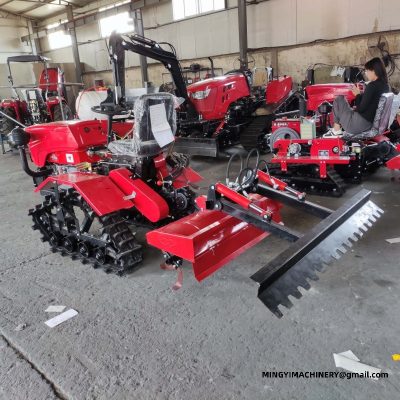
The track is what makes the machine usable on soft ground. A wider track spreads the weight of the equipment in service over more area and lowers ground pressure, which is the difference between working after rain and waiting for the field to dry. Track tension and wear matter more than most owners expect. The unit on the job run with slack tracks wears the sprockets and rollers, and the effort of that neglect is a full undercarriage rather than an adjustment. Cleaning the undercarriage is part of the job. Mud and straw packed into the track frame of a machine built for the work increases rolling resistance and accelerates wear, and a few minutes at the end of the day prevents it.
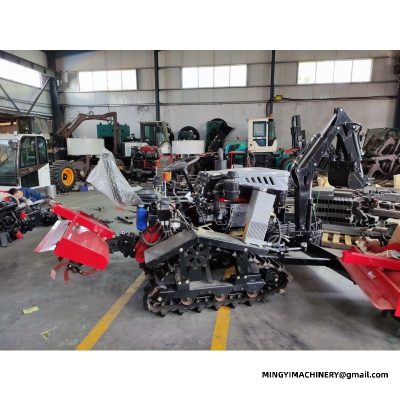
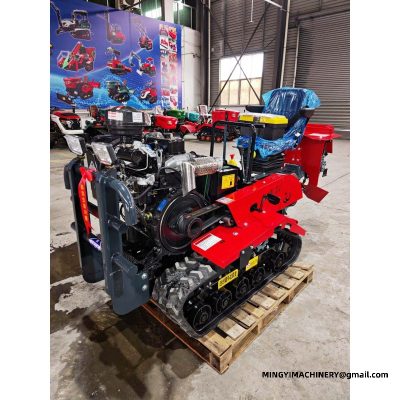
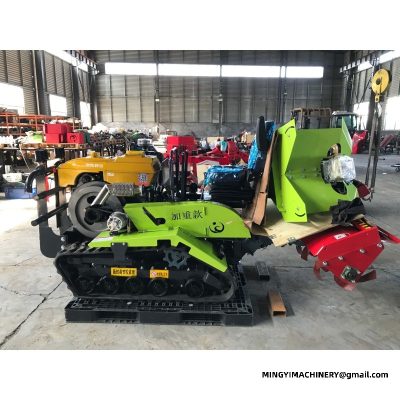
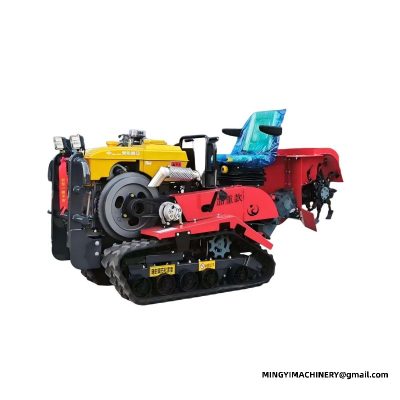
The models below cover the crawler rotary tiller range. Power, working condition, engine series and track width are confirmed together, because the field the machine works in decides the track and the engine before the working width matters.
| Model | Working condition | Engine series | Induction | Track width |
|---|---|---|---|---|
| 50 hp dry field crawler rotary tiller | dry field | 490 series | — | — |
| 80 hp wet and dry field crawler rotary tiller | wet and dry field | 495 series | turbocharged | — |
| 120 hp paddy field crawler rotary tiller | paddy field | — | — | 350 mm |
| 60 hp dry field crawler rotary tiller | dry field | 495 series | — | — |
| 50 hp wet and dry field crawler rotary tiller | wet and dry field | 490 series | — | — |
| 100 hp wet and dry field crawler rotary tiller | wet and dry field | — | — | 350 mm |
| 70/75 hp wet and dry field crawler rotary tiller | wet and dry field | 490 series | turbocharged | — |
| 60 hp wet and dry field crawler rotary tiller | wet and dry field | 495 series | — | — |
| Item | Note |
|---|---|
| simple canopy | — |
| centre trencher | — |
| land leveller2.2 m -4.4 m | working width 2.2 m |
| sprayer | — |
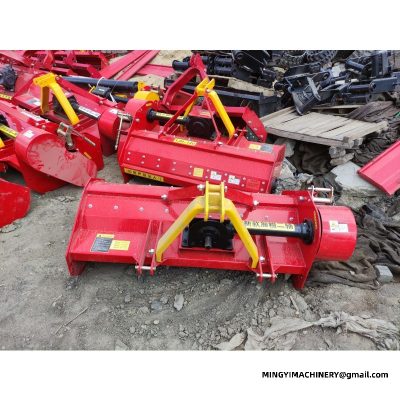
| rotary tiller , 2.2 m working width , 180 gearbox | — |
| dozer blade | — |
| rotary tiller , 1.6 m working width , 125 gearbox | — |
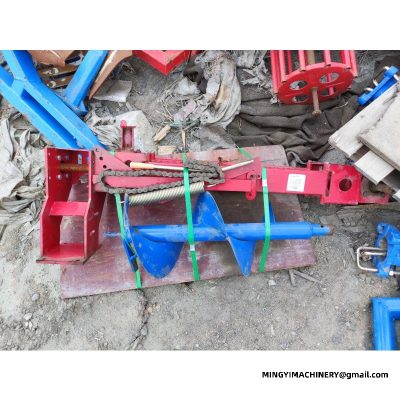
| tree hole digger | — |
Seasonal work rewards a machine that can change duty. Through the year a machine of this size may move from one task to another, and the attachment list should be chosen for the whole year rather than for the first job.
Container loading is a planning exercise. The overall dimensions and the operating weight of the machine itself decide whether it ships whole, partly disassembled or with the attachment removed, and that decision is made before the booking.
A machine that works on one site still has to reach the next. The overall dimensions and the operating weight of the machine in that duty decide what trailer or truck is needed, and that decision belongs before the job is booked.
A good handover covers the awkward cases, not just the easy ones. Starting a machine built for the work on a slope, turning in a confined space and recovering from soft ground are the situations an operator should meet first with someone beside them.
Retrofitting is limited by the base machine. Before anything is added to the tiller the hydraulic flow, the mounting interface and the stability allowance have to be checked, because those limits are what decide what is sensible.
Operators notice things first because they hear the machine every day. Encouraging the person on the unit in daily use to report small changes, and acting on them, is the most effective maintenance programme there is.
Training is simpler than repair. An hour spent with a new operator on the equipment on site, covering the limits and the awkward cases, is the least lengthy hour in the whole ownership.
Every line above comes from the build sheet for the machine itself, and the final configuration is confirmed against the working conditions and the destination before production.
E-mail:sales@mingycn.com
LINE(ID):mingyicn