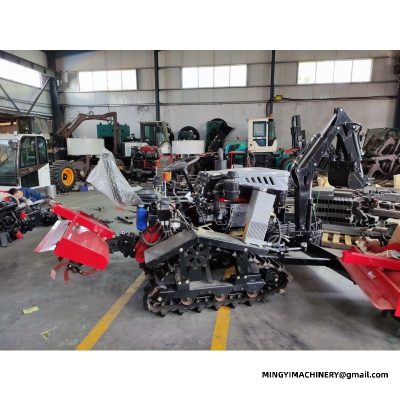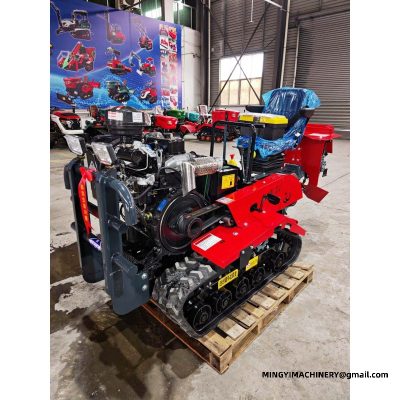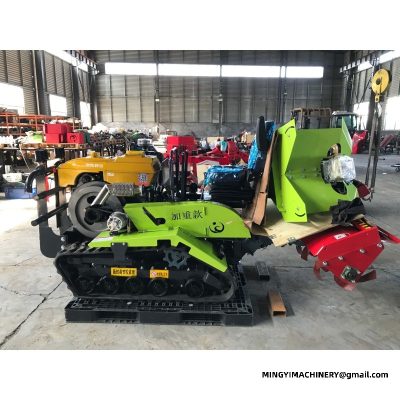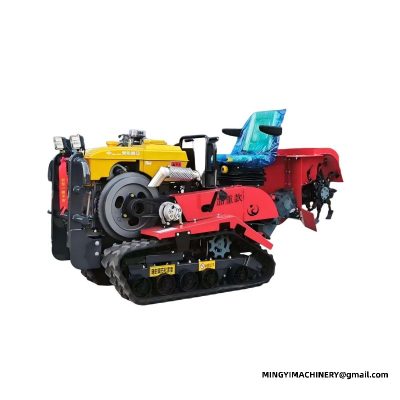
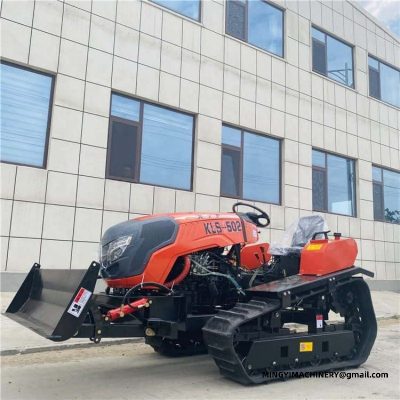
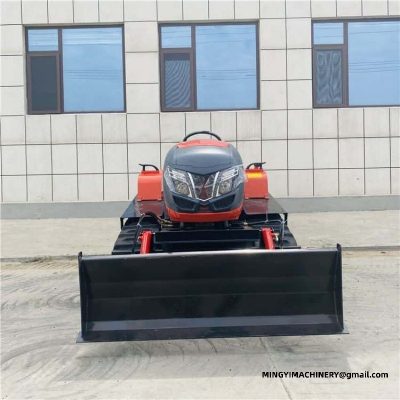
Two buyers can order the tiller for the same nominal job and receive different machines, because the ground and the access decide more than the workload does. The sections below explain which questions separate the two cases.
Fleet buyers often want consistency rather than variety. Specifying this class of machine so that several units share controls, filters and service points reduces training time and keeps the parts shelf small. Customisation should still be limited to what the work needs. Each addition to the unit in daily use is another item to maintain, so the useful question is not what can be added but what the job list actually requires.
Wet and dry field versions exist for a reason. A machine of this size built only for dry land will struggle in a paddy, while one built for both gives up a little on each and is usually the better choice for a mixed farm.
Handover should include the documents as well as the keys. Parts list, service schedule and the operator notes for the equipment on site are what the workshop needs in month six, and they are much harder to obtain later. A short familiarisation session prevents the early faults. Most first-month problems on the machine itself come from unfamiliarity with controls, limits or checks rather than from the machine itself. Keeping the manuals where they can be reached matters. The model in question whose documents stay with the machine gets serviced on schedule; one whose paperwork was filed elsewhere tends to run on memory instead.
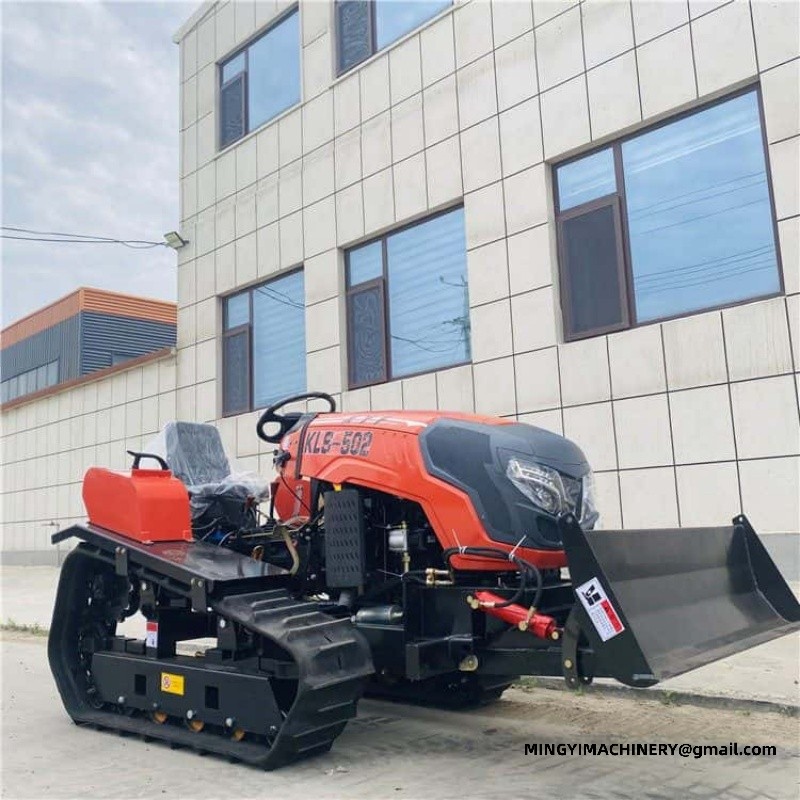
Slopes and edges deserve a separate check. The machine in that duty that is stable on level ground behaves differently across a gradient, and the safe working angle is a number worth knowing rather than estimating. Personal protective equipment and a stop rule are simple controls. Agreeing before work starts that anyone can stop the job is the single measure that most often prevents a serious incident near the unit on the job.
The working surface should be surveyed before the equipment in service is specified. A machine that is stable on compacted gravel can be unusable on the same site after rain, and the difference shows up as lost days rather than as a fault. Traction and flotation are two separate questions. A machine built for the work may have the power for a slope and still not have the grip, so the surface, not the engine rating, is usually what limits the working day.
Duty cycle is the honest measure of a machine. The tiller working a few hours a week has different needs from one working two shifts, and the cooling, filtration and service intervals should follow the hours rather than the calendar. Hour planning helps at resale as well. This class of machine with a recorded service history and a sensible hour count is easier to sell than one with the same hours and no records, whatever its condition.
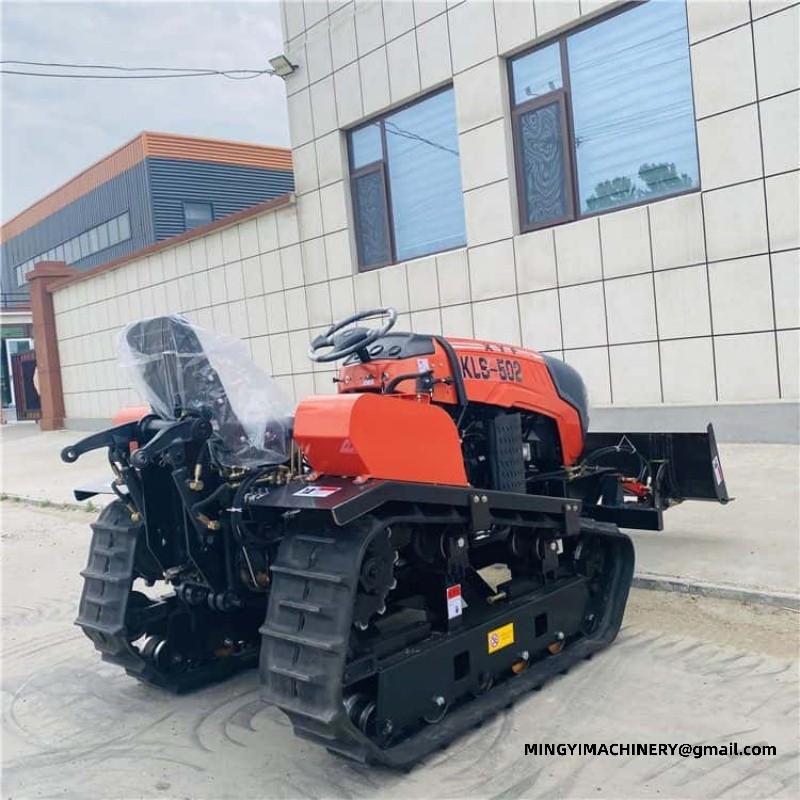
Moving the machine is part of owning it. Overall length, width and height decide which trailer or container the unit in daily use fits, and a machine that needs a permit or an abnormal load escort is a machine with a delivery delay built in. Shipping dimensions matter as much on export orders as they do locally. Confirming the packed size of a machine of this size before booking avoids re-booking freight after the machine is built.
Cold changes how a machine starts and how it warms up. Allowing the equipment on site to reach operating temperature before loading it, and using the correct grade of oil and fuel for the season, prevents most cold-start problems. Batteries and fluids are the parts that notice the cold first. The machine itself kept on a maintainer through a freezing spell starts on the first turn, while one left standing is the usual cause of a lost morning.
Sealed points and guarded areas deserve a look in these conditions. The machine in that duty working in abrasive dust benefits from checked boots, intact guards and clean breathers, all of which are quick to verify.
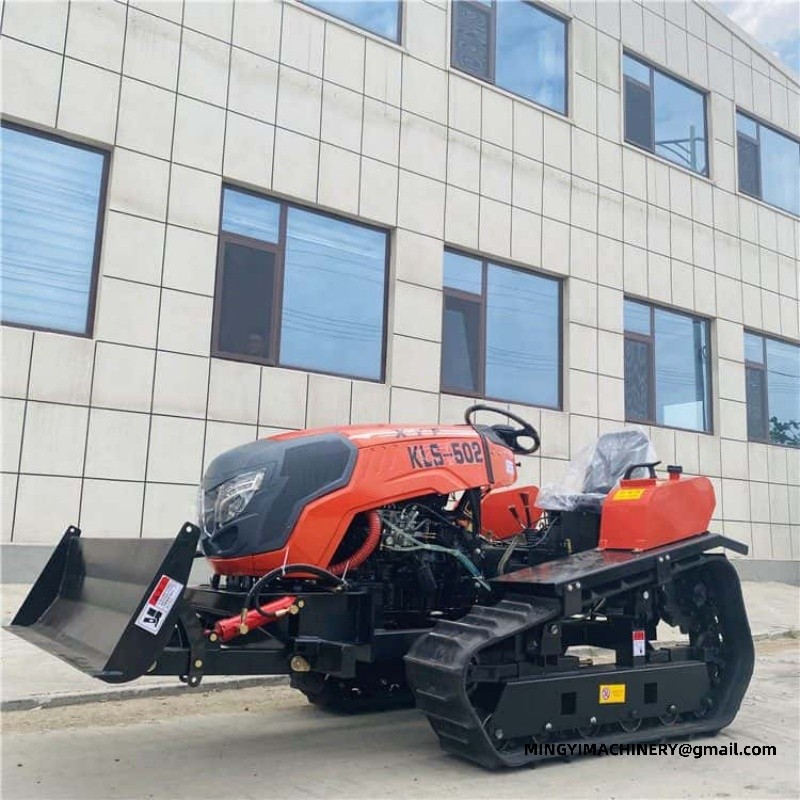
Second passes effort time and fuel. Getting the depth and speed right on the first pass with a machine built for the work is the simplest improvement available, and it is mostly a matter of operator habit.
Matching the engine to the duty matters more than the peak rating. The tiller that spends its day at part load benefits from a different setup than one that works at full output, and the difference shows in fuel use over a season.
Fleet value comes from interchangeability. Operators who can step between machines without retraining, and a workshop that stocks one set of filters, keep utilisation higher than a fleet of individually optimised units. Standardising where possible simplifies everything downstream. When several units of the unit in daily use share a service schedule and a parts list, the fleet becomes easier to plan and easier to sell on at replacement time.
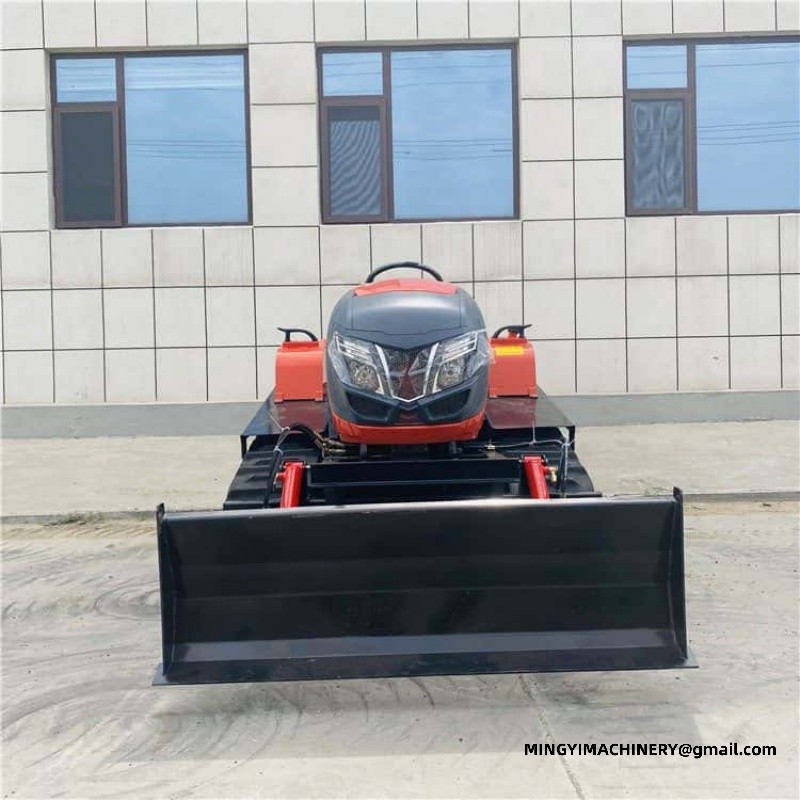
Most owners find that the second attachment changes how often the machine is used. The equipment on site that was bought for one task often becomes the general machine on site once a second tool is available.
Machine productivity depends on what happens around it. Deliveries, other trades and the sequence of work decide how much of the shift the model in question spends actually working rather than waiting.
Dust and sun are the daily conditions. The unit on the job fitted with a canopy or an enclosed cab keeps the operator working through a long day, and on a hot season that difference is measured in hours rather than comfort.
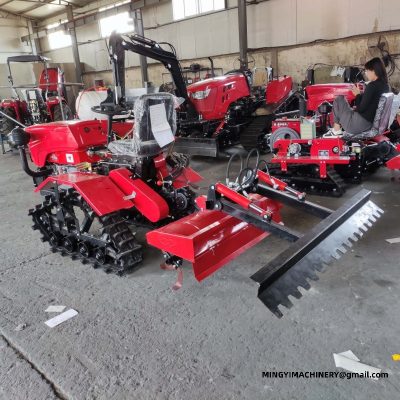
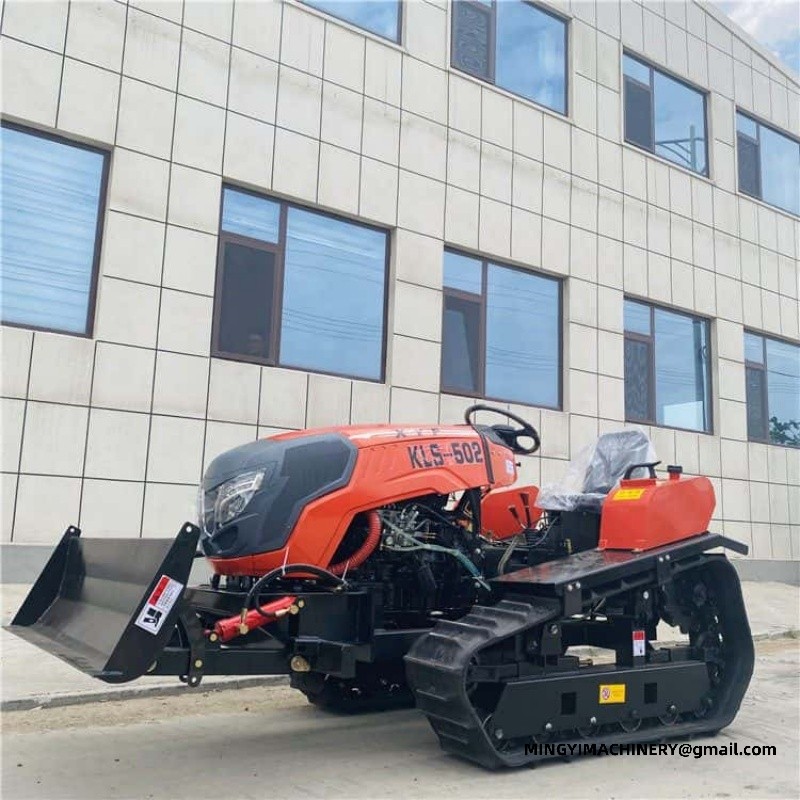
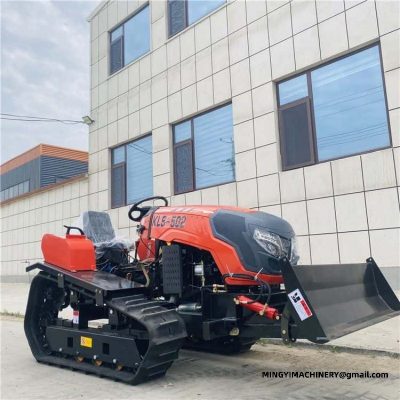
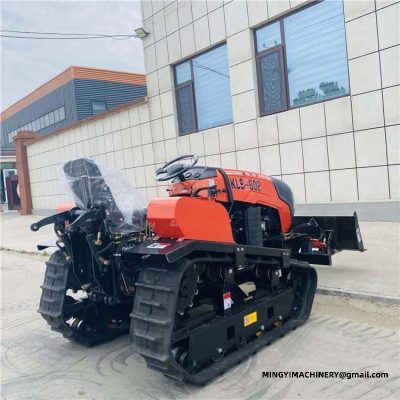
The track is what makes the machine usable on soft ground. A wider track spreads the weight of the tiller over more area and lowers ground pressure, which is the difference between working after rain and waiting for the field to dry. Cleaning the undercarriage is part of the job. Mud and straw packed into the track frame of the equipment in service increases rolling resistance and accelerates wear, and a few minutes at the end of the day prevents it.
The models below cover the crawler rotary tiller range. Power, working condition, engine series and track width are confirmed together, because the field the machine works in decides the track and the engine before the working width matters.
| Model | Working condition | Engine series | Induction | Track width |
|---|---|---|---|---|
| 80 hp wet and dry field crawler rotary tiller | wet and dry field | 495 series | turbocharged | — |
| 70/75 hp dry field crawler rotary tiller | dry field | 490 series | turbocharged | — |
| 70/75 hp wet and dry field crawler rotary tiller | wet and dry field | 490 series | turbocharged | — |
| 80 hp wet and dry field crawler rotary tiller | wet and dry field | 495 series | turbocharged | — |
| 50 hp dry field crawler rotary tiller | dry field | 490 series | — | — |
| 100 hp wet and dry field crawler rotary tiller | wet and dry field | — | — | 350 mm |
| 60 hp wet and dry field crawler rotary tiller | wet and dry field | 495 series | — | — |
| 120 hp paddy field crawler rotary tiller | paddy field | — | — | 350 mm |
| Item | Note |
|---|---|
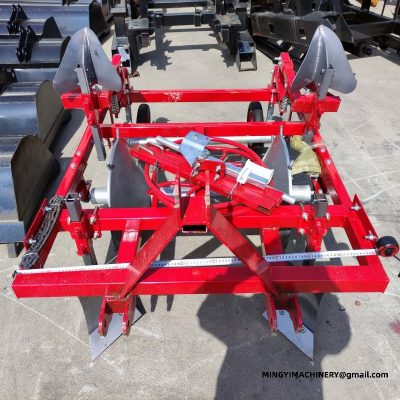
| offset trencher | — |
| rotary tiller , 2.2 m working width , 180 gearbox | — |
| 1.5 m straw returning | working width 1.5 m |
| simple canopy | — |
| 1.3 m straw returning | working width 1.3 m |
| rotary tiller , 1.3 m working width , 125 gearbox | — |
| land leveller2.2 m -4.4 m | working width 2.2 m |
| sprayer | — |
Most additions are easier to plan than to add. Hydraulic services, mounting brackets and electrical capacity on the equipment on site are build items, and deciding them at the specification stage is far easier than doing it later.
Most engine trouble starts with what went into the tank. Clean fuel, stored properly and filtered before it reaches the model in question, prevents more downtime than any other single habit an owner can adopt.
Securing the load is not optional. Lashing the unit on the job at the points intended for it, checking the tension before the vehicle moves and rechecking after the first kilometres is standard practice rather than extra care.
How a machine travels decides how it starts on arrival. Securing the equipment in service against movement, protecting the exposed cylinders and keeping the battery and fluids in the right state for the voyage all belong to the packing list.
The machine is only half of what arrives. The parts book, the service schedule and the declarations that come with this class of machine are what let the owner register, insure and maintain it without a second round of emails.
Transport shakes things loose. A short check of a machine of this size after the crate is opened, covering the same points the pre-delivery inspection covered, is the most useful insurance available on delivery day.
Every line above comes from the build sheet for the equipment on site, and the final configuration is confirmed against the working conditions and the destination before production.
E-mail:sales@mingycn.com
LINE(ID):mingyicn