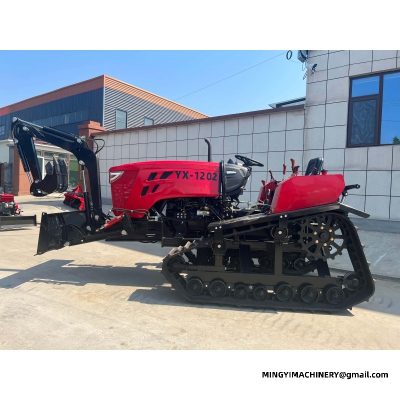
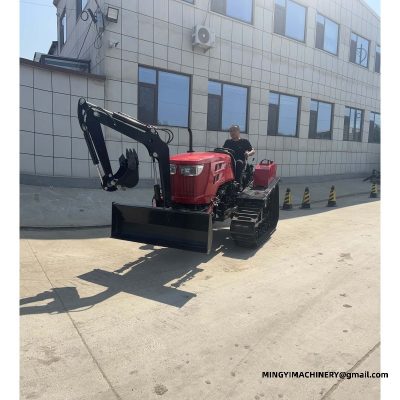
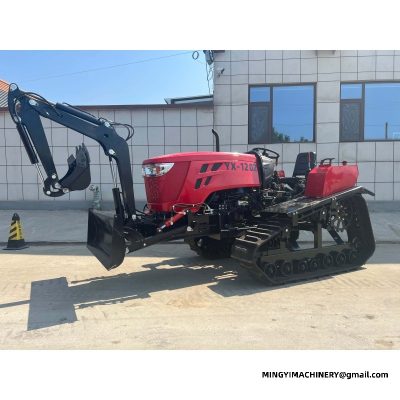
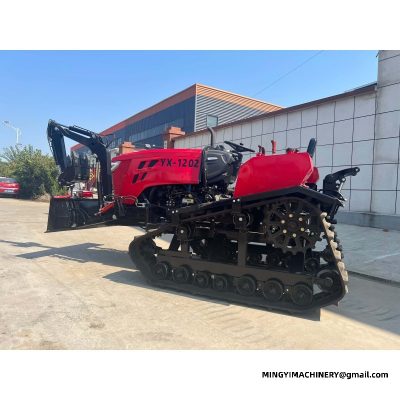
The tiller is a working machine, and the useful questions are the unglamorous ones. How long does it run between services, what does it need from the operator, how is it moved and what happens when a part is needed. Those are answered below in that order.
Support after delivery is a parts question. Filters, belts, hoses and the wearing items specific to this class of machine are what a buyer should plan to hold before the first service interval rather than order after a failure. Parts availability usually decides the engine and the brand. A machine built around components the local network already carries is serviced from stock, which is the difference between a day lost and a week lost.
Lead time is part of the specification. Confirming build time, shipping method and what is included before ordering the unit in daily use prevents the common gap between when the machine is needed and when it can arrive.
Standing water hides the ground underneath. Working a machine of this size in a paddy means accepting slower progress and planning the turns, because the places where the machine sinks are the places where the soil has already been disturbed.
Abrasive conditions shorten service intervals. Air filters, seals and any exposed sliding surface on the equipment on site need attention more often in dusty or muddy work, and the extra checks prevent far more wear than the time they take.
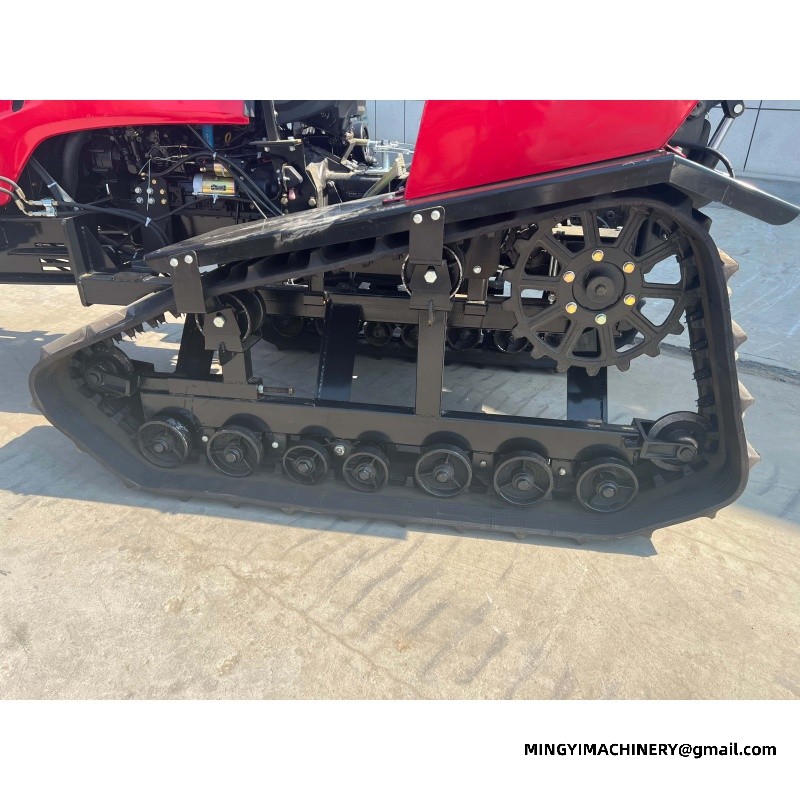
Ground decides more of the outcome than power does. Soft, wet or loose surfaces call for a wider footprint and lower ground pressure, while hard standing allows a narrower machine that turns in less space and travels faster between tasks. The working surface should be surveyed before the machine itself is specified. A machine that is stable on compacted gravel can be unusable on the same site after rain, and the difference shows up as lost days rather than as a fault.
Commissioning is the point where most avoidable issues are found. Checking levels, fasteners and function on the model in question before it goes to work takes an hour and prevents a claim conversation later. Warranty terms are clearer when they are read before purchase. Knowing what is covered, what counts as a wearing item and what documentation is required makes a claim on the machine in that duty straightforward rather than contested.
Row work is about width and clearance. The unit on the job used between vines or under orchard trees has to fit the row, and the working width and overall height are specified from the planting rather than from the field size. Turning room at the headland matters in short rows. A machine built for the work that turns inside its own length covers more of a small plot per hour than a larger machine that has to reverse out of every row. Row crop work also means working around obstacles. Guards, lighting and a clear view from the seat are what let the equipment in service work close to trunks and posts without damage to either.
Utilisation matters more than the purchase decision over a few years. The tiller that sits idle ties up the same yard space standing still as one that earns, so the buying decision should follow the hours the machine will realistically work.
Container loading is a planning exercise. Confirming how the unit in daily use is packed and how many units fit a container is what turns a per-unit freight estimate into a delivered figure the buyer can actually plan against.
Keeping the manuals where they can be reached matters. The equipment on site whose documents stay with the machine gets serviced on schedule; one whose paperwork was filed elsewhere tends to run on memory instead.
Build options are where a standard machine becomes the right machine. Colour, guarding, lighting, seating and hydraulic provisions can usually be set at build time on the model in question, and are far simpler then than as a retrofit.
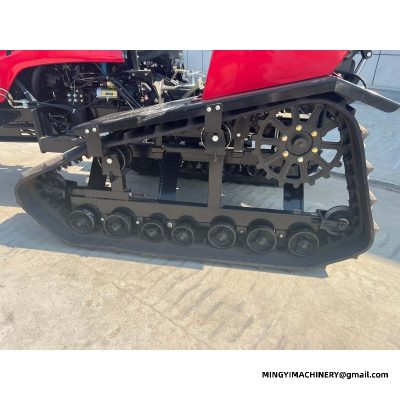
Wear rate follows conditions far more than hours. The unit on the job working on abrasive ground or in mud will consume undercarriage or tyre life much faster than the same machine on clean ground.
Blades are the consumable that decides the result. The equipment in service with blunt blades tears the soil rather than cutting it, and the extra load is carried by the gearbox and the engine for no benefit.
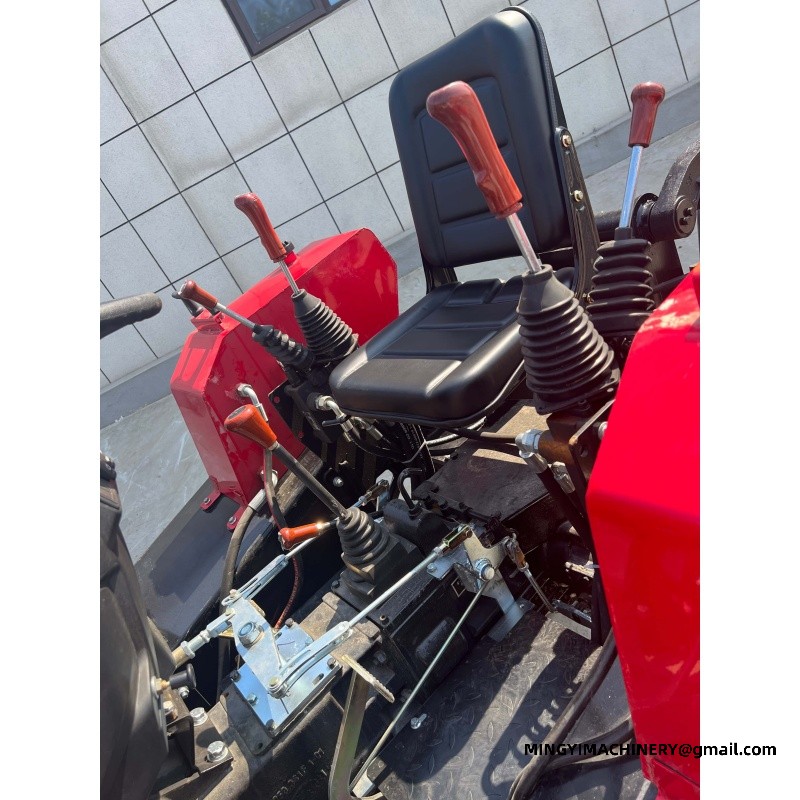
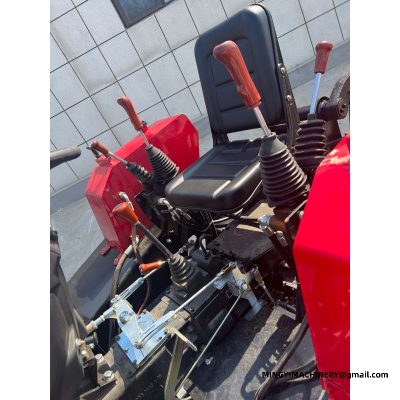
Dust and sun are the daily conditions. This class of machine fitted with a canopy or an enclosed cab keeps the operator working through a long day, and on a hot season that difference is measured in hours rather than comfort. Visibility from the seat decides working quality. Being able to see the rotor and the edge of the pass from a machine of this size is what gives a straight, even working width without repeated correction. Simple cabs suit some users better. The unit in daily use that can be hosed out, has a washable seat and keeps the controls within reach is often preferred to a fully trimmed cab on a working farm.
Emissions documentation is part of engine selection for some destinations. Confirming which units can be supplied and documented for the destination country is worth doing at enquiry stage rather than after the build sheet is signed.
Planning the work to reduce empty movement is free. Fewer repositioning cycles on the model in question means less fuel, less wear on the undercarriage or tyres and more of the shift spent on productive work.
Ballast and attachment weight change the machine. Adding a heavy tool to the unit on the job moves the centre of gravity, and the counterweight or configuration should be matched to the tool rather than assumed.
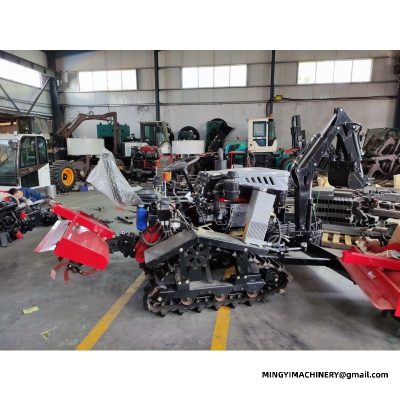
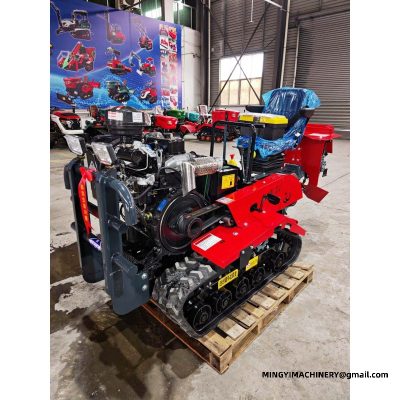
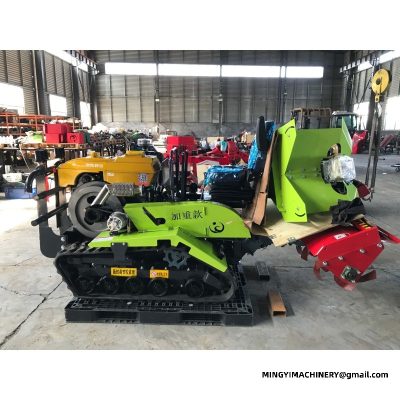
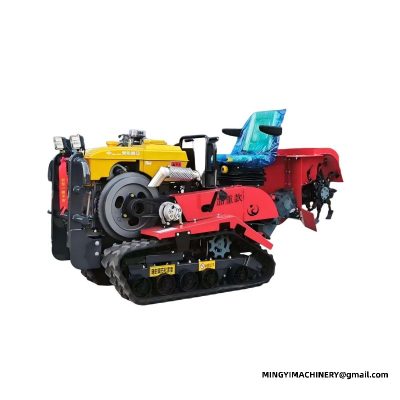
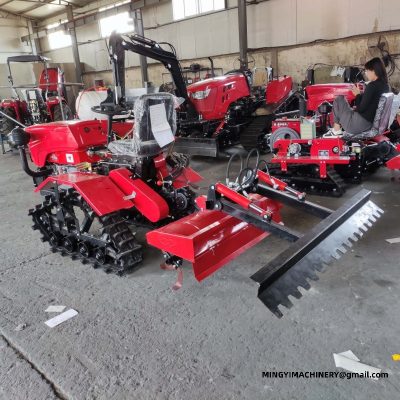
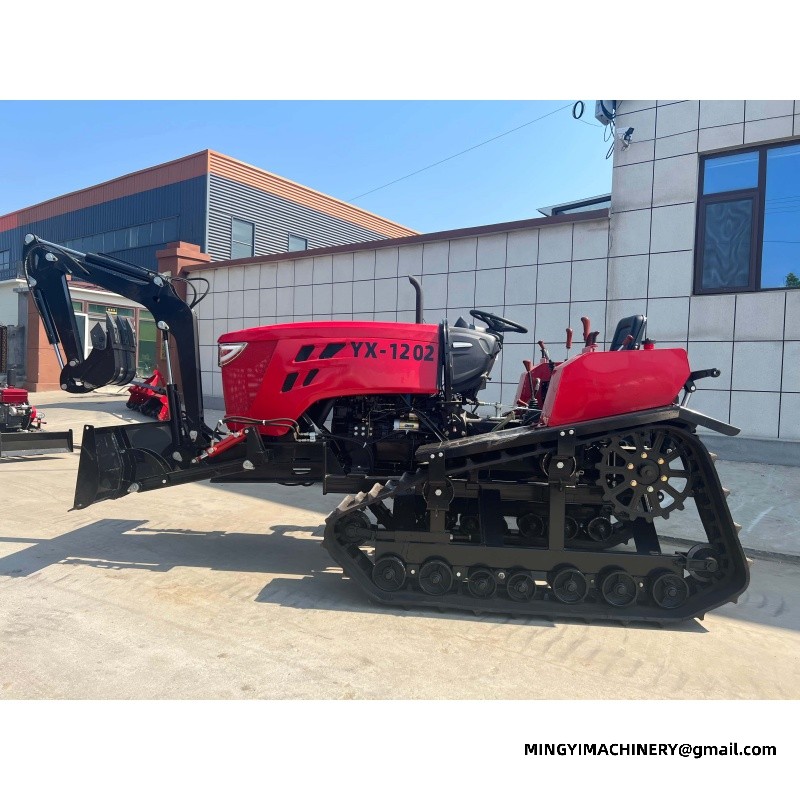
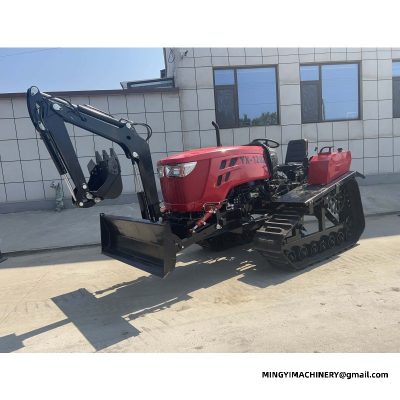
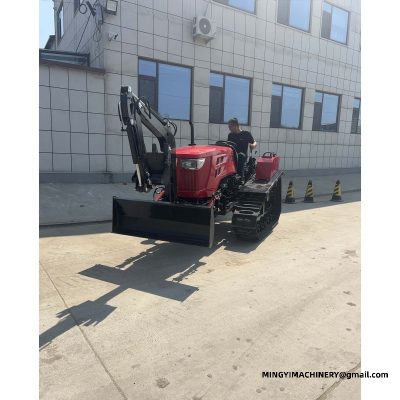
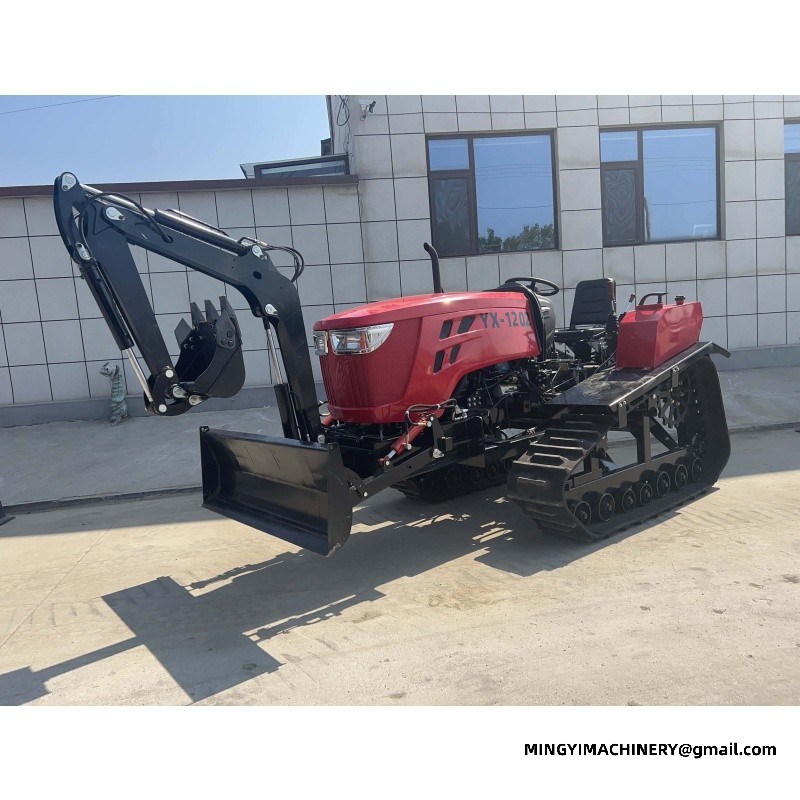
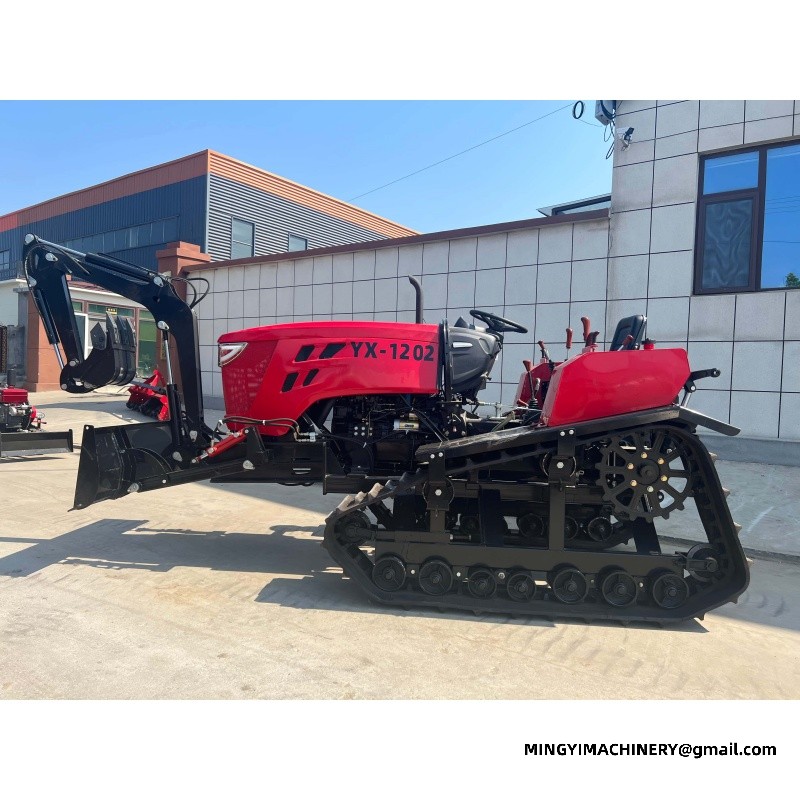
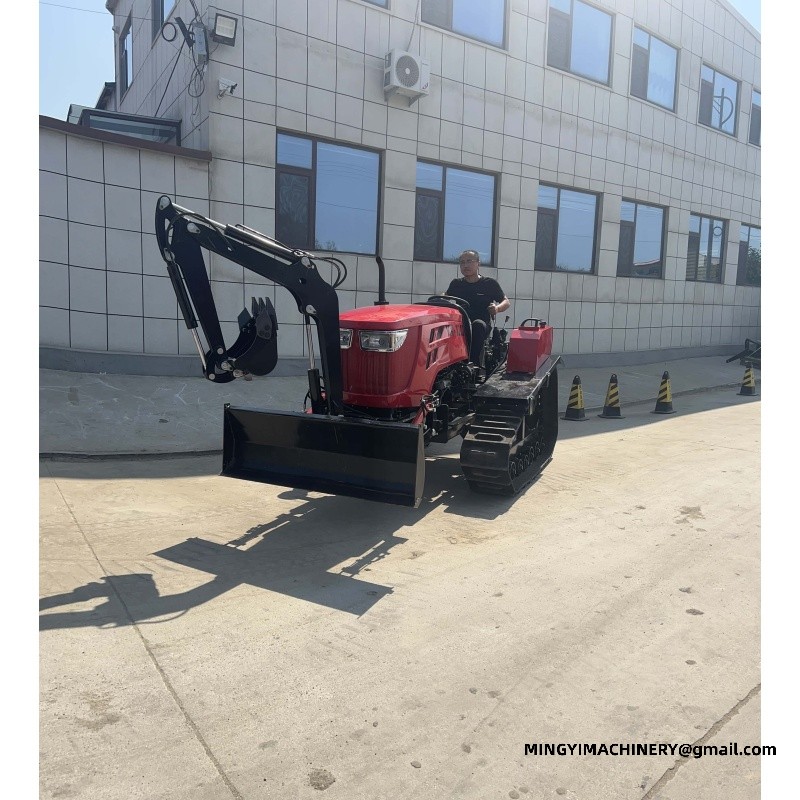
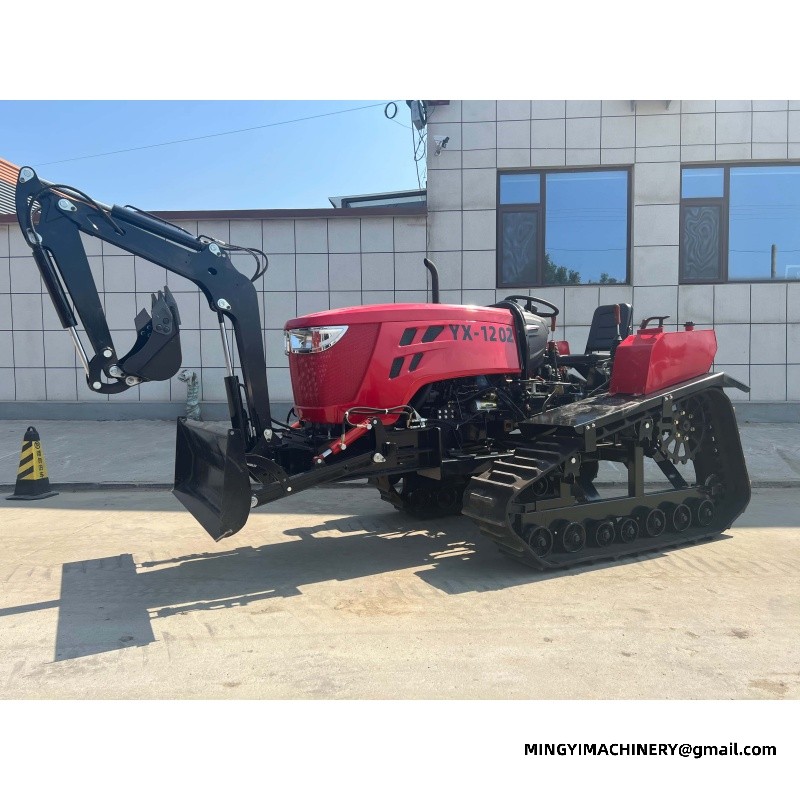
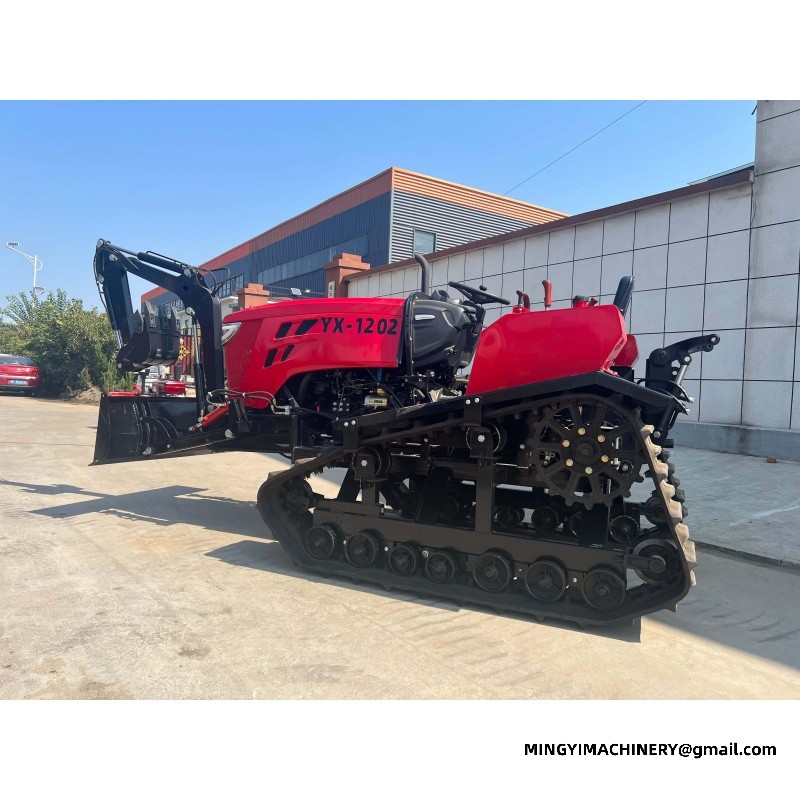
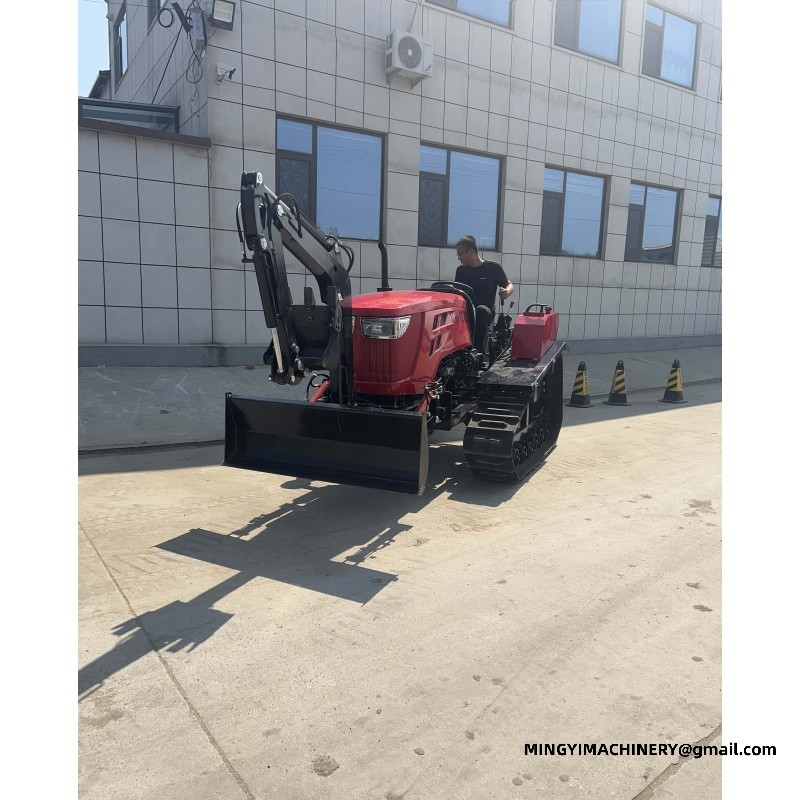
The models below cover the crawler rotary tiller range. Power, working condition, engine series and track width are confirmed together, because the field the machine works in decides the track and the engine before the working width matters.
| Model | Working condition | Track width | Engine series | Induction |
|---|---|---|---|---|
| 130 hp paddy field crawler rotary tiller | paddy field | 350 mm | — | — |
| 120 hp paddy field crawler rotary tiller | paddy field | 350 mm | — | — |
| 70/75 hp wet and dry field crawler rotary tiller | wet and dry field | — | 490 series | turbocharged |
| 60 hp wet and dry field crawler rotary tiller | wet and dry field | — | 495 series | — |
| 50 hp wet and dry field crawler rotary tiller | wet and dry field | — | 490 series | — |
| 80 hp wet and dry field crawler rotary tiller | wet and dry field | — | 495 series | turbocharged |
| 80 hp wet and dry field crawler rotary tiller | wet and dry field | — | 495 series | turbocharged |
| 100 hp wet and dry field crawler rotary tiller | wet and dry field | 350 mm | — | — |
| Item | Note |
|---|---|
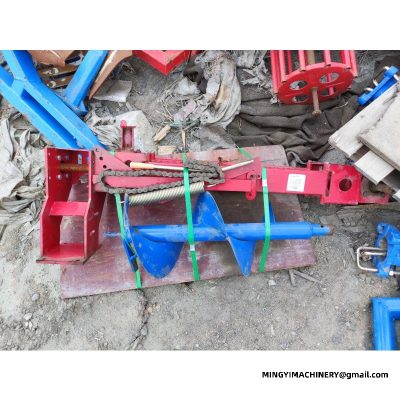
| tree hole digger | — |
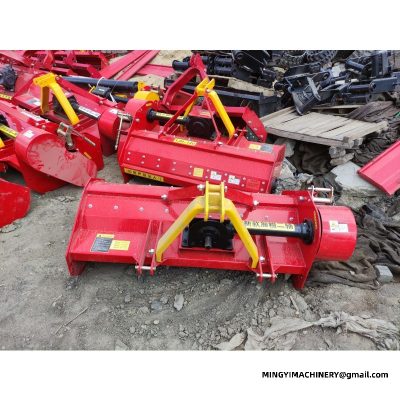
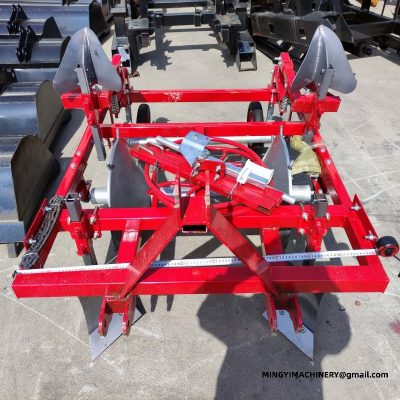
| rotary tiller , 1.6 m working width , 125 gearbox | — |
| deluxe cab | — |
| engineering bucket | — |
| 1.5 m straw returning | working width 1.5 m |
| rotary tiller , 2.2 m working width , 180 gearbox | — |
| rotary tiller , 1.3 m working width , 125 gearbox | — |
| simple canopy | — |
Operators notice things first because they hear the machine every day. Encouraging the person on this class of machine to report small changes, and acting on them, is the most effective maintenance programme there is.
A cold start is easier when the machine is prepared the night before. The routine that keeps a machine of this size working through winter is mostly a matter of fuel, battery and patience in the first ten minutes of the day.
An added function should pay for itself quickly. Whether the machine itself gains a different bucket, a hydraulic service or a protection package, the test is the number of days a year it is actually used.
Service history also protects the warranty position. Evidence that the machine in that duty was maintained at the specified intervals and with the specified fluids settles questions that would otherwise be argued.
A machine should be inspected while it is still on our floor rather than after it lands. For a machine built for the work that means the engine is run to temperature, the hydraulics are cycled through full travel, and every function is checked against the build sheet before the crate is closed.
Keeping the documents together is part of ownership. The manual, the service record and the build sheet for the tiller belong in one folder, and the machine is easier to sell later when that folder is complete.
Securing the load is not optional. Lashing the unit in daily use at the points intended for it, checking the tension before the vehicle moves and rechecking after the first kilometres is standard practice rather than extra care.
A good handover covers the awkward cases, not just the easy ones. Starting the equipment on site on a slope, turning in a confined space and recovering from soft ground are the situations an operator should meet first with someone beside them.
Every line above comes from the build sheet for the machine itself, and the final configuration is confirmed against the working conditions and the destination before production.
E-mail:sales@mingycn.com
LINE(ID):mingyicn