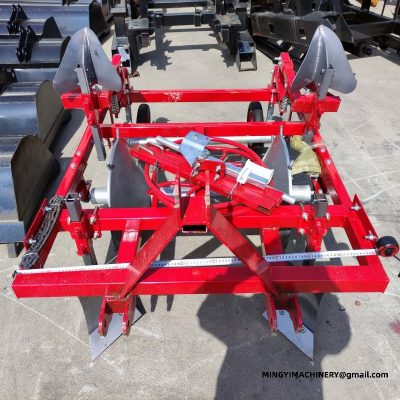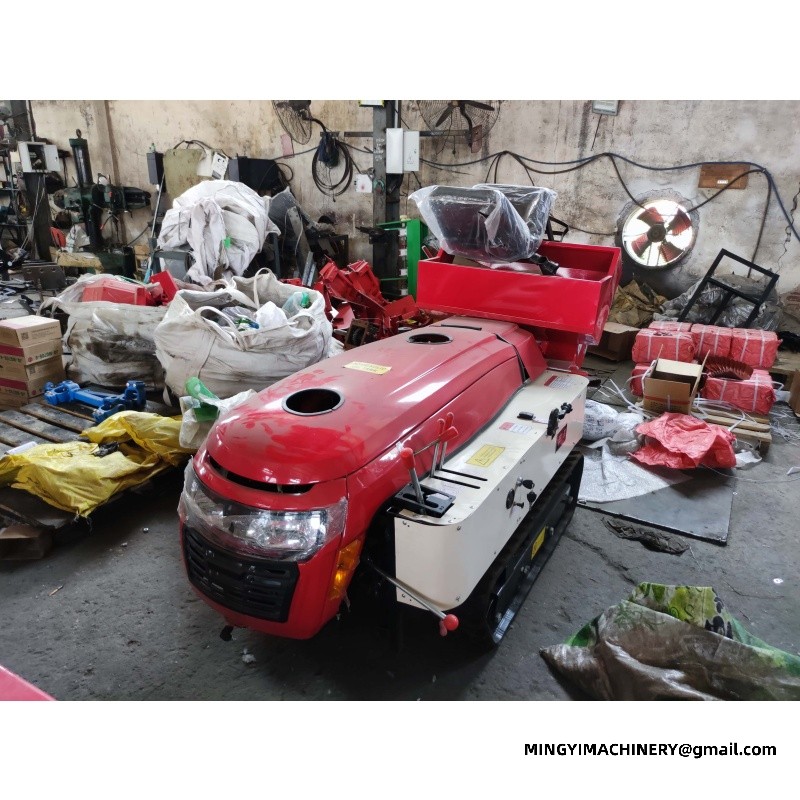
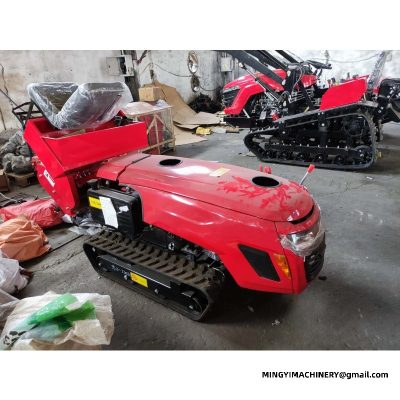
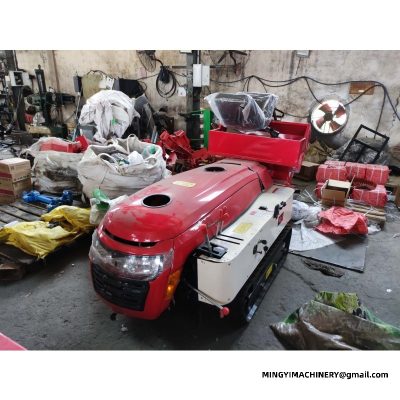
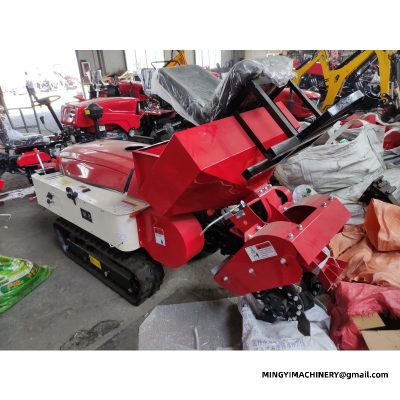
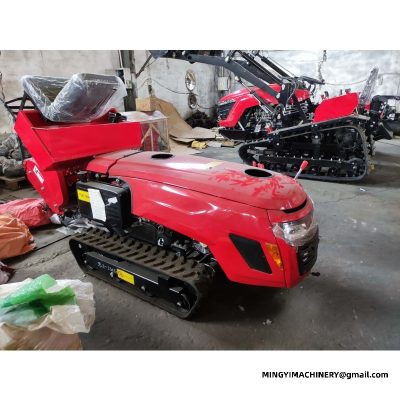
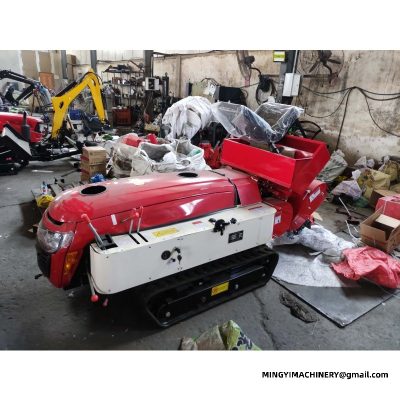
The tiller is built for the work that fills the calendar rather than the work that looks impressive. This page sets out what the machine does, where it fits and what to settle before ordering, so the specification can be matched to the job instead of guessed at.
Access and storage are worth settling early. Where this class of machine will be parked, refuelled and serviced on site affects the working day more than most specification details, and it takes nothing to plan.
Paddy work changes the specification. The unit in daily use intended for flooded ground needs sealed hubs, a higher air intake and flotation that keeps it on the surface, and those are build items rather than things to add later. Standing water hides the ground underneath. Working a machine of this size in a paddy means accepting slower progress and planning the turns, because the places where the machine sinks are the places where the soil has already been disturbed.
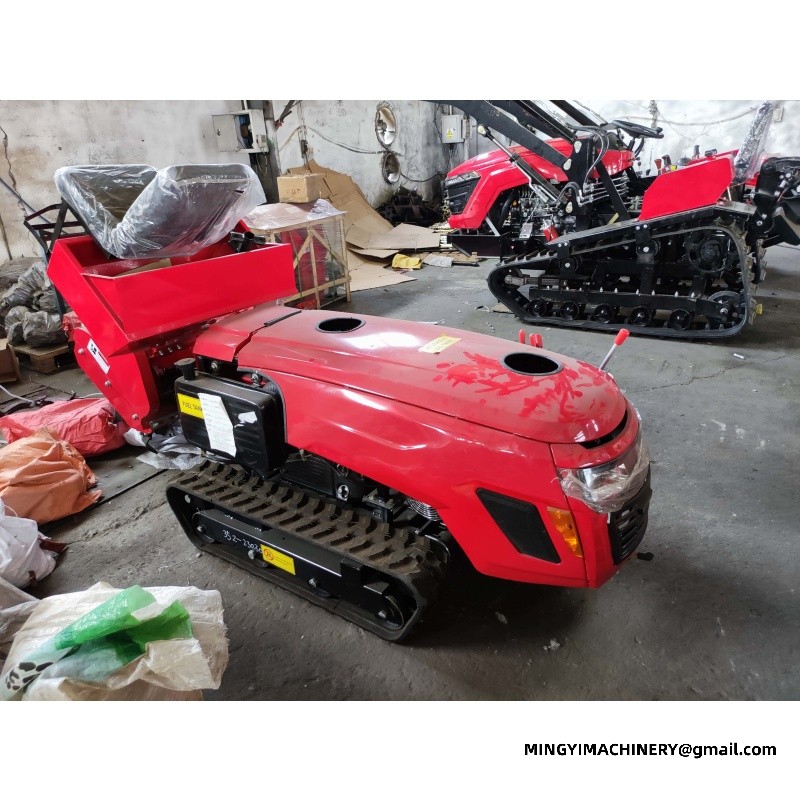
Fuel is usually the largest controllable running demand. Operating style, correct tyre or track condition and a clean air supply all move consumption on the equipment on site by more than most buyers expect. Planning the work to reduce empty movement is free. Fewer repositioning cycles on the machine itself means less fuel, less wear on the undercarriage or tyres and more of the shift spent on productive work.
Export orders add steps that domestic buyers never see. Packed dimensions, securing points, documentation and any dismantling required are all settled before the model in question leaves the factory, and each one affects the freight booking. Container loading is a planning exercise. Confirming how the machine in that duty is packed and how many units fit a container is what turns a per-unit freight estimate into a delivered figure the buyer can actually plan against. Documentation should be agreed at order stage. The commercial invoice, packing list and any certificate required at destination are part of shipping the unit on the job, and missing papers delay clearance longer than the voyage takes.
Reconfiguration can extend the useful life of a machine. A machine built for the work that no longer suits the current work may suit it again with a different attachment, guarding or control arrangement.
Cleaning is maintenance, not appearance. Washing the cooling surfaces and clearing packed material from the equipment in service keeps temperatures where they should be and makes the next inspection quicker and more useful.
An even tilth is the point of the pass. Depth that varies across the width of the tiller gives a seedbed that germinates unevenly, and the cause is usually a worn blade set rather than the setting. Second passes effort time and fuel. Getting the depth and speed right on the first pass with this class of machine is the simplest improvement available, and it is mostly a matter of operator habit.
Owners who work across several sites should check the transport dimensions before ordering. The unit in daily use that fits a standard trailer can be moved by any operator with a suitable vehicle, while an over-width machine narrows that choice and complicates every move. Shipping dimensions matter as much on export orders as they do locally. Confirming the packed size of a machine of this size before booking avoids re-booking freight after the machine is built.
Low temperatures also make materials behave differently. Ground that is frozen hard in the morning can be soft by midday, and planning the sequence around that is easier than fighting it with the machine itself.
Track tension and wear matter more than most owners expect. The machine in that duty run with slack tracks wears the sprockets and rollers, and the effort of that neglect is a full undercarriage rather than an adjustment. Cleaning the undercarriage is part of the job. Mud and straw packed into the track frame of the unit on the job increases rolling resistance and accelerates wear, and a few minutes at the end of the day prevents it.
Standardising where possible simplifies everything downstream. When several units of the equipment in service share a service schedule and a parts list, the fleet becomes easier to plan and easier to sell on at replacement time.
Working after daylight changes the risk. Lighting coverage on the unit in daily use and across the working area, plus high-visibility clothing for anyone on foot, are the items that make low-light work practical. Visibility from the seat is different at night. Reflections, shadows and glare all hide detail, so this class of machine used after dark benefits from clean lenses, working wipers and a slower working pace.
Standing still is hard on machinery. The equipment on site left for weeks benefits from a clean, dry, covered space, a charged battery and a fuel system prepared for the layoff, and all three effort very little. Before-storage preparation prevents most return-to-work faults. Draining or treating fuel, protecting exposed rods and relieving pressure where the maker specifies it are the items worth an hour when the machine itself is parked. A periodic start is better than none. Running the model in question to operating temperature during a long layoff keeps seals and the charging system in better condition than leaving it untouched until the next job.
A short familiarisation session prevents the early faults. Most first-month problems on the unit on the job come from unfamiliarity with controls, limits or checks rather than from the machine itself.
Ballast and attachment weight change the machine. Adding a heavy tool to the equipment in service moves the centre of gravity, and the counterweight or configuration should be matched to the tool rather than assumed. Carrying and travelling with a load needs its own plan. Speed, gradient and surface all matter more once the tiller is loaded, and the safe combination is the conservative one.
Traction and flotation are two separate questions. The unit in daily use may have the power for a slope and still not have the grip, so the surface, not the engine rating, is usually what limits the working day.
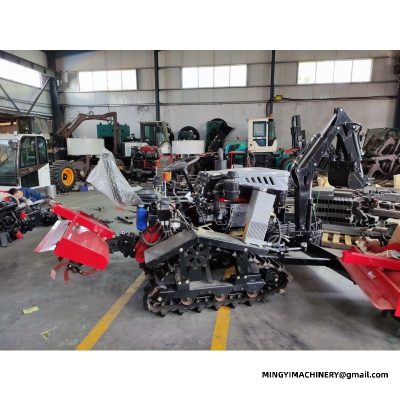
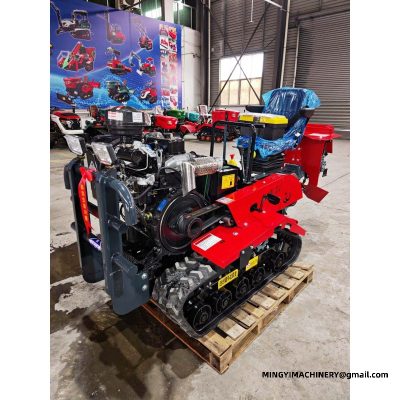
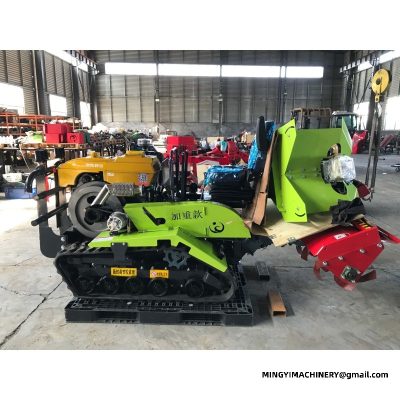
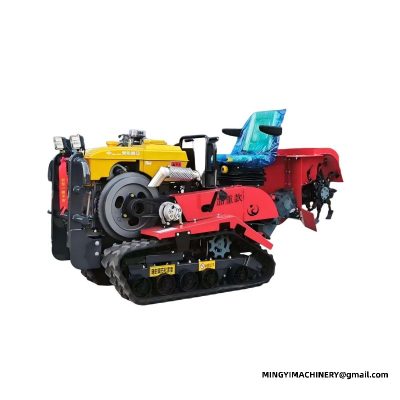
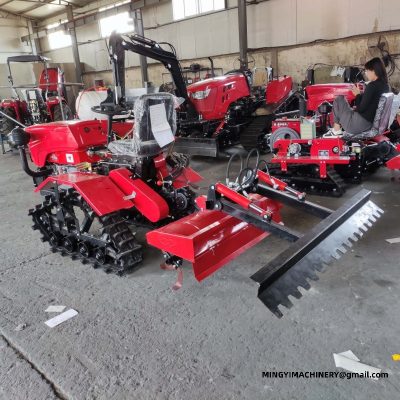
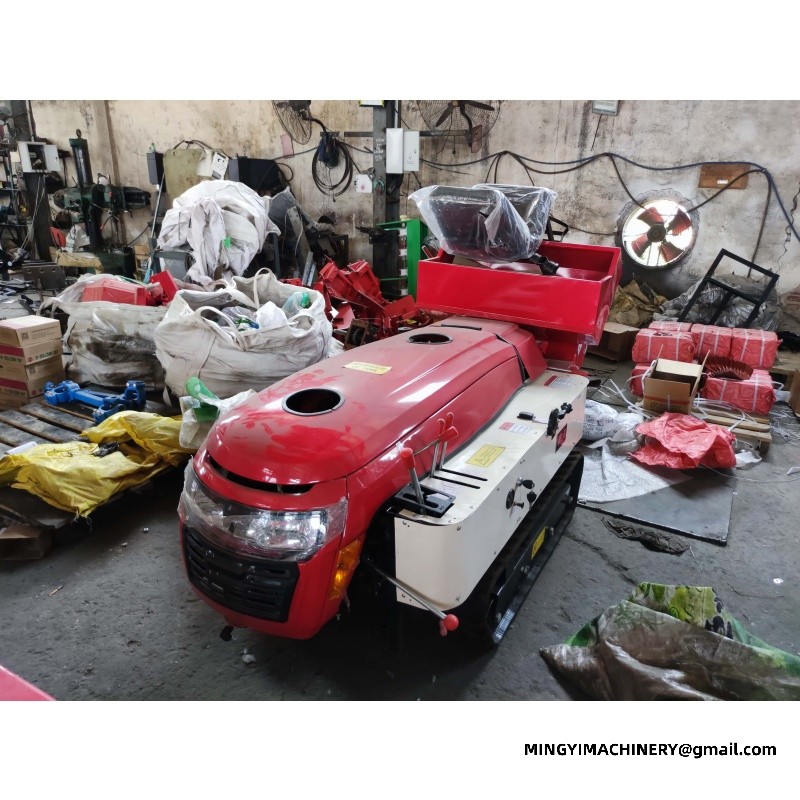
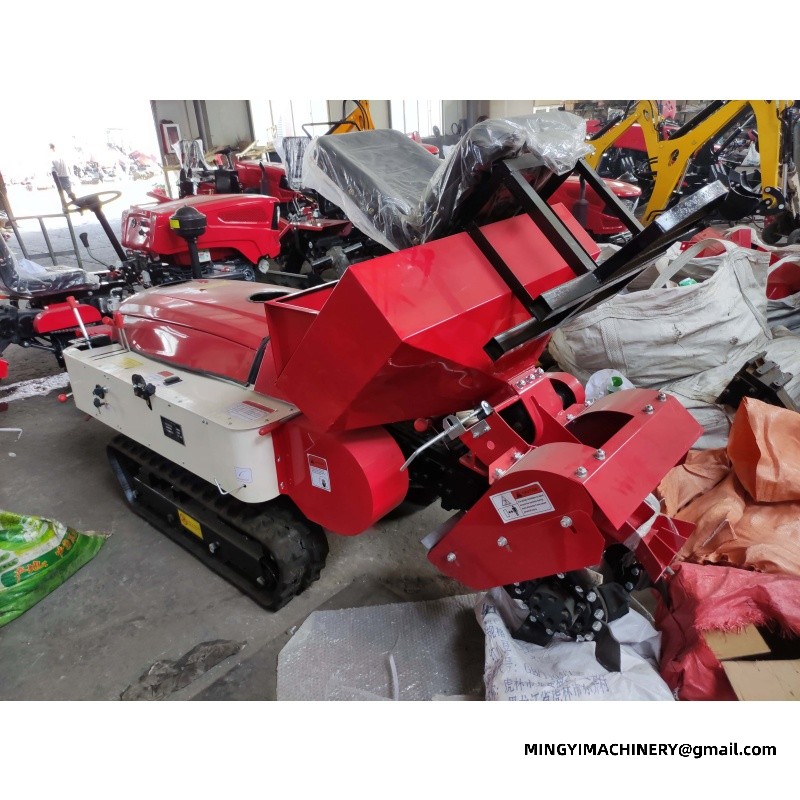
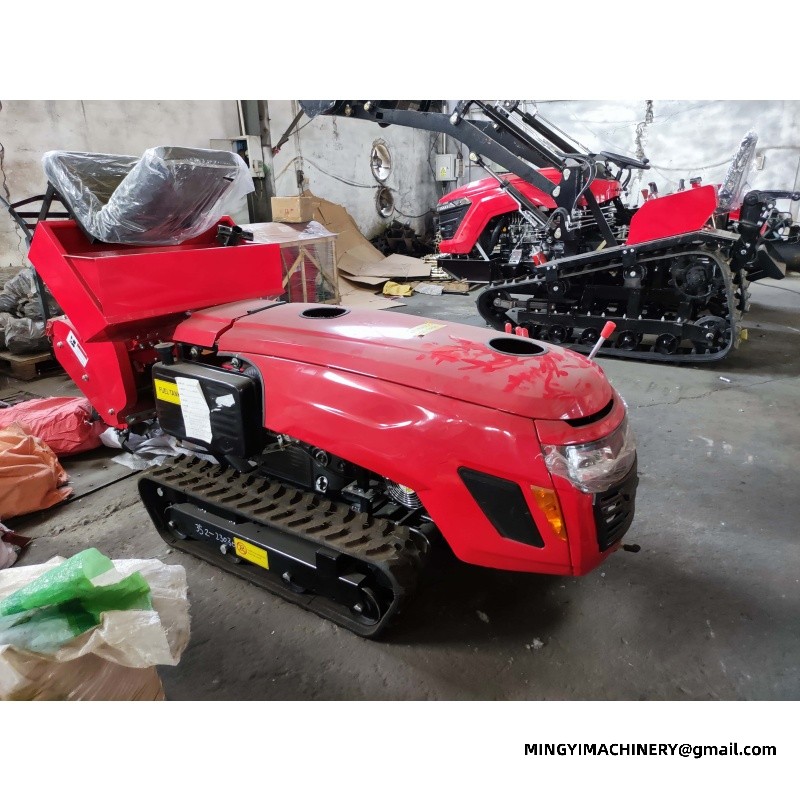
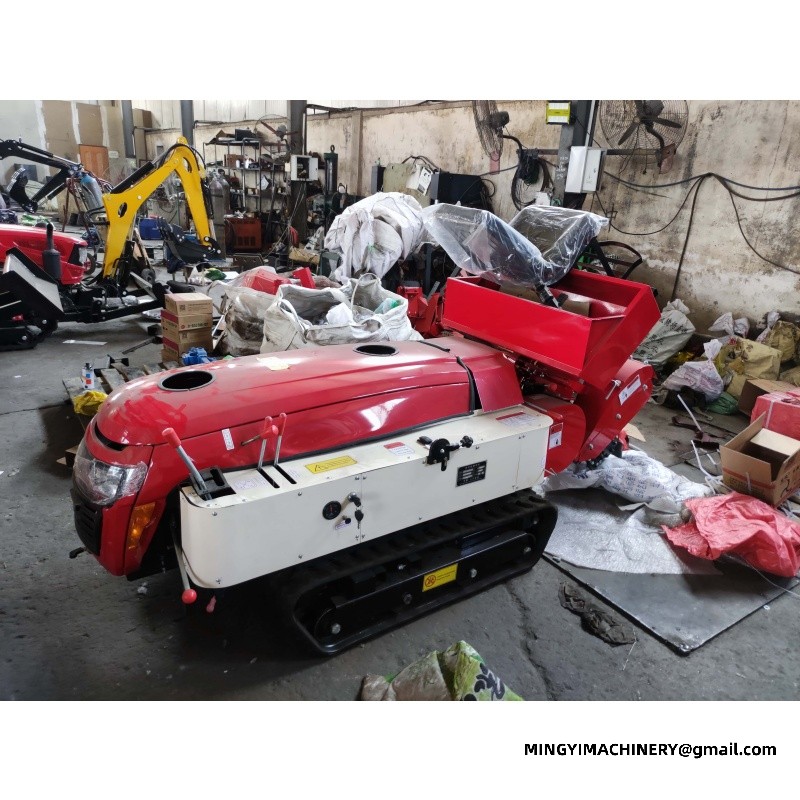
The models below cover the crawler rotary tiller range. Power, working condition, engine series and track width are confirmed together, because the field the machine works in decides the track and the engine before the working width matters.
| Model | Working condition | Track width | Engine series | Induction |
|---|---|---|---|---|
| 100 hp wet and dry field crawler rotary tiller | wet and dry field | 350 mm | — | — |
| 120 hp paddy field crawler rotary tiller | paddy field | 350 mm | — | — |
| 70/75 hp dry field crawler rotary tiller | dry field | — | 490 series | turbocharged |
| 60 hp dry field crawler rotary tiller | dry field | — | 495 series | — |
| 60 hp wet and dry field crawler rotary tiller | wet and dry field | — | 495 series | — |
| 50 hp wet and dry field crawler rotary tiller | wet and dry field | — | 490 series | — |
| 80 hp wet and dry field crawler rotary tiller | wet and dry field | — | 495 series | turbocharged |
| 130 hp paddy field crawler rotary tiller | paddy field | 350 mm | — | — |
| Item | Note |
|---|---|
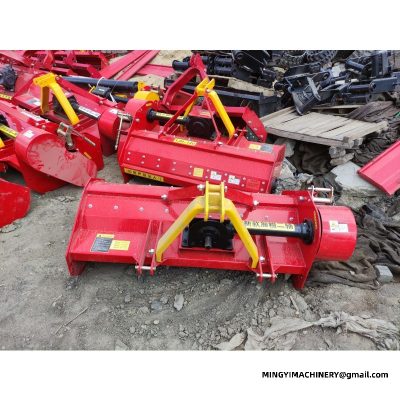
| rotary tiller , 1.6 m working width , 125 gearbox | — |
| rotary tiller , 1.5 m working width , 125 gearbox | — |
| rotary tiller , 2.2 m working width , 150 gearbox | — |
| 1.8 m rotary tillagefertilisingcombined machine | working width 1.8 m |
| simple canopy | — |
| rotary tiller , 2.0 m working width , 150 gearbox | — |
| deluxe cab | — |
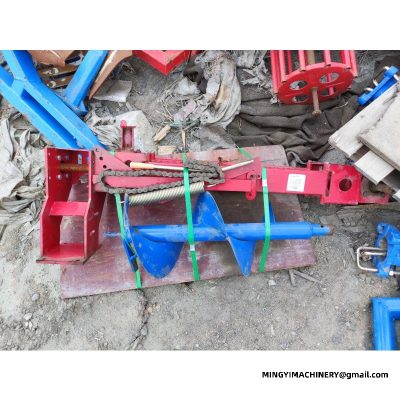
| tree hole digger | — |
Tropical operation is a specification question as much as a maintenance one. The cooling capacity, the sealing and the corrosion protection fitted to the model in question are what make the difference once the ambient temperature rises.
The parts that stop a machine are rarely the parts that are hardest to find. Filters, belts, seals and the ground engaging tools on the unit on the job are easy to hold and slow to replace, which is why they belong on the shelf rather than on an order.
The first hour on site should be slow. Before the equipment in service is put to work the fluid levels are rechecked after transport, the fasteners are gone over and the machine is run light so that anything loosened in transit shows up early.
Travel time is not working time, and it should be planned as its own item. The hours spent moving this class of machine between jobs are hours not worked, and a trailer that matches the machine reduces them every single trip.
What the customer sees on arrival is decided before departure. The walk-around given to a machine of this size covers the same points the operator will check on day one, so there are no surprises when the crate is opened at the destination.
A cold start is easier when the machine is prepared the night before. The routine that keeps the machine itself working through winter is mostly a matter of fuel, battery and patience in the first ten minutes of the day.
Later changes are easier when they were anticipated. Asking for the extra hydraulic circuit or the heavier mounting plate on the machine in that duty at build time adds little and leaves the option open.
Every line above comes from the build sheet for the unit on the job, and the final configuration is confirmed against the working conditions and the destination before production.
E-mail:sales@mingycn.com
LINE(ID):mingyicn