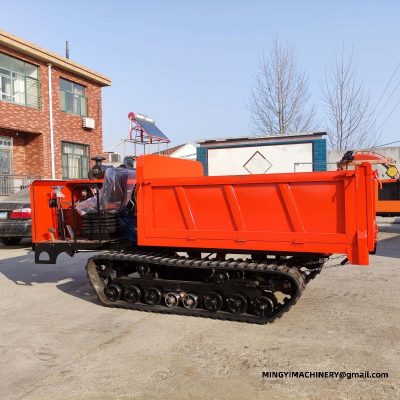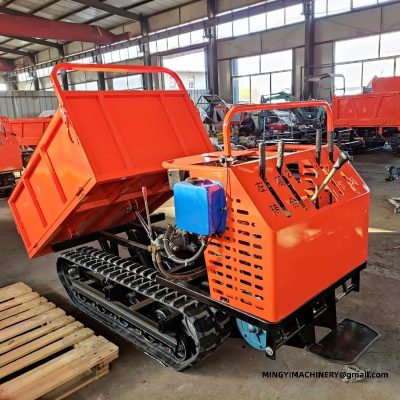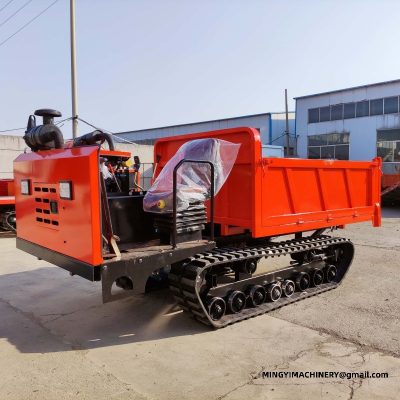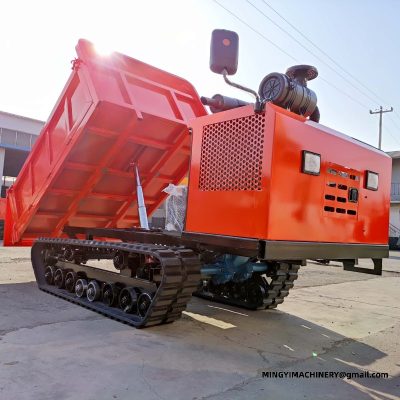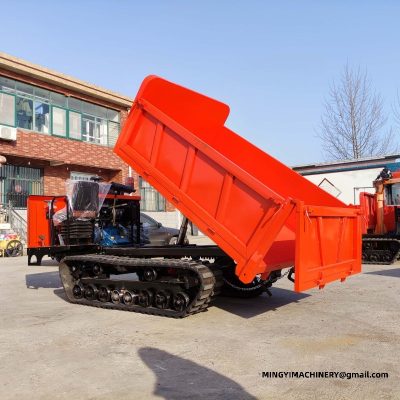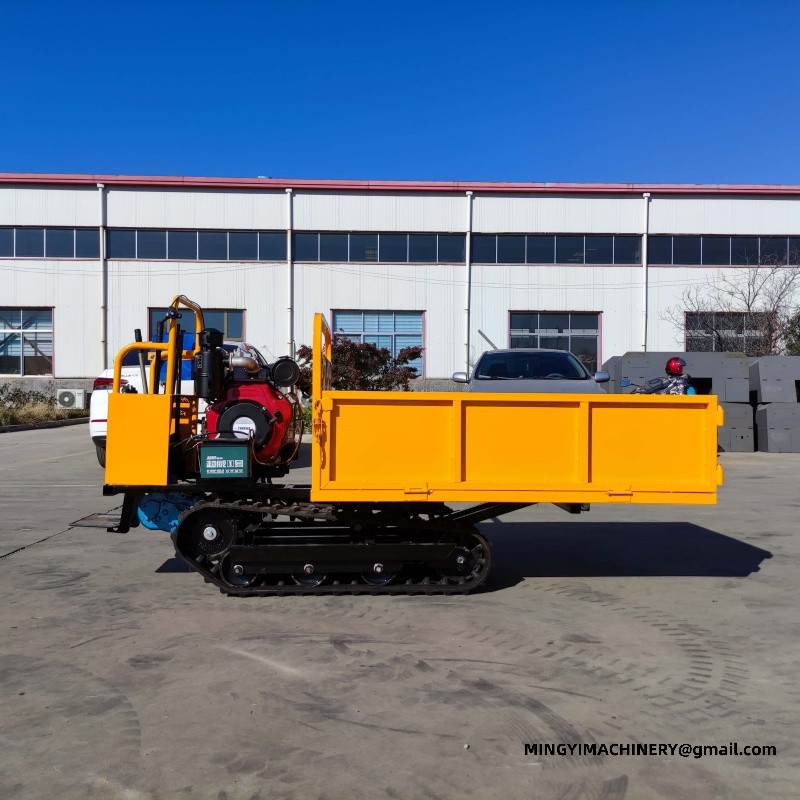
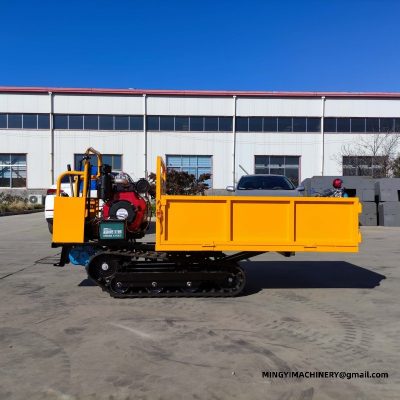
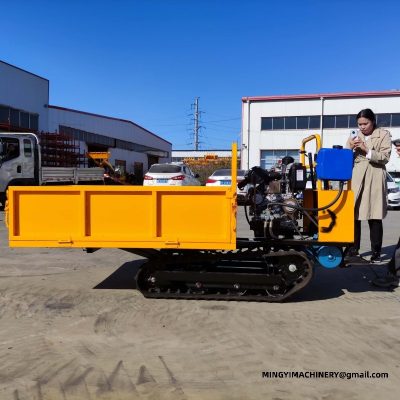
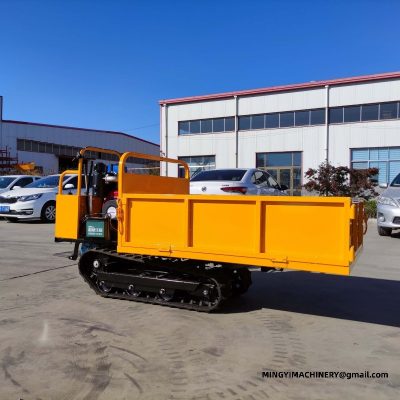
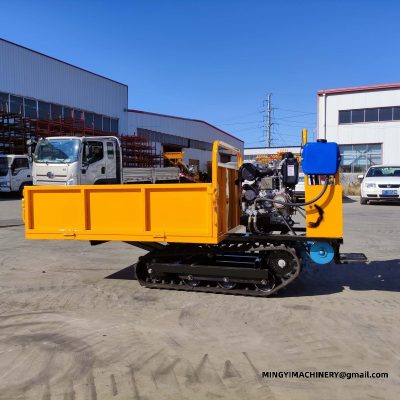
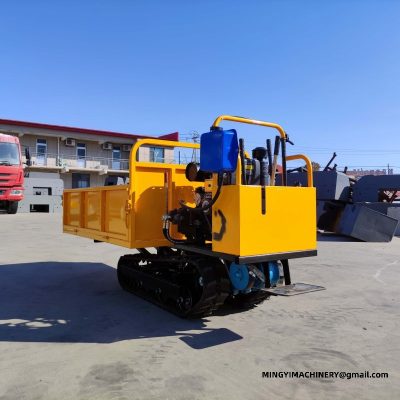
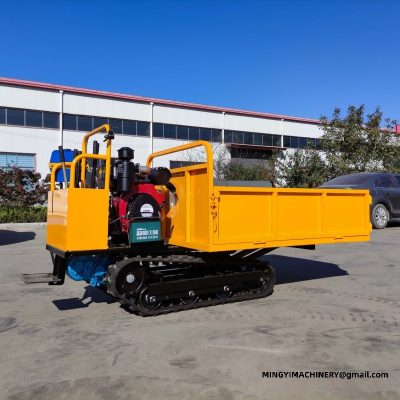
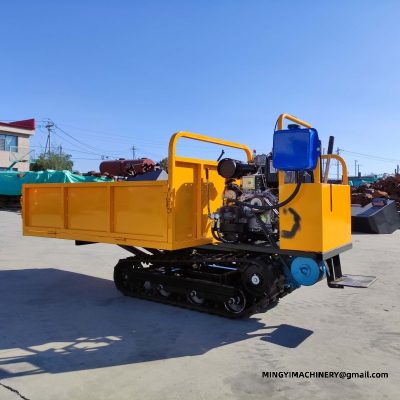
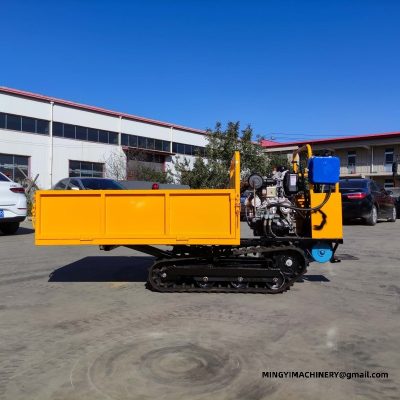
The specification of the carrier is only half the picture. The other half is how it behaves on a working day: how it starts cold, how it copes with dust, how long a service takes and how it travels between sites. Both halves are covered below.
Ground decides more of the outcome than power does. Soft, wet or loose surfaces call for a wider footprint and lower ground pressure, while hard standing allows a narrower machine that turns in less space and travels faster between tasks.
Remote diagnosis shortens most faults. A walk-around on video with the panels open often identifies the cause on this class of machine without waiting for a visit, and avoids shipping a part that turns out not to be needed.
A simple log helps. Recording hours, fuel and any adjustment made to the unit in daily use gives the workshop a history, and that history is what turns an intermittent fault into a one-visit repair instead of three.
Engine size is chosen from the load and the gradient. A machine of this size that works a flat yard needs less than one climbing a loaded track, and specifying from the route keeps fuel use sensible.
Most incidents around machinery come from the space rather than the machine. Exclusion zones, a clear signal person and a check on what is behind the model in question before it moves cover the large majority of the risk on a working site. Slopes and edges deserve a separate check. The equipment on site that is stable on level ground behaves differently across a gradient, and the safe working angle is a number worth knowing rather than estimating. Personal protective equipment and a stop rule are simple controls. Agreeing before work starts that anyone can stop the job is the single measure that most often prevents a serious incident near the machine itself.
Fleet buyers often want consistency rather than variety. Specifying the machine in that duty so that several units share controls, filters and service points reduces training time and keeps the parts shelf small.
Early faults are usually simple. The unit on the job that behaves differently in its first few hours is more often mis-set than defective, and a call to the supplier at that point usually resolves it the same day.
Handover should include the documents as well as the keys. Parts list, service schedule and the operator notes for a machine built for the work are what the workshop needs in month six, and they are much harder to obtain later. A short familiarisation session prevents the early faults. Most first-month problems on the equipment in service come from unfamiliarity with controls, limits or checks rather than from the machine itself. Keeping the manuals where they can be reached matters. The carrier whose documents stay with the machine gets serviced on schedule; one whose paperwork was filed elsewhere tends to run on memory instead.
Duty cycle is the honest measure of a machine. The unit in daily use working a few hours a week has different needs from one working two shifts, and the cooling, filtration and service intervals should follow the hours rather than the calendar. Seasonal work changes the maintenance calendar. Machines that work hard for two months and stand for ten need preparation before storage and a check before returning to work, and both are simpler than the repairs they prevent.
Descending loaded is the harder half. Engine braking and brakes in good order on the equipment on site are what make a loaded descent routine, and the route should be planned before the load is taken on. Side slopes need respect. Turning a loaded the machine itself across a gradient is where stability is lost, and the safe habit is to keep the machine straight up and down the slope.
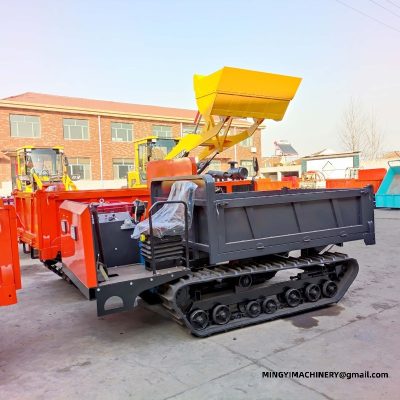
A crane turns a carrier into a loading machine. The machine in that duty fitted with a small hydraulic crane loads itself, which removes a second machine from the job and is often the reason for choosing one. Adding a crane changes the specification. Hydraulic capacity and frame strength on the unit on the job have to suit the attachment, and it is simpler to build them in than to add them afterwards.
Construction and site clearance generate the same need. Moving spoil, block and timber across rough ground is the duty the equipment in service is bought for, and the track undercarriage is what makes it possible. Farm and estate work uses the machine differently again. Feed, muck, aggregate and firewood across fields and tracks is the seasonal mix that the carrier handles without damaging the ground.
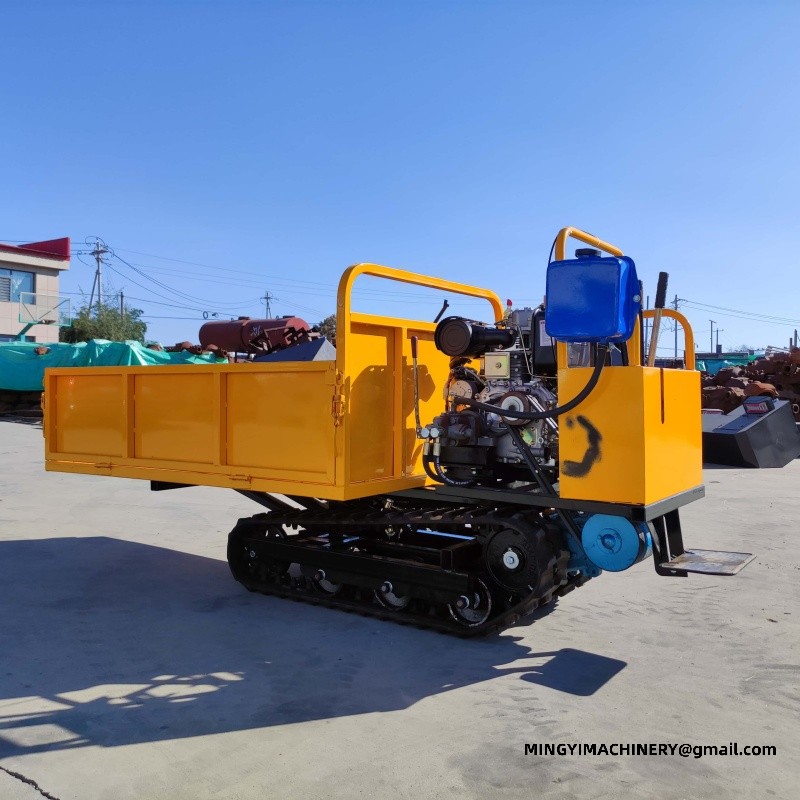
Power unit choice is usually a parts question, not a performance one. Two buyers can order the same a machine of this size and sensibly choose different engines, because the right answer depends on which brand the local workshop already supports. Matching the engine to the duty matters more than the peak rating. The unit in daily use that spends its day at part load benefits from a different setup than one that works at full output, and the difference shows in fuel use over a season.
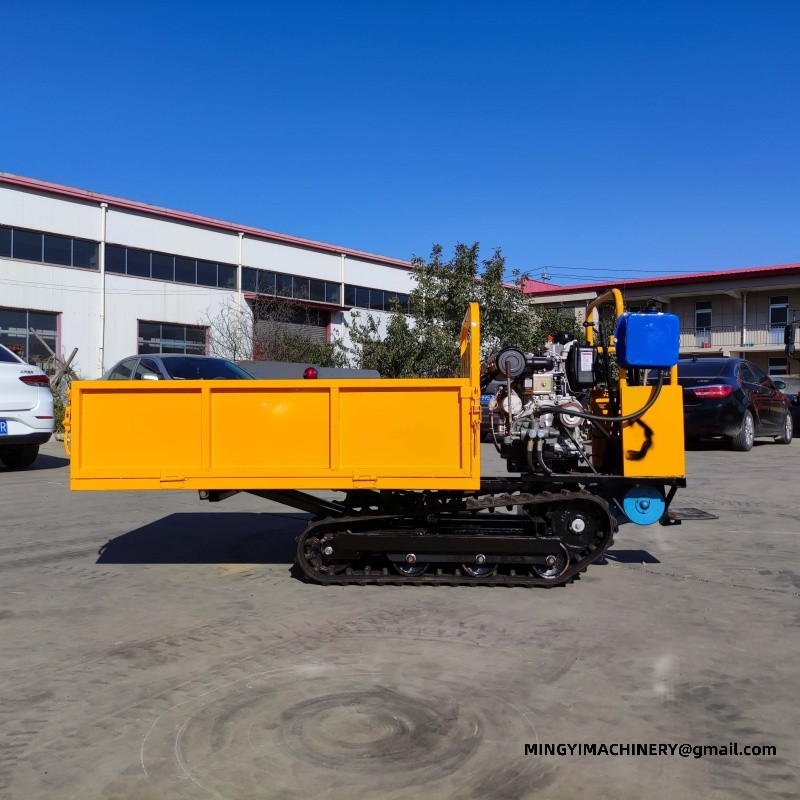
Upgrades should be checked against the base machine. Hydraulic capacity, mounting interface and stability all limit what can reasonably be added to the machine itself, and confirming those limits avoids an unsatisfactory result. The decision is economic as well as technical. Comparing the work of reconfiguring the model in question against a different machine is a short calculation that usually gives a clear answer.
Cleaning is maintenance, not appearance. Washing the cooling surfaces and clearing packed material from the unit on the job keeps temperatures where they should be and makes the next inspection quicker and more useful. Sealed points and guarded areas deserve a look in these conditions. A machine built for the work working in abrasive dust benefits from checked boots, intact guards and clean breathers, all of which are quick to verify.
Cold changes how a machine starts and how it warms up. Allowing the carrier to reach operating temperature before loading it, and using the correct grade of oil and fuel for the season, prevents most cold-start problems. Batteries and fluids are the parts that notice the cold first. This class of machine kept on a maintainer through a freezing spell starts on the first turn, while one left standing is the usual cause of a lost morning. Low temperatures also make materials behave differently. Ground that is frozen hard in the morning can be soft by midday, and planning the sequence around that is easier than fighting it with the unit in daily use.
Before-storage preparation prevents most return-to-work faults. Draining or treating fuel, protecting exposed rods and relieving pressure where the maker specifies it are the items worth an hour when the equipment on site is parked.
Lead time is part of the specification. Confirming build time, shipping method and what is included before ordering the model in question prevents the common gap between when the machine is needed and when it can arrive. The order should state the configuration in writing. Engine, attachments, colour, documents and any market requirement are clearer on the build sheet for the machine in that duty than in a conversation after delivery. Delivery planning includes the receiving end. Knowing whether the unit on the job will be craned, driven or forked off, and whether the site can accept it, is settled before dispatch rather than on the day.
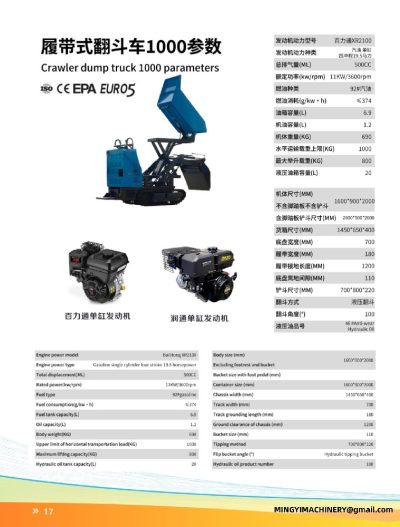
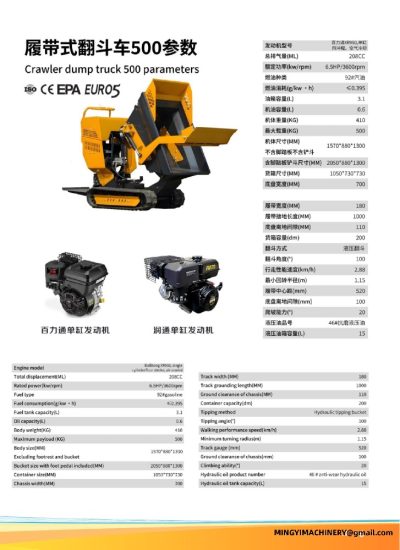
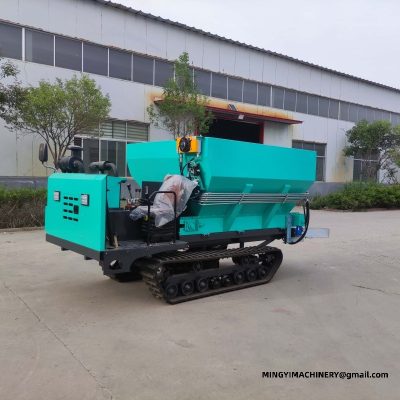
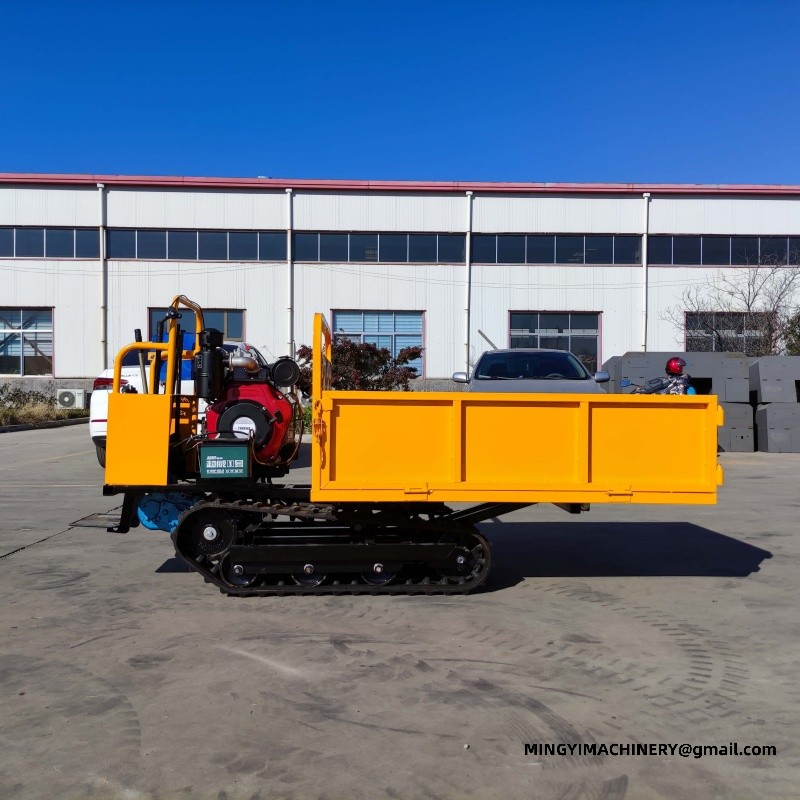
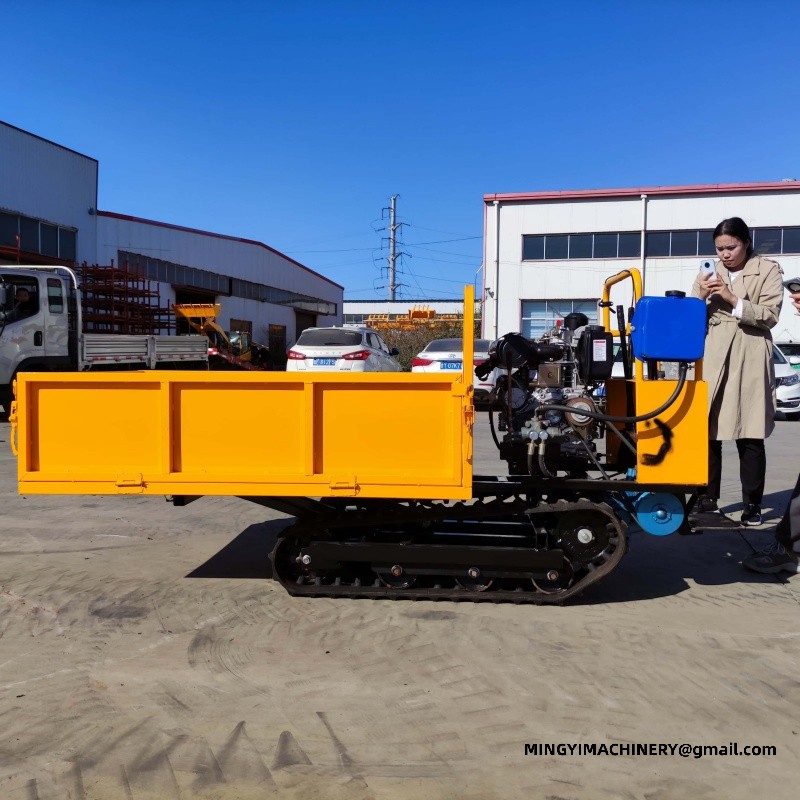
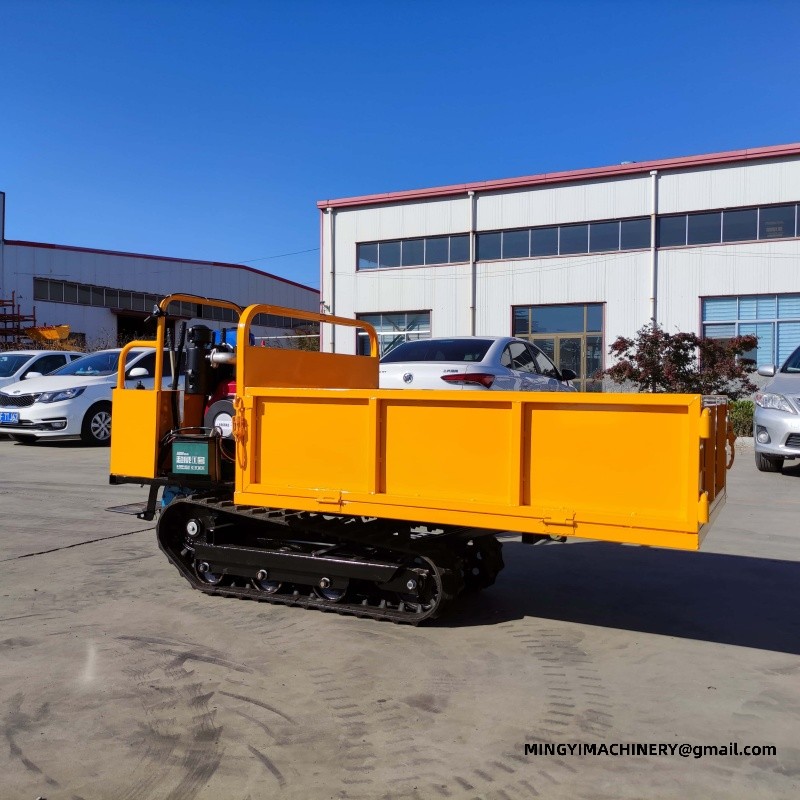
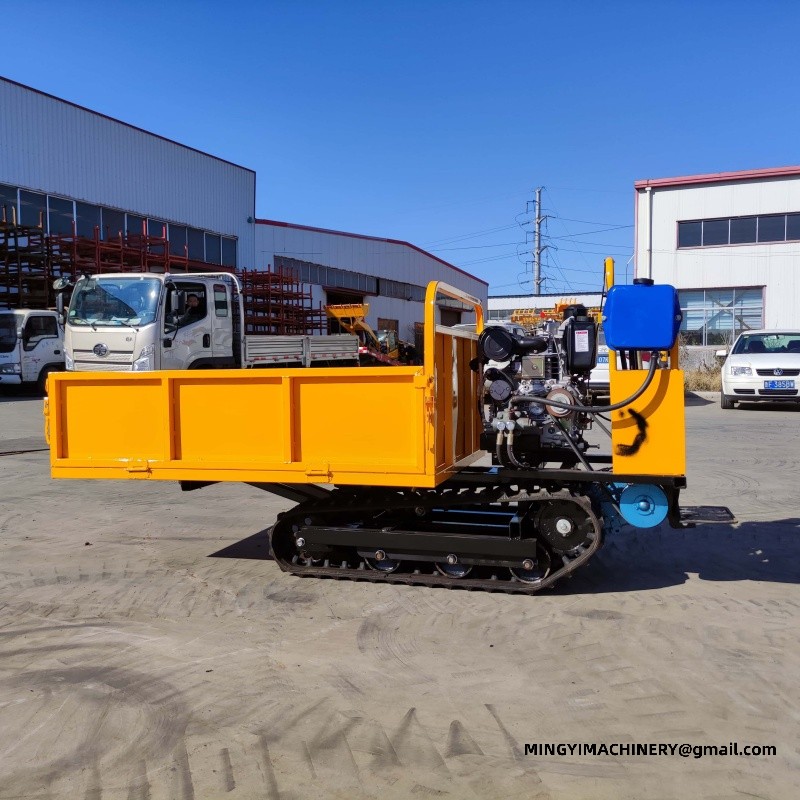
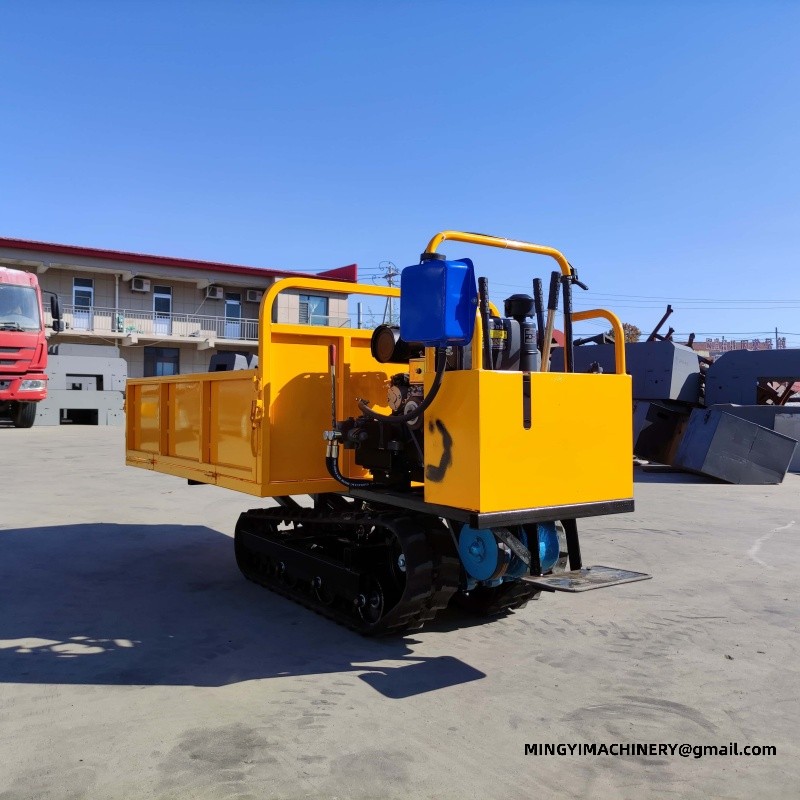
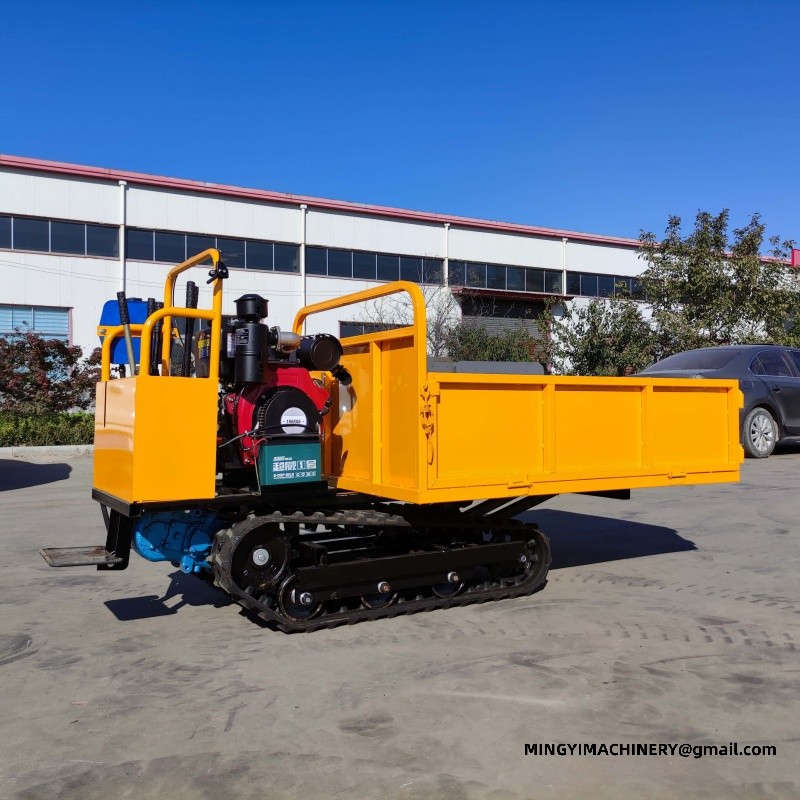
The engines and payloads below are the options offered on this crawler carrier. Output and payload are confirmed together with the route, because the gradient and the ground decide what the machine can carry before the engine rating matters.
| Output | Engine | Rated payload | Rated power |
|---|---|---|---|
| 10 hp | 186 engine 10 hp | 650 kg / 750 kg | — |
| 58 hp | 490 engine 58 hp | 650 kg / 750 kg | — |
| 106.08 hp | 4102 turbo 78 kw*1.36=106.08 hp | 650 kg / 750 kg | 78 k W |
| 12 hp | 192 engine 12 hp | 650 kg / 750 kg | — |
| 25 hp | Engine 25 hp | 650 kg / 750 kg | — |
| 85 hp | 4102 engine 85 hp | 650 kg / 750 kg | — |
| 8 hp | 178 engine 8 hp | 650 kg / 750 kg | — |
| Item | Note |
|---|---|
| Crane option | A 0.5 t or 1 t crane can be fitted for self-loading. |
| Canopy option | Simple canopy, semi enclosed canopy or fully enclosed cab. |
| Track undercarriage | Rubber or steel track undercarriage is selected against the ground. |
Workload is rarely even across the year, and the machine should be specified for the busy weeks. This class of machine sized only for the average month will be the limiting factor exactly when the work is worth the most.
A spares list should follow the duty cycle. A machine of this size working every day in abrasive dust consumes filters and cutting edges far faster than the same machine used once a week, and the shelf should be stocked for the harder case.
The machine is only half of what arrives. The parts book, the service schedule and the declarations that come with the machine itself are what let the owner register, insure and maintain it without a second round of emails.
Inspection is a list, not a glance. Before the machine in that duty is released the fluid levels, belt tension, electrical connections and safety decals are each ticked off, and anything that fails stays in the shop rather than travelling with the machine.
A good handover covers the awkward cases, not just the easy ones. Starting a machine built for the work on a slope, turning in a confined space and recovering from soft ground are the situations an operator should meet first with someone beside them.
Machines rarely fail without warning. A change in sound, a slower function or a new leak on the carrier is the machine saying something early, and listening then takes a fraction of the time that waiting does.
Commissioning is where the specification meets the ground. The settings chosen for the unit in daily use are confirmed against the actual site, and the working pattern is adjusted before the machine is asked for a full day.
The specification for oil is written for a reason. Using the grade and the change interval set for the equipment on site keeps the engine and the hydraulic system inside the range they were designed for.
Every line above comes from the build sheet for the machine itself, and the final configuration is confirmed against the working conditions and the destination before production.
E-mail:sales@mingycn.com
LINE(ID):mingyicn