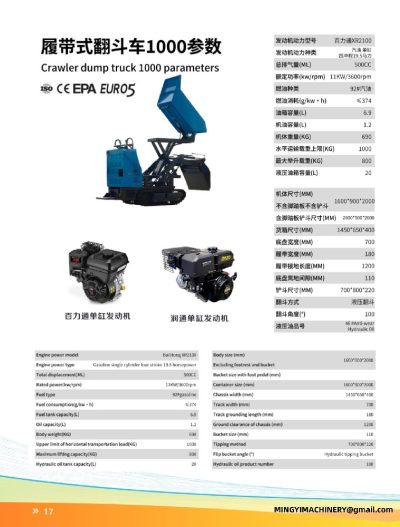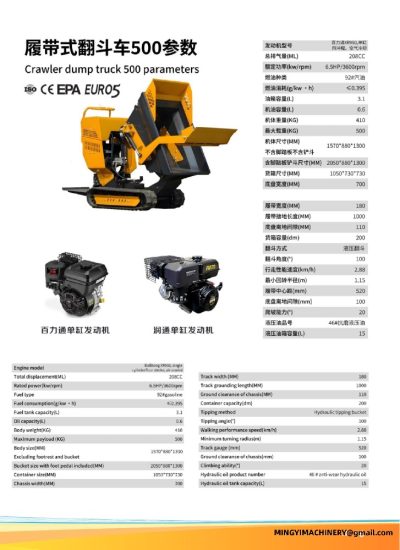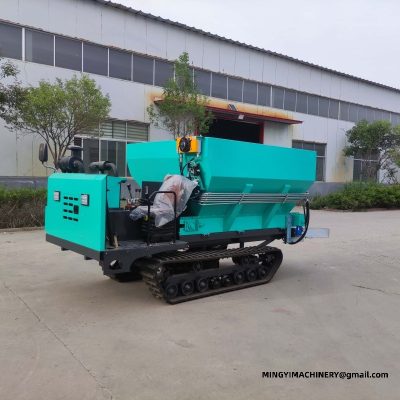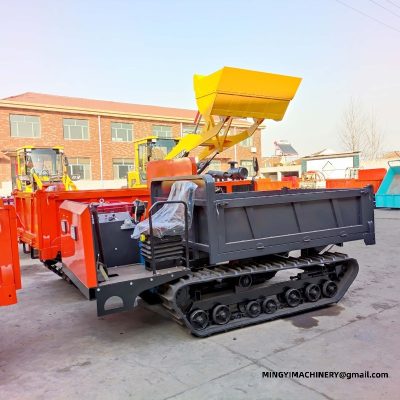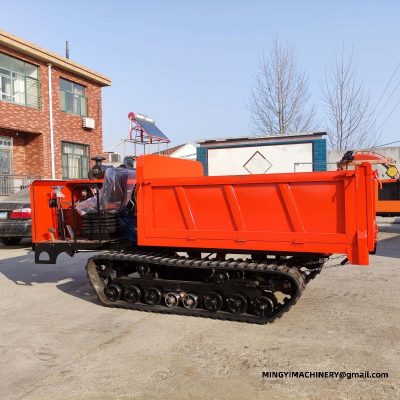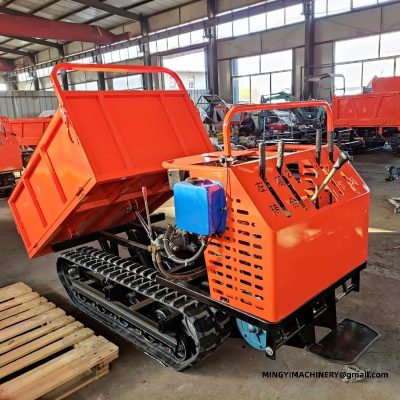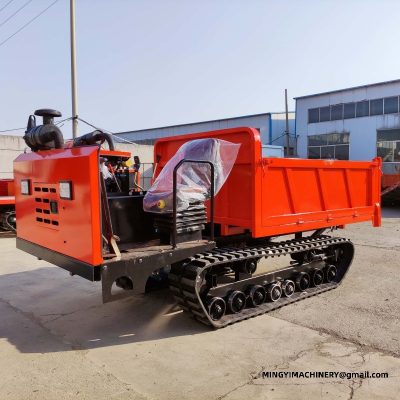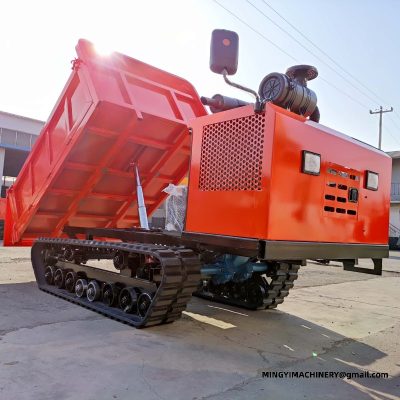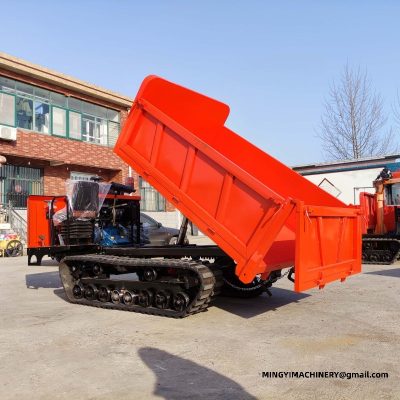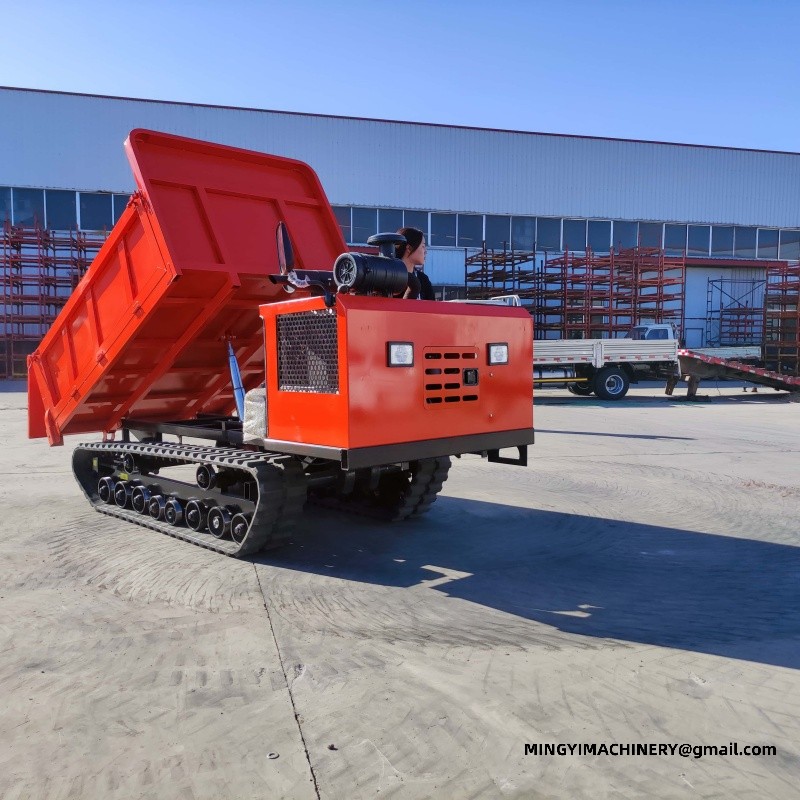
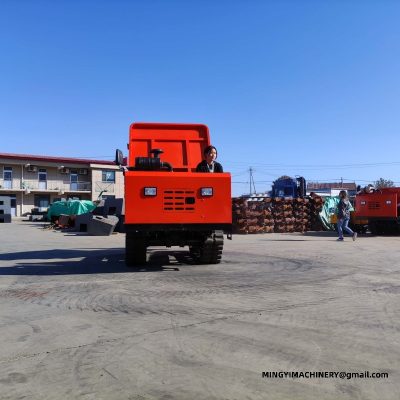
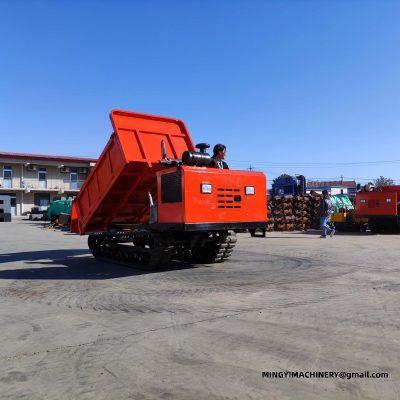
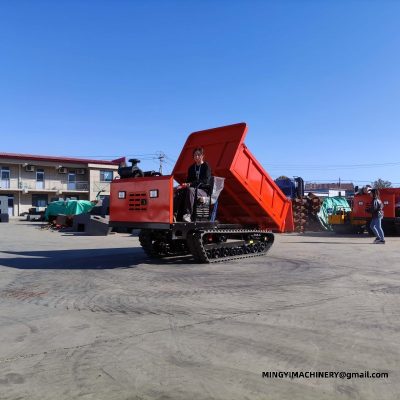
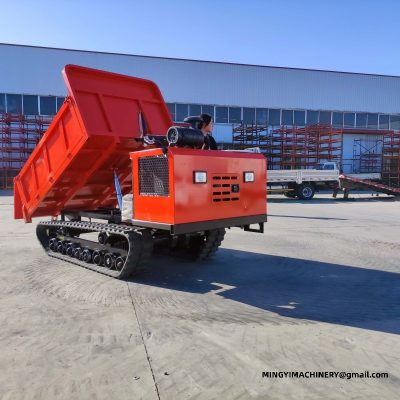
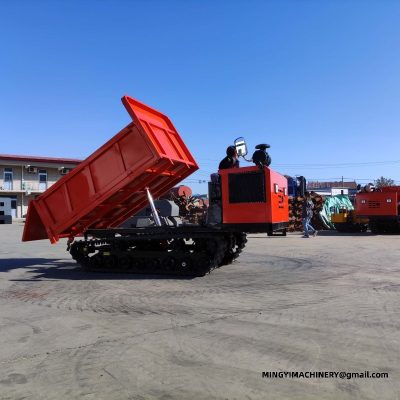
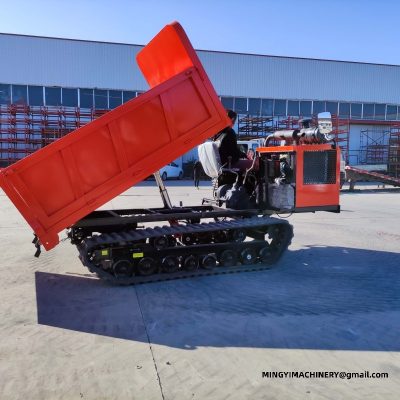
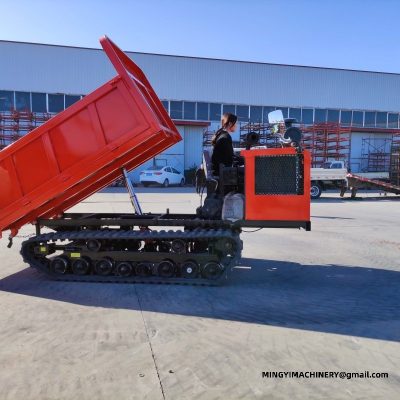
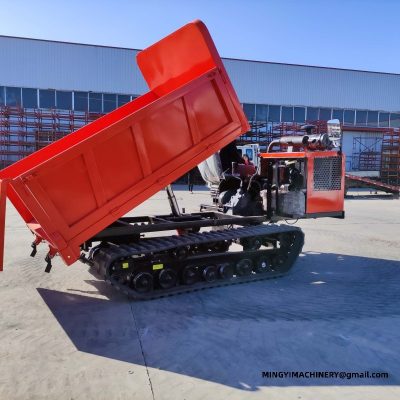
Several forms of the carrier appear in this range, and the right one depends on the ground more than on the brochure. Below, the practical differences are set out alongside the figures so the two can be read together.
Most owners find that the second attachment changes how often the machine is used. This class of machine that was bought for one task often becomes the general machine on site once a second tool is available.
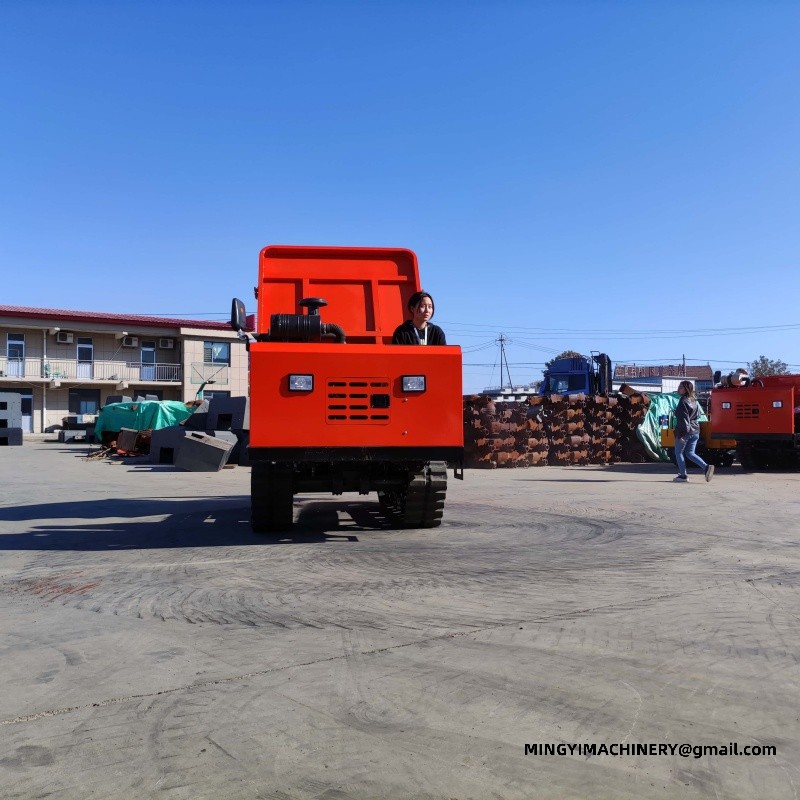
Payload is the number that matters on a short haul. Specifying the unit in daily use against the material and the number of trips per day gives a realistic figure, because a body that looks half full can already be at its limit with stone.
Commissioning is the point where most avoidable issues are found. Checking levels, fasteners and function on a machine of this size before it goes to work takes an hour and prevents a claim conversation later.
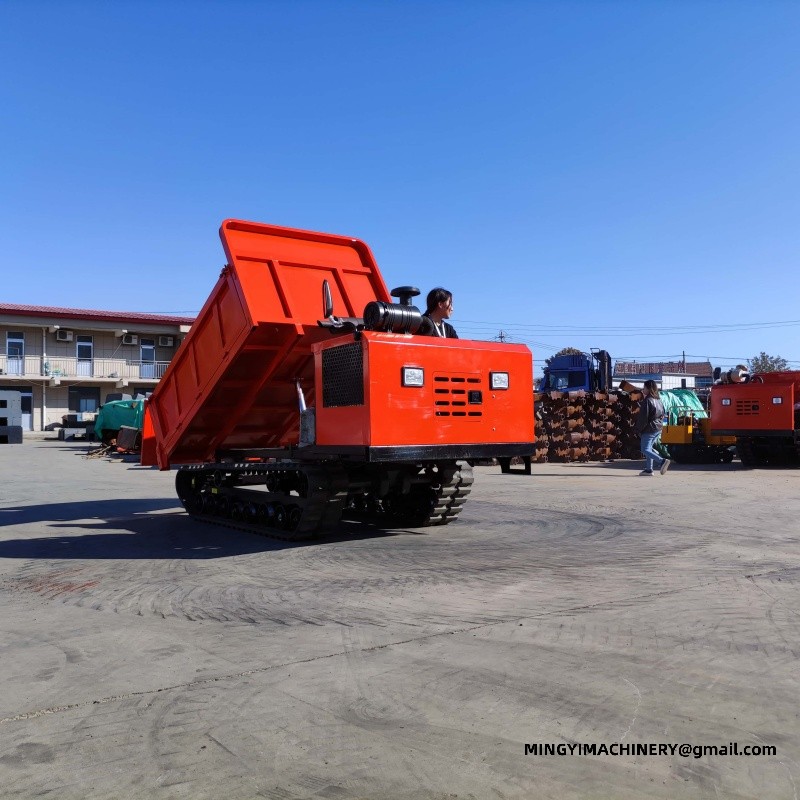
Consumption is best measured over a full week rather than judged per hour. Idle time, repositioning and waiting for other trades are often the largest share of the fuel the equipment on site burns on a site. Planning the work to reduce empty movement is free. Fewer repositioning cycles on the machine itself means less fuel, less wear on the undercarriage or tyres and more of the shift spent on productive work.
Certain parts are designed to be consumed. Knowing which items on the model in question are wearing parts, and roughly how long they last in the duty the machine sees, turns replacement into a plan rather than a breakdown.
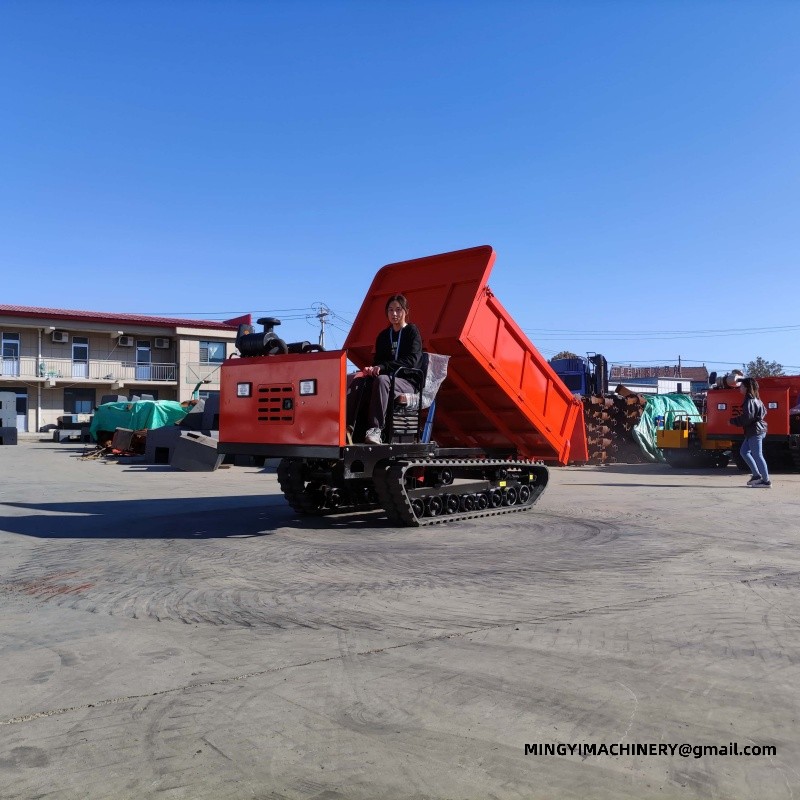
Upgrades should be checked against the base machine. Hydraulic capacity, mounting interface and stability all limit what can reasonably be added to the machine in that duty, and confirming those limits avoids an unsatisfactory result.
Slopes and edges deserve a separate check. The unit on the job that is stable on level ground behaves differently across a gradient, and the safe working angle is a number worth knowing rather than estimating.
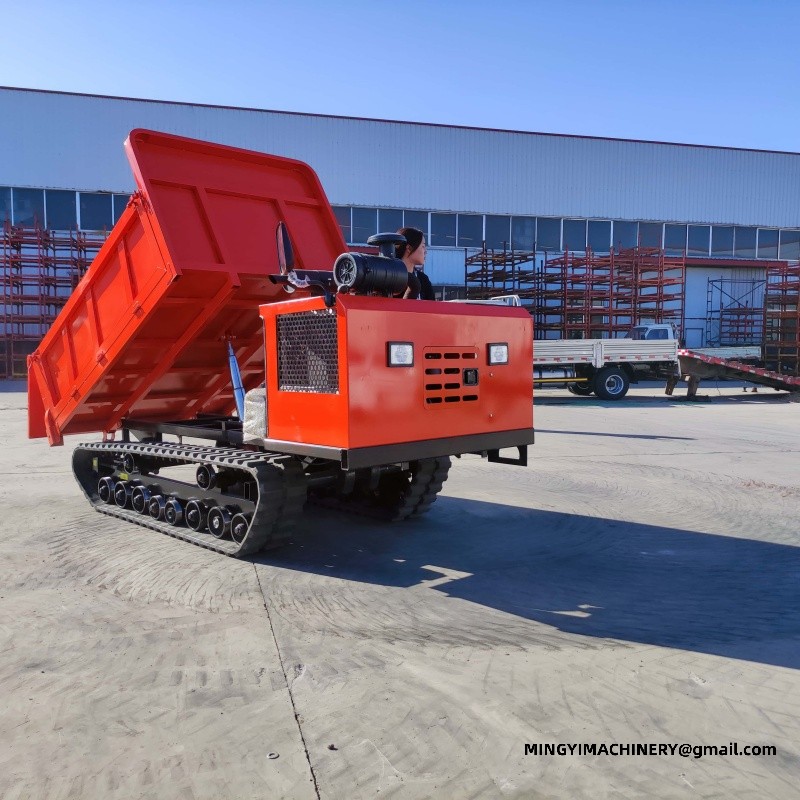
The undercarriage is the reason to choose tracks. A machine built for the work on tracks spreads its weight and keeps moving on ground where a wheeled carrier would rut and stop, and that is the whole case for the machine.
Duty cycle is the honest measure of a machine. The carrier working a few hours a week has different needs from one working two shifts, and the cooling, filtration and service intervals should follow the hours rather than the calendar. Hour planning helps at resale as well. This class of machine with a recorded service history and a sensible hour count is easier to sell than one with the same hours and no records, whatever its condition.
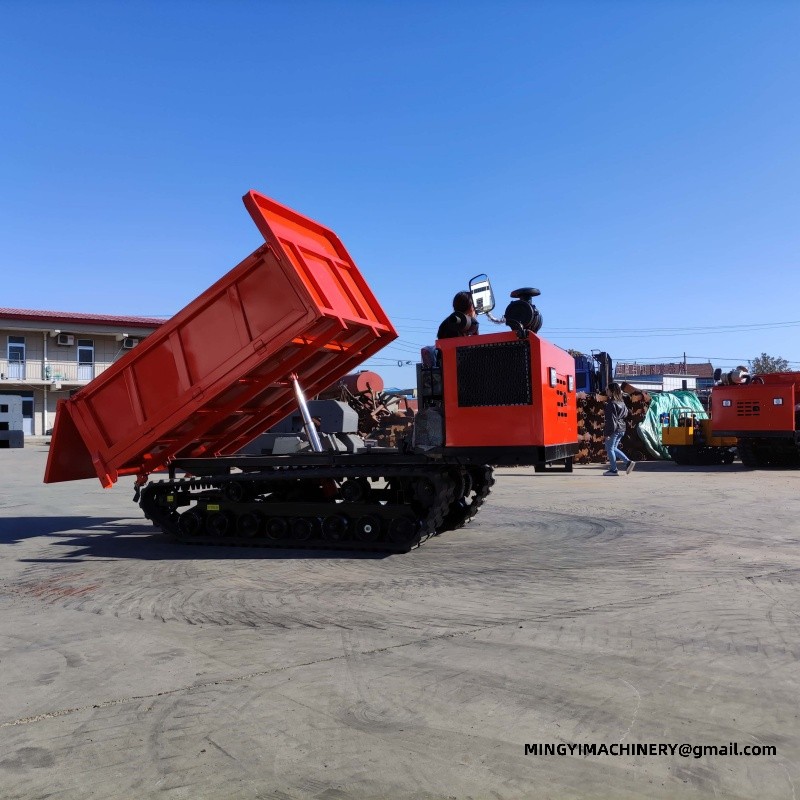
Machine output varies more between operators than between brands. Smooth, planned movements put less load on the structure and use less fuel, and that difference is visible on the hour meter and in the service bills for the unit in daily use. Familiarisation should cover the limits as well as the controls. Knowing where a machine of this size loses stability, how it behaves at full reach, and what the warning lights mean prevents the incidents that are put down to bad luck.
Container loading is a planning exercise. Confirming how the machine itself is packed and how many units fit a container is what turns a per-unit freight estimate into a delivered figure the buyer can actually plan against.
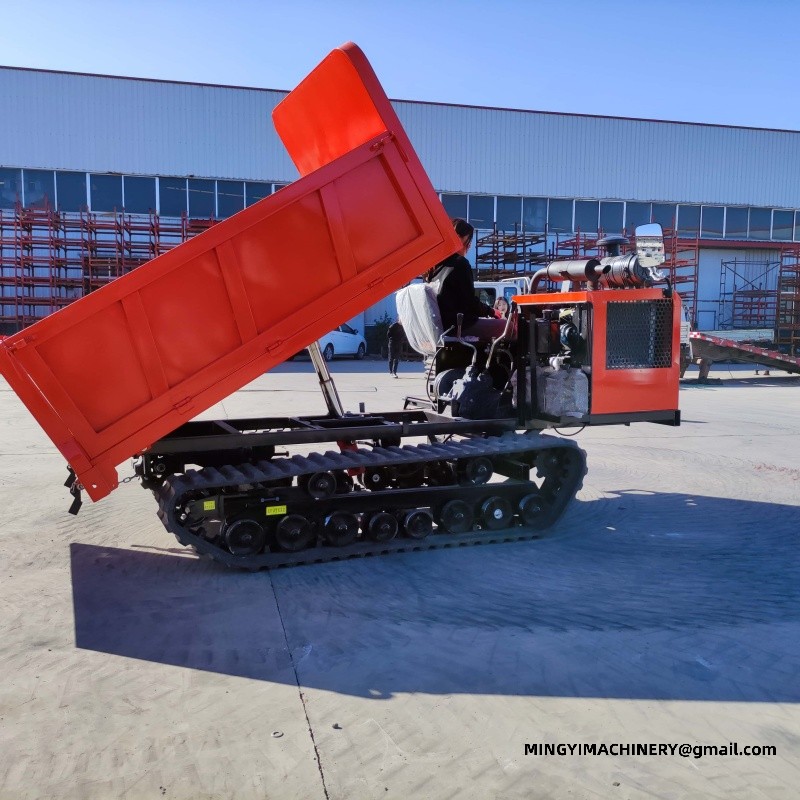
Abrasive conditions shorten service intervals. Air filters, seals and any exposed sliding surface on the machine in that duty need attention more often in dusty or muddy work, and the extra checks prevent far more wear than the time they take. Cleaning is maintenance, not appearance. Washing the cooling surfaces and clearing packed material from the unit on the job keeps temperatures where they should be and makes the next inspection quicker and more useful. Sealed points and guarded areas deserve a look in these conditions. A machine built for the work working in abrasive dust benefits from checked boots, intact guards and clean breathers, all of which are quick to verify.
Gradient is where a crawler carrier earns its place. The carrier with a low range climbs loaded where a wheeled machine would need a second run, and that decides whether a track is usable at all. Side slopes need respect. Turning a loaded this class of machine across a gradient is where stability is lost, and the safe habit is to keep the machine straight up and down the slope.
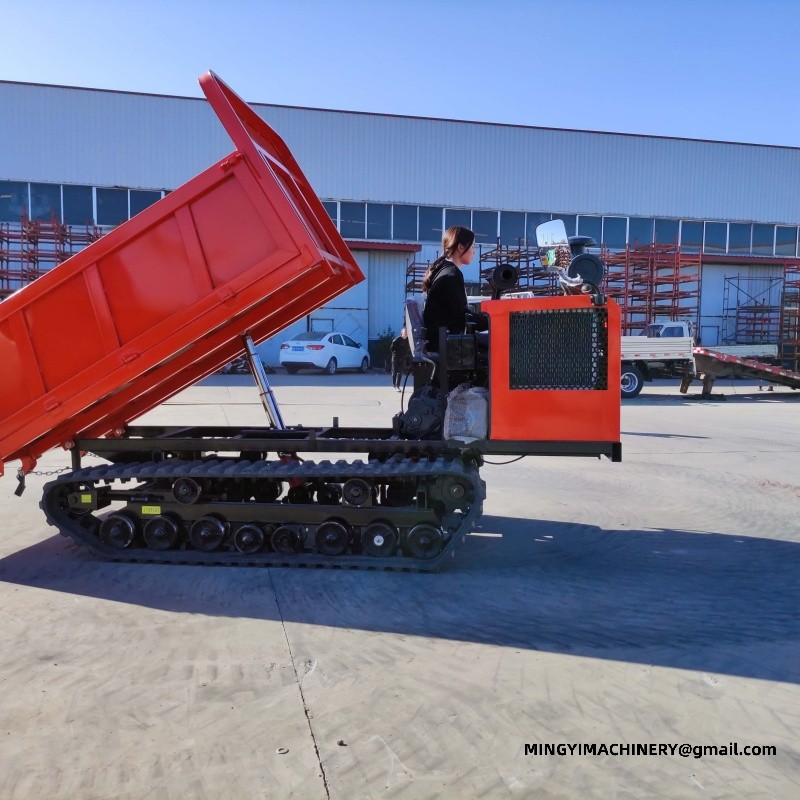
Machine productivity depends on what happens around it. Deliveries, other trades and the sequence of work decide how much of the shift a machine of this size spends actually working rather than waiting. Access and storage are worth settling early. Where the equipment on site will be parked, refuelled and serviced on site affects the working day more than most specification details, and it takes nothing to plan. Sequencing avoids rework. Doing the work in the order that suits the ground and the following trades keeps the machine itself productive and prevents finishing a task that then has to be opened up again.
Fleet value comes from interchangeability. Operators who can step between machines without retraining, and a workshop that stocks one set of filters, keep utilisation higher than a fleet of individually optimised units. Utilisation matters more than the purchase decision over a few years. The machine in that duty that sits idle ties up the same yard space standing still as one that earns, so the buying decision should follow the hours the machine will realistically work.
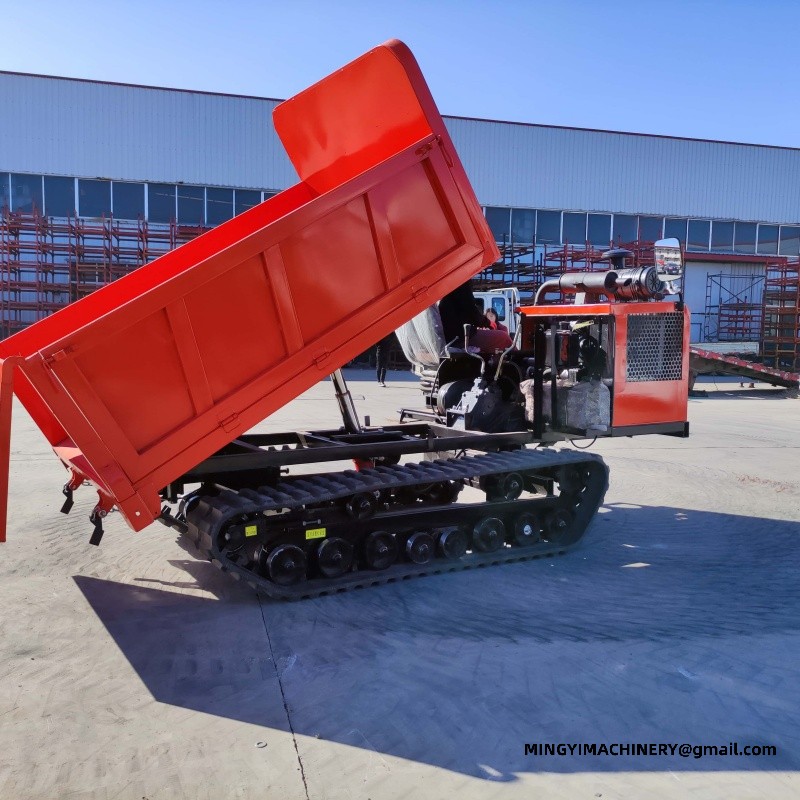
Engine size is chosen from the load and the gradient. A machine built for the work that works a flat yard needs less than one climbing a loaded track, and specifying from the route keeps fuel use sensible. Smaller engines suit light duty and tight plans. Where the work is short hauls on reasonable ground, the equipment in service with a modest output does the same trips for less fuel and less weight. Larger engines suit continuous loaded work. Specifying more output on the carrier is justified when the gradient or the payload is fixed and the alternative is a slower cycle.
Emissions documentation is part of engine selection for some destinations. Confirming which units can be supplied and documented for the destination country is worth doing at enquiry stage rather than after the build sheet is signed.
Handover should include the documents as well as the keys. Parts list, service schedule and the operator notes for a machine of this size are what the workshop needs in month six, and they are much harder to obtain later.
Orchard and vineyard work is a natural fit. Narrow rows, soft ground and short hauls suit the machine itself better than a truck, and the machine works where there is no room to turn anything larger. Farm and estate work uses the machine differently again. Feed, muck, aggregate and firewood across fields and tracks is the seasonal mix that the model in question handles without damaging the ground.
The engines and payloads below are the options offered on this crawler carrier. Output and payload are confirmed together with the route, because the gradient and the ground decide what the machine can carry before the engine rating matters.
| Output | Engine | Rated payload | Rated power |
|---|---|---|---|
| 10 hp | 186 engine 10 hp | 650 kg / 750 kg | — |
| 8 hp | 178 engine 8 hp | 650 kg / 750 kg | — |
| 12 hp | 192 engine 12 hp | 650 kg / 750 kg | — |
| 25 hp | Engine 25 hp | 650 kg / 750 kg | — |
| 85 hp | 4102 engine 85 hp | 650 kg / 750 kg | — |
| 106.08 hp | 4102 turbo 78 kw*1.36=106.08 hp | 650 kg / 750 kg | 78 k W |
| 58 hp | 490 engine 58 hp | 650 kg / 750 kg | — |
| Item | Note |
|---|---|
| Crane option | A 0.5 t or 1 t crane can be fitted for self-loading. |
| Canopy option | Simple canopy, semi enclosed canopy or fully enclosed cab. |
| Track undercarriage | Rubber or steel track undercarriage is selected against the ground. |
Fluid quality is a storage problem before it is a machine problem. Water and sediment in a drum will find the injection system of the equipment in service eventually, and a settling period is nothing compared with a pump.
Travel time is not working time, and it should be planned as its own item. The hours spent moving this class of machine between jobs are hours not worked, and a trailer that matches the machine reduces them every single trip.
The machine is only half of what arrives. The parts book, the service schedule and the declarations that come with a machine of this size are what let the owner register, insure and maintain it without a second round of emails.
Operators notice things first because they hear the machine every day. Encouraging the person on the machine itself to report small changes, and acting on them, is the most effective maintenance programme there is.
Retrofitting is limited by the base machine. Before anything is added to the machine in that duty the hydraulic flow, the mounting interface and the stability allowance have to be checked, because those limits are what decide what is sensible.
Dust is the enemy of every rotating joint. Keeping the radiator and the air intake of a machine built for the work clean, and cleaning them before they are blocked rather than after, is what separates a machine that lasts from one that overheats.
Every line above comes from the build sheet for the equipment in service, and the final configuration is confirmed against the working conditions and the destination before production.
E-mail:sales@mingycn.com
LINE(ID):mingyicn