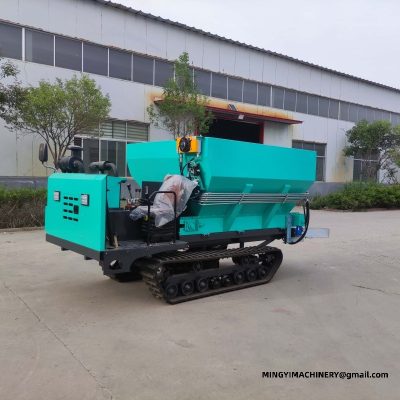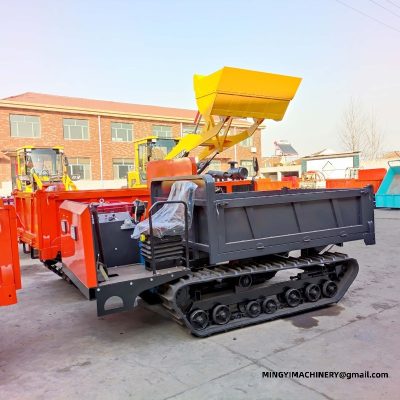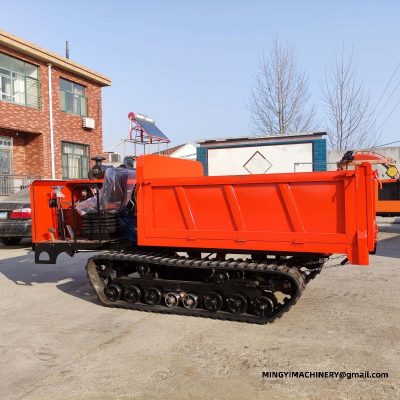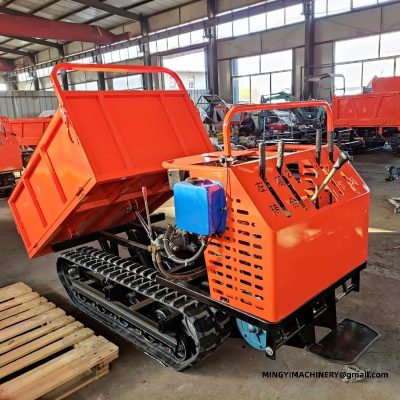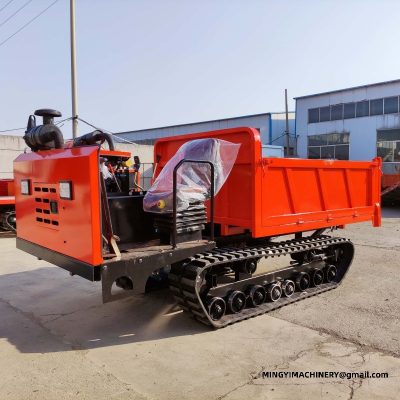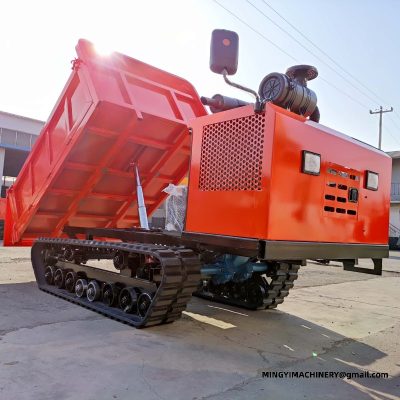
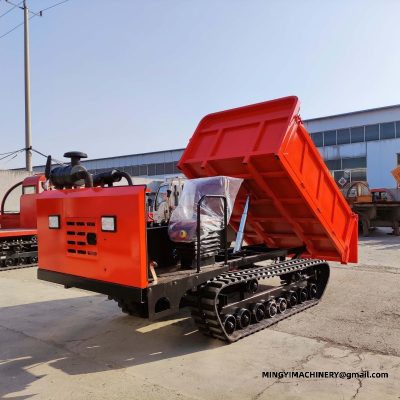
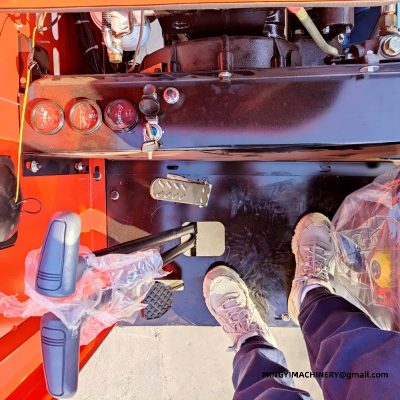
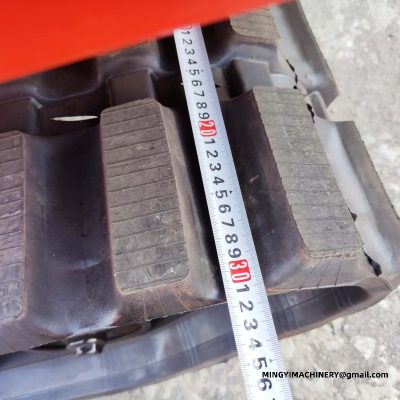
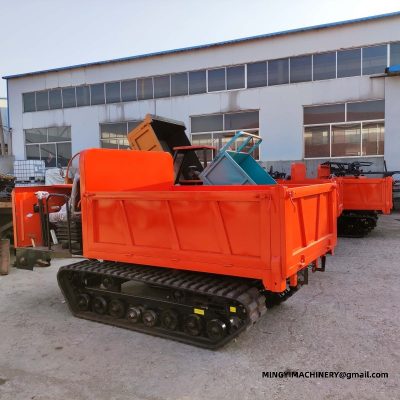
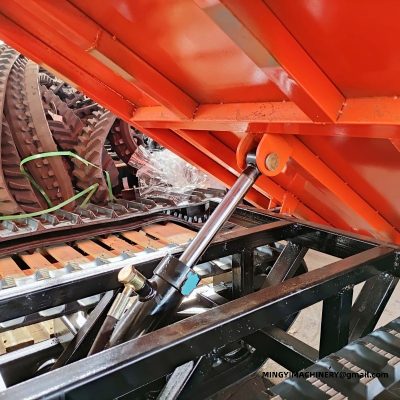
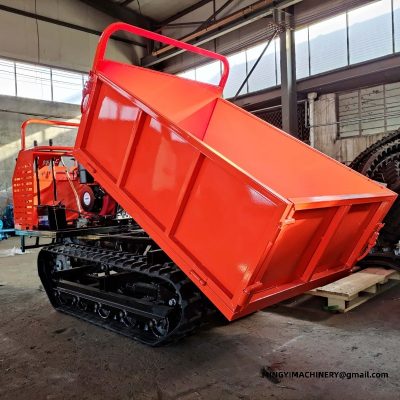
Every the carrier leaves the shop configured for a particular buyer. This page explains the choices that configuration involves, covering frame, power, running gear, cab and attachments, and what each one means once the machine is on site.
Handover should include the documents as well as the keys. Parts list, service schedule and the operator notes for this class of machine are what the workshop needs in month six, and they are much harder to obtain later.
Consumption is best measured over a full week rather than judged per hour. Idle time, repositioning and waiting for other trades are often the largest share of the fuel the unit in daily use burns on a site. Planning the work to reduce empty movement is free. Fewer repositioning cycles on a machine of this size means less fuel, less wear on the undercarriage or tyres and more of the shift spent on productive work.
Emissions documentation is part of engine selection for some destinations. Confirming which units can be supplied and documented for the destination country is worth doing at enquiry stage rather than after the build sheet is signed.
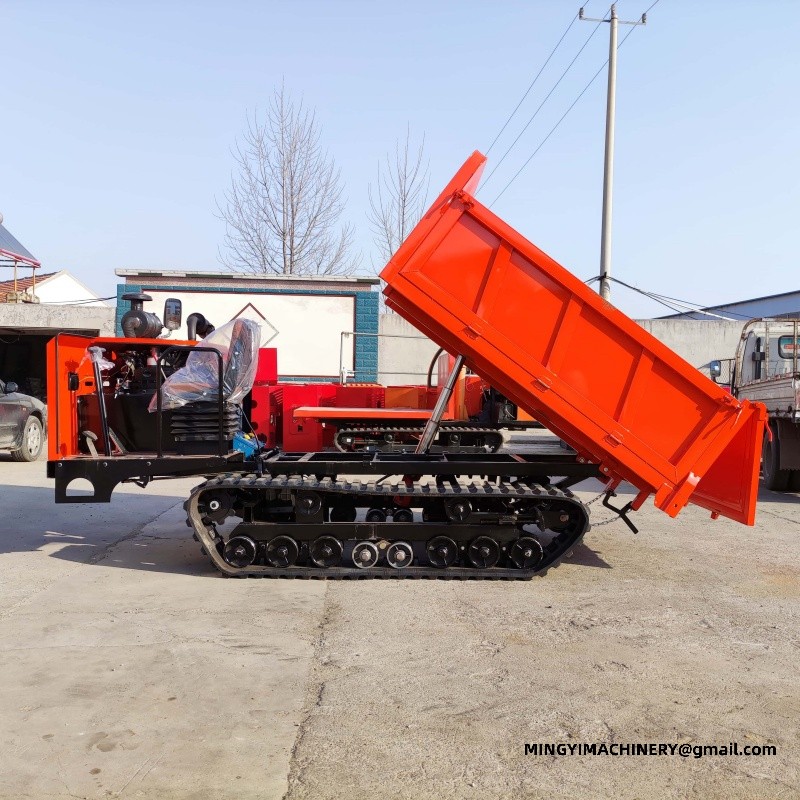
Gradient is where a crawler carrier earns its place. The equipment on site with a low range climbs loaded where a wheeled machine would need a second run, and that decides whether a track is usable at all. Side slopes need respect. Turning a loaded the machine itself across a gradient is where stability is lost, and the safe habit is to keep the machine straight up and down the slope.
Machine output varies more between operators than between brands. Smooth, planned movements put less load on the structure and use less fuel, and that difference is visible on the hour meter and in the service bills for the model in question. Familiarisation should cover the limits as well as the controls. Knowing where the machine in that duty loses stability, how it behaves at full reach, and what the warning lights mean prevents the incidents that are put down to bad luck.
Shipping dimensions matter as much on export orders as they do locally. Confirming the packed size of the unit on the job before booking avoids re-booking freight after the machine is built.
Upgrades should be checked against the base machine. Hydraulic capacity, mounting interface and stability all limit what can reasonably be added to a machine built for the work, and confirming those limits avoids an unsatisfactory result.
Service intervals exist because wear is predictable. Following the maker schedule on the equipment in service takes far less time than repairing the damage that follows a missed oil change or a filter left in place past its life. A simple log helps. Recording hours, fuel and any adjustment made to the carrier gives the workshop a history, and that history is what turns an intermittent fault into a one-visit repair instead of three.
Ballast and attachment weight change the machine. Adding a heavy tool to the unit in daily use moves the centre of gravity, and the counterweight or configuration should be matched to the tool rather than assumed.
Planning helps more than extra lamps. Positioning the equipment on site so that the work is lit from the machine side, and keeping the route clear, does more for safety than adding light to a badly planned task.
Ground decides more of the outcome than power does. Soft, wet or loose surfaces call for a wider footprint and lower ground pressure, while hard standing allows a narrower machine that turns in less space and travels faster between tasks. The working surface should be surveyed before the machine in that duty is specified. A machine that is stable on compacted gravel can be unusable on the same site after rain, and the difference shows up as lost days rather than as a fault. Traction and flotation are two separate questions. The model in question may have the power for a slope and still not have the grip, so the surface, not the engine rating, is usually what limits the working day.
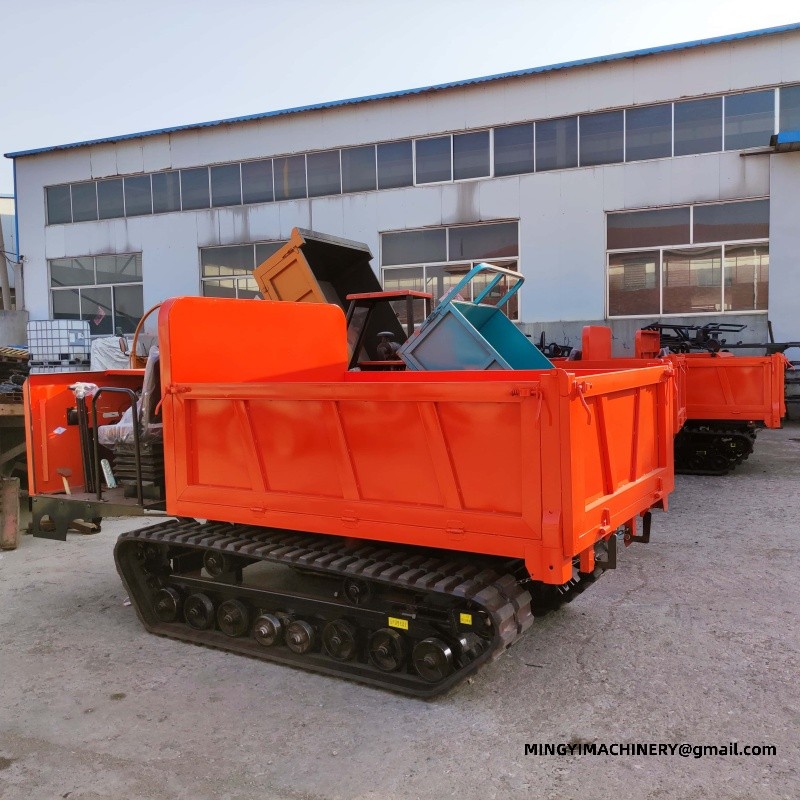
Container loading is a planning exercise. Confirming how a machine built for the work is packed and how many units fit a container is what turns a per-unit freight estimate into a delivered figure the buyer can actually plan against.
The order should state the configuration in writing. Engine, attachments, colour, documents and any market requirement are clearer on the build sheet for the carrier than in a conversation after delivery. Delivery planning includes the receiving end. Knowing whether this class of machine will be craned, driven or forked off, and whether the site can accept it, is settled before dispatch rather than on the day.
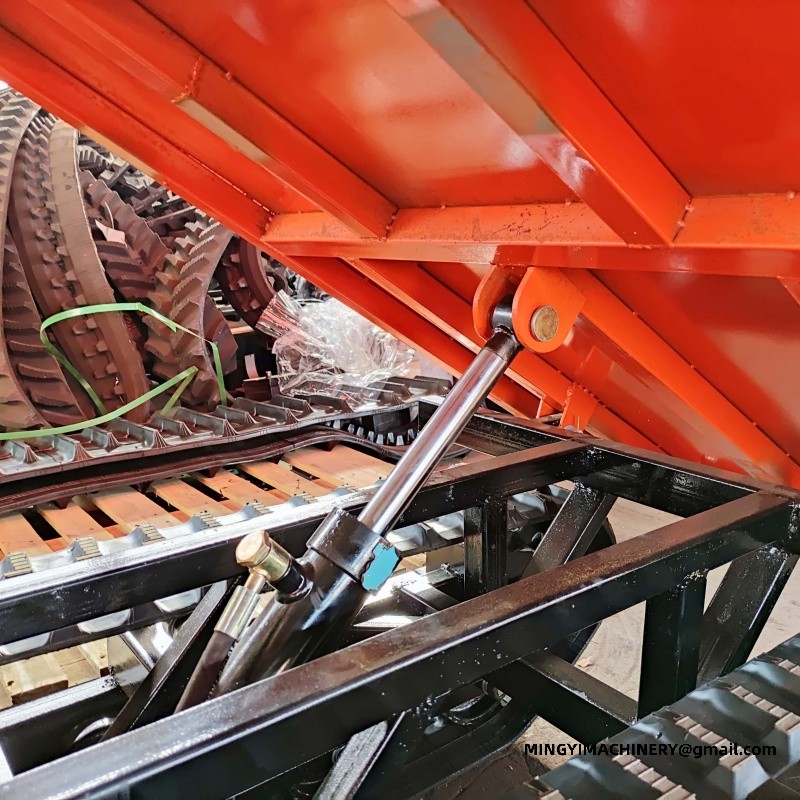
Support after delivery is a parts question. Filters, belts, hoses and the wearing items specific to a machine of this size are what a buyer should plan to hold before the first service interval rather than order after a failure. Parts availability usually decides the engine and the brand. A machine built around components the local network already carries is serviced from stock, which is the difference between a day lost and a week lost. Remote diagnosis shortens most faults. A walk-around on video with the panels open often identifies the cause on the equipment on site without waiting for a visit, and avoids shipping a part that turns out not to be needed.
Build options are where a standard machine becomes the right machine. Colour, guarding, lighting, seating and hydraulic provisions can usually be set at build time on the model in question, and are far simpler then than as a retrofit. Customisation should still be limited to what the work needs. Each addition to the machine in that duty is another item to maintain, so the useful question is not what can be added but what the job list actually requires.
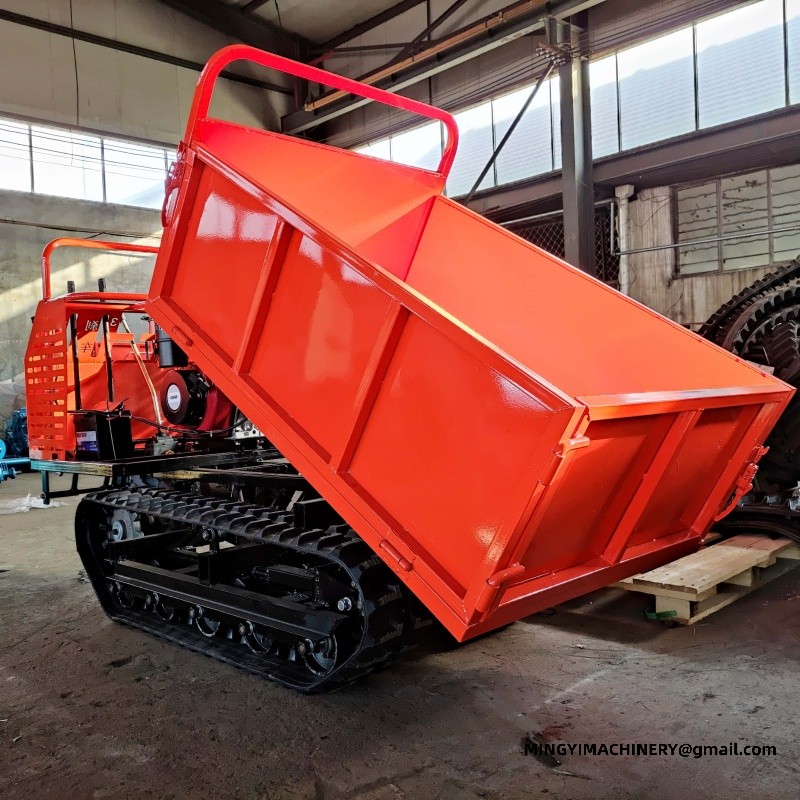
Machine productivity depends on what happens around it. Deliveries, other trades and the sequence of work decide how much of the shift a machine built for the work spends actually working rather than waiting. Access and storage are worth settling early. Where the equipment in service will be parked, refuelled and serviced on site affects the working day more than most specification details, and it takes nothing to plan. Sequencing avoids rework. Doing the work in the order that suits the ground and the following trades keeps the carrier productive and prevents finishing a task that then has to be opened up again.
Orchard and vineyard work is a natural fit. Narrow rows, soft ground and short hauls suit the unit in daily use better than a truck, and the machine works where there is no room to turn anything larger. Farm and estate work uses the machine differently again. Feed, muck, aggregate and firewood across fields and tracks is the seasonal mix that a machine of this size handles without damaging the ground.
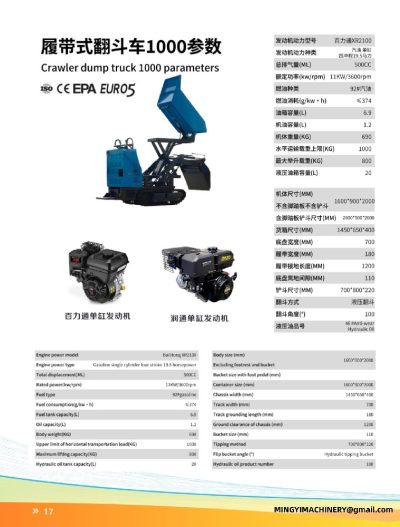
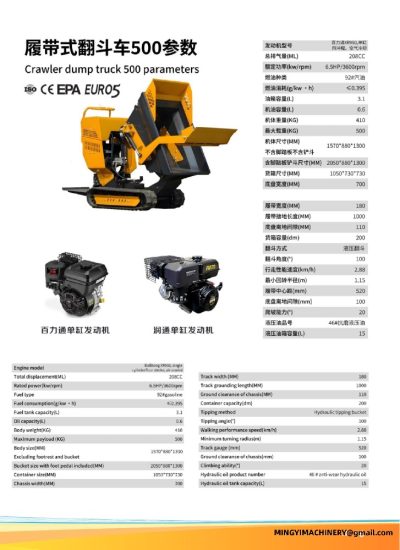
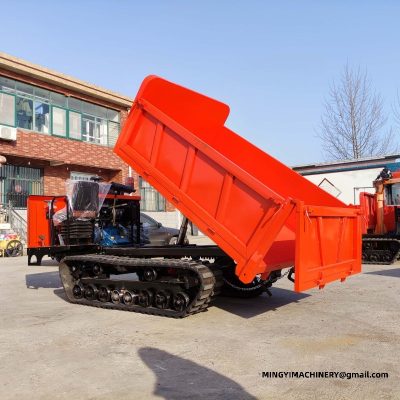
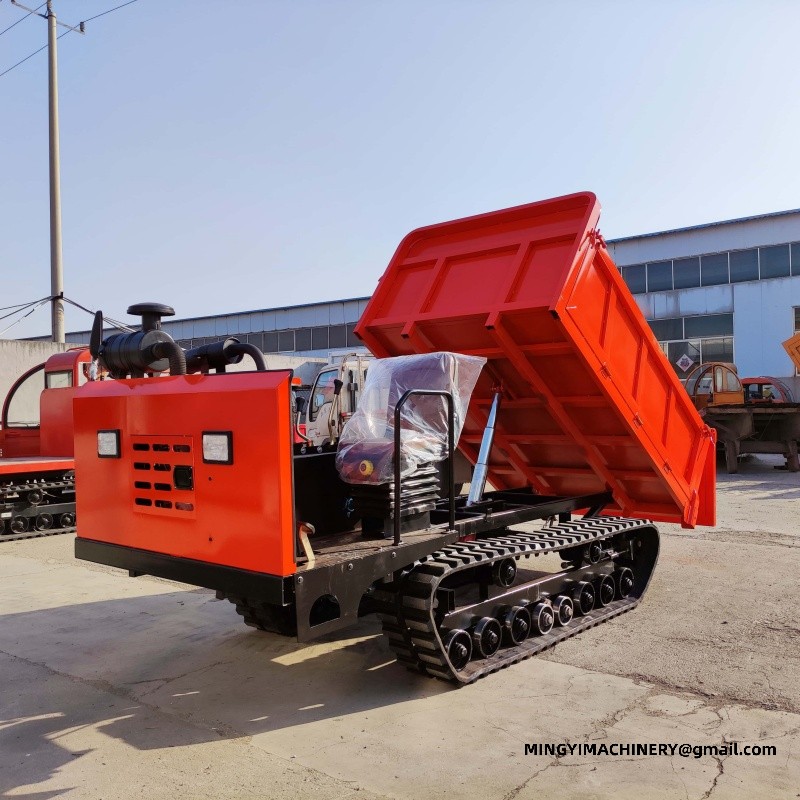
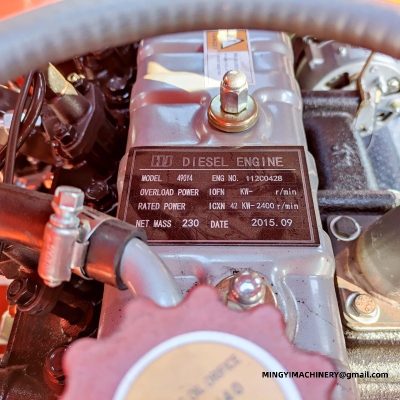
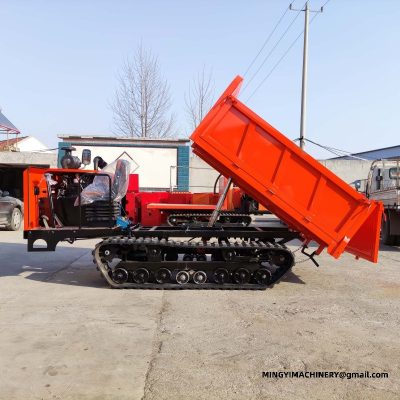
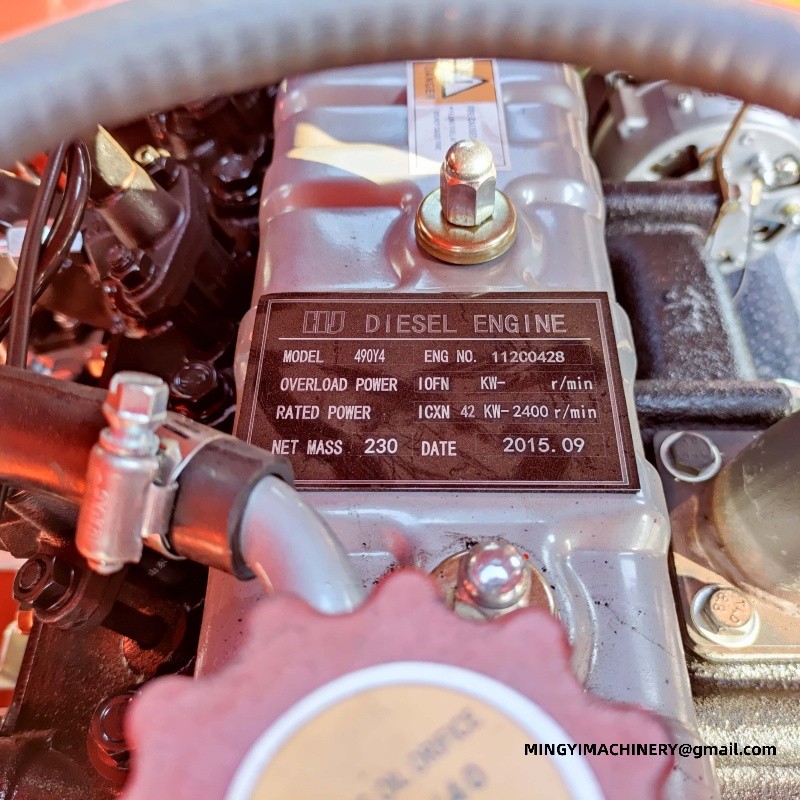
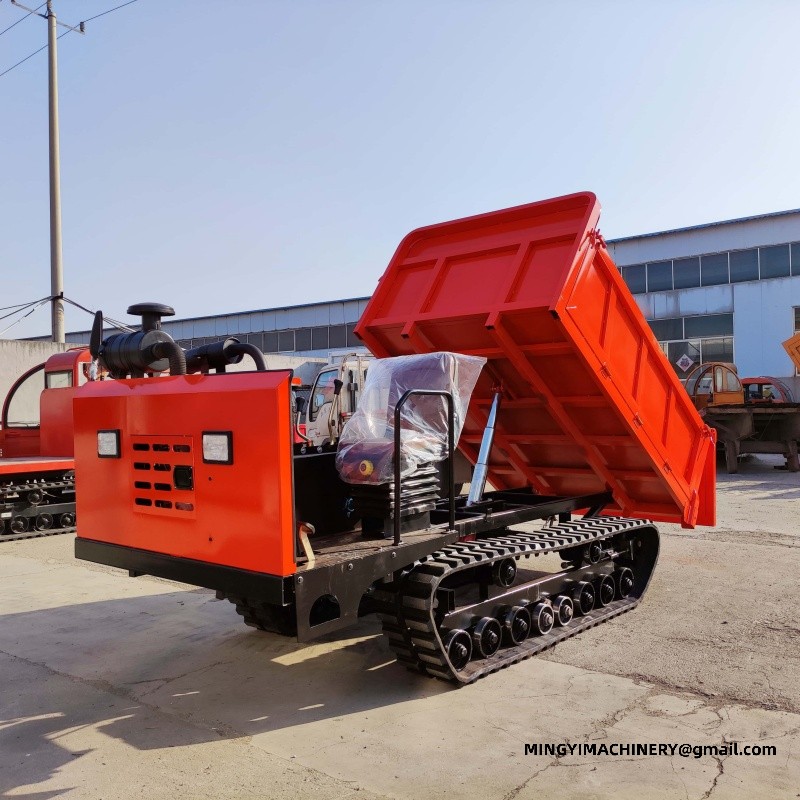
The engines and payloads below are the options offered on this crawler carrier. Output and payload are confirmed together with the route, because the gradient and the ground decide what the machine can carry before the engine rating matters.
| Output | Engine | Rated payload | Rated power |
|---|---|---|---|
| 8 hp | 178 engine 8 hp | 650 kg / 750 kg | — |
| 85 hp | 4102 engine 85 hp | 650 kg / 750 kg | — |
| 106.08 hp | 4102 turbo 78 kw*1.36=106.08 hp | 650 kg / 750 kg | 78 k W |
| 10 hp | 186 engine 10 hp | 650 kg / 750 kg | — |
| 12 hp | 192 engine 12 hp | 650 kg / 750 kg | — |
| 58 hp | 490 engine 58 hp | 650 kg / 750 kg | — |
| 25 hp | Engine 25 hp | 650 kg / 750 kg | — |
| Item | Note |
|---|---|
| Crane option | A 0.5 t or 1 t crane can be fitted for self-loading. |
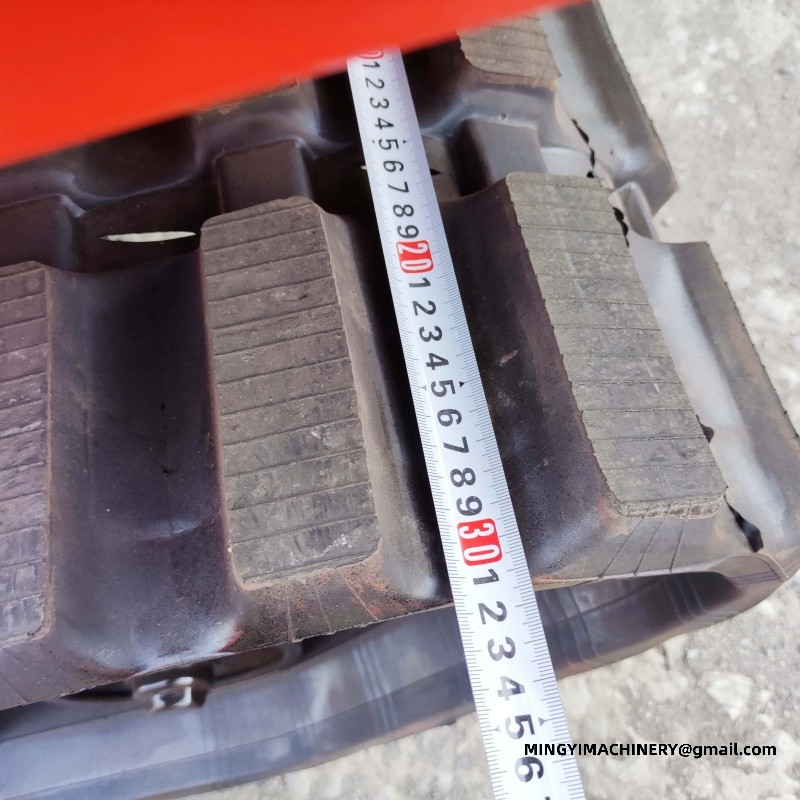
| Track undercarriage | Rubber or steel track undercarriage is selected against the ground. |
| Canopy option | Simple canopy, semi enclosed canopy or fully enclosed cab. |
The calendar decides more than the specification does. Planning when the machine in that duty will be working, when it will be serviced and when it can be spared keeps the maintenance out of the weeks that matter.
How a machine travels decides how it starts on arrival. Securing a machine built for the work against movement, protecting the exposed cylinders and keeping the battery and fluids in the right state for the voyage all belong to the packing list.
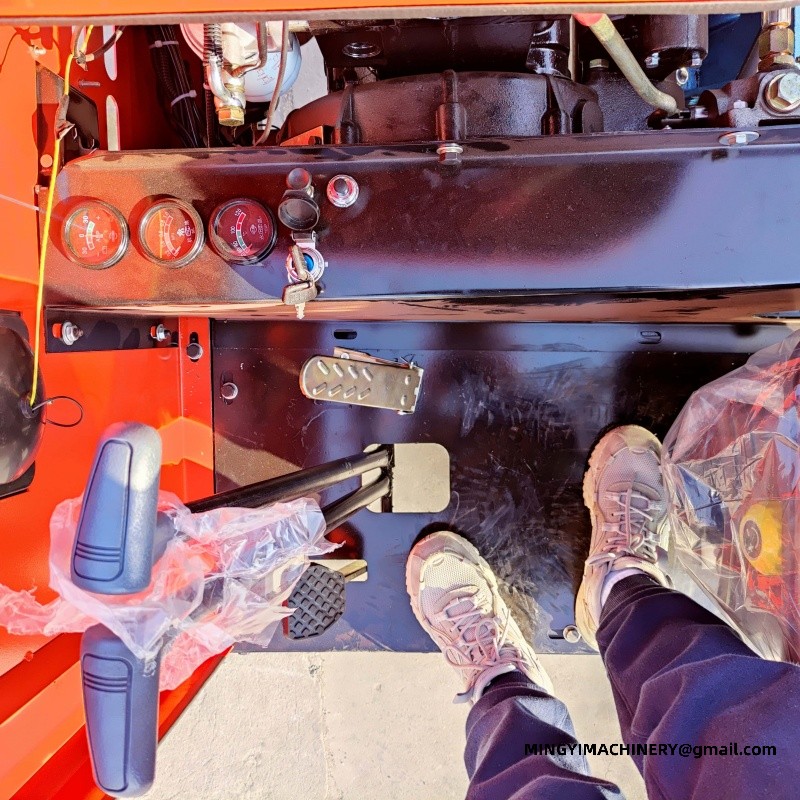
The first day with a new machine sets the pattern for the next five years. Handover for the carrier covers the control layout, the daily check points and the limits the operator needs to know before the first real load is lifted or carried.
Operators notice things first because they hear the machine every day. Encouraging the person on the unit in daily use to report small changes, and acting on them, is the most effective maintenance programme there is.
A machine should be inspected while it is still on our floor rather than after it lands. For the equipment on site that means the engine is run to temperature, the hydraulics are cycled through full travel, and every function is checked against the build sheet before the crate is closed.
Documentation should match the machine that was actually built. The sheet supplied with the model in question records the configuration as delivered, because the generic catalogue description is not what the customer needs when ordering a part.
Every line above comes from the build sheet for the machine in that duty, and the final configuration is confirmed against the working conditions and the destination before production.
E-mail:sales@mingycn.com
LINE(ID):mingyicn