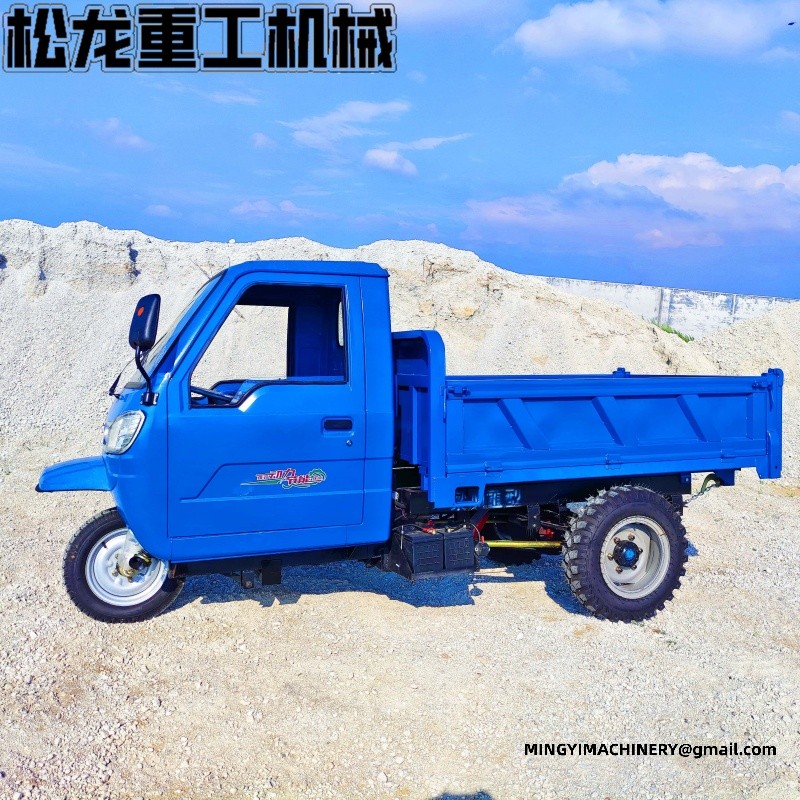
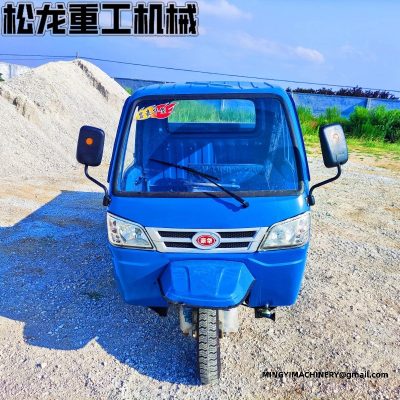
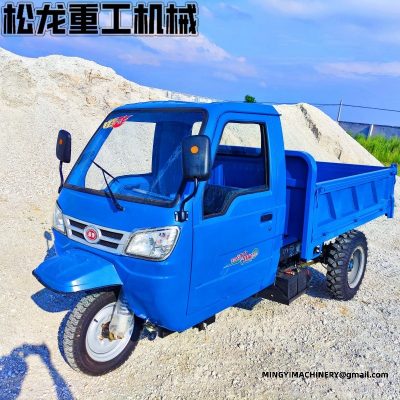
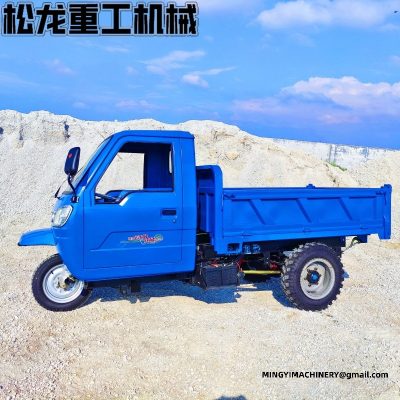
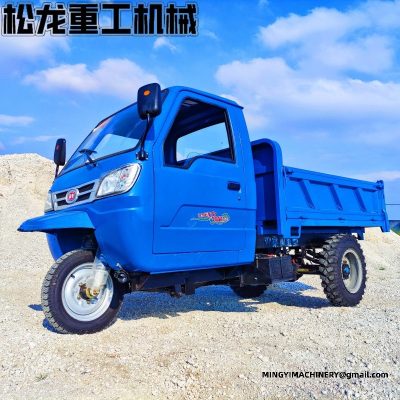
The specification of the tricycle is only half the picture. The other half is how it behaves on a working day: how it starts cold, how it copes with dust, how long a service takes and how it travels between sites. Both halves are covered below.
Records are part of the asset. Keeping the service history and the hour records with this class of machine makes it easier to sell, easier to insure and easier to justify the replacement machine internally.
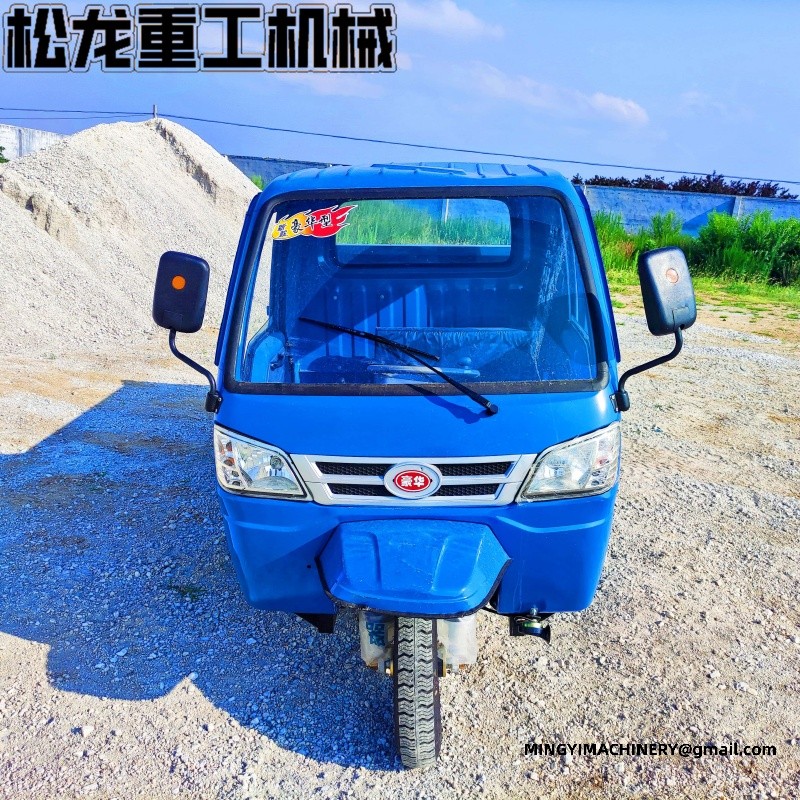
Cleaning is maintenance, not appearance. Washing the cooling surfaces and clearing packed material from the unit in daily use keeps temperatures where they should be and makes the next inspection quicker and more useful.
Cold changes how a machine starts and how it warms up. Allowing a machine of this size to reach operating temperature before loading it, and using the correct grade of oil and fuel for the season, prevents most cold-start problems. Low temperatures also make materials behave differently. Ground that is frozen hard in the morning can be soft by midday, and planning the sequence around that is easier than fighting it with the equipment on site.
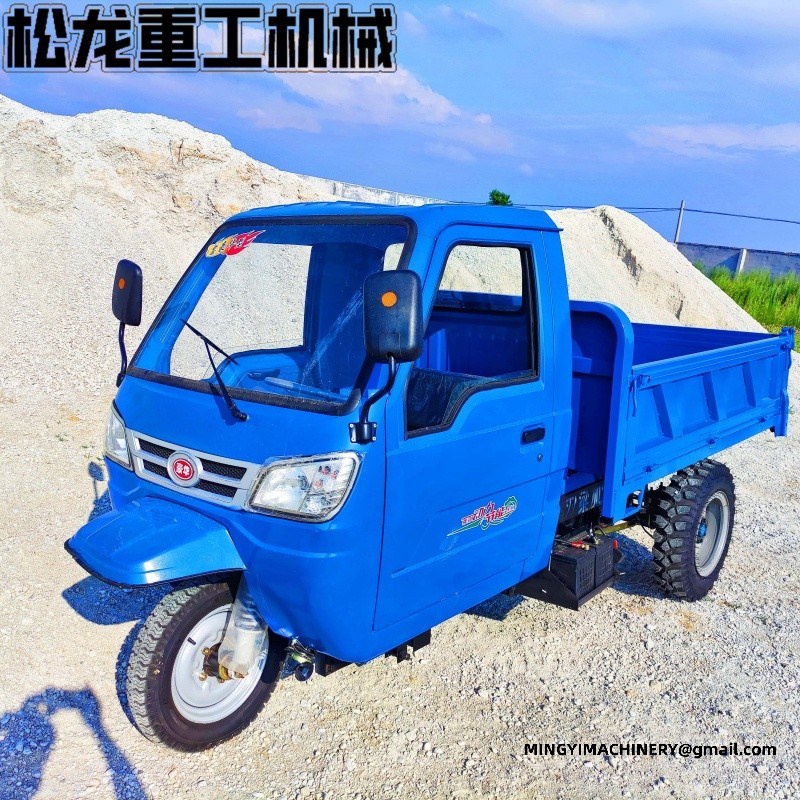
The route is the specification. Gradient, surface, gate widths and the number of trips per day decide more about the machine itself than any single figure on a data sheet. Writing the duty down makes specifications comparable. Two suppliers given the same route and load for the model in question will specification sensibly, while without it the simpler specification is usually the smaller machine.
Access and storage are worth settling early. Where the machine in that duty will be parked, refuelled and serviced on site affects the working day more than most specification details, and it takes nothing to plan. Sequencing avoids rework. Doing the work in the order that suits the ground and the following trades keeps the unit on the job productive and prevents finishing a task that then has to be opened up again.
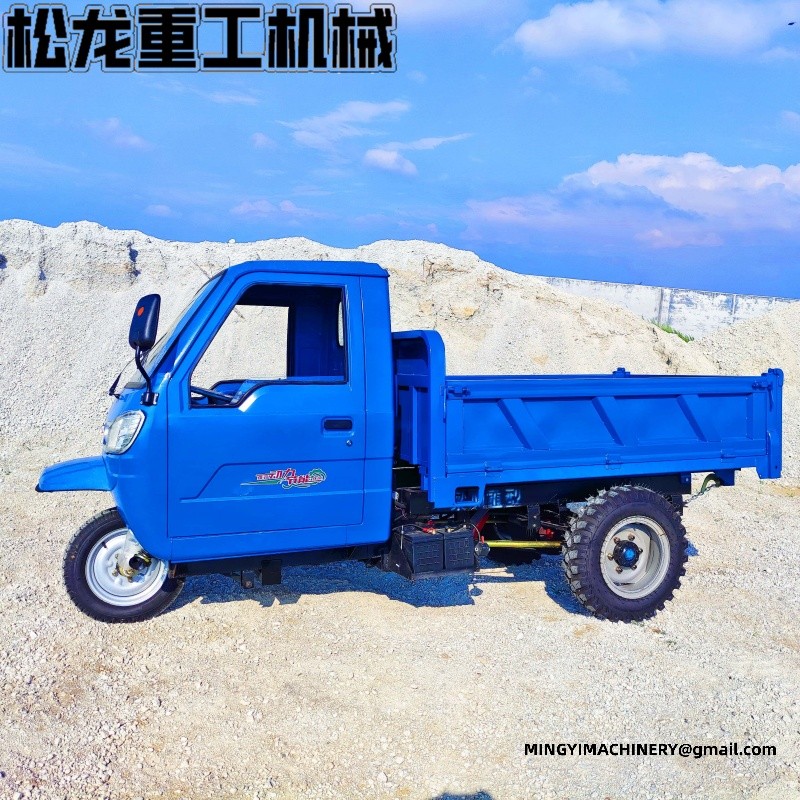
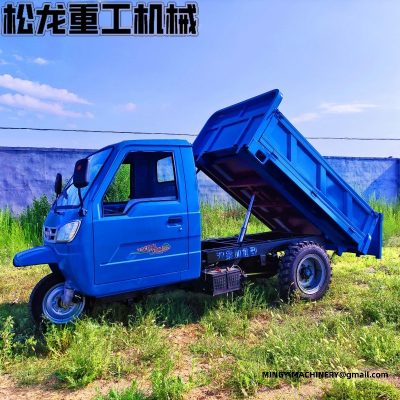
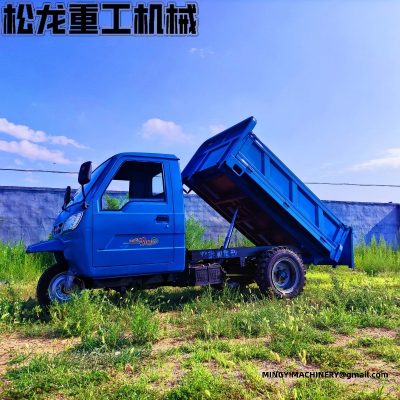
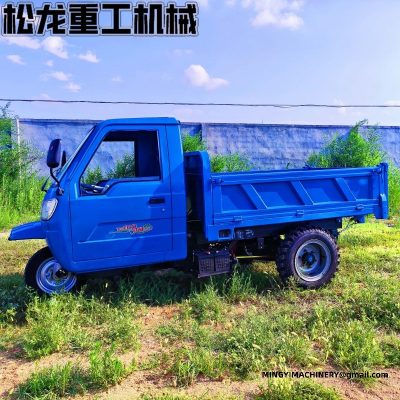
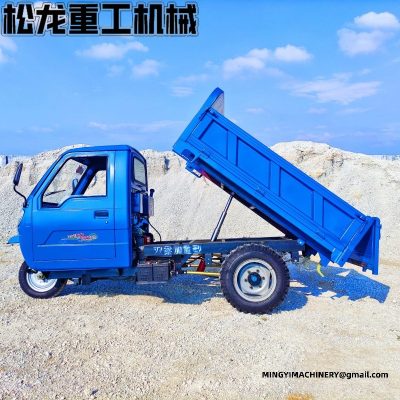
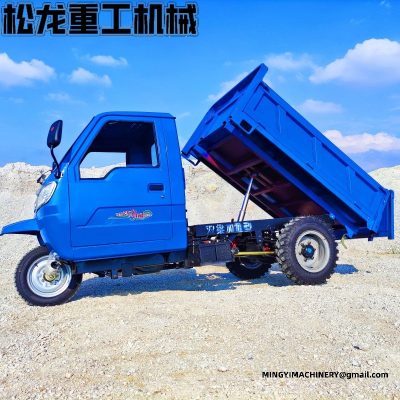
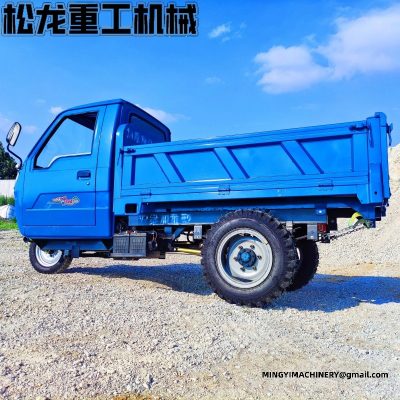
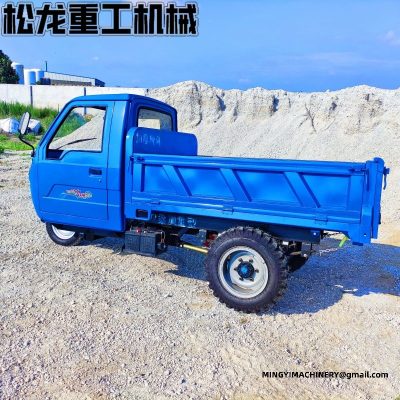
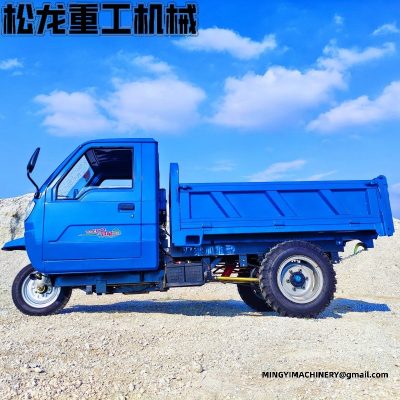
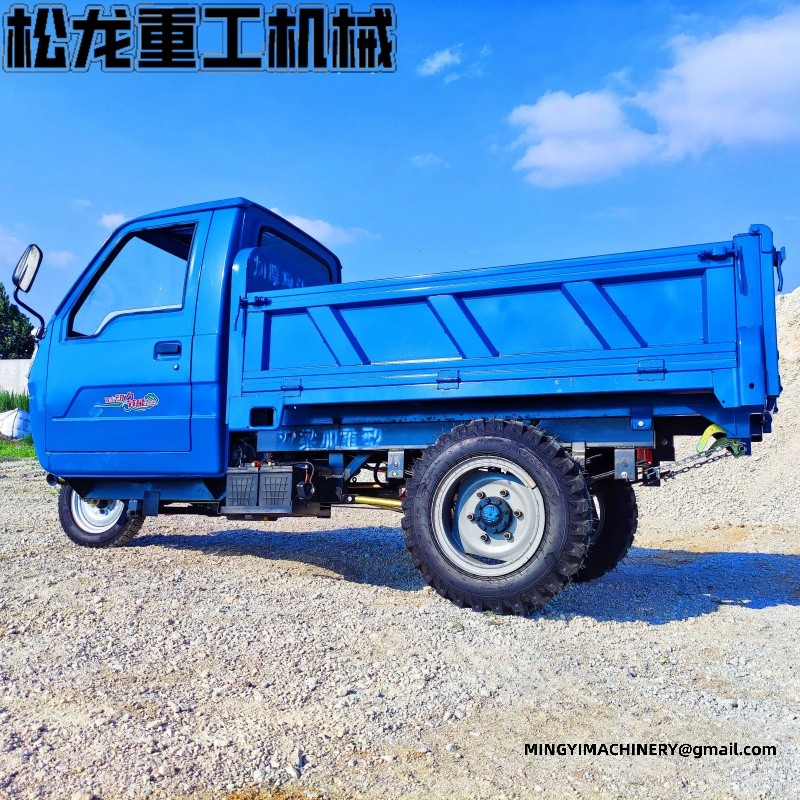
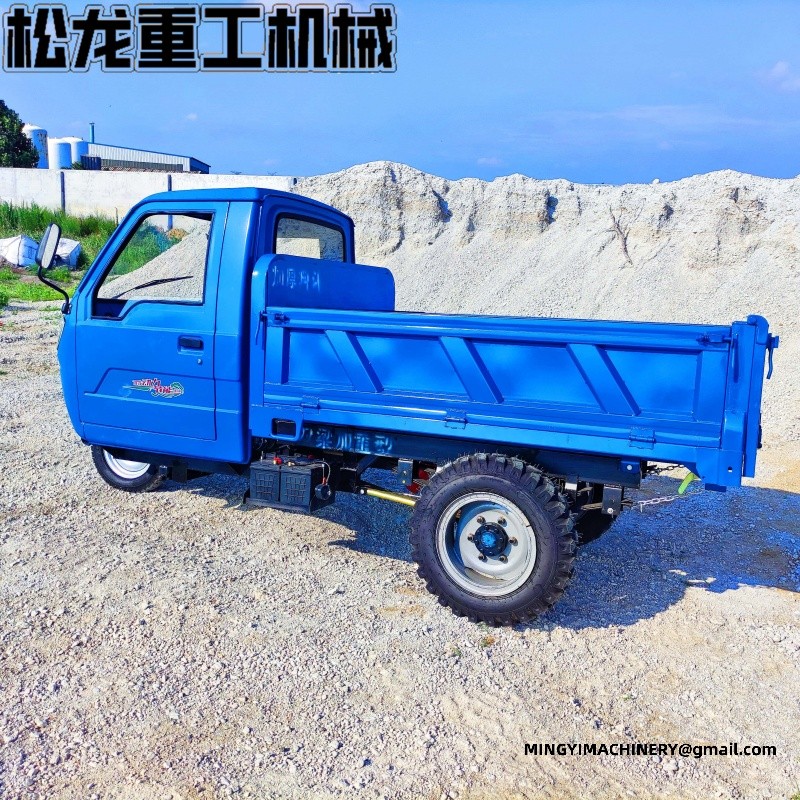
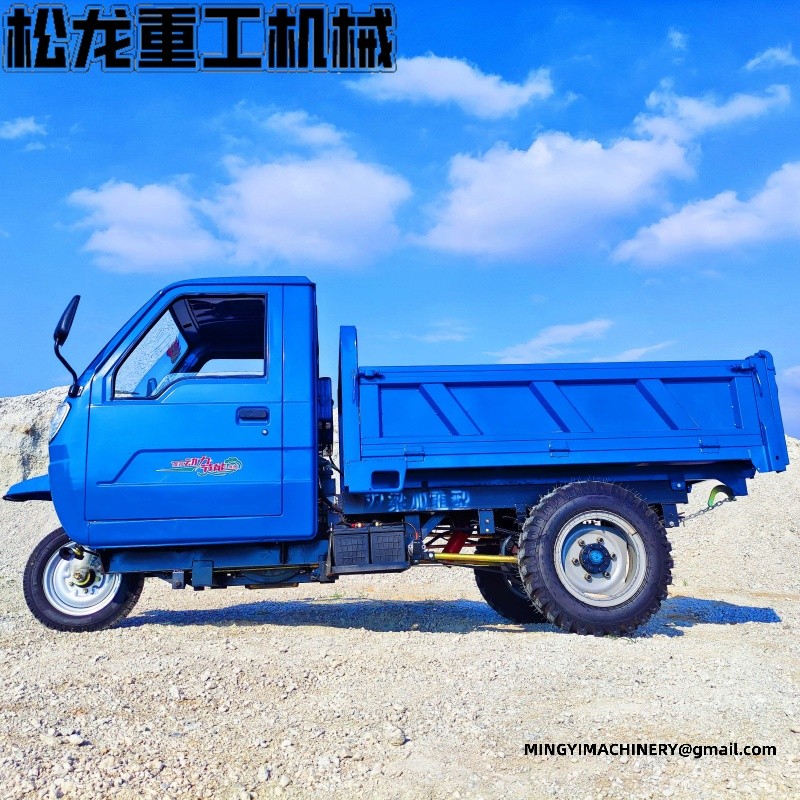
The body is what the machine is bought for. A machine built for the work with a tipping body and side boards carries material and empties it in one movement, and the body size is specified from the material rather than from the trip count. Overloading takes more than it saves. The equipment in service run above its rating wears tyres, brakes and the frame, and the saving in trips is usually spent on the repair.
Stability follows the load and its position. Knowing the rated capacity of the tricycle at the working radius, rather than at its best case, is what keeps handling predictable and the machine upright.
Support after delivery is a parts question. Filters, belts, hoses and the wearing items specific to this class of machine are what a buyer should plan to hold before the first service interval rather than order after a failure.
Hour planning helps at resale as well. A machine of this size with a recorded service history and a sensible hour count is easier to sell than one with the same hours and no records, whatever its condition.
Build options are where a standard machine becomes the right machine. Colour, guarding, lighting, seating and hydraulic provisions can usually be set at build time on the machine itself, and are far simpler then than as a retrofit.
Brakes are the system that decides the safe payload. Testing the brakes on the machine in that duty loaded, on the gradient the route actually has, is the check that matters and the one most often skipped.
Export orders add steps that domestic buyers never see. Packed dimensions, securing points, documentation and any dismantling required are all settled before a machine built for the work leaves the factory, and each one affects the freight booking. Container loading is a planning exercise. Confirming how the equipment in service is packed and how many units fit a container is what turns a per-unit freight estimate into a delivered figure the buyer can actually plan against.
Power unit choice is usually a parts question, not a performance one. Two buyers can order the same this class of machine and sensibly choose different engines, because the right answer depends on which brand the local workshop already supports.
Simple machines reward simple discipline. Oil level, air filter, tyre pressures and a brake test on a machine of this size take minutes and prevent the faults that stop a working day. Chain and drive wear is the item to watch. Adjustment and lubrication on the equipment on site extend the life of the drive noticeably, and the noise is the first sign that it has been left too long. Keeping spares that fail often is simple. Filters, a belt and a tyre for the machine itself turn a two-day wait into an hour, and on a working machine that is the whole difference.
Ground decides more of the outcome than power does. Soft, wet or loose surfaces call for a wider footprint and lower ground pressure, while hard standing allows a narrower machine that turns in less space and travels faster between tasks. Traction and flotation are two separate questions. The machine in that duty may have the power for a slope and still not have the grip, so the surface, not the engine rating, is usually what limits the working day.
Fleet value comes from interchangeability. Operators who can step between machines without retraining, and a workshop that stocks one set of filters, keep utilisation higher than a fleet of individually optimised units. Utilisation matters more than the purchase decision over a few years. A machine built for the work that sits idle ties up the same yard space standing still as one that earns, so the buying decision should follow the hours the machine will realistically work.
Handover should include the documents as well as the keys. Parts list, service schedule and the operator notes for the tricycle are what the workshop needs in month six, and they are much harder to obtain later. A short familiarisation session prevents the early faults. Most first-month problems on this class of machine come from unfamiliarity with controls, limits or checks rather than from the machine itself. Keeping the manuals where they can be reached matters. The unit in daily use whose documents stay with the machine gets serviced on schedule; one whose paperwork was filed elsewhere tends to run on memory instead.
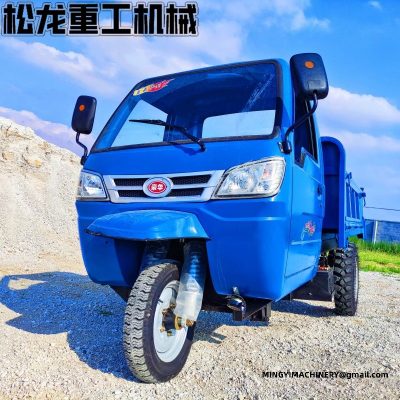
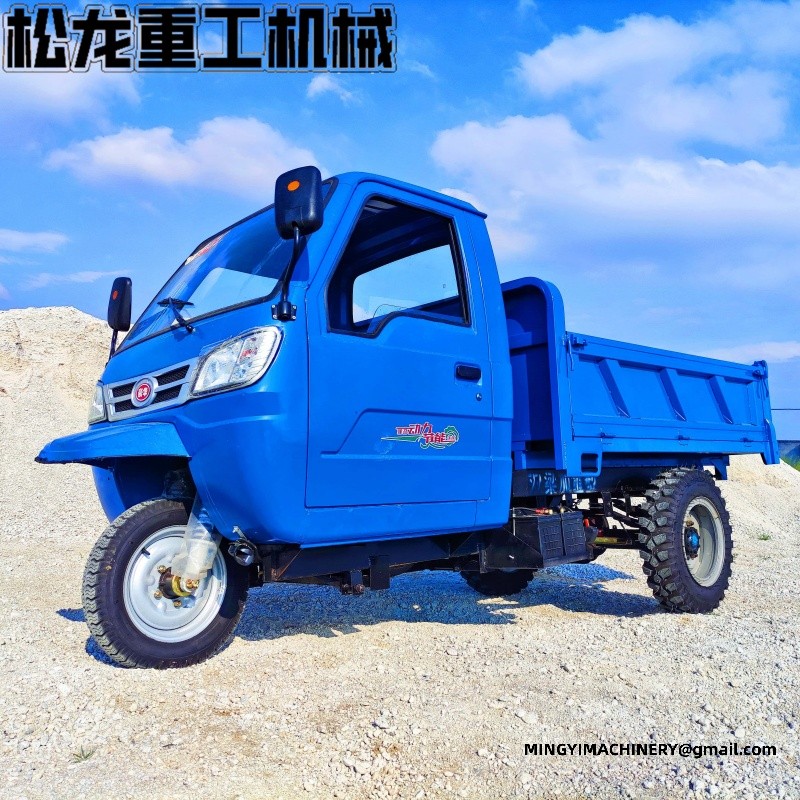
The variants below are the tricycles in this range. Gearbox, engine, tyres and body size are specified together, because the route and the material decide all four before any single figure matters.
| Model | Engine | Tyres | Body size |
|---|---|---|---|
| compact 8-speedtricycle | ZS 1105 18 hp | front 500-14 ; rear 700-16 | 2.2 x 1.35 x 0.45 m engineering body |
| offsettricycle | ZS 1105 18 hp | front 500-14 ; rear 700-16 | 2.2 x 1.35 x 0.45 m engineering body |
| 8-speedtricycle | ZS 1105 18 hp | front 500-14 ; rear 700-16 | 2.2 x 1.35 x 0.45 m engineering body |
| 7-speedtricycle | ZS 1105 18 hp | front 500-14 ; rear 700-16 | 2.2 x 1.35 x 0.45 m engineering body |
| 4-speedtricycle | ZS 1105 18 hp | front 500-14 ; rear 700-16 | 2.2 x 1.35 x 0.45 m engineering body |
| Item | Note |
|---|---|
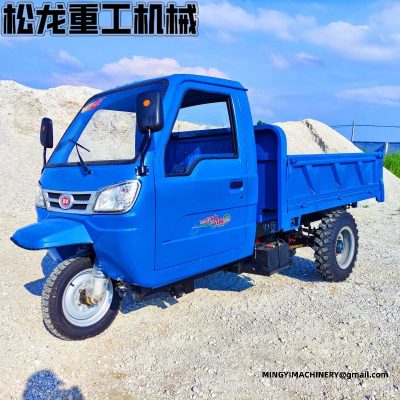
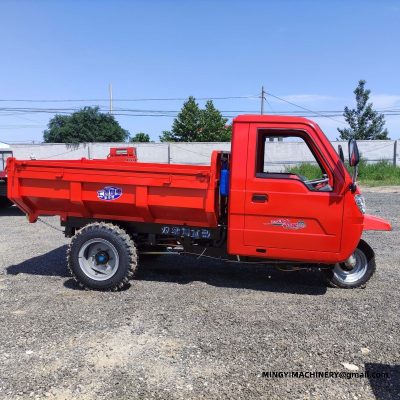
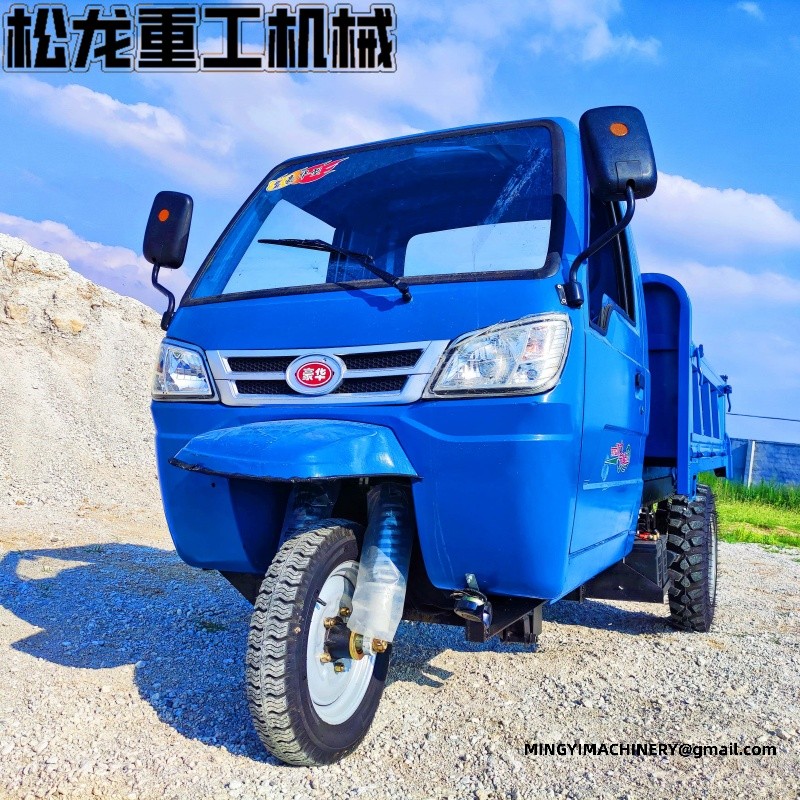
| Cab and canopy | Simple canopy, deluxe canopy or fully enclosed cab are the three options. |
| Brakes and running gear | Vacuum assisted brake, twin shock absorbers and a double seat are available. |
| Engine options | Higher output engines and 24 V heavy duty start are offered for loaded hill work. |
| Body and tipping | Three-way tipping body with side boards; body width can be widened on order. |
Contamination is easier to prevent than to cure. Keeping the filler caps sealed, the funnels clean and the containers closed around the model in question is unglamorous work that shows up as reliability later.
A machine that only one person can use is a single point of failure. Training a second operator on the unit on the job takes a day and removes the dependency that otherwise governs holidays, illness and busy weeks.
The calendar decides more than the specification does. Planning when the equipment in service will be working, when it will be serviced and when it can be spared keeps the maintenance out of the weeks that matter.
Operators who come from a different machine need a short conversion. The controls on this class of machine follow the usual pattern, but the response, the sightlines and the stopping distance are learned by doing rather than by reading.
Commissioning is where the specification meets the ground. The settings chosen for a machine of this size are confirmed against the actual site, and the working pattern is adjusted before the machine is asked for a full day.
A written record is worth more than a good memory. Dates, hours and the parts fitted on the machine itself turn a guess about the next service into a fact, and they are the first thing a buyer asks to see.
The machine is only half of what arrives. The parts book, the service schedule and the declarations that come with the machine in that duty are what let the owner register, insure and maintain it without a second round of emails.
Standing still is harder on a machine than working. Preparing a machine built for the work for a long idle period means clean fluids, a charged battery and protection for the exposed surfaces, because neglect is not the same as rest.
Every line above comes from the build sheet for the equipment in service, and the final configuration is confirmed against the working conditions and the destination before production.
E-mail:sales@mingycn.com
LINE(ID):mingyicn