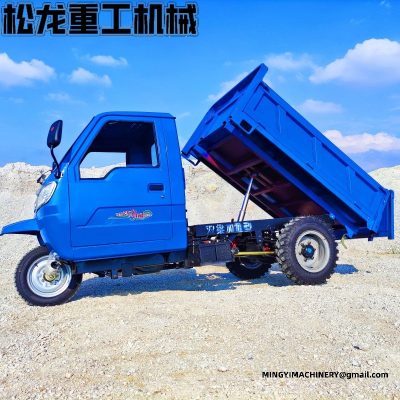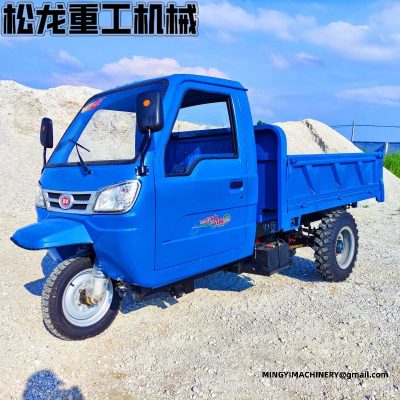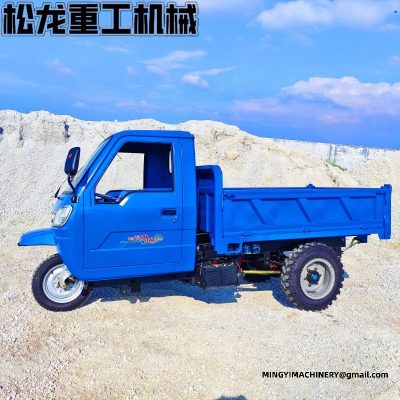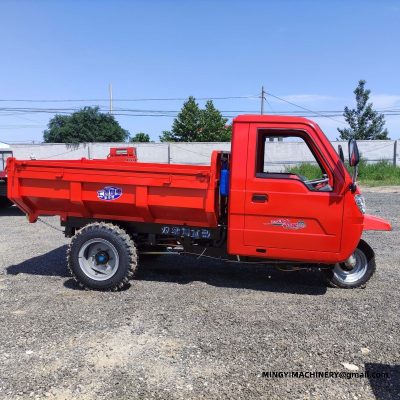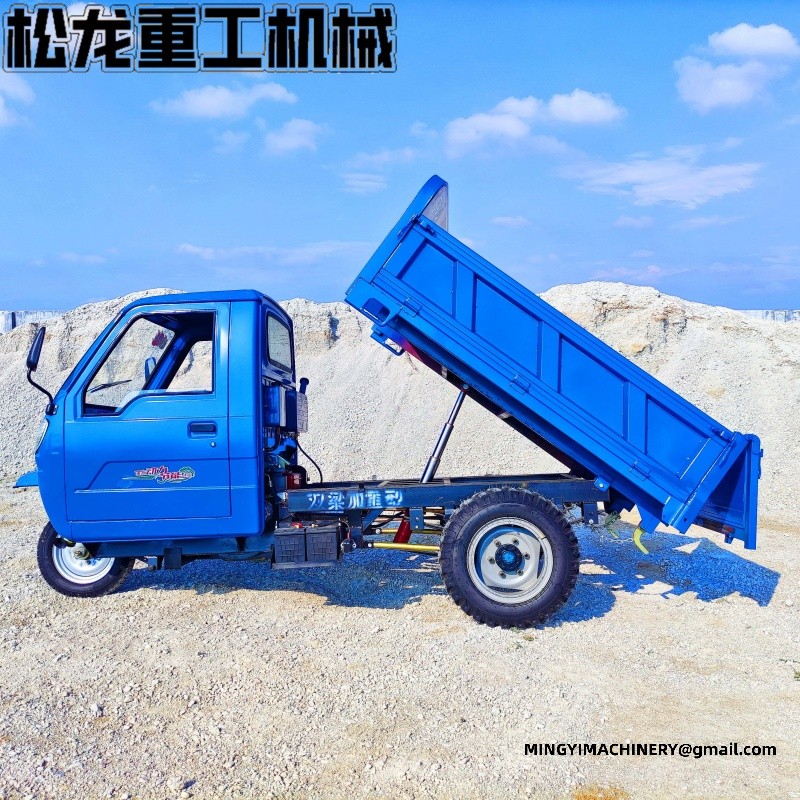
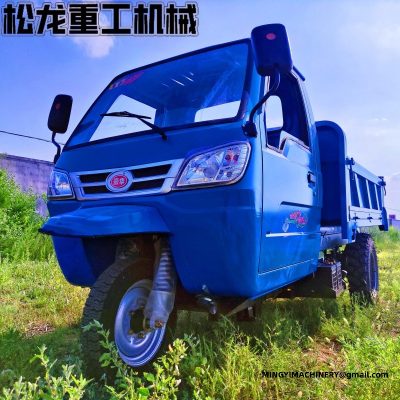
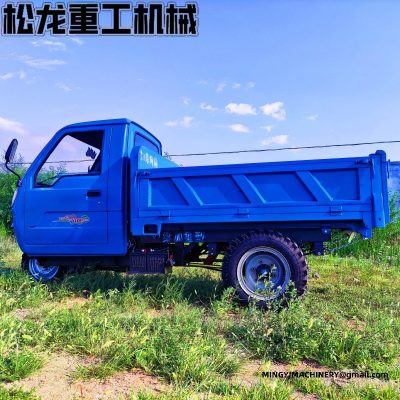
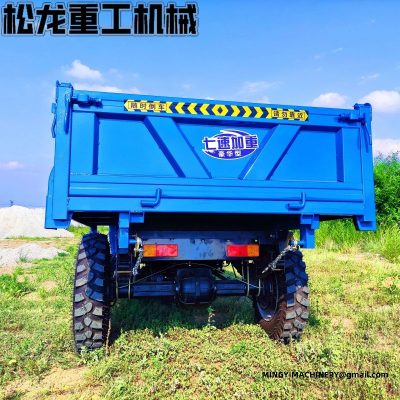
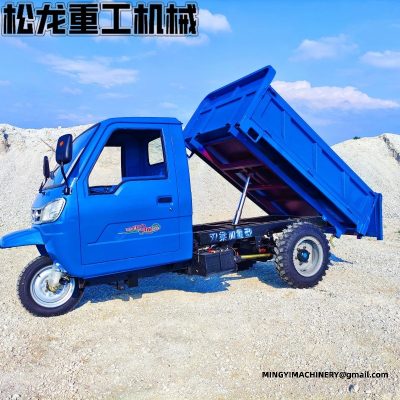
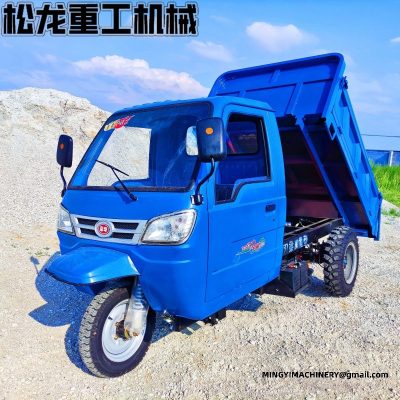
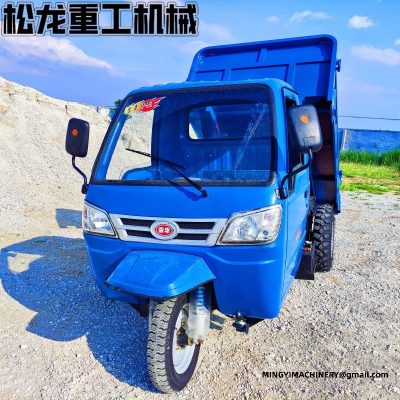
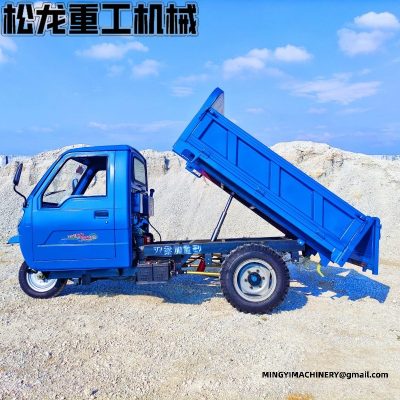
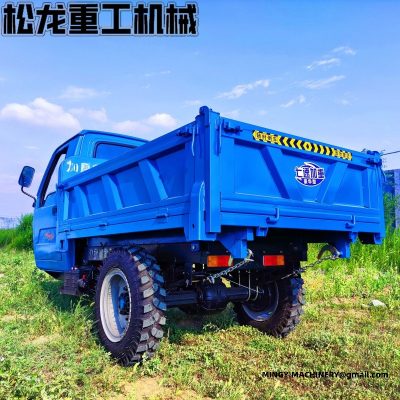
The tricycle sits in a class where the difference between models is felt on site rather than read on a plate. What follows covers the practical side, including access, duty cycle, maintenance and delivery, in the order a buyer tends to meet them.
Load distribution matters on three wheels. Spreading the load across the body of the unit in daily use rather than heaping it at the back keeps the steering light and the braking predictable. Overloading takes more than it saves. This class of machine run above its rating wears tyres, brakes and the frame, and the saving in trips is usually spent on the repair.
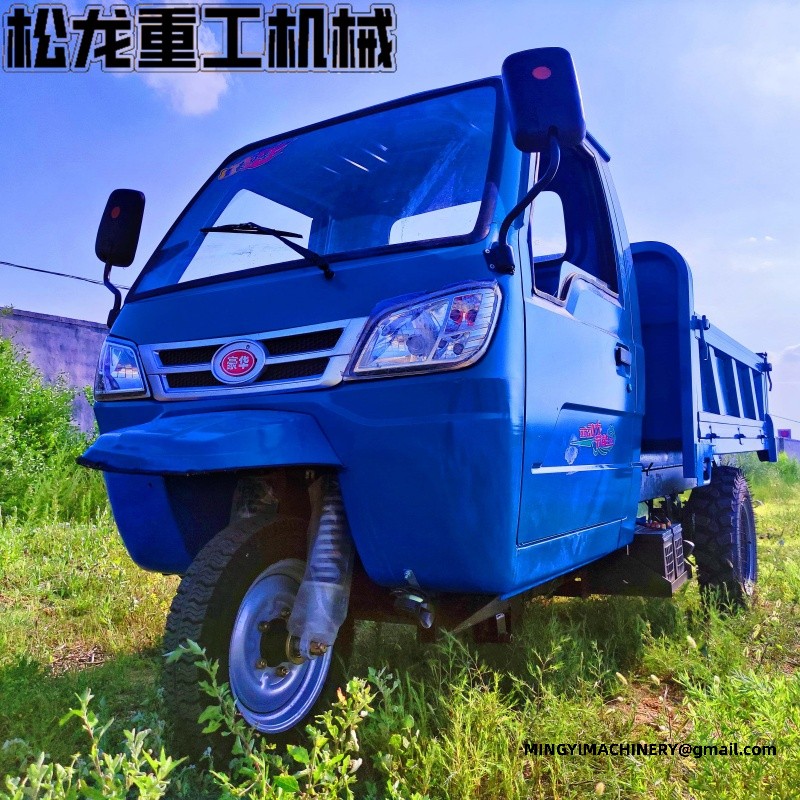
Ballast and attachment weight change the machine. Adding a heavy tool to a machine of this size moves the centre of gravity, and the counterweight or configuration should be matched to the tool rather than assumed.
A short handover pays for itself. Operators who understand why the equipment on site is set up the way it is will report a change in behaviour early, which is usually the point where a repair is simplest.
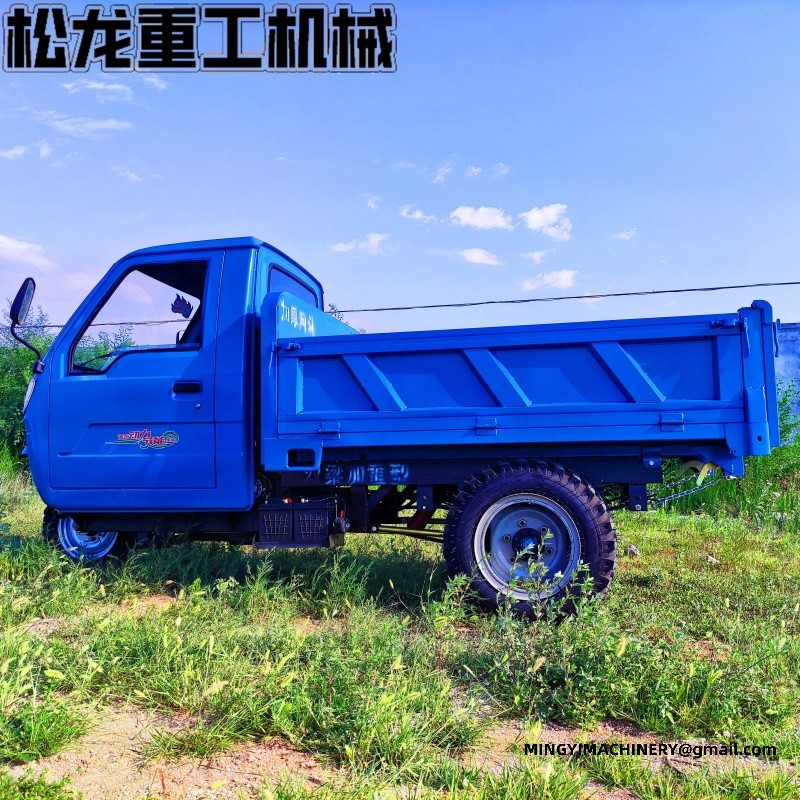
Resale starts at purchase. Specification choices, service records and the condition of wearing parts are what a buyer looks at, and the machine itself that has been maintained on schedule is worth more than one that merely looks clean.
Before-storage preparation prevents most return-to-work faults. Draining or treating fuel, protecting exposed rods and relieving pressure where the maker specifies it are the items worth an hour when the model in question is parked. A periodic start is better than none. Running the machine in that duty to operating temperature during a long layoff keeps seals and the charging system in better condition than leaving it untouched until the next job.
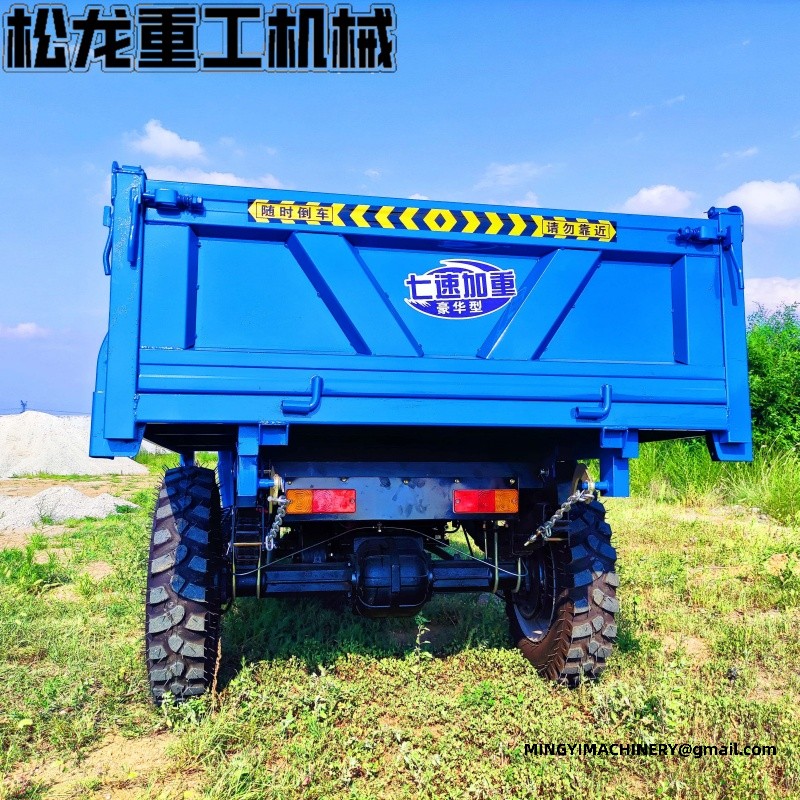
Tyres carry the load and take the punishment. Correct sizes and pressures on the unit on the job keep the steering predictable and the rolling resistance low, and worn rear tyres are the usual cause of a vague feel. Wheel bearings and alignment are routine checks. Play in a wheel of a machine built for the work shows up as wandering and uneven tyre wear, and it is simple to correct when noticed early.
The specification should be written from the job backwards. Listing the loads, the ground and the hours first, then matching the tricycle to that list, avoids buying capacity the work never uses and avoids discovering a shortfall in the first week. Buyers who specify this class of machine on paper before enquiring get specifications that can be compared. Without that list, two suppliers will propose two different machines and the simpler one is usually the smaller one, not the better value. A written duty list is the simplest part of the purchase. It takes an hour to note the material, the distance, the gradient and the hours per week, and it is what turns the equipment in service enquiry into a machine that fits.
Export orders add steps that domestic buyers never see. Packed dimensions, securing points, documentation and any dismantling required are all settled before the unit in daily use leaves the factory, and each one affects the freight booking. Documentation should be agreed at order stage. The commercial invoice, packing list and any certificate required at destination are part of shipping a machine of this size, and missing papers delay clearance longer than the voyage takes.
Service intervals exist because wear is predictable. Following the maker schedule on the machine itself takes far less time than repairing the damage that follows a missed oil change or a filter left in place past its life. A simple log helps. Recording hours, fuel and any adjustment made to the model in question gives the workshop a history, and that history is what turns an intermittent fault into a one-visit repair instead of three.
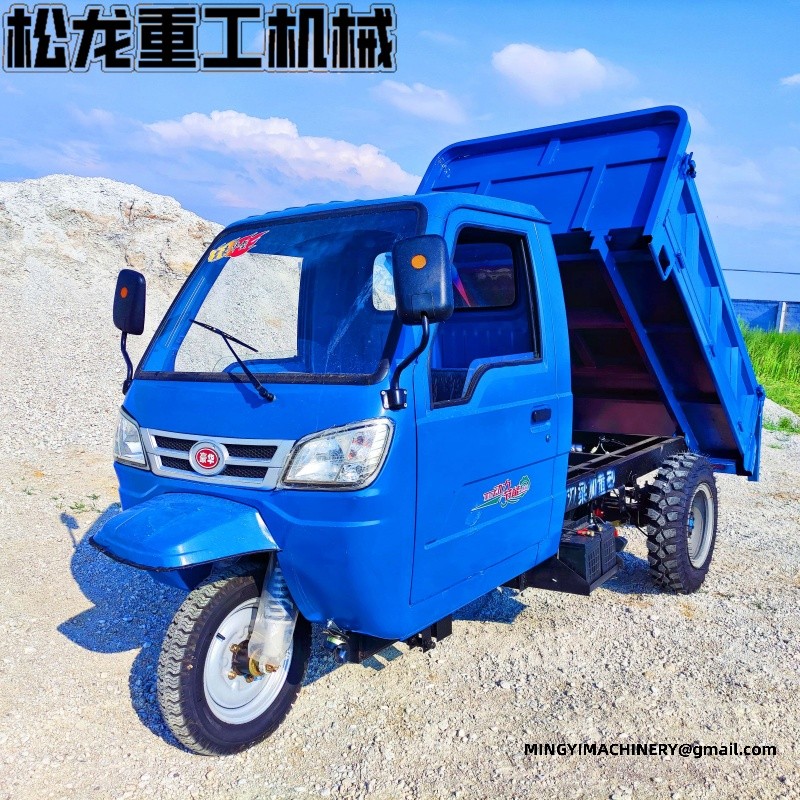
Municipal and maintenance work is a third fit. Carrying tools, green waste and small loads through parks, lanes and footpaths is exactly the duty the unit on the job is sized for.
Warranty terms are clearer when they are read before purchase. Knowing what is covered, what counts as a wearing item and what documentation is required makes a claim on a machine built for the work straightforward rather than contested. Early faults are usually simple. The equipment in service that behaves differently in its first few hours is more often mis-set than defective, and a call to the supplier at that point usually resolves it the same day.
Seasonal work changes the maintenance calendar. Machines that work hard for two months and stand for ten need preparation before storage and a check before returning to work, and both are simpler than the repairs they prevent.
Brakes are the system that decides the safe payload. Testing the brakes on the unit in daily use loaded, on the gradient the route actually has, is the check that matters and the one most often skipped. Three wheels behave differently from four. Cornering a loaded a machine of this size needs a lower speed than a car driver expects, and most incidents come from carrying four-wheel habits into a three-wheel machine.
Personal protective equipment and a stop rule are simple controls. Agreeing before work starts that anyone can stop the job is the single measure that most often prevents a serious incident near the machine itself.
Build options are where a standard machine becomes the right machine. Colour, guarding, lighting, seating and hydraulic provisions can usually be set at build time on the machine in that duty, and are far simpler then than as a retrofit. Customisation should still be limited to what the work needs. Each addition to the unit on the job is another item to maintain, so the useful question is not what can be added but what the job list actually requires.
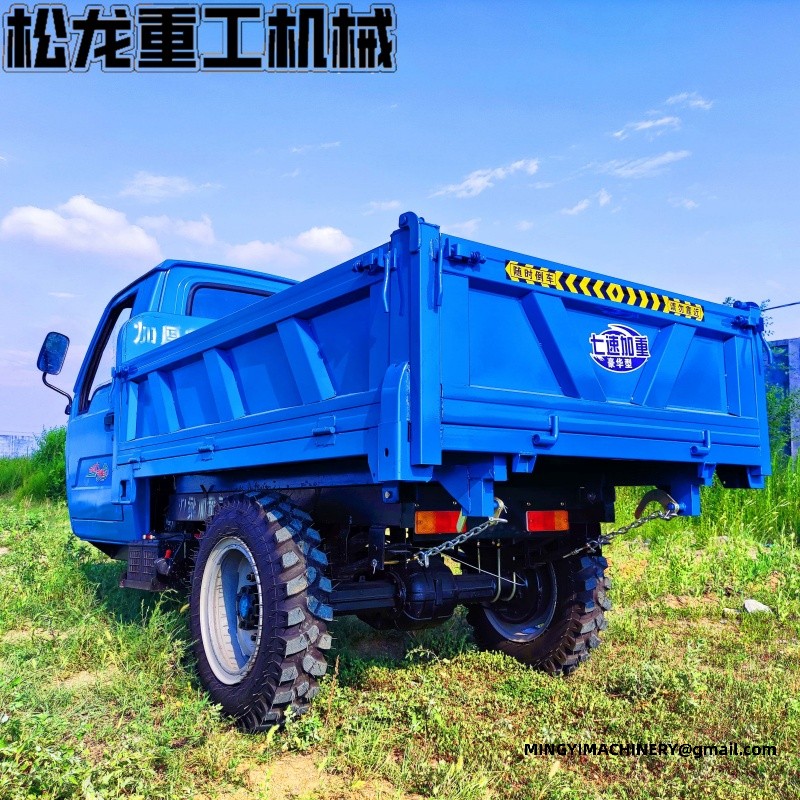
Abrasive conditions shorten service intervals. Air filters, seals and any exposed sliding surface on the equipment in service need attention more often in dusty or muddy work, and the extra checks prevent far more wear than the time they take. Sealed points and guarded areas deserve a look in these conditions. The tricycle working in abrasive dust benefits from checked boots, intact guards and clean breathers, all of which are quick to verify.
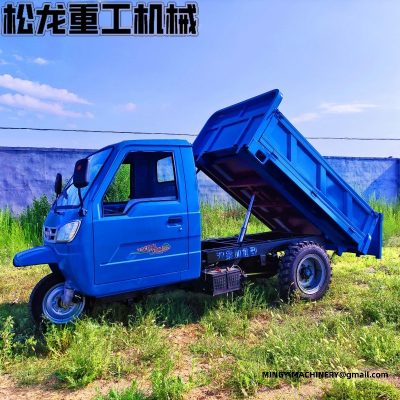
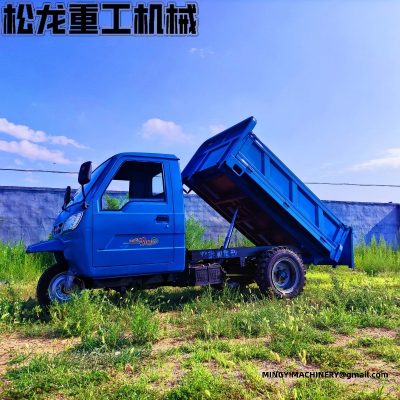
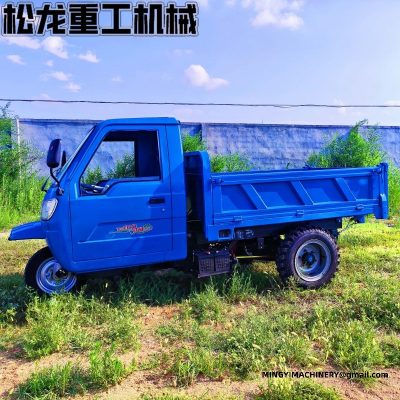
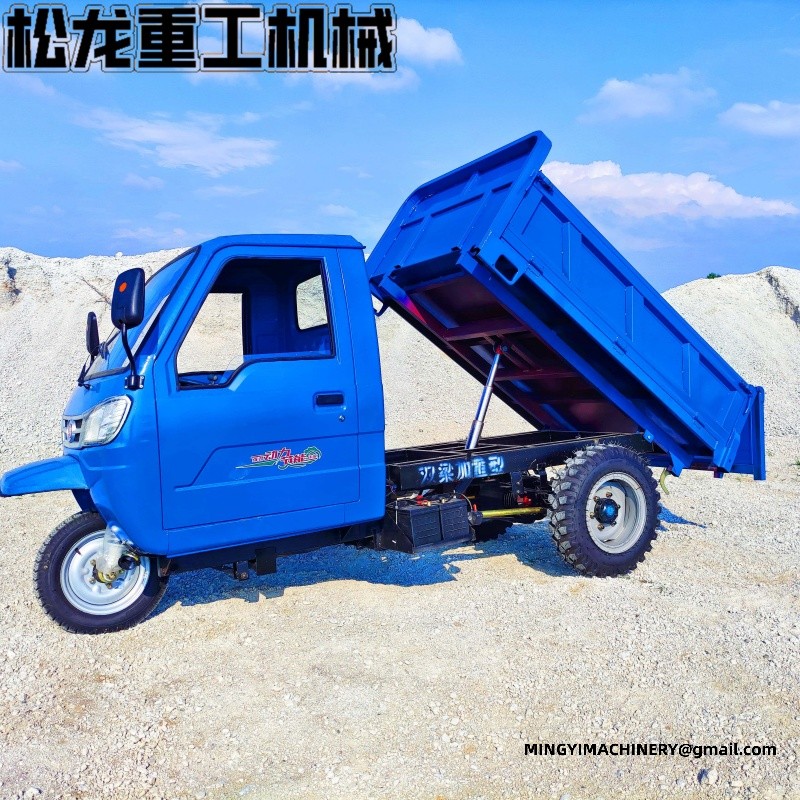
The variants below are the tricycles in this range. Gearbox, engine, tyres and body size are specified together, because the route and the material decide all four before any single figure matters.
| Model | Engine | Tyres | Body size |
|---|---|---|---|
| 4-speedtricycle | ZS 1105 18 hp | front 500-14 ; rear 700-16 | 2.2 x 1.35 x 0.45 m engineering body |
| 8-speedtricycle | ZS 1105 18 hp | front 500-14 ; rear 700-16 | 2.2 x 1.35 x 0.45 m engineering body |
| offsettricycle | ZS 1105 18 hp | front 500-14 ; rear 700-16 | 2.2 x 1.35 x 0.45 m engineering body |
| compact 8-speedtricycle | ZS 1105 18 hp | front 500-14 ; rear 700-16 | 2.2 x 1.35 x 0.45 m engineering body |
| 7-speedtricycle | ZS 1105 18 hp | front 500-14 ; rear 700-16 | 2.2 x 1.35 x 0.45 m engineering body |
| Item | Note |
|---|---|
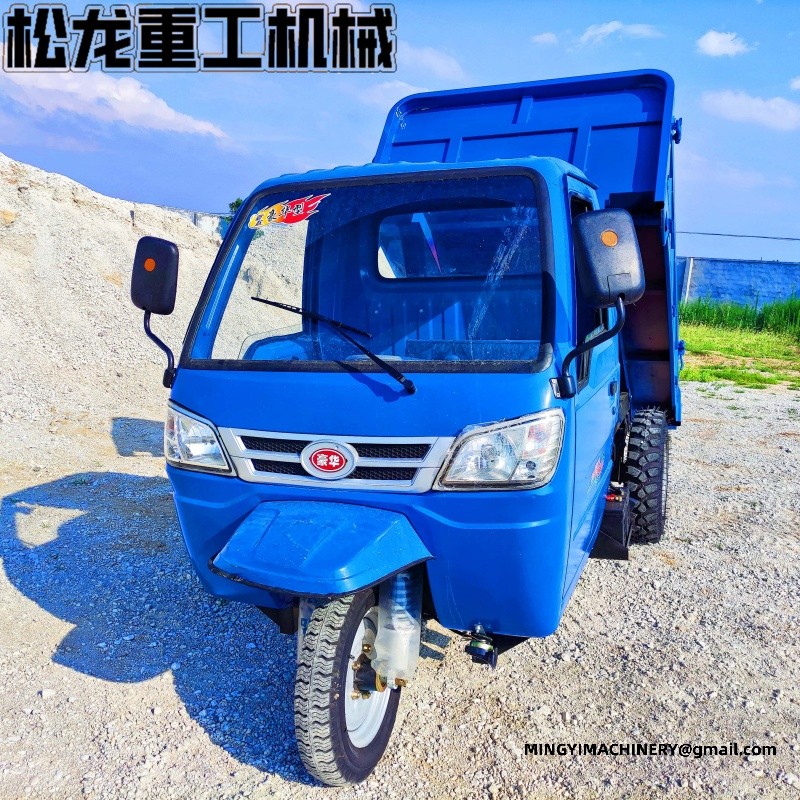
| Cab and canopy | Simple canopy, deluxe canopy or fully enclosed cab are the three options. |
| Brakes and running gear | Vacuum assisted brake, twin shock absorbers and a double seat are available. |
| Engine options | Higher output engines and 24 V heavy duty start are offered for loaded hill work. |
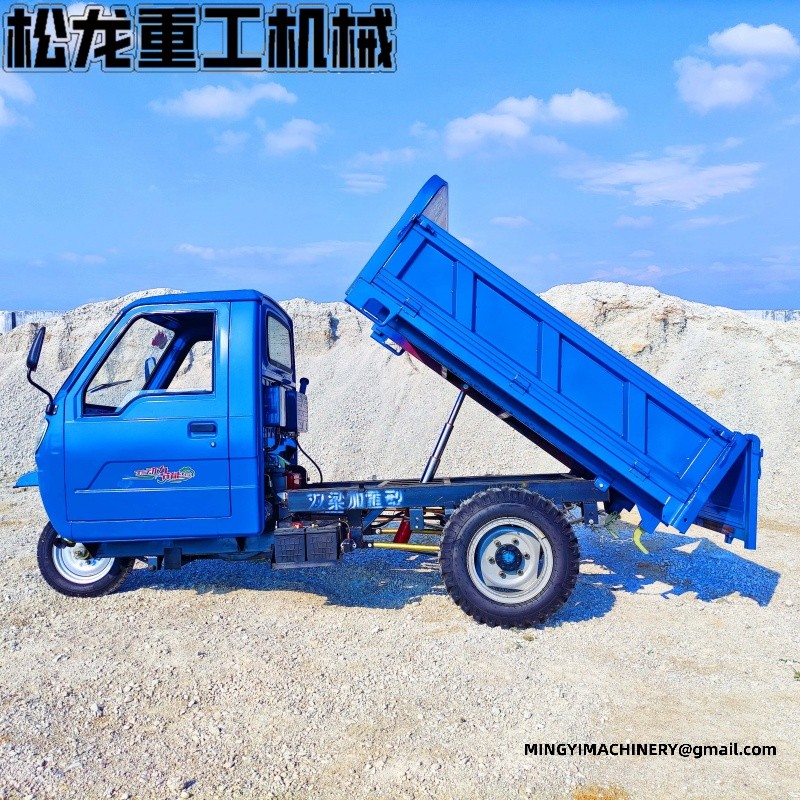
| Body and tipping | Three-way tipping body with side boards; body width can be widened on order. |
The record should follow the machine, not the owner. When the equipment on site changes hands the service history travels with it, and a complete folder is often the difference between a quick sale and a long one.
Machines rarely fail without warning. A change in sound, a slower function or a new leak on the model in question is the machine saying something early, and listening then takes a fraction of the time that waiting does.
Holding spares is about downtime rather than the shelf itself. The question for the unit on the job is not how large the part is but how long the machine sits while it is found, and a small shelf answers that better than a fast courier.
Transport shakes things loose. A short check of the equipment in service after the crate is opened, covering the same points the pre-delivery inspection covered, is the most useful insurance available on delivery day.
Standing still is harder on a machine than working. Preparing this class of machine for a long idle period means clean fluids, a charged battery and protection for the exposed surfaces, because neglect is not the same as rest.
Starting is only the first problem. Until a machine of this size reaches working temperature the hydraulic response is slower and the seals are stiffer, and warming the machine before asking for full output avoids unnecessary strain.
Documentation should match the machine that was actually built. The sheet supplied with the machine itself records the configuration as delivered, because the generic catalogue description is not what the customer needs when ordering a part.
Seasonal work rewards a machine that can change duty. Through the year the machine in that duty may move from one task to another, and the attachment list should be chosen for the whole year rather than for the first job.
Every line above comes from the build sheet for the unit on the job, and the final configuration is confirmed against the working conditions and the destination before production.
E-mail:sales@mingycn.com
LINE(ID):mingyicn