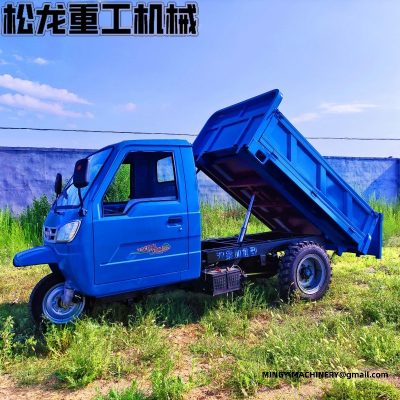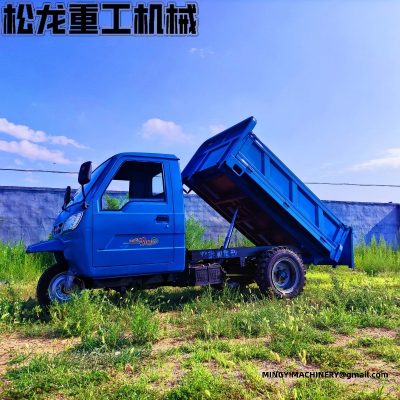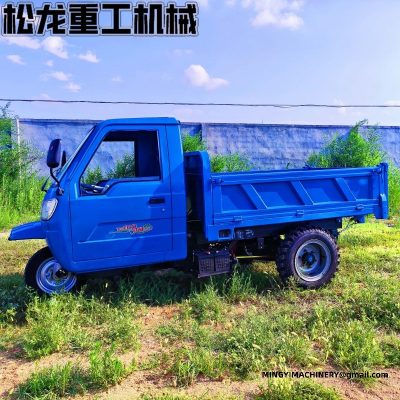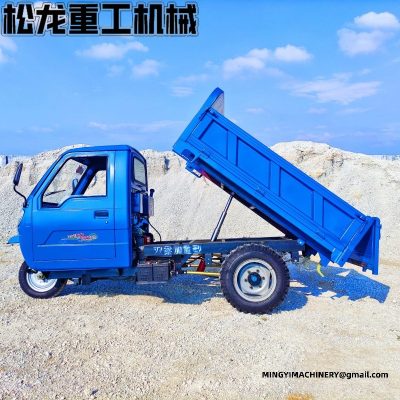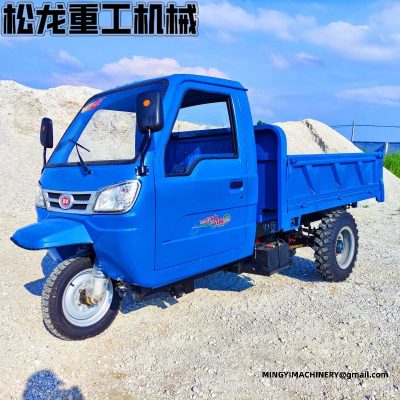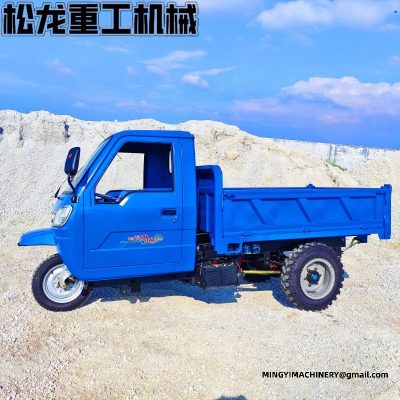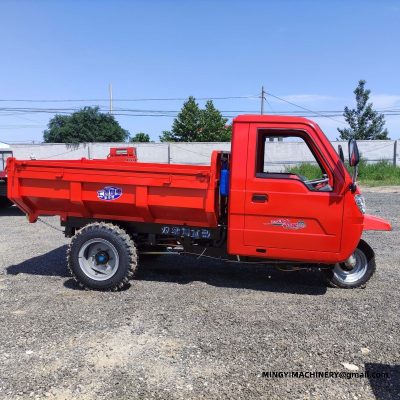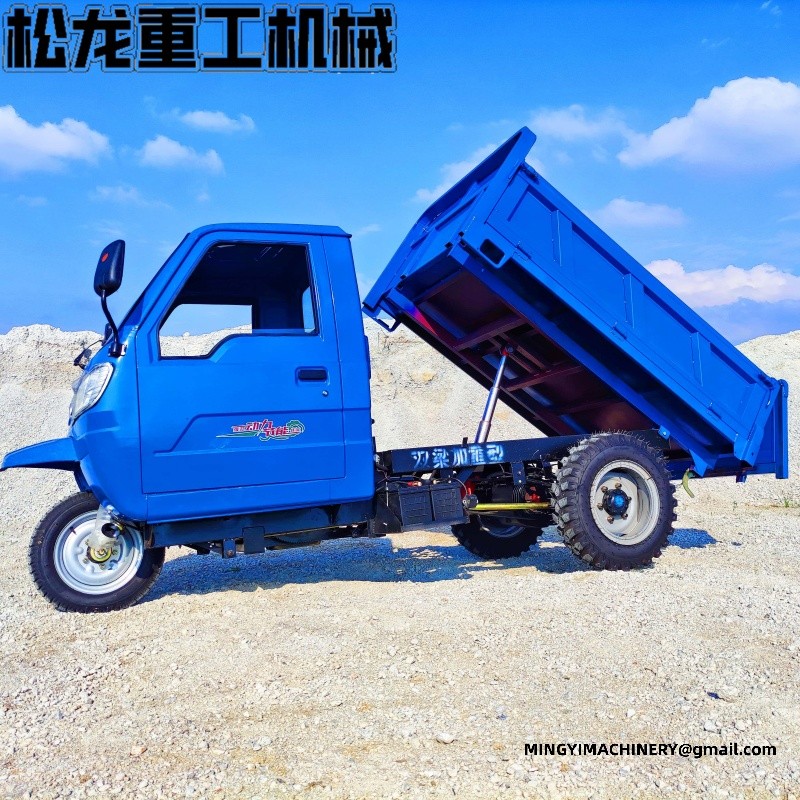
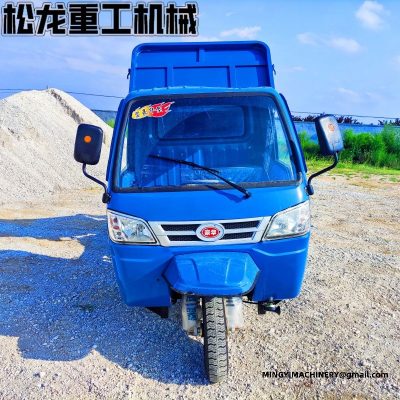
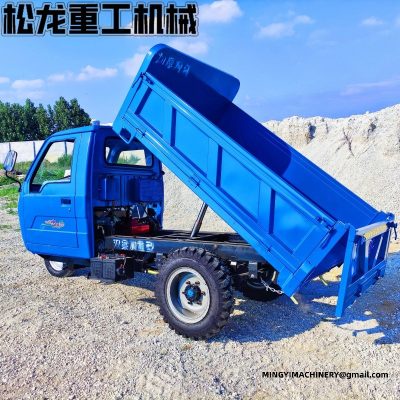
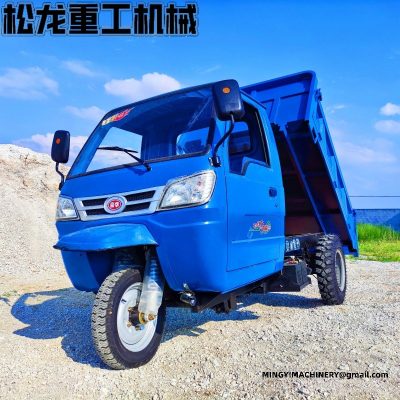
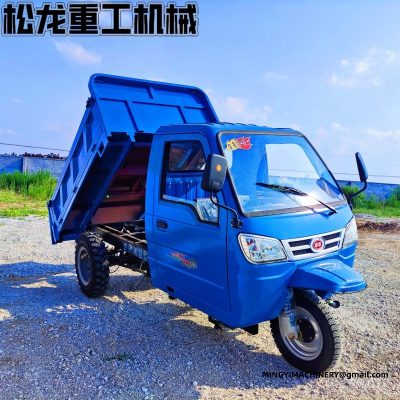
Every the tricycle leaves the shop configured for a particular buyer. This page explains the choices that configuration involves, covering frame, power, running gear, cab and attachments, and what each one means once the machine is on site.
Abrasive conditions shorten service intervals. Air filters, seals and any exposed sliding surface on this class of machine need attention more often in dusty or muddy work, and the extra checks prevent far more wear than the time they take. Cleaning is maintenance, not appearance. Washing the cooling surfaces and clearing packed material from the unit in daily use keeps temperatures where they should be and makes the next inspection quicker and more useful.
Reconfiguration can extend the useful life of a machine. A machine of this size that no longer suits the current work may suit it again with a different attachment, guarding or control arrangement. Upgrades should be checked against the base machine. Hydraulic capacity, mounting interface and stability all limit what can reasonably be added to the equipment on site, and confirming those limits avoids an unsatisfactory result. The decision is economic as well as technical. Comparing the work of reconfiguring the machine itself against a different machine is a short calculation that usually gives a clear answer.
The specification should be written from the job backwards. Listing the loads, the ground and the hours first, then matching the machine in that duty to that list, avoids buying capacity the work never uses and avoids discovering a shortfall in the first week. A written duty list is the simplest part of the purchase. It takes an hour to note the material, the distance, the gradient and the hours per week, and it is what turns the model in question enquiry into a machine that fits.
Keeping the manuals where they can be reached matters. The unit on the job whose documents stay with the machine gets serviced on schedule; one whose paperwork was filed elsewhere tends to run on memory instead.
Brakes are the system that decides the safe payload. Testing the brakes on a machine built for the work loaded, on the gradient the route actually has, is the check that matters and the one most often skipped. Surface changes the stopping distance. Gravel, mud and wet concrete all lengthen it on the equipment in service, and leaving room for that is what keeps a loaded descent routine rather than memorable.
Most failures start as something small that a walk-around would have caught. Fluid levels, belt tension, tyre or track condition and any fresh leak are the items worth two minutes at the start of each shift on the tricycle. Service intervals exist because wear is predictable. Following the maker schedule on this class of machine takes far less time than repairing the damage that follows a missed oil change or a filter left in place past its life.
Shipping dimensions matter as much on export orders as they do locally. Confirming the packed size of the unit in daily use before booking avoids re-booking freight after the machine is built.
Replacement timing is a planning decision. Knowing the intended working life of a machine of this size lets an owner sell while the machine still has value rather than after a major repair becomes due. Records are part of the asset. Keeping the service history and the hour records with the equipment on site makes it easier to sell, easier to insure and easier to justify the replacement machine internally.
Before-storage preparation prevents most return-to-work faults. Draining or treating fuel, protecting exposed rods and relieving pressure where the maker specifies it are the items worth an hour when the model in question is parked.
Writing the duty down makes specifications comparable. Two suppliers given the same route and load for the unit on the job will specification sensibly, while without it the simpler specification is usually the smaller machine.
Lead time is part of the specification. Confirming build time, shipping method and what is included before ordering the equipment in service prevents the common gap between when the machine is needed and when it can arrive. The order should state the configuration in writing. Engine, attachments, colour, documents and any market requirement are clearer on the build sheet for the tricycle than in a conversation after delivery.
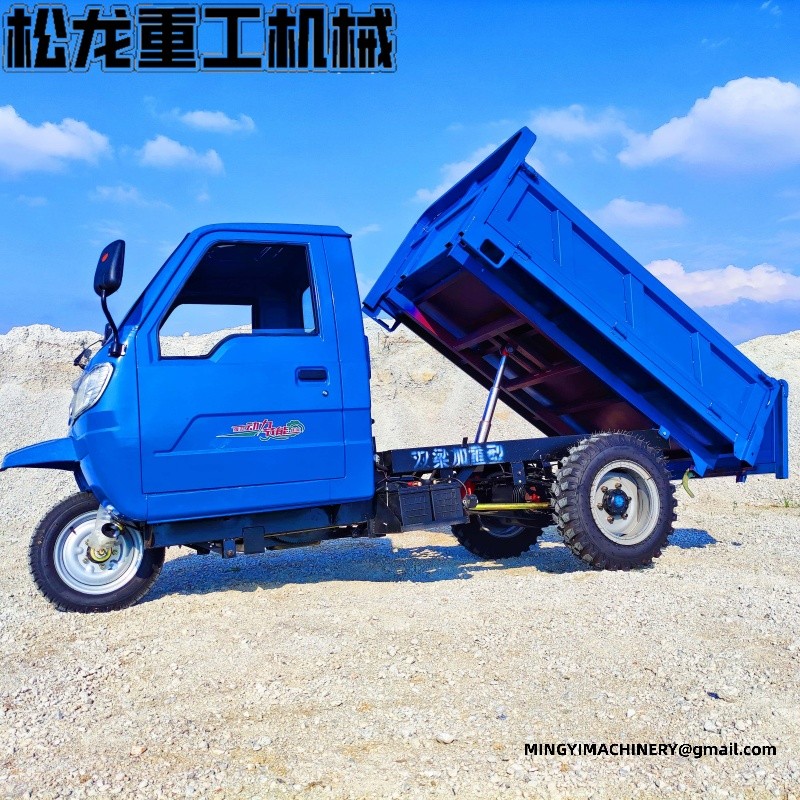
Short hauls on and around a site are the natural duty. Moving block, sand and tools across ground too rough or too narrow for a truck is what the unit in daily use does better than anything else at the specification. Municipal and maintenance work is a third fit. Carrying tools, green waste and small loads through parks, lanes and footpaths is exactly the duty a machine of this size is sized for.
Fuel is usually the largest controllable running demand. Operating style, correct tyre or track condition and a clean air supply all move consumption on the machine itself by more than most buyers expect. Consumption is best measured over a full week rather than judged per hour. Idle time, repositioning and waiting for other trades are often the largest share of the fuel the model in question burns on a site.
Ground decides more of the outcome than power does. Soft, wet or loose surfaces call for a wider footprint and lower ground pressure, while hard standing allows a narrower machine that turns in less space and travels faster between tasks.
Slopes and edges deserve a separate check. A machine built for the work that is stable on level ground behaves differently across a gradient, and the safe working angle is a number worth knowing rather than estimating.
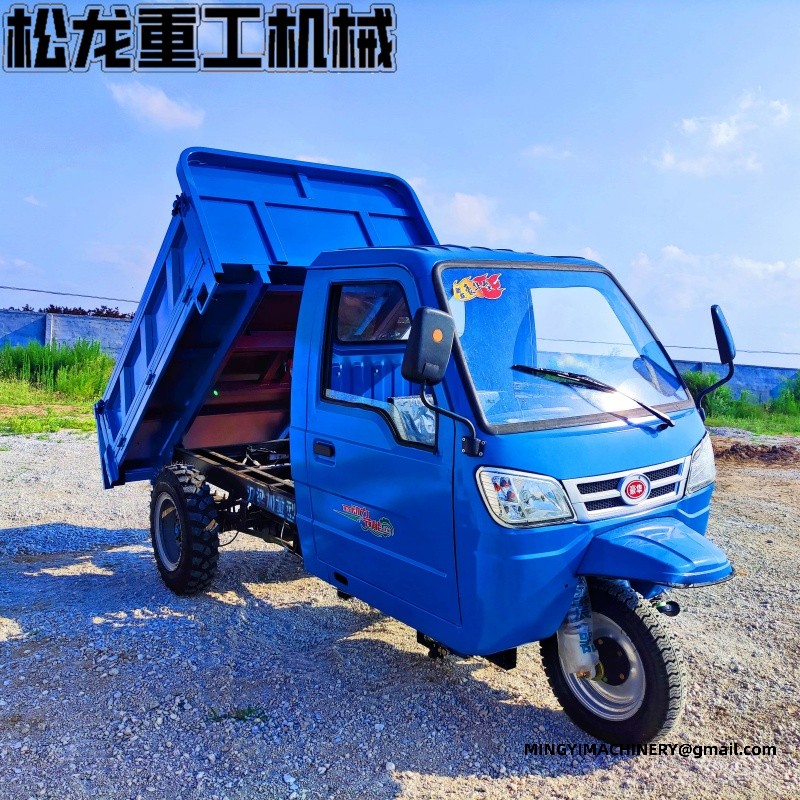
Wheel bearings and alignment are routine checks. Play in a wheel of the tricycle shows up as wandering and uneven tyre wear, and it is simple to correct when noticed early.
Early faults are usually simple. This class of machine that behaves differently in its first few hours is more often mis-set than defective, and a call to the supplier at that point usually resolves it the same day.
The variants below are the tricycles in this range. Gearbox, engine, tyres and body size are specified together, because the route and the material decide all four before any single figure matters.
| Model | Engine | Tyres | Body size |
|---|---|---|---|
| 4-speedtricycle | ZS 1105 18 hp | front 500-14 ; rear 700-16 | 2.2 x 1.35 x 0.45 m engineering body |
| 7-speedtricycle | ZS 1105 18 hp | front 500-14 ; rear 700-16 | 2.2 x 1.35 x 0.45 m engineering body |
| compact 8-speedtricycle | ZS 1105 18 hp | front 500-14 ; rear 700-16 | 2.2 x 1.35 x 0.45 m engineering body |
| 8-speedtricycle | ZS 1105 18 hp | front 500-14 ; rear 700-16 | 2.2 x 1.35 x 0.45 m engineering body |
| offsettricycle | ZS 1105 18 hp | front 500-14 ; rear 700-16 | 2.2 x 1.35 x 0.45 m engineering body |
| Item | Note |
|---|---|
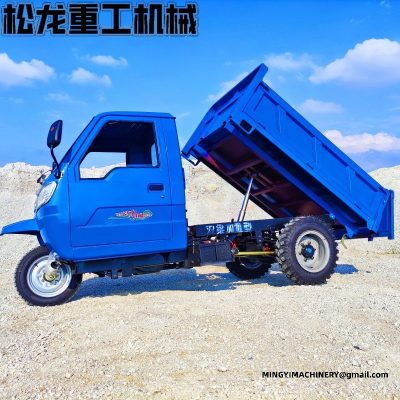
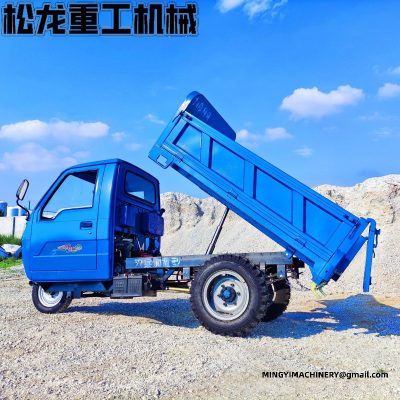
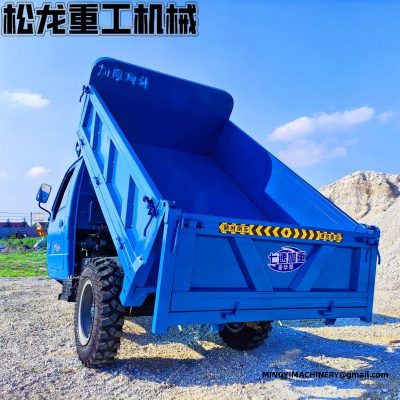
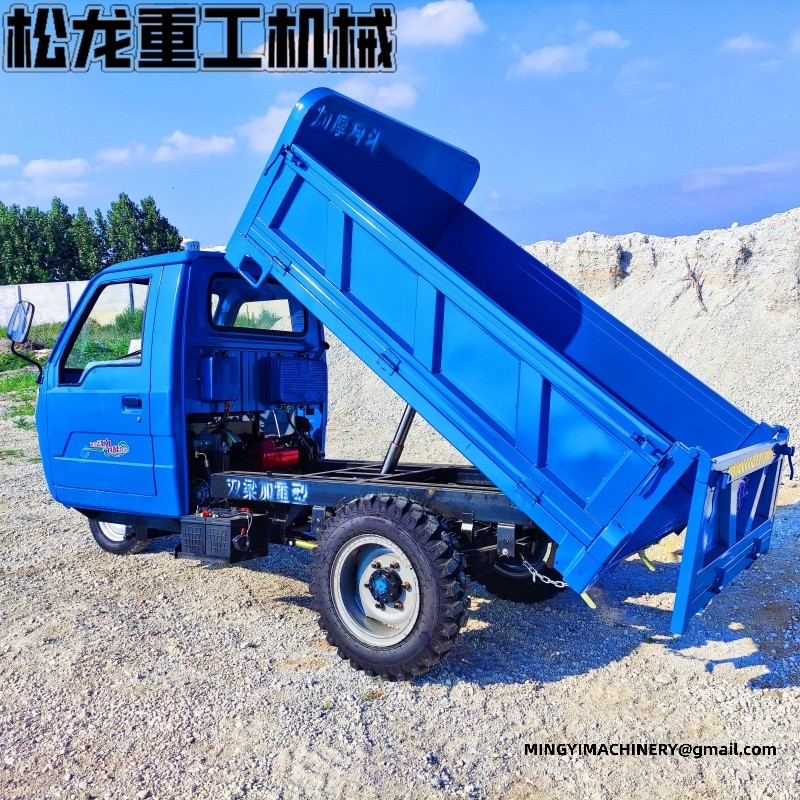
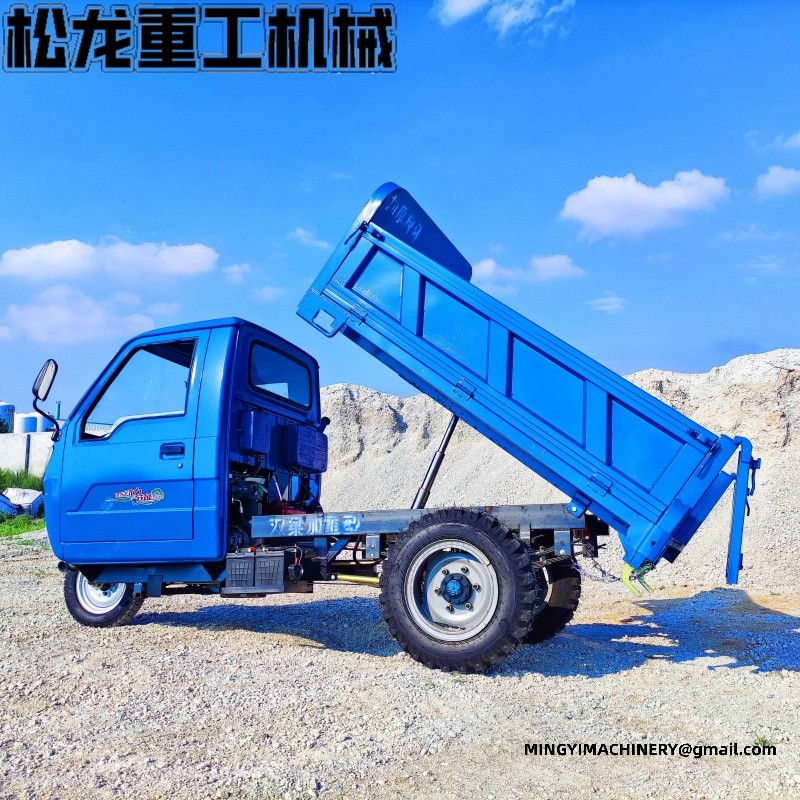
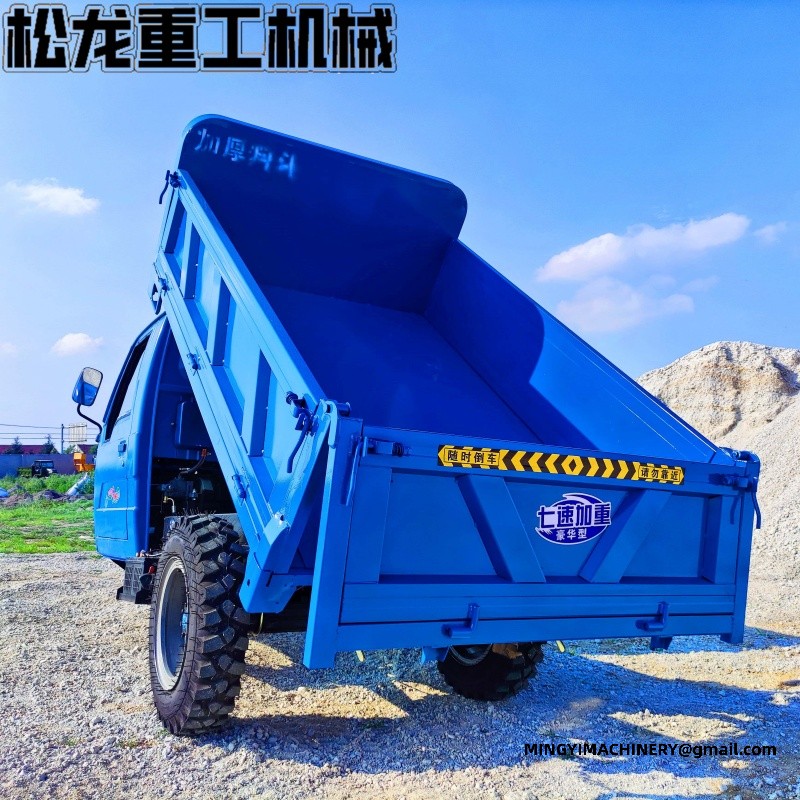
| Body and tipping | Three-way tipping body with side boards; body width can be widened on order. |
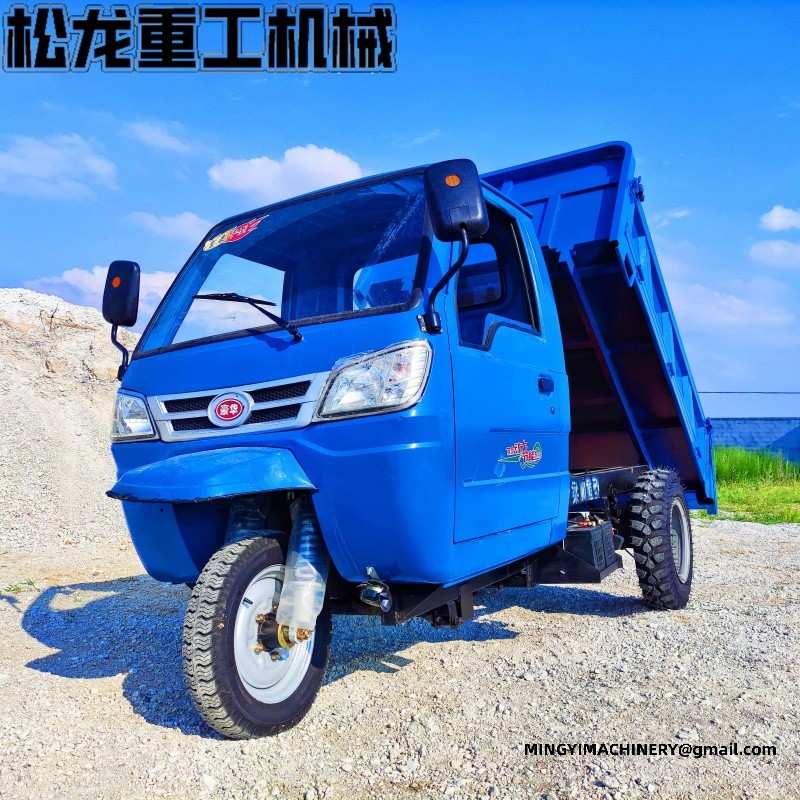
| Brakes and running gear | Vacuum assisted brake, twin shock absorbers and a double seat are available. |
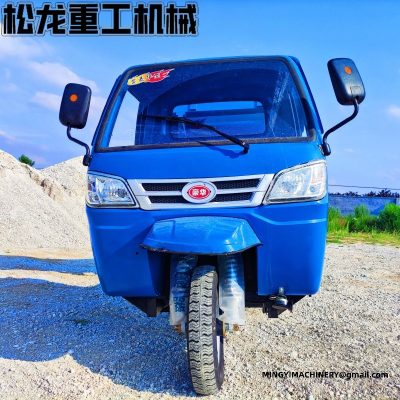
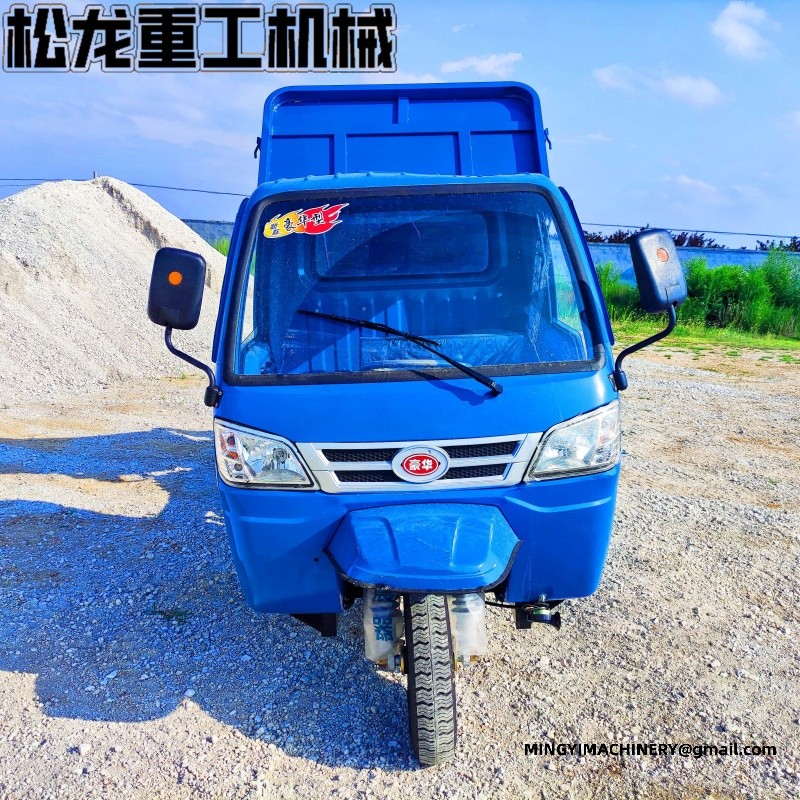
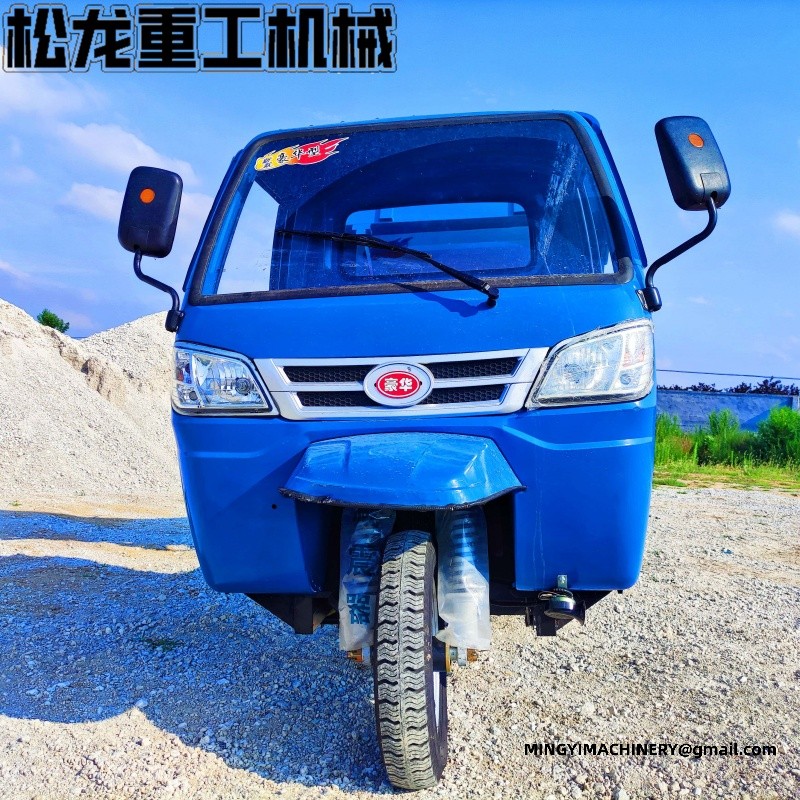
| Cab and canopy | Simple canopy, deluxe canopy or fully enclosed cab are the three options. |
| Engine options | Higher output engines and 24 V heavy duty start are offered for loaded hill work. |
Rubber, seals and hoses age whether the machine works or not. Keeping the machine itself out of direct sun and off damp ground slows that, and running it briefly at intervals keeps everything moving.
The first hour on site should be slow. Before the machine in that duty is put to work the fluid levels are rechecked after transport, the fasteners are gone over and the machine is run light so that anything loosened in transit shows up early.
The paperwork matters as much as the packing. Serial numbers, dimensions and weights recorded for a machine built for the work at loading are the same figures the destination needs, and a mismatch here loses more days than the voyage itself.
Operators who come from a different machine need a short conversion. The controls on the tricycle follow the usual pattern, but the response, the sightlines and the stopping distance are learned by doing rather than by reading.
The symptom is usually not at the fault. A hydraulic function that has become sluggish on the unit in daily use may point to a filter, a relief setting or a pump, and starting with the simple checks avoids the wrong guess.
A cold start is easier when the machine is prepared the night before. The routine that keeps the equipment on site working through winter is mostly a matter of fuel, battery and patience in the first ten minutes of the day.
The machine is only half of what arrives. The parts book, the service schedule and the declarations that come with the model in question are what let the owner register, insure and maintain it without a second round of emails.
Tropical operation is a specification question as much as a maintenance one. The cooling capacity, the sealing and the corrosion protection fitted to the unit on the job are what make the difference once the ambient temperature rises.
Every line above comes from the build sheet for a machine built for the work, and the final configuration is confirmed against the working conditions and the destination before production.
E-mail:sales@mingycn.com
LINE(ID):mingyicn