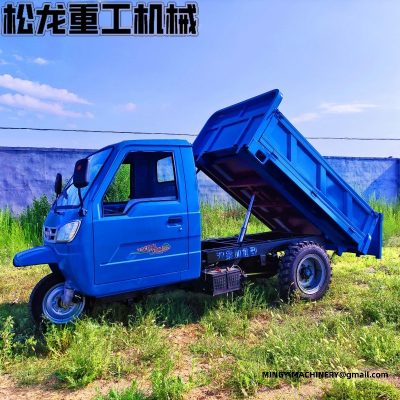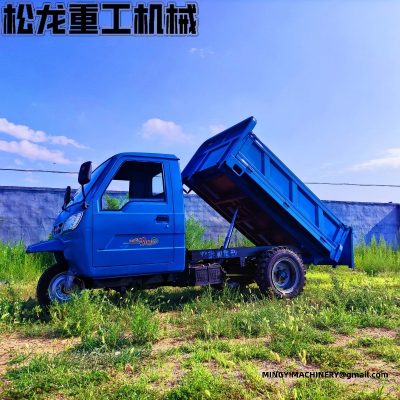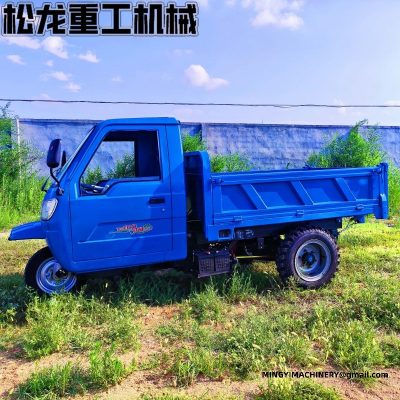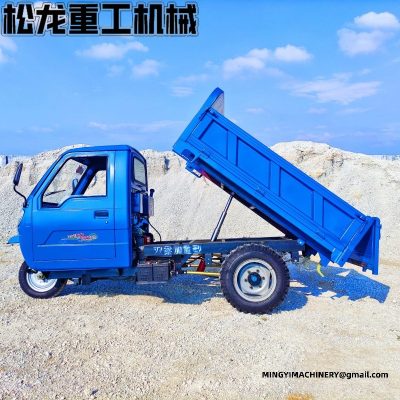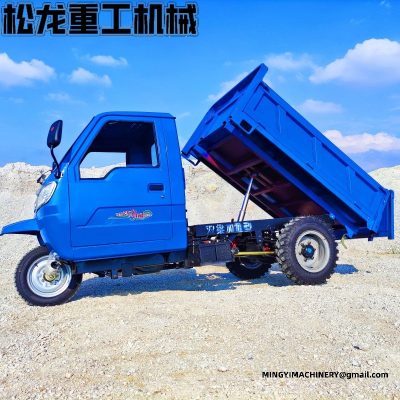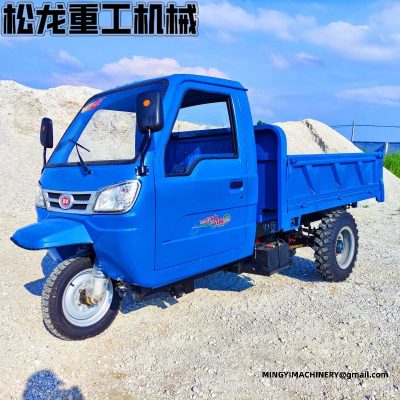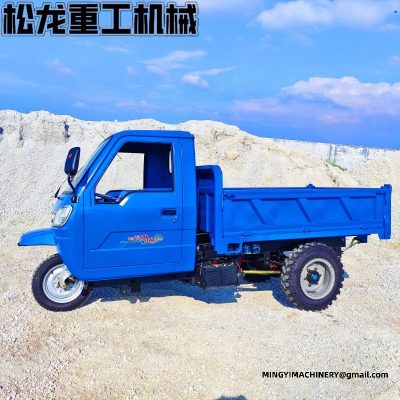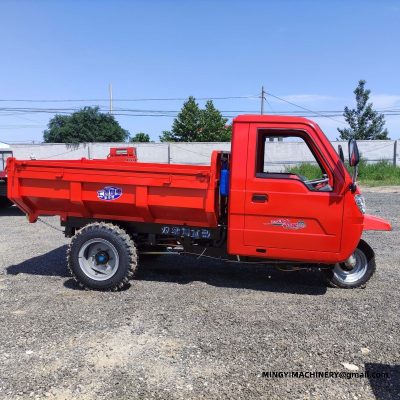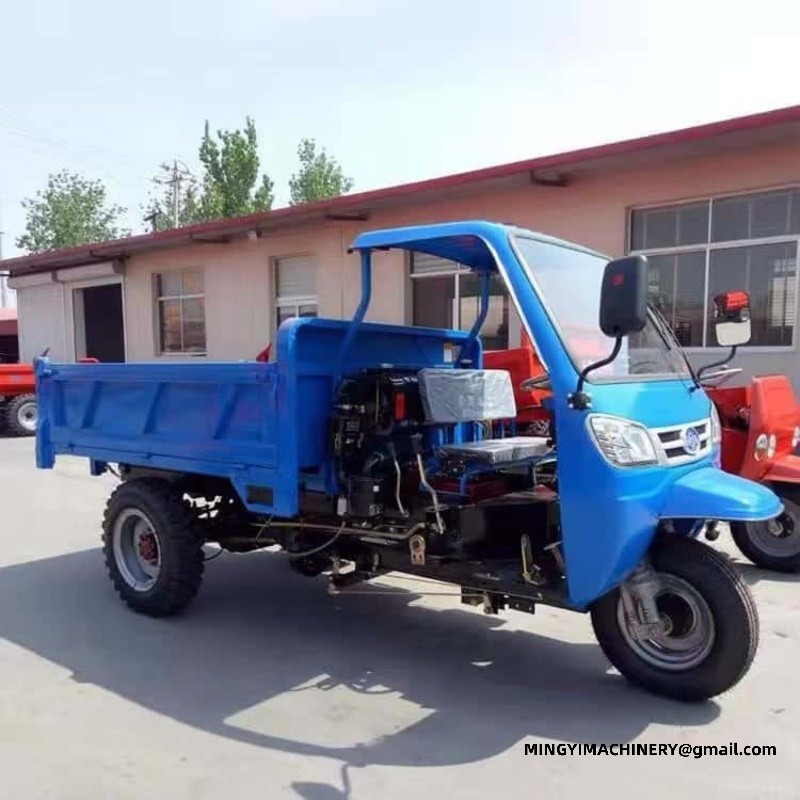
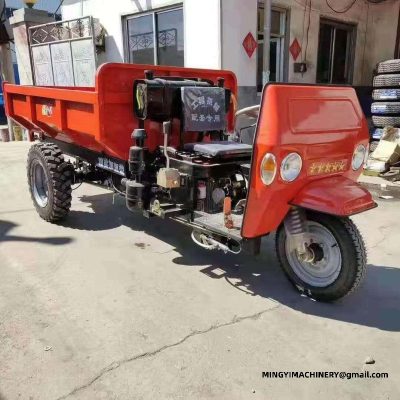
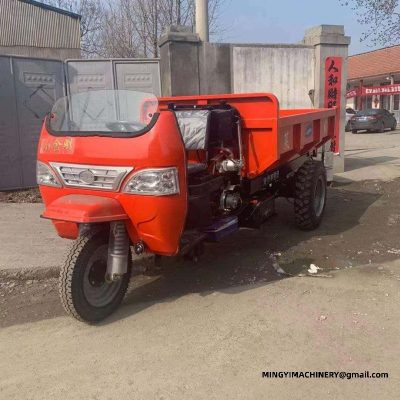
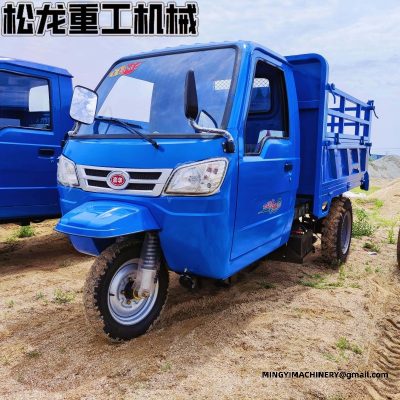
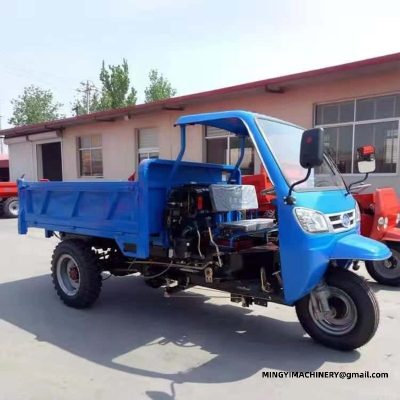
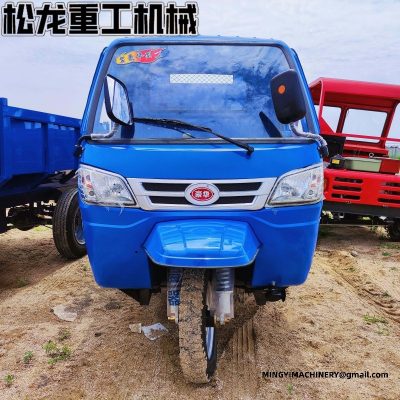
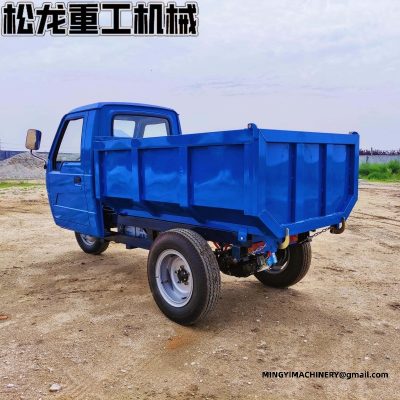
The tricycle is a working machine, and the useful questions are the unglamorous ones. How long does it run between services, what does it need from the operator, how is it moved and what happens when a part is needed. Those are answered below in that order.
Buyers who specify this class of machine on paper before enquiring get specifications that can be compared. Without that list, two suppliers will propose two different machines and the simpler one is usually the smaller one, not the better value.
Resale starts at purchase. Specification choices, service records and the condition of wearing parts are what a buyer looks at, and the unit in daily use that has been maintained on schedule is worth more than one that merely looks clean. Records are part of the asset. Keeping the service history and the hour records with a machine of this size makes it easier to sell, easier to insure and easier to justify the replacement machine internally.
Wear rate follows conditions far more than hours. The equipment on site working on abrasive ground or in mud will consume undercarriage or tyre life much faster than the same machine on clean ground. Replacing wear items early is usually simpler. Worn components on the machine itself load the parts they run against, so a worn part left too long often becomes a major repair.
The order should state the configuration in writing. Engine, attachments, colour, documents and any market requirement are clearer on the build sheet for the model in question than in a conversation after delivery.
Machine productivity depends on what happens around it. Deliveries, other trades and the sequence of work decide how much of the shift the machine in that duty spends actually working rather than waiting. Sequencing avoids rework. Doing the work in the order that suits the ground and the following trades keeps the unit on the job productive and prevents finishing a task that then has to be opened up again.
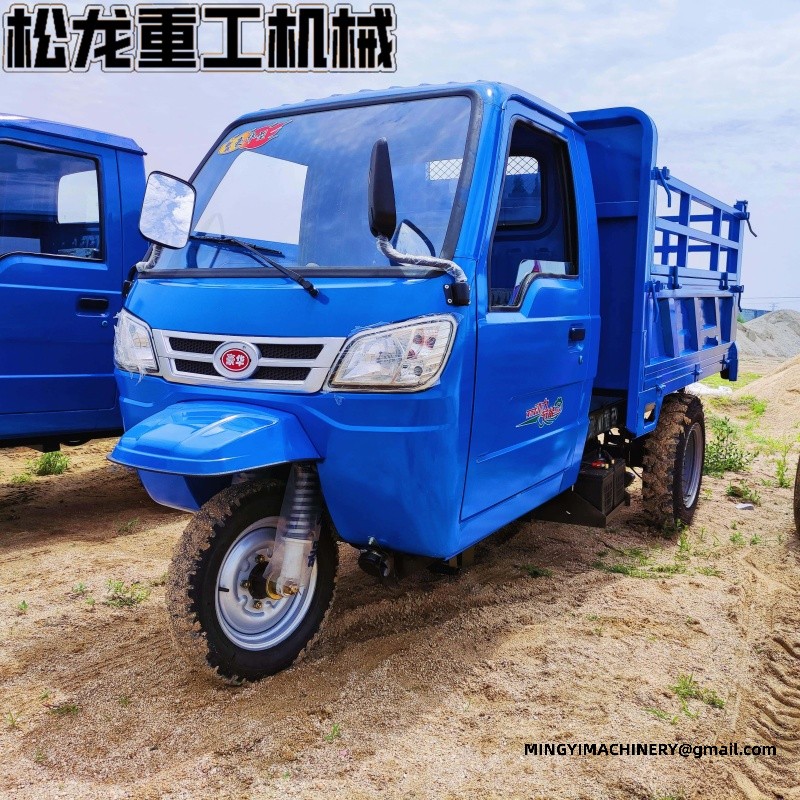
The base machine is only as useful as the tool on the end of it. Matching the attachment to the task - rather than to what arrived with the machine - is what lets one a machine built for the work cover several jobs across a week.
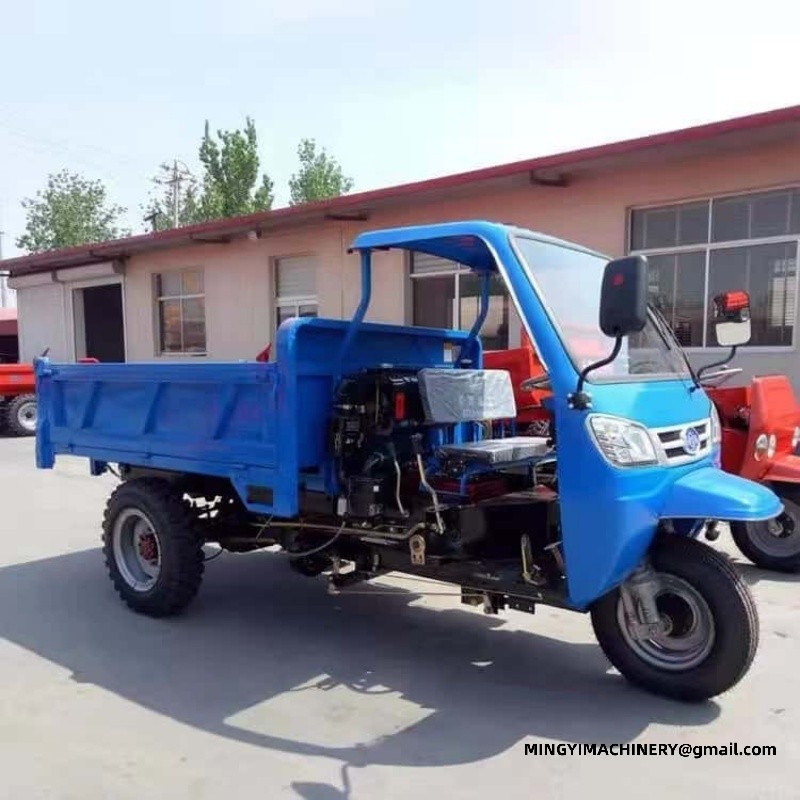
The route is the specification. Gradient, surface, gate widths and the number of trips per day decide more about the equipment in service than any single figure on a data sheet. Writing the duty down makes specifications comparable. Two suppliers given the same route and load for the tricycle will specification sensibly, while without it the simpler specification is usually the smaller machine. Options are simpler at build than later. Body width, canopy, brake assistance and the gearbox on this class of machine are all build items, and retrofitting them takes more than specifying them once.
Consumption is best measured over a full week rather than judged per hour. Idle time, repositioning and waiting for other trades are often the largest share of the fuel the unit in daily use burns on a site. Planning the work to reduce empty movement is free. Fewer repositioning cycles on a machine of this size means less fuel, less wear on the undercarriage or tyres and more of the shift spent on productive work.
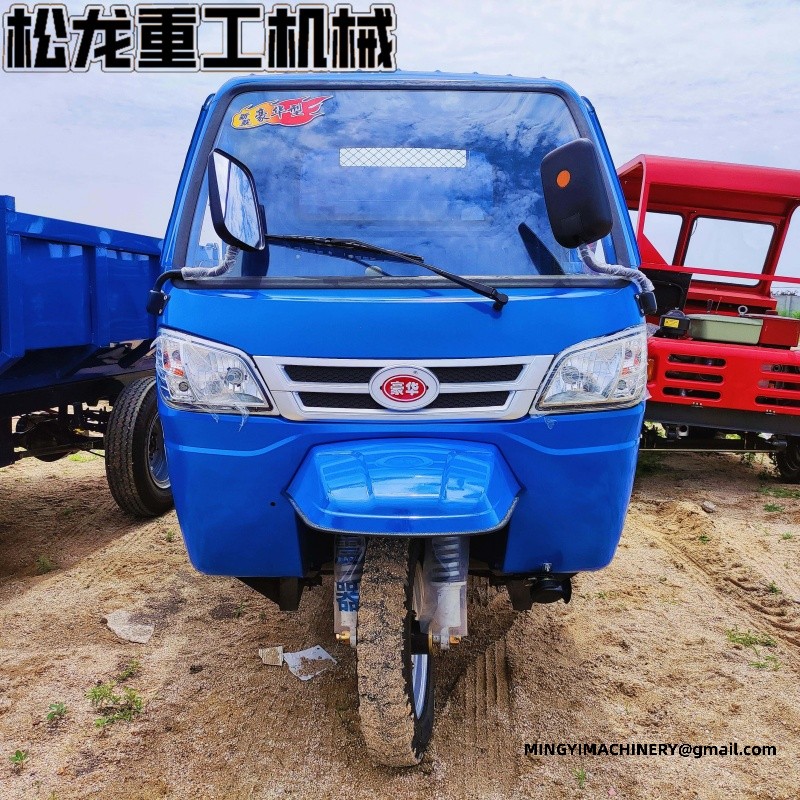
Stability follows the load and its position. Knowing the rated capacity of the machine itself at the working radius, rather than at its best case, is what keeps handling predictable and the machine upright. Carrying and travelling with a load needs its own plan. Speed, gradient and surface all matter more once the model in question is loaded, and the safe combination is the conservative one.
Most failures start as something small that a walk-around would have caught. Fluid levels, belt tension, tyre or track condition and any fresh leak are the items worth two minutes at the start of each shift on the unit on the job. Service intervals exist because wear is predictable. Following the maker schedule on a machine built for the work takes far less time than repairing the damage that follows a missed oil change or a filter left in place past its life. A simple log helps. Recording hours, fuel and any adjustment made to the equipment in service gives the workshop a history, and that history is what turns an intermittent fault into a one-visit repair instead of three.
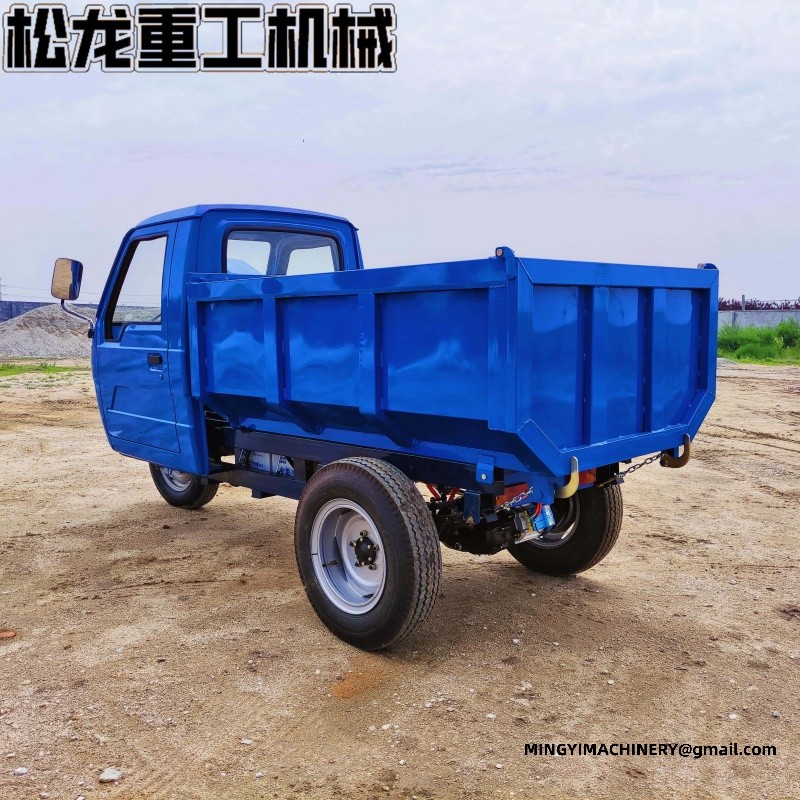
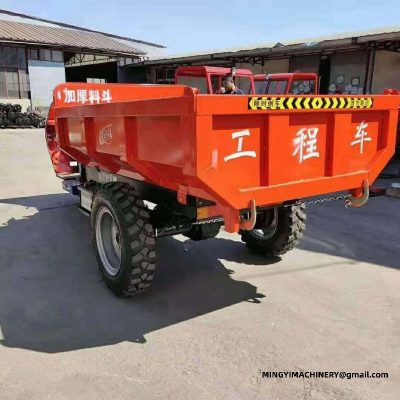
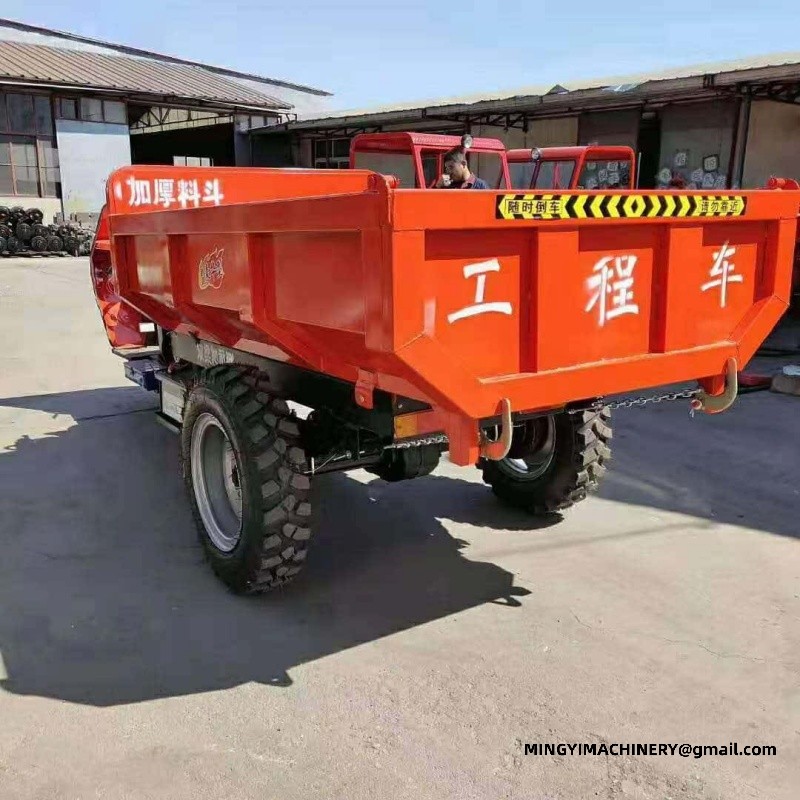
Load distribution matters on three wheels. Spreading the load across the body of this class of machine rather than heaping it at the back keeps the steering light and the braking predictable.
Puncture resistance is worth specifying. Sites with scrap, block and sharp stone destroy standard tyres, and a machine of this size specified for that work avoids a daily delay.
Fleet value comes from interchangeability. Operators who can step between machines without retraining, and a workshop that stocks one set of filters, keep utilisation higher than a fleet of individually optimised units.
Machine output varies more between operators than between brands. Smooth, planned movements put less load on the structure and use less fuel, and that difference is visible on the hour meter and in the service bills for the machine itself. A short handover pays for itself. Operators who understand why the model in question is set up the way it is will report a change in behaviour early, which is usually the point where a repair is simplest.
Documentation should be agreed at order stage. The commercial invoice, packing list and any certificate required at destination are part of shipping the unit on the job, and missing papers delay clearance longer than the voyage takes.
Working after daylight changes the risk. Lighting coverage on the tricycle and across the working area, plus high-visibility clothing for anyone on foot, are the items that make low-light work practical. Visibility from the seat is different at night. Reflections, shadows and glare all hide detail, so the equipment in service used after dark benefits from clean lenses, working wipers and a slower working pace. Planning helps more than extra lamps. Positioning the this class of machine so that the work is lit from the machine side, and keeping the route clear, does more for safety than adding light to a badly planned task.
Standing still is hard on machinery. A machine of this size left for weeks benefits from a clean, dry, covered space, a charged battery and a fuel system prepared for the layoff, and all three effort very little. A periodic start is better than none. Running the equipment on site to operating temperature during a long layoff keeps seals and the charging system in better condition than leaving it untouched until the next job.
Moving the machine is part of owning it. Overall length, width and height decide which trailer or container the model in question fits, and a machine that needs a permit or an abnormal load escort is a machine with a delivery delay built in. Owners who work across several sites should check the transport dimensions before ordering. The machine in that duty that fits a standard trailer can be moved by any operator with a suitable vehicle, while an over-width machine narrows that choice and complicates every move.
Support after delivery is a parts question. Filters, belts, hoses and the wearing items specific to a machine built for the work are what a buyer should plan to hold before the first service interval rather than order after a failure. Parts availability usually decides the engine and the brand. A machine built around components the local network already carries is serviced from stock, which is the difference between a day lost and a week lost. Remote diagnosis shortens most faults. A walk-around on video with the panels open often identifies the cause on the equipment in service without waiting for a visit, and avoids shipping a part that turns out not to be needed.
The variants below are the tricycles in this range. Gearbox, engine, tyres and body size are specified together, because the route and the material decide all four before any single figure matters.
| Model | Engine | Tyres | Body size |
|---|---|---|---|
| 7-speedtricycle | ZS 1105 18 hp | front 500-14 ; rear 700-16 | 2.2 x 1.35 x 0.45 m engineering body |
| offsettricycle | ZS 1105 18 hp | front 500-14 ; rear 700-16 | 2.2 x 1.35 x 0.45 m engineering body |
| 4-speedtricycle | ZS 1105 18 hp | front 500-14 ; rear 700-16 | 2.2 x 1.35 x 0.45 m engineering body |
| 8-speedtricycle | ZS 1105 18 hp | front 500-14 ; rear 700-16 | 2.2 x 1.35 x 0.45 m engineering body |
| compact 8-speedtricycle | ZS 1105 18 hp | front 500-14 ; rear 700-16 | 2.2 x 1.35 x 0.45 m engineering body |
| Item | Note |
|---|---|
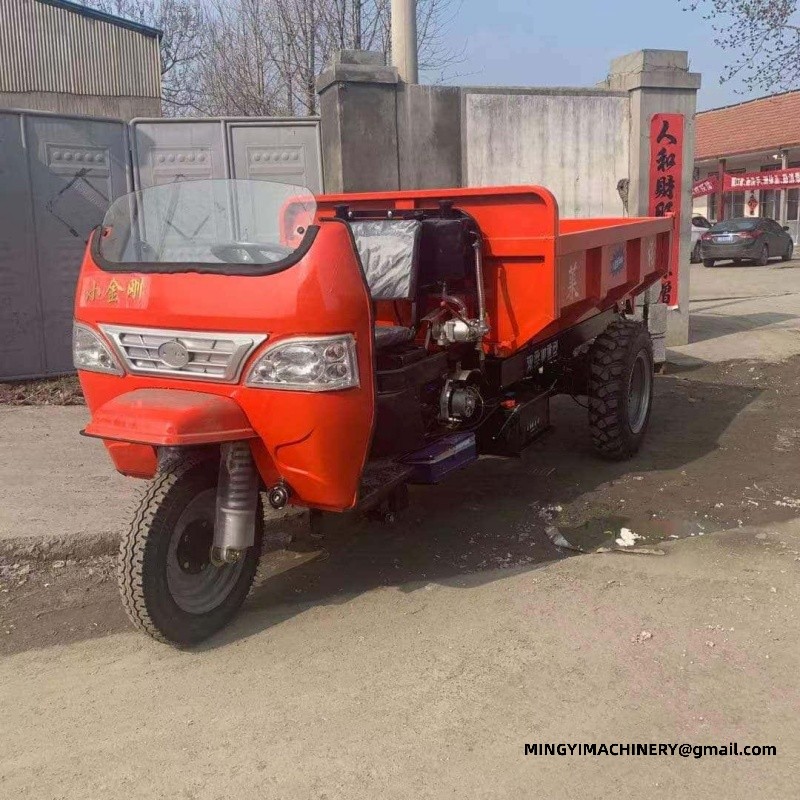
| Body and tipping | Three-way tipping body with side boards; body width can be widened on order. |
| Engine options | Higher output engines and 24 V heavy duty start are offered for loaded hill work. |
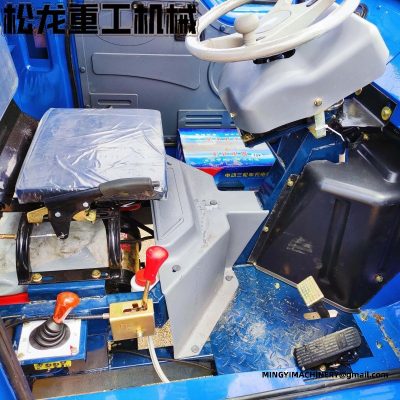
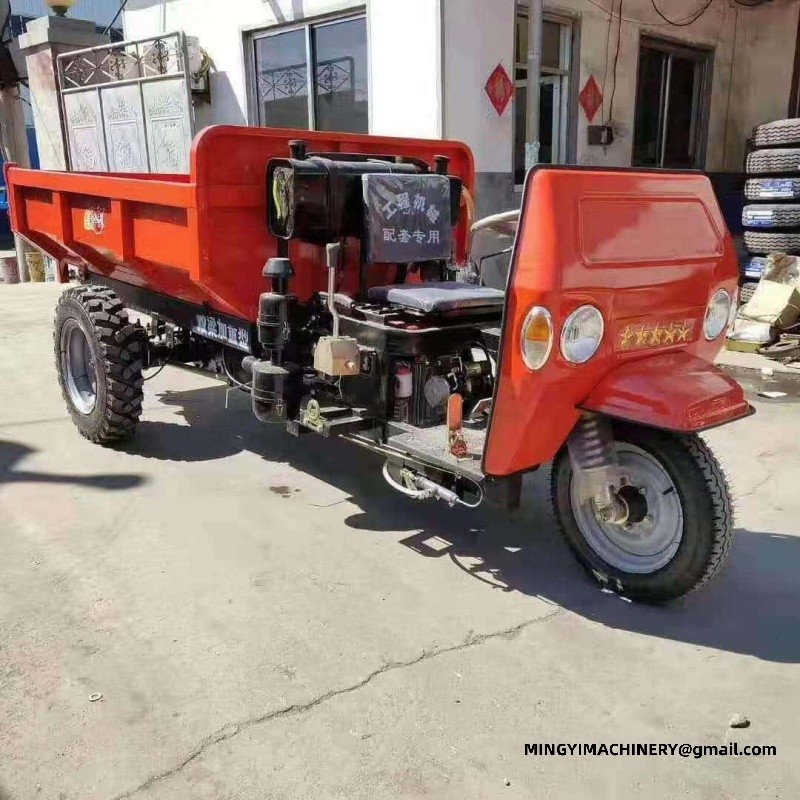
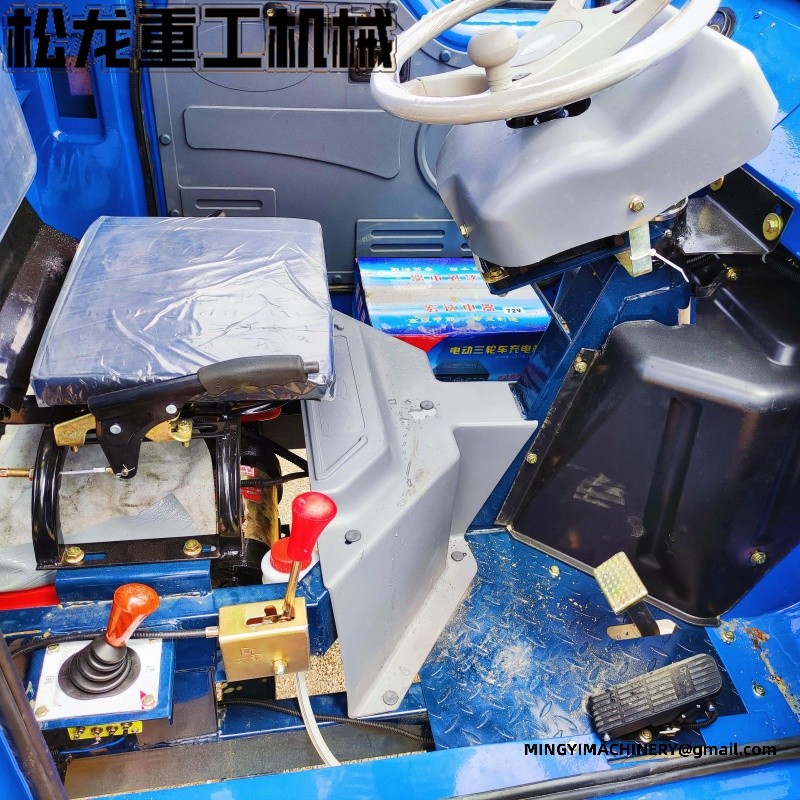
| Cab and canopy | Simple canopy, deluxe canopy or fully enclosed cab are the three options. |
| Brakes and running gear | Vacuum assisted brake, twin shock absorbers and a double seat are available. |
Commissioning is where the specification meets the ground. The settings chosen for a machine of this size are confirmed against the actual site, and the working pattern is adjusted before the machine is asked for a full day.
The calendar decides more than the specification does. Planning when the machine itself will be working, when it will be serviced and when it can be spared keeps the maintenance out of the weeks that matter.
How a machine travels decides how it starts on arrival. Securing the machine in that duty against movement, protecting the exposed cylinders and keeping the battery and fluids in the right state for the voyage all belong to the packing list.
Training is simpler than repair. An hour spent with a new operator on a machine built for the work, covering the limits and the awkward cases, is the least lengthy hour in the whole ownership.
Most engine trouble starts with what went into the tank. Clean fuel, stored properly and filtered before it reaches the tricycle, prevents more downtime than any other single habit an owner can adopt.
Operators who come from a different machine need a short conversion. The controls on the unit in daily use follow the usual pattern, but the response, the sightlines and the stopping distance are learned by doing rather than by reading.
A cold start is easier when the machine is prepared the night before. The routine that keeps the equipment on site working through winter is mostly a matter of fuel, battery and patience in the first ten minutes of the day.
The record should follow the machine, not the owner. When the model in question changes hands the service history travels with it, and a complete folder is often the difference between a quick sale and a long one.
Every line above comes from the build sheet for the machine in that duty, and the final configuration is confirmed against the working conditions and the destination before production.
E-mail:sales@mingycn.com
LINE(ID):mingyicn