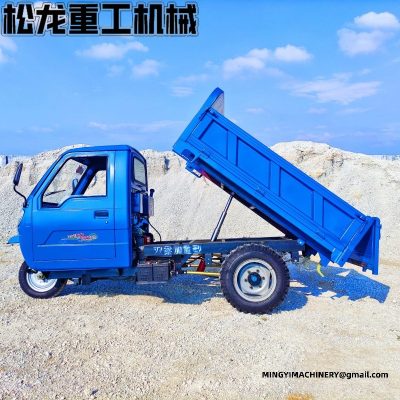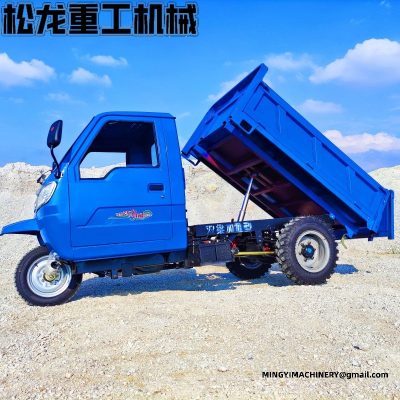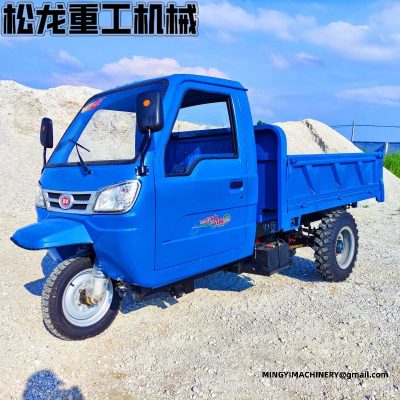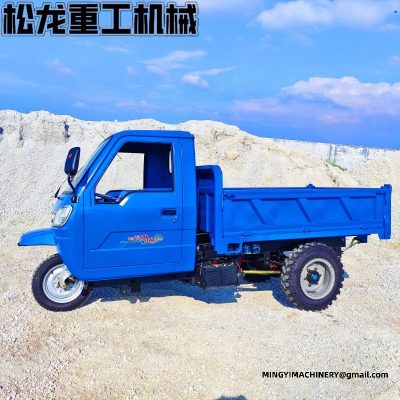
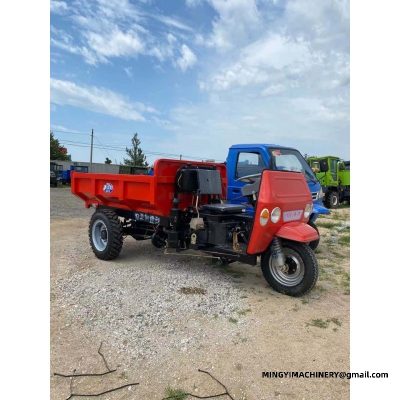
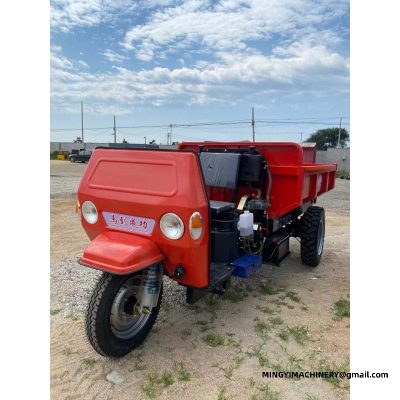
Buyers comparing the tricycle are usually weighing the same few things, among them working range, the width of the access, the surface it runs on and how quickly it can be serviced. This page takes each in turn and leaves the numbers together at the end.
Lead time is part of the specification. Confirming build time, shipping method and what is included before ordering this class of machine prevents the common gap between when the machine is needed and when it can arrive. Delivery planning includes the receiving end. Knowing whether the unit in daily use will be craned, driven or forked off, and whether the site can accept it, is settled before dispatch rather than on the day.
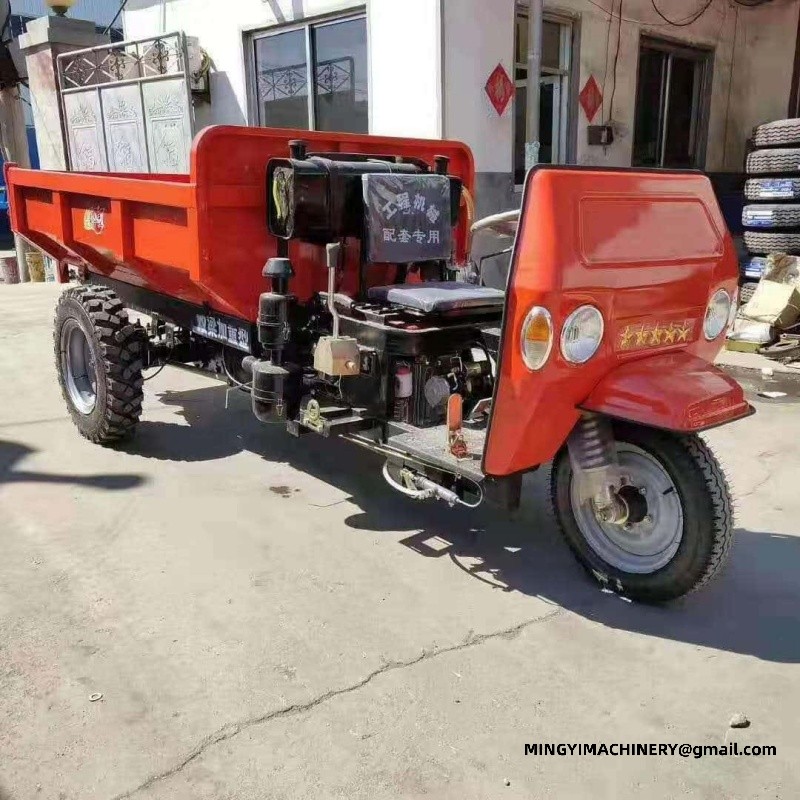
The route is the specification. Gradient, surface, gate widths and the number of trips per day decide more about a machine of this size than any single figure on a data sheet. Writing the duty down makes specifications comparable. Two suppliers given the same route and load for the equipment on site will specification sensibly, while without it the simpler specification is usually the smaller machine.
Brakes are the system that decides the safe payload. Testing the brakes on the machine itself loaded, on the gradient the route actually has, is the check that matters and the one most often skipped.
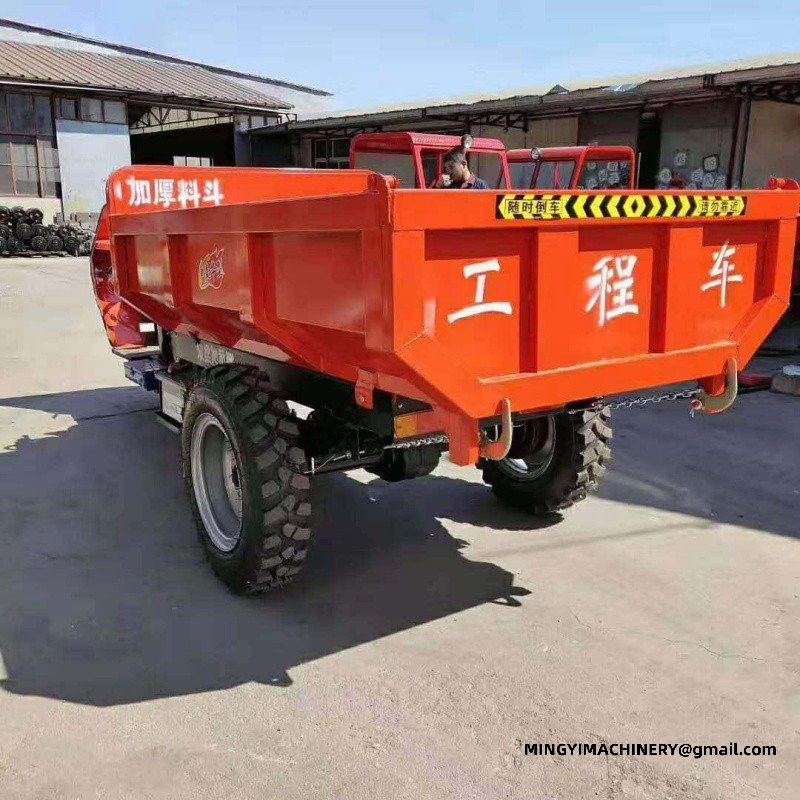
Puncture resistance is worth specifying. Sites with scrap, block and sharp stone destroy standard tyres, and the model in question specified for that work avoids a daily delay. Wheel bearings and alignment are routine checks. Play in a wheel of the machine in that duty shows up as wandering and uneven tyre wear, and it is simple to correct when noticed early.
The gearbox is chosen from the gradient and the load. The unit on the job with more ratios holds the engine in its working range on a hill, while fewer ratios suit flat yard work and short trips. Engine output follows the same logic. Where the route is flat and the load moderate, a machine built for the work with a modest output does the work for less fuel and less weight to carry. Driving style is most of the running effort. Pulling away gently, using the right gear and avoiding full throttle from rest on the equipment in service save fuel and driveline wear every single day.
The decision is economic as well as technical. Comparing the work of reconfiguring the tricycle against a different machine is a short calculation that usually gives a clear answer.
Slopes and edges deserve a separate check. This class of machine that is stable on level ground behaves differently across a gradient, and the safe working angle is a number worth knowing rather than estimating. Personal protective equipment and a stop rule are simple controls. Agreeing before work starts that anyone can stop the job is the single measure that most often prevents a serious incident near the unit in daily use.
Certain parts are designed to be consumed. Knowing which items on a machine of this size are wearing parts, and roughly how long they last in the duty the machine sees, turns replacement into a plan rather than a breakdown.
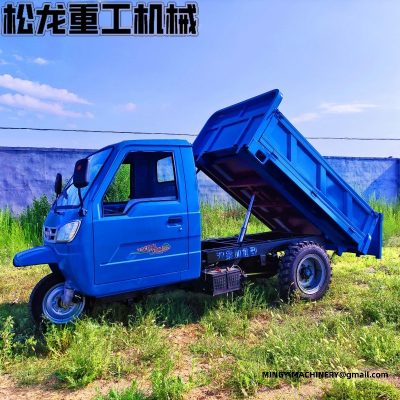
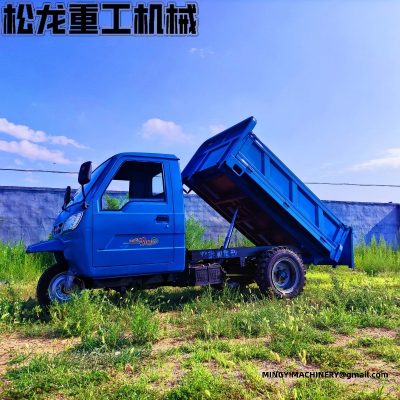
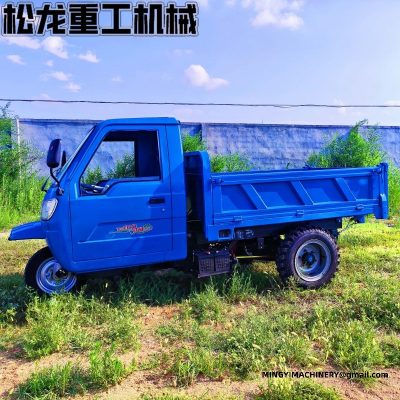
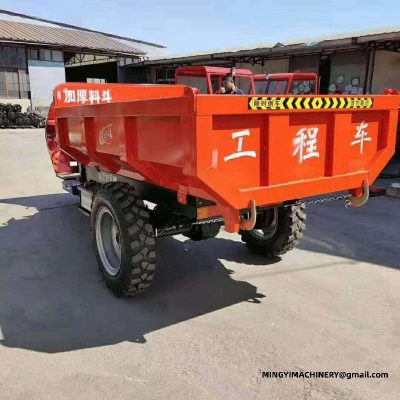
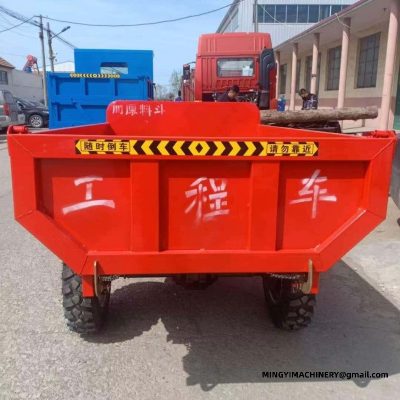
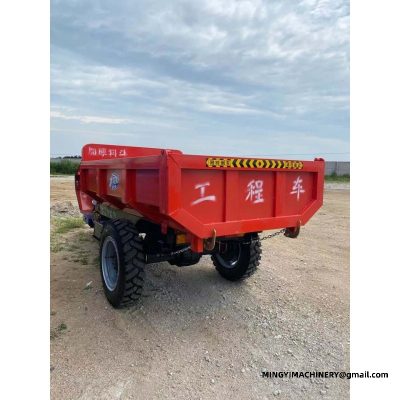
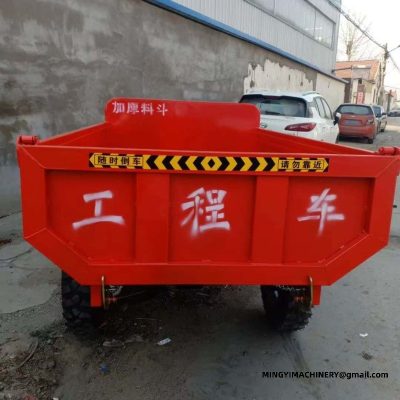
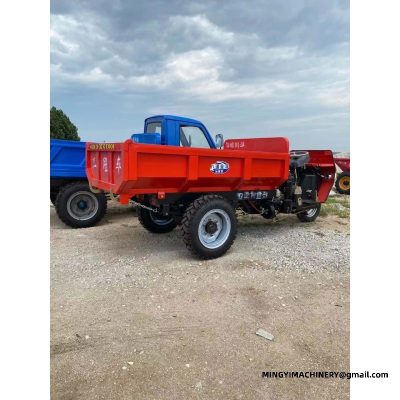
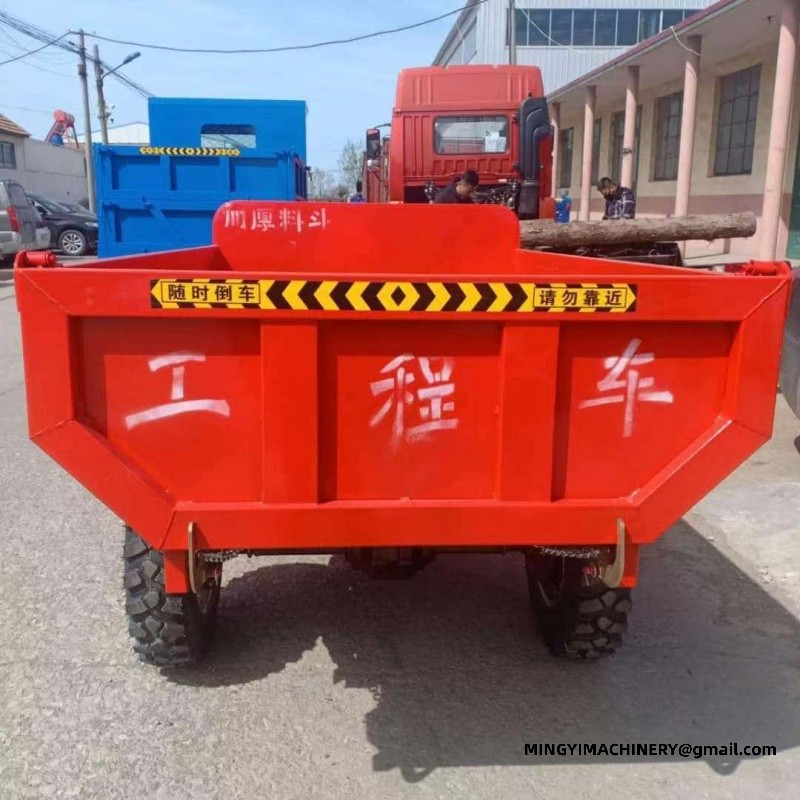
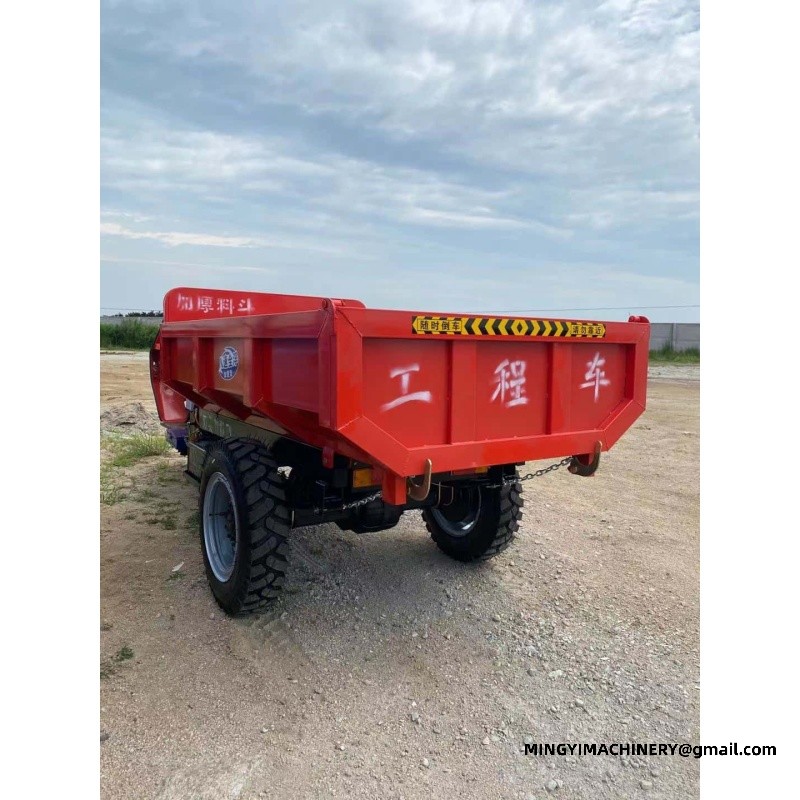
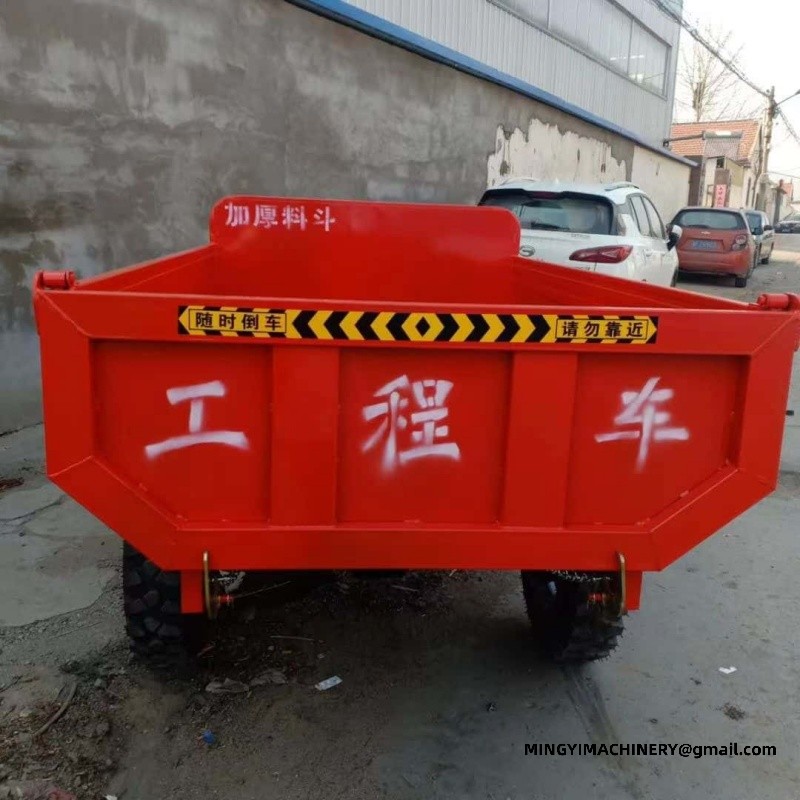
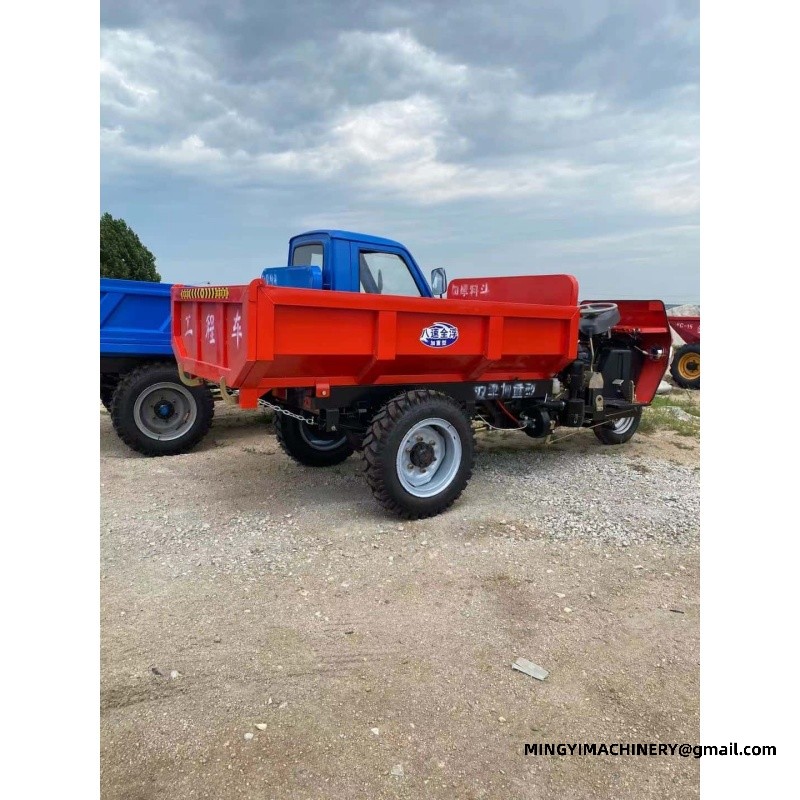
The body is what the machine is bought for. The machine itself with a tipping body and side boards carries material and empties it in one movement, and the body size is specified from the material rather than from the trip count. Overloading takes more than it saves. The model in question run above its rating wears tyres, brakes and the frame, and the saving in trips is usually spent on the repair.
Visibility from the seat is different at night. Reflections, shadows and glare all hide detail, so the unit on the job used after dark benefits from clean lenses, working wipers and a slower working pace.
The base machine is only as useful as the tool on the end of it. Matching the attachment to the task - rather than to what arrived with the machine - is what lets one the tricycle cover several jobs across a week. Attachment decisions are best made before delivery. Specifying hydraulics and couplers at build time is simpler than adding them later, and it avoids the downtime of a workshop visit in the first month. Most owners find that the second attachment changes how often the machine is used. The equipment in service that was bought for one task often becomes the general machine on site once a second tool is available.
Batteries and fluids are the parts that notice the cold first. The unit in daily use kept on a maintainer through a freezing spell starts on the first turn, while one left standing is the usual cause of a lost morning. Low temperatures also make materials behave differently. Ground that is frozen hard in the morning can be soft by midday, and planning the sequence around that is easier than fighting it with a machine of this size.
A short familiarisation session prevents the early faults. Most first-month problems on the machine itself come from unfamiliarity with controls, limits or checks rather than from the machine itself.
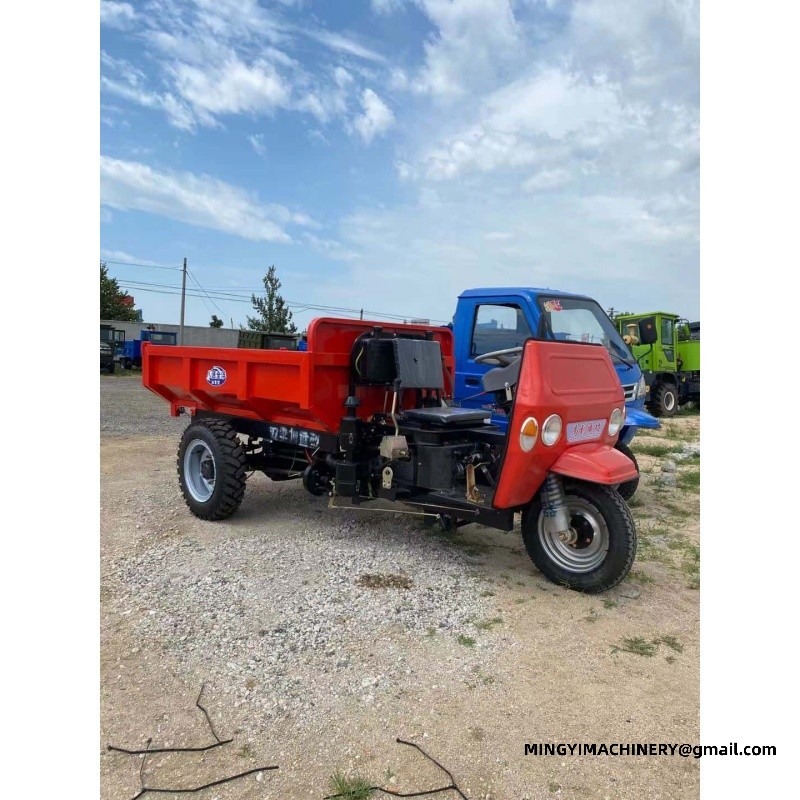
Most failures start as something small that a walk-around would have caught. Fluid levels, belt tension, tyre or track condition and any fresh leak are the items worth two minutes at the start of each shift on the machine in that duty. A simple log helps. Recording hours, fuel and any adjustment made to the unit on the job gives the workshop a history, and that history is what turns an intermittent fault into a one-visit repair instead of three.
Short hauls on and around a site are the natural duty. Moving block, sand and tools across ground too rough or too narrow for a truck is what the equipment in service does better than anything else at the specification.
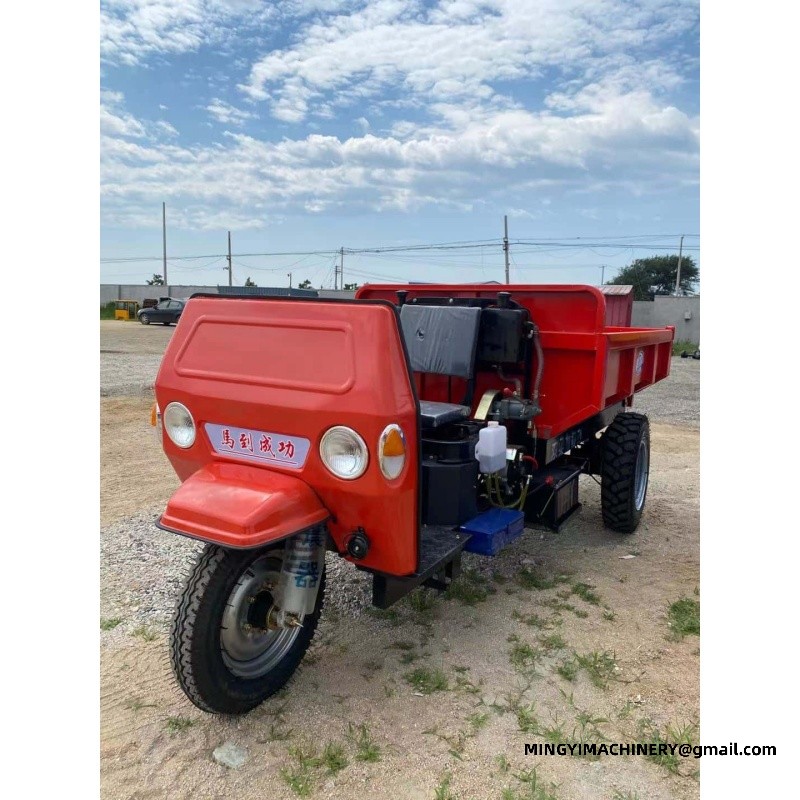
Fleet value comes from interchangeability. Operators who can step between machines without retraining, and a workshop that stocks one set of filters, keep utilisation higher than a fleet of individually optimised units. Utilisation matters more than the purchase decision over a few years. This class of machine that sits idle ties up the same yard space standing still as one that earns, so the buying decision should follow the hours the machine will realistically work.
Records are part of the asset. Keeping the service history and the hour records with the unit in daily use makes it easier to sell, easier to insure and easier to justify the replacement machine internally.
Build options are where a standard machine becomes the right machine. Colour, guarding, lighting, seating and hydraulic provisions can usually be set at build time on the equipment on site, and are far simpler then than as a retrofit.
Screen and wiper condition is a safety item. Being able to see clearly from the model in question in rain and low sun matters more than the comfort, and it is the simplest thing to put right.
Machine output varies more between operators than between brands. Smooth, planned movements put less load on the structure and use less fuel, and that difference is visible on the hour meter and in the service bills for the machine in that duty.
Moving the machine is part of owning it. Overall length, width and height decide which trailer or container a machine built for the work fits, and a machine that needs a permit or an abnormal load escort is a machine with a delivery delay built in. Shipping dimensions matter as much on export orders as they do locally. Confirming the packed size of the equipment in service before booking avoids re-booking freight after the machine is built.
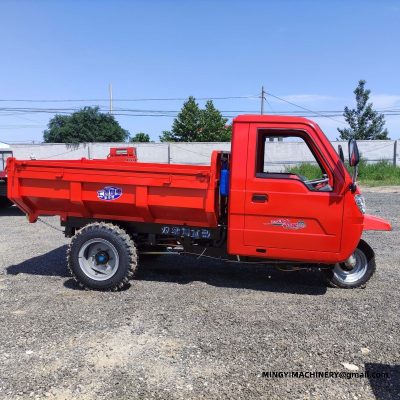
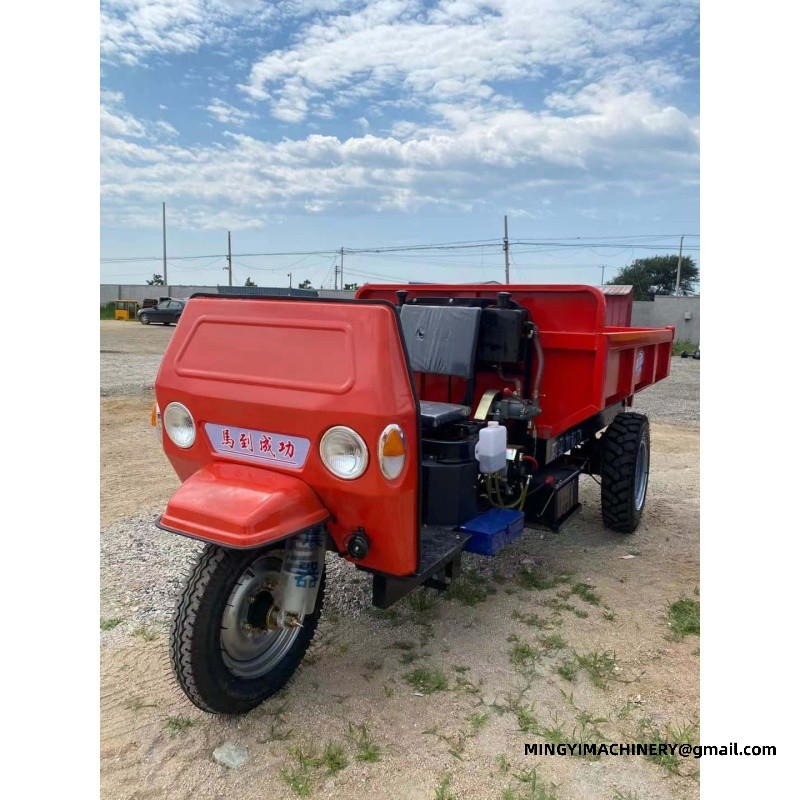
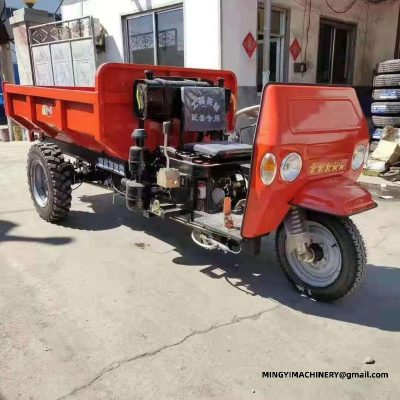
The variants below are the tricycles in this range. Gearbox, engine, tyres and body size are specified together, because the route and the material decide all four before any single figure matters.
| Model | Engine | Tyres | Body size |
|---|---|---|---|
| offsettricycle | ZS 1105 18 hp | front 500-14 ; rear 700-16 | 2.2 x 1.35 x 0.45 m engineering body |
| compact 8-speedtricycle | ZS 1105 18 hp | front 500-14 ; rear 700-16 | 2.2 x 1.35 x 0.45 m engineering body |
| 7-speedtricycle | ZS 1105 18 hp | front 500-14 ; rear 700-16 | 2.2 x 1.35 x 0.45 m engineering body |
| 4-speedtricycle | ZS 1105 18 hp | front 500-14 ; rear 700-16 | 2.2 x 1.35 x 0.45 m engineering body |
| 8-speedtricycle | ZS 1105 18 hp | front 500-14 ; rear 700-16 | 2.2 x 1.35 x 0.45 m engineering body |
| Item | Note |
|---|---|
| Engine options | Higher output engines and 24 V heavy duty start are offered for loaded hill work. |
| Body and tipping | Three-way tipping body with side boards; body width can be widened on order. |
| Brakes and running gear | Vacuum assisted brake, twin shock absorbers and a double seat are available. |
| Cab and canopy | Simple canopy, deluxe canopy or fully enclosed cab are the three options. |
A machine that only one person can use is a single point of failure. Training a second operator on a machine of this size takes a day and removes the dependency that otherwise governs holidays, illness and busy weeks.
Patterns show up in the record before they show up in the machine. Rising oil consumption or a filter that keeps blocking on the machine itself is obvious on paper long before it becomes a failure on site.
How a machine travels decides how it starts on arrival. Securing the machine in that duty against movement, protecting the exposed cylinders and keeping the battery and fluids in the right state for the voyage all belong to the packing list.
The machine is only half of what arrives. The parts book, the service schedule and the declarations that come with a machine built for the work are what let the owner register, insure and maintain it without a second round of emails.
Downtime is simplest when it is planned. Booking the service for the tricycle in the quiet part of the season takes nothing from the schedule, while the same work in the busy weeks gives up a day of output every time.
What the customer sees on arrival is decided before departure. The walk-around given to the unit in daily use covers the same points the operator will check on day one, so there are no surprises when the crate is opened at the destination.
Transport shakes things loose. A short check of the equipment on site after the crate is opened, covering the same points the pre-delivery inspection covered, is the most useful insurance available on delivery day.
Every line above comes from the build sheet for the machine itself, and the final configuration is confirmed against the working conditions and the destination before production.
E-mail:sales@mingycn.com
LINE(ID):mingyicn