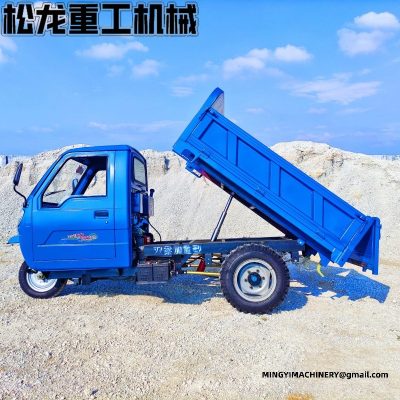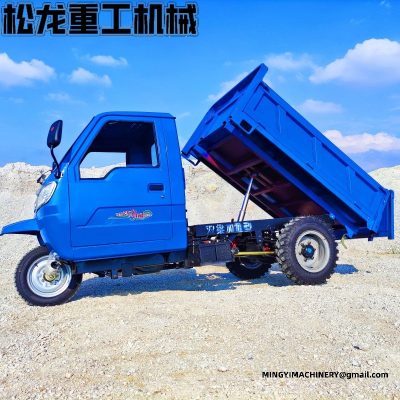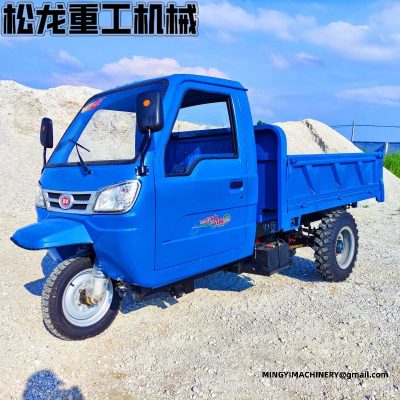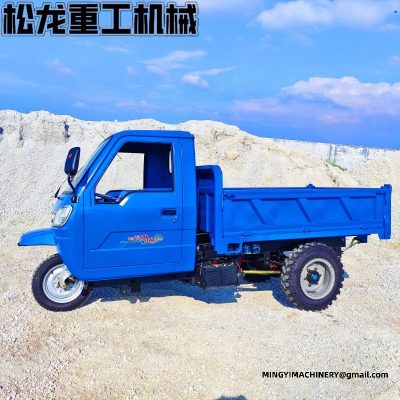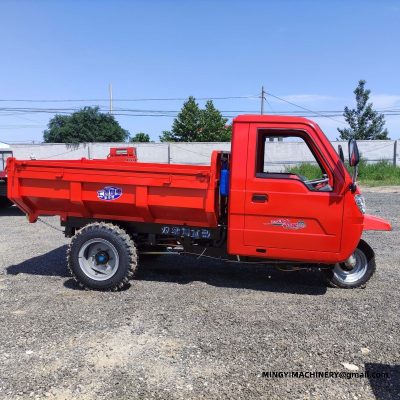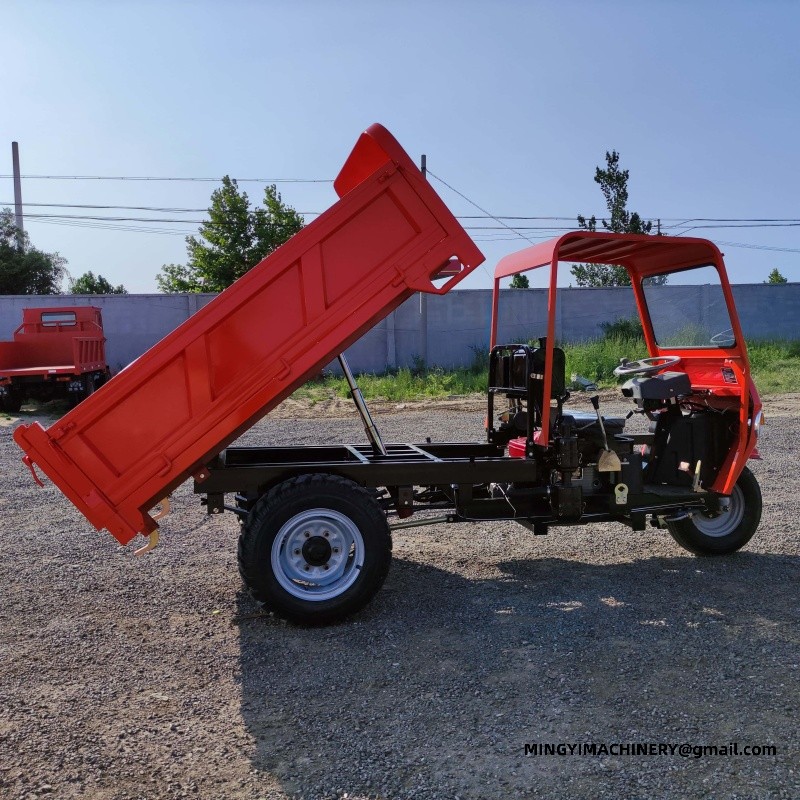
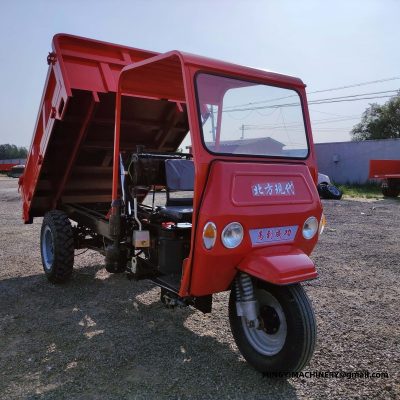
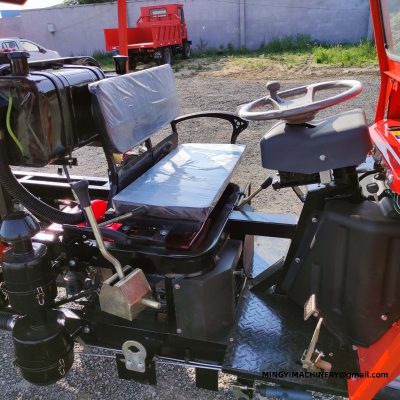
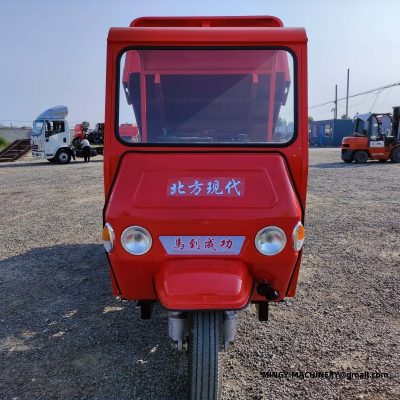
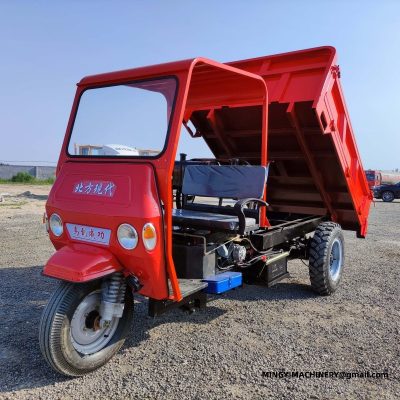
Nothing about the tricycle is complicated, but the details are easy to overlook. This page gathers them in one place, from the build and the daily checks through to transport, documents and the support that comes after delivery.
Most owners find that the second attachment changes how often the machine is used. This class of machine that was bought for one task often becomes the general machine on site once a second tool is available.
Abrasive conditions shorten service intervals. Air filters, seals and any exposed sliding surface on the unit in daily use need attention more often in dusty or muddy work, and the extra checks prevent far more wear than the time they take. Cleaning is maintenance, not appearance. Washing the cooling surfaces and clearing packed material from a machine of this size keeps temperatures where they should be and makes the next inspection quicker and more useful. Sealed points and guarded areas deserve a look in these conditions. The equipment on site working in abrasive dust benefits from checked boots, intact guards and clean breathers, all of which are quick to verify.
Carrying and travelling with a load needs its own plan. Speed, gradient and surface all matter more once the machine itself is loaded, and the safe combination is the conservative one.
Most incidents around machinery come from the space rather than the machine. Exclusion zones, a clear signal person and a check on what is behind the model in question before it moves cover the large majority of the risk on a working site.
Build options are where a standard machine becomes the right machine. Colour, guarding, lighting, seating and hydraulic provisions can usually be set at build time on the machine in that duty, and are far simpler then than as a retrofit. Fleet buyers often want consistency rather than variety. Specifying the unit on the job so that several units share controls, filters and service points reduces training time and keeps the parts shelf small. Customisation should still be limited to what the work needs. Each addition to a machine built for the work is another item to maintain, so the useful question is not what can be added but what the job list actually requires.
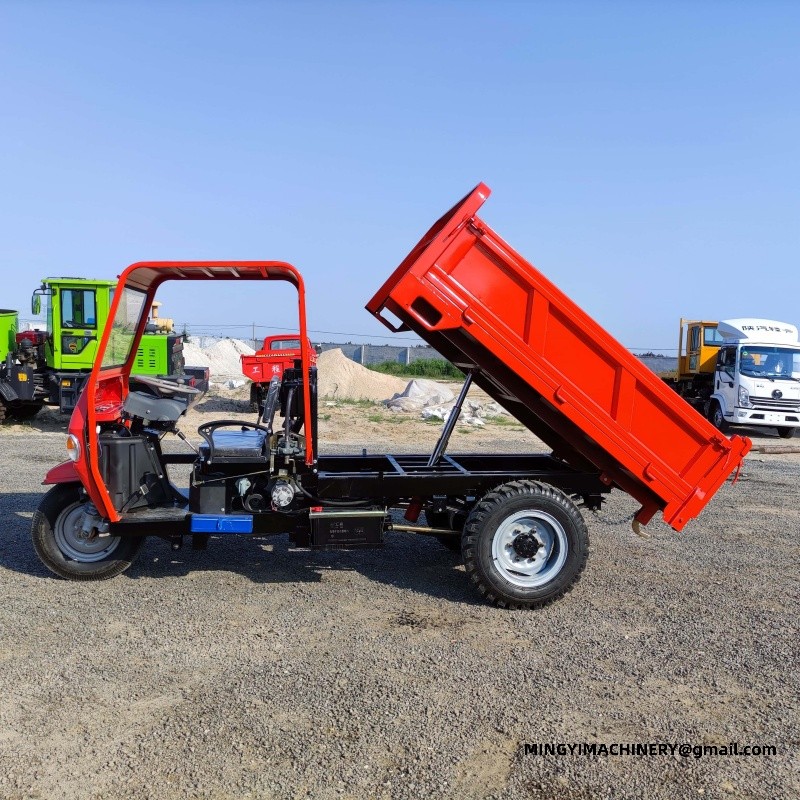
Tyres carry the load and take the punishment. Correct sizes and pressures on the tricycle keep the steering predictable and the rolling resistance low, and worn rear tyres are the usual cause of a vague feel. Puncture resistance is worth specifying. Sites with scrap, block and sharp stone destroy standard tyres, and the equipment in service specified for that work avoids a daily delay.
Handover should include the documents as well as the keys. Parts list, service schedule and the operator notes for this class of machine are what the workshop needs in month six, and they are much harder to obtain later. A short familiarisation session prevents the early faults. Most first-month problems on the unit in daily use come from unfamiliarity with controls, limits or checks rather than from the machine itself.
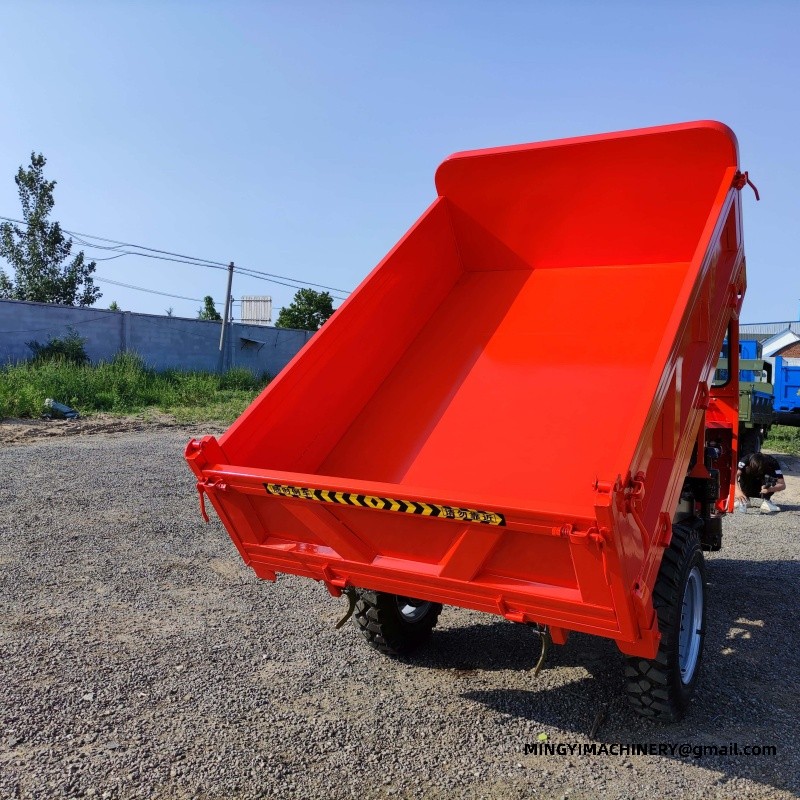
Three wheels behave differently from four. Cornering a loaded a machine of this size needs a lower speed than a car driver expects, and most incidents come from carrying four-wheel habits into a three-wheel machine. Surface changes the stopping distance. Gravel, mud and wet concrete all lengthen it on the equipment on site, and leaving room for that is what keeps a loaded descent routine rather than memorable.
Owners who work across several sites should check the transport dimensions before ordering. The model in question that fits a standard trailer can be moved by any operator with a suitable vehicle, while an over-width machine narrows that choice and complicates every move.
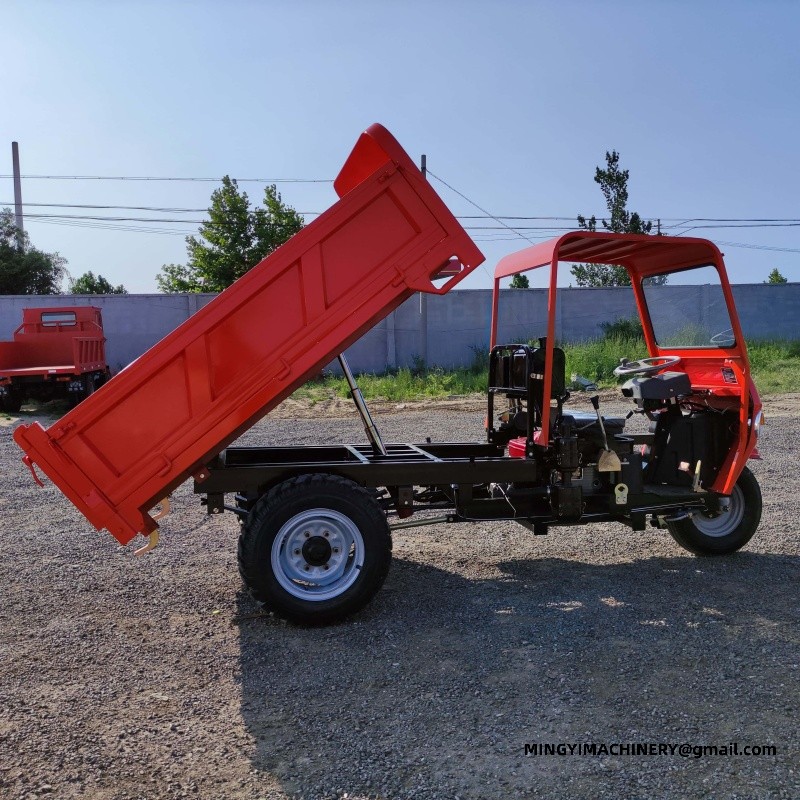
Overloading takes more than it saves. The unit on the job run above its rating wears tyres, brakes and the frame, and the saving in trips is usually spent on the repair.
Machine productivity depends on what happens around it. Deliveries, other trades and the sequence of work decide how much of the shift the equipment in service spends actually working rather than waiting.
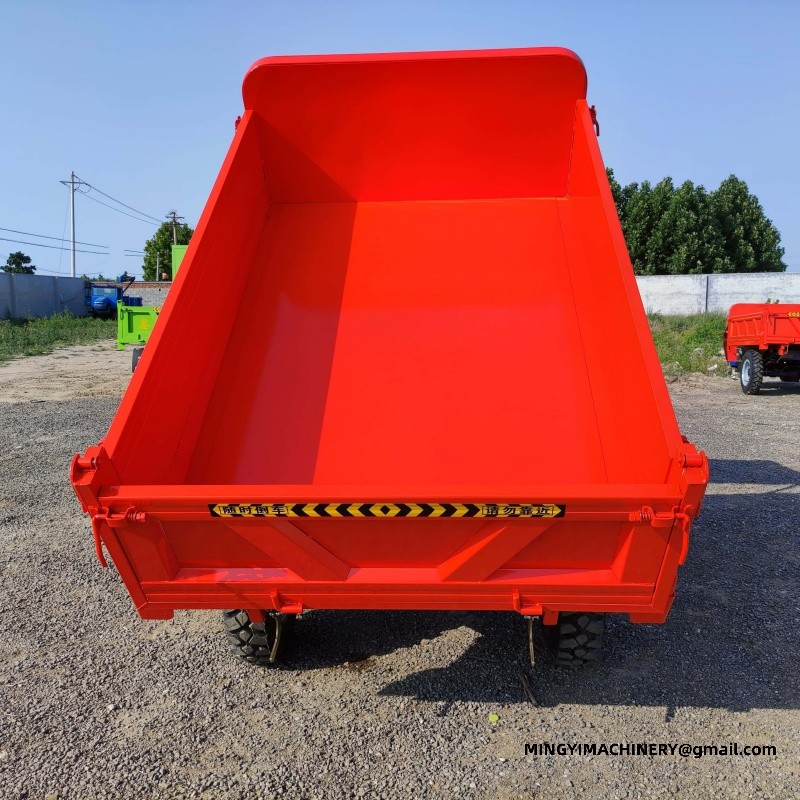
A written duty list is the simplest part of the purchase. It takes an hour to note the material, the distance, the gradient and the hours per week, and it is what turns this class of machine enquiry into a machine that fits.
Short hauls on and around a site are the natural duty. Moving block, sand and tools across ground too rough or too narrow for a truck is what a machine of this size does better than anything else at the specification. Farm and village work uses the same machine for feed, produce and materials. The equipment on site that crosses a yard, a track and a field gate is more useful on a small holding than a larger vehicle that cannot. Municipal and maintenance work is a third fit. Carrying tools, green waste and small loads through parks, lanes and footpaths is exactly the duty the machine itself is sized for.
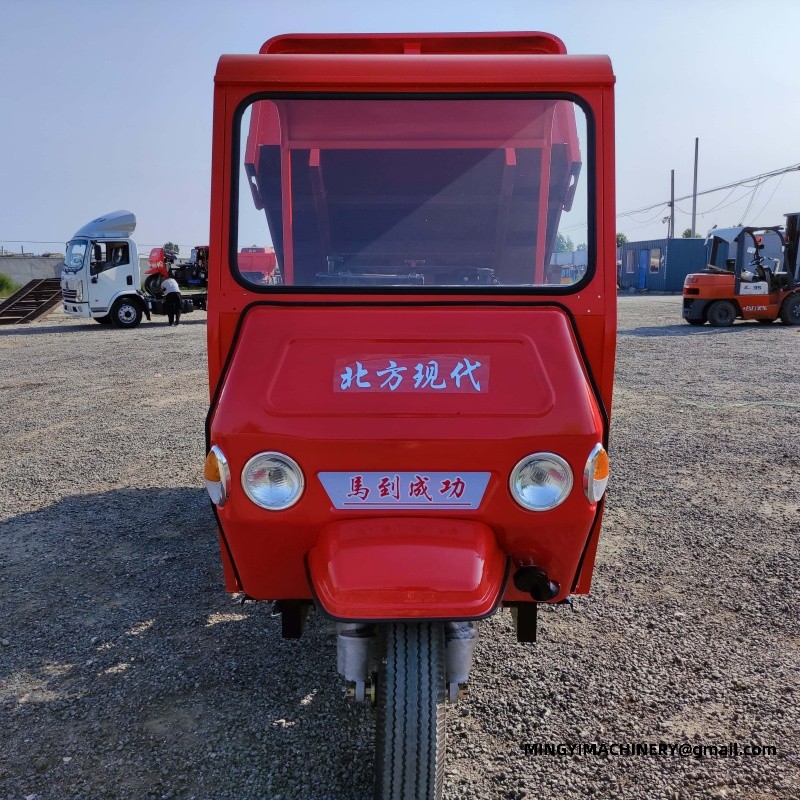
The route is the specification. Gradient, surface, gate widths and the number of trips per day decide more about the machine in that duty than any single figure on a data sheet.
Replacement timing is a planning decision. Knowing the intended working life of the unit on the job lets an owner sell while the machine still has value rather than after a major repair becomes due.
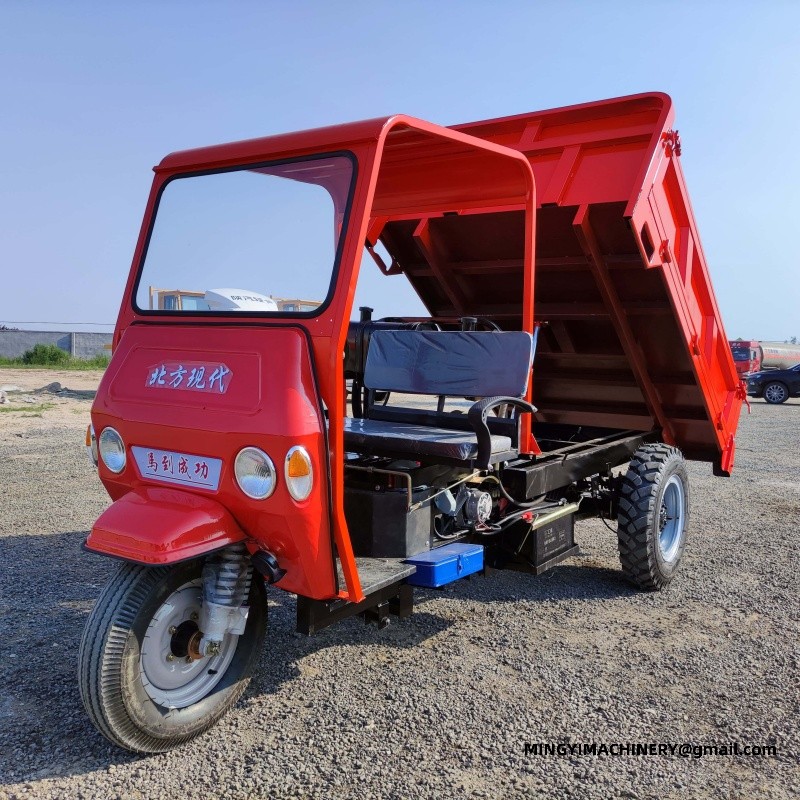
A simple log helps. Recording hours, fuel and any adjustment made to the equipment in service gives the workshop a history, and that history is what turns an intermittent fault into a one-visit repair instead of three.
Reconfiguration can extend the useful life of a machine. This class of machine that no longer suits the current work may suit it again with a different attachment, guarding or control arrangement.
Ground decides more of the outcome than power does. Soft, wet or loose surfaces call for a wider footprint and lower ground pressure, while hard standing allows a narrower machine that turns in less space and travels faster between tasks. The working surface should be surveyed before a machine of this size is specified. A machine that is stable on compacted gravel can be unusable on the same site after rain, and the difference shows up as lost days rather than as a fault.
Cold changes how a machine starts and how it warms up. Allowing the machine itself to reach operating temperature before loading it, and using the correct grade of oil and fuel for the season, prevents most cold-start problems. Batteries and fluids are the parts that notice the cold first. The model in question kept on a maintainer through a freezing spell starts on the first turn, while one left standing is the usual cause of a lost morning. Low temperatures also make materials behave differently. Ground that is frozen hard in the morning can be soft by midday, and planning the sequence around that is easier than fighting it with the machine in that duty.
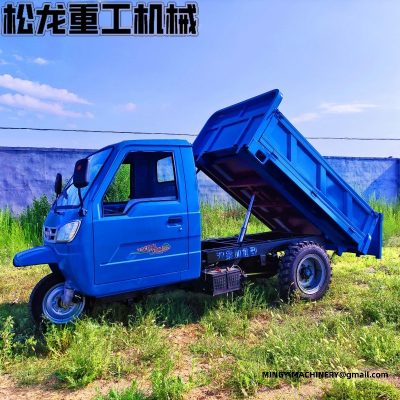
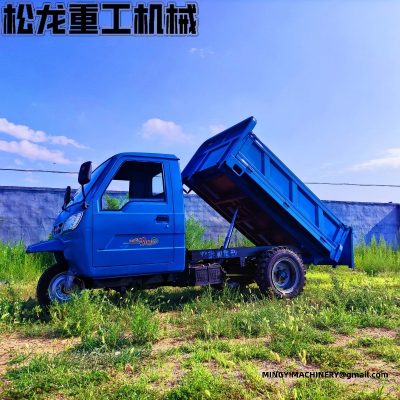
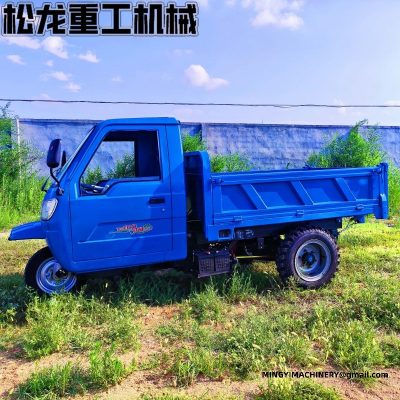
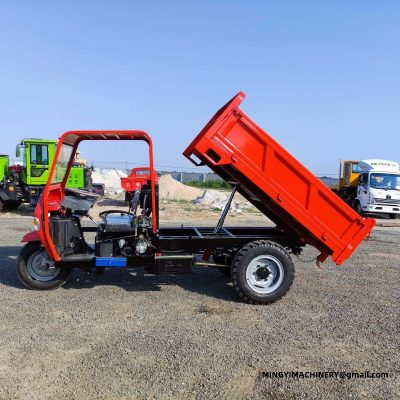
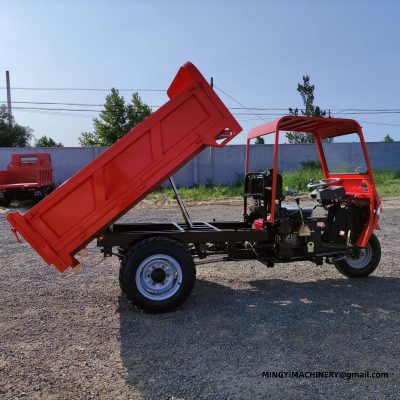
The variants below are the tricycles in this range. Gearbox, engine, tyres and body size are specified together, because the route and the material decide all four before any single figure matters.
| Model | Engine | Tyres | Body size |
|---|---|---|---|
| offsettricycle | ZS 1105 18 hp | front 500-14 ; rear 700-16 | 2.2 x 1.35 x 0.45 m engineering body |
| compact 8-speedtricycle | ZS 1105 18 hp | front 500-14 ; rear 700-16 | 2.2 x 1.35 x 0.45 m engineering body |
| 8-speedtricycle | ZS 1105 18 hp | front 500-14 ; rear 700-16 | 2.2 x 1.35 x 0.45 m engineering body |
| 7-speedtricycle | ZS 1105 18 hp | front 500-14 ; rear 700-16 | 2.2 x 1.35 x 0.45 m engineering body |
| 4-speedtricycle | ZS 1105 18 hp | front 500-14 ; rear 700-16 | 2.2 x 1.35 x 0.45 m engineering body |
| Item | Note |
|---|---|
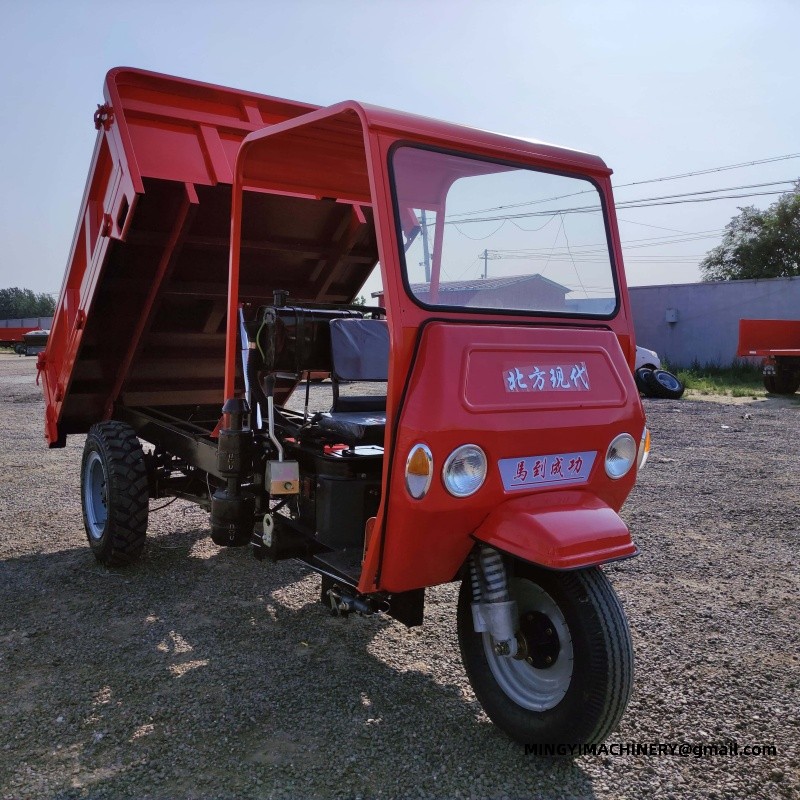
| Cab and canopy | Simple canopy, deluxe canopy or fully enclosed cab are the three options. |
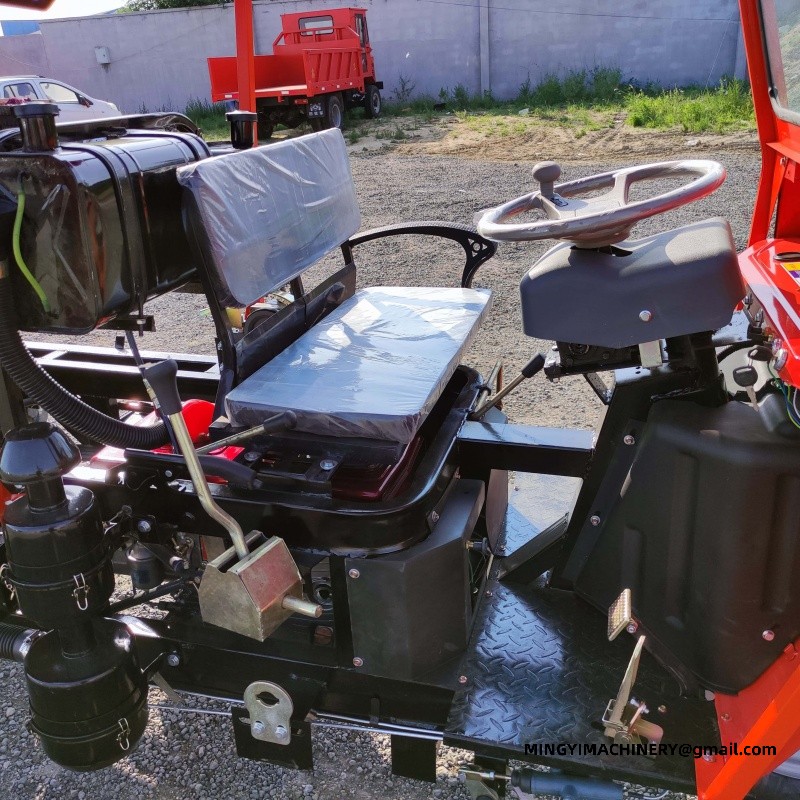
| Brakes and running gear | Vacuum assisted brake, twin shock absorbers and a double seat are available. |
| Engine options | Higher output engines and 24 V heavy duty start are offered for loaded hill work. |
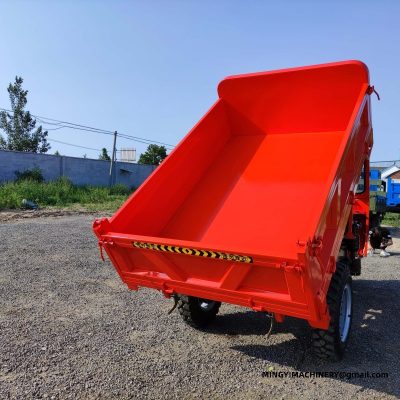
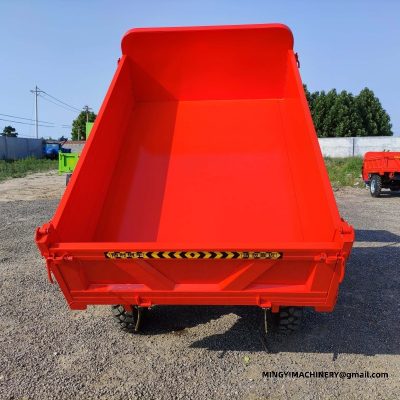
| Body and tipping | Three-way tipping body with side boards; body width can be widened on order. |
Holding spares is about downtime rather than the shelf itself. The question for the tricycle is not how large the part is but how long the machine sits while it is found, and a small shelf answers that better than a fast courier.
Downtime is simplest when it is planned. Booking the service for the unit in daily use in the quiet part of the season takes nothing from the schedule, while the same work in the busy weeks gives up a day of output every time.
How a machine travels decides how it starts on arrival. Securing the equipment on site against movement, protecting the exposed cylinders and keeping the battery and fluids in the right state for the voyage all belong to the packing list.
The machine should be introduced to the site as well as the operator. Walking the route the model in question will take, noting the soft spots and the turns, prevents the kind of first-day incident that has nothing to do with the machine.
Temperature and pressure are the two things worth watching. The unit on the job that runs hotter than it used to, or whose pressure has drifted, is reporting a problem that is still simple to fix.
A machine that works on one site still has to reach the next. The overall dimensions and the operating weight of the equipment in service decide what trailer or truck is needed, and that decision belongs before the job is booked.
What the customer sees on arrival is decided before departure. The walk-around given to this class of machine covers the same points the operator will check on day one, so there are no surprises when the crate is opened at the destination.
Contamination is easier to prevent than to cure. Keeping the filler caps sealed, the funnels clean and the containers closed around a machine of this size is unglamorous work that shows up as reliability later.
Every line above comes from the build sheet for the equipment on site, and the final configuration is confirmed against the working conditions and the destination before production.
E-mail:sales@mingycn.com
LINE(ID):mingyicn